DbcultAccessing Vault...
Cult Review
Senior Film Conservator
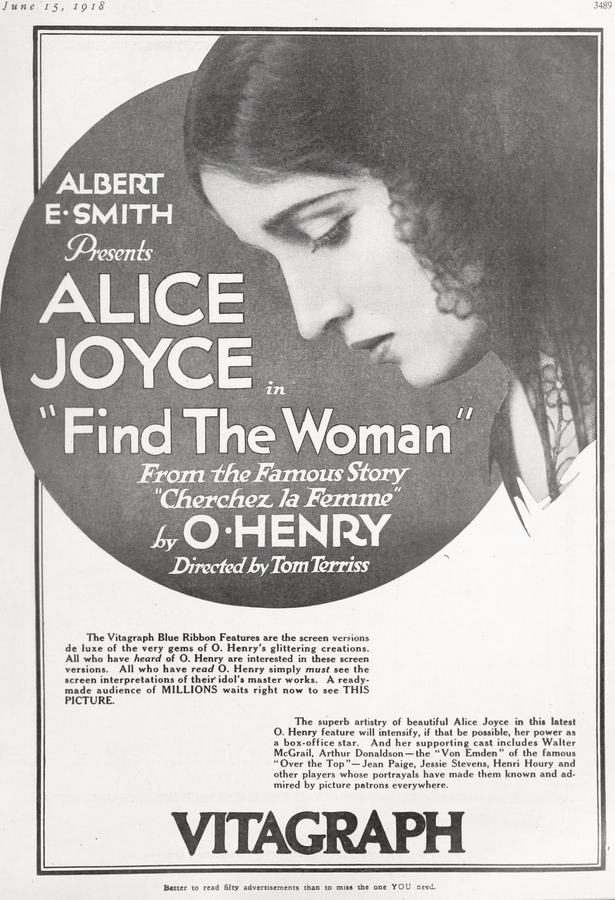
Stepping into the flickering glow of early cinema, one often finds narratives that, despite their antiquated presentation, echo timeless human struggles. Such is the case with 1918's Find the Woman, a melodrama that deftly weaves together ambition, scandal, and the relentless pursuit of truth. This film, a product of an era fascinated by moral quandaries and the fragility of reputation, invites us to consider how quickly public perception can turn against an individual, and the arduous path required to reclaim one's name. It's a journey into a world where a single, ill-fated decision can unravel a life, and where justice, though often delayed, eventually finds its way to the surface.
At its heart, Find the Woman is a tale centered on Madeline Renard, a luminous figure on the operatic stage, whose ascent is as swift as her fall. Her character embodies the aspirations of many young women of the period, striving for artistic excellence and societal recognition. Madeline's desire for authenticity in her portrayal of Marguerite in Faust, specifically during the iconic 'Jewel Aria,' leads her to commission a replica of her mother's invaluable $20,000 pearl necklace. This seemingly innocuous act, born of artistic integrity, inadvertently triggers a catastrophic chain of events. The choice of Monsieur Morin, a skilled but ultimately ill-fated gold worker, to craft these counterfeit gems, sets the stage for a tragedy that transcends the personal and spills into the public sphere, demonstrating how a simple transaction can have unforeseen, devastating consequences.
The abrupt demise of Monsieur Morin, discovered dead the morning after completing his commission, serves as the narrative's central pivot. This sudden death, combined with the inexplicable disappearance of $20,000 entrusted to Morin by Madame Thibault for investment, immediately casts a long shadow. The discovery of a note from Morin to Madeline, hinting at a 'great favor' rendered by crafting the jewelry casts, is the spark that ignites the inferno of suspicion. It's a classic cinematic device, a seemingly damning piece of evidence that, out of context, points an accusatory finger directly at our heroine. The film masterfully exploits this ambiguity, allowing the audience to witness Madeline's immediate plunge into disgrace without fully understanding the underlying machinations. This dramatic irony is crucial, as it builds tension and fosters empathy for Madeline, even as the world turns against her.
The subsequent public shaming of Madeline during her opera performance is a particularly poignant moment. The collective hiss of the audience, a visceral manifestation of societal condemnation, underscores the era's unforgiving nature towards perceived transgressions, especially by women in the public eye. Madeline's desperate attempt to clear her name, by publicly recounting her business dealings with Morin and explaining the provenance of her mother's jewels, is a testament to her courage, yet it falls on deaf ears. The tide of public opinion, once turned, is a formidable force, and her words, no matter how truthful, are insufficient to stem the flow of judgment. This element of public trial and swift condemnation finds resonance in other silent era films where women are often subjected to intense scrutiny, such as The Woman Suffers, albeit for different societal ills. The shared thread is the devastating impact of a society quick to judge and slow to forgive, especially when a woman's reputation is at stake.
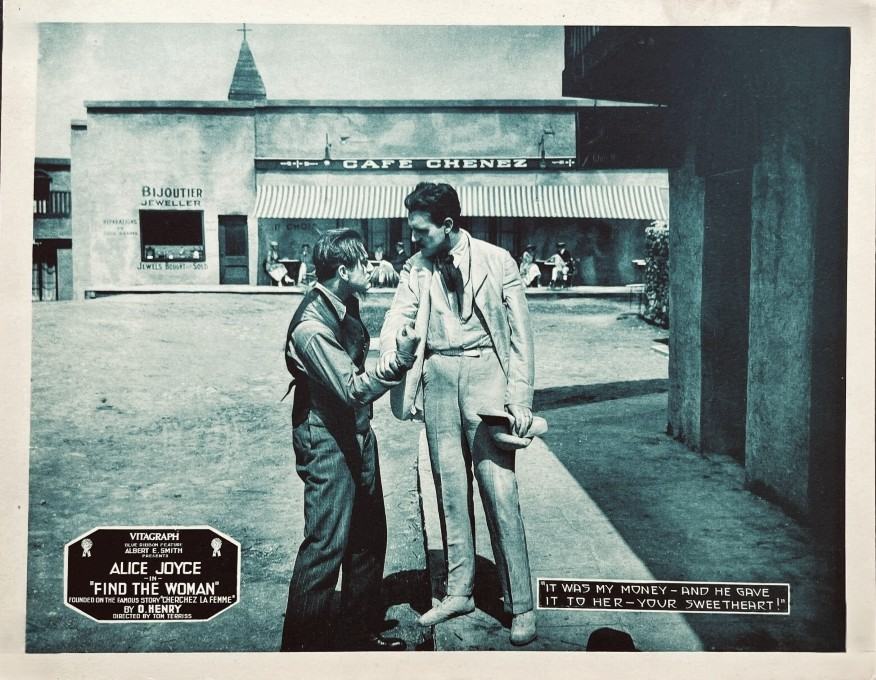
Seeking refuge from the relentless scrutiny, Madeline retreats to the solemn quietude of a convent. This period of self-imposed exile is not merely a plot device; it symbolizes her profound alienation from the world that once adored her, a stark contrast between the glittering stage and the austere sanctuary. It's a time for reflection, for the wounds of injustice to fester, and for the audience to ponder the true nature of her innocence. Meanwhile, Maurice Dumars, a journalist whose initial infatuation with Madeline has matured into unwavering devotion, embarks on his own quiet quest for truth. Dumars is not merely a romantic lead; he embodies the tenacious spirit of investigative journalism, driven by a personal conviction that transcends professional obligation. His belief in Madeline's innocence is the unwavering beacon in her darkest hour, a testament to the power of loyal advocacy in the face of widespread condemnation.
The resolution of the mystery, arriving a year later, is imbued with a touch of narrative serendipity. Dumars, in a moment of sheer happenstance, discovers the missing $20,000 in bank notes, carelessly pinned to the walls of Madame Thibault's inn. This seemingly trivial detail—a simple oversight by Morin, who had evidently left the money there—is the linchpin that unravels the entire enigma. It's a plot device that, while perhaps a touch convenient by modern standards, perfectly suits the melodramatic sensibilities of the era. The revelation clears Madeline's name with irrefutable clarity, demonstrating that sometimes, truth emerges not through grand investigation, but through the most mundane of discoveries. The film's conclusion, with Madeline vindicated and sought once more by those who wronged her, and reunited with the steadfast Dumars, offers a satisfying, if somewhat idealistic, resolution. It reinforces the enduring appeal of justice prevailing, even if by a stroke of fate.
From a cinematic perspective, Find the Woman, as a silent film, relies heavily on visual storytelling and the expressive capabilities of its cast. The exaggerated gestures and highly stylized facial expressions, typical of the period, are crucial in conveying the intense emotions that drive the narrative. The director, working within the constraints of the time, uses intertitles judiciously to provide exposition and dialogue, ensuring the audience remains engaged with the intricate plot. The pacing, though deliberate by today's standards, effectively builds suspense, particularly around Morin's death and Madeline's public humiliation. The contrast between the opulent world of the opera and the stark simplicity of the convent is visually striking, effectively communicating Madeline's dramatic shift in circumstances and status. While specific camera techniques like elaborate tracking shots or complex editing might not be as prominent as in later eras, the film's ability to tell a compelling story primarily through imagery is a testament to the artistry of early cinema.
The thematic depth of Find the Woman extends beyond mere plot mechanics. It delves into the precariousness of female reputation in a society quick to condemn. Madeline's ordeal highlights how a woman's public image could be shattered by circumstance, regardless of actual guilt. This theme resonates with the struggles depicted in films like Fedora, where the intense scrutiny and expectations placed upon female public figures lead to tragic personal consequences. The film also explores the power of class and the allure of wealth, symbolized by the pearls, which act as a catalyst for the entire tragedy. The $20,000, a significant sum then as now, underscores the high stakes involved and the potential for greed to corrupt. The ultimate message, however, is one of hope and the triumph of truth, albeit one that requires perseverance and a touch of good fortune. Dumars' unwavering faith in Madeline is a powerful counterpoint to the fickle nature of public opinion, suggesting that true loyalty and dedication can weather the storm of scandal.
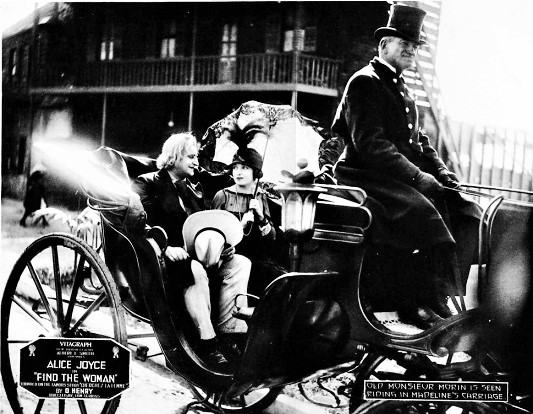
Comparing Find the Woman to other films of its era, one can see common threads of mystery and suspense. While not a pure detective story in the vein of The Master Mystery, it shares a similar drive to unravel a complex web of circumstances. The journalist's role in uncovering the truth, rather than a professional detective, lends a more grounded, human element to the investigation. The focus on a misunderstood woman fighting for her honor can be loosely paralleled with films like The Serpent or The Lady Outlaw, where female protagonists navigate treacherous social landscapes. However, Find the Woman distinguishes itself by embedding its mystery within the highly dramatic and public world of opera, amplifying the stakes and the spectacle of Madeline's fall from grace. The juxtaposition of high art and sordid crime provides a rich backdrop for its exploration of morality and justice.
The film also subtly critiques the superficiality of public judgment. The audience at the opera, quick to hiss and condemn, represents the collective societal voice that often rushes to conclusions without knowing the full story. Madeline's forced explanation, while brave, highlights the injustice of having to defend oneself against an already decided verdict. This aspect of the narrative remains strikingly relevant in an age of instant information and social media, where reputations can be built and shattered in a matter of hours. The film reminds us that the truth, often obscured by circumstance and misunderstanding, rarely reveals itself easily, and that hasty judgment can inflict profound and lasting damage.
In essence, Find the Woman is more than just a period melodrama; it's a compelling exploration of human vulnerability, the power of love, and the often-circuitous route to justice. It serves as a valuable artifact of early cinema, showcasing the storytelling prowess of an era that relied on visual spectacle and powerful performances to captivate audiences. Its enduring appeal lies in its universal themes: the struggle against injustice, the importance of unwavering belief, and the ultimate vindication of innocence. The film, with its dramatic twists and turns, offers a fascinating glimpse into the moral fabric of its time, while simultaneously offering a narrative that continues to resonate with contemporary audiences. Its legacy is not just as a piece of cinematic history, but as a timeless reminder that truth, like a persistent journalist, eventually uncovers itself, often in the most unexpected places.
The narrative's meticulous unfolding of events, from the initial commission of the pearls to the final, serendipitous discovery of the missing funds, demonstrates a sophisticated understanding of dramatic structure for its time. Each character, though portrayed with the broad strokes typical of silent film acting, plays a pivotal role in propelling the plot forward. Maurice Dumars, for instance, transcends the typical romantic hero by actively engaging in the investigation, his journalistic instincts serving as a crucial plot engine. His unwavering belief in Madeline, even when all evidence seems to point against her, is a powerful testament to the strength of conviction and loyalty. This depth of characterization, even without spoken dialogue, allows the audience to invest emotionally in their struggle.
The film's use of setting, from the grandeur of the opera house to the solemnity of the convent and the mundane reality of Madame Thibault's inn, further enriches its narrative tapestry. These diverse backdrops not only provide visual variety but also symbolically reflect Madeline's journey through different social strata and emotional states. The opera house represents her ambition and public life, the convent her retreat and spiritual reflection, and the inn, ironically, the place where mundane oversight leads to profound revelation. This thoughtful deployment of settings amplifies the dramatic impact and underscores the contrasting worlds Madeline inhabits throughout her ordeal.
Ultimately, Find the Woman stands as a compelling example of early cinematic storytelling. It navigates complex themes of justice, public perception, and personal integrity with a blend of melodrama and earnest human drama. The film's ability to maintain suspense and foster empathy for its protagonist, despite the limitations of the silent medium, speaks volumes about its craftsmanship. It’s a testament to the power of a well-told story, demonstrating that even without the benefit of sound, a narrative rich in character and moral dilemma can resonate deeply. Its enduring message, that truth will ultimately prevail against the tide of misinformation and hasty judgment, remains as powerful today as it was over a century ago. The journey of Madeline Renard, from celebrated artist to disgraced outcast and finally to vindicated heroine, is a poignant reminder of the enduring human quest for justice and the unwavering hope that light will eventually pierce the darkest shadows of misunderstanding.
IMDb —
1915
Community
Log in to comment.