DbcultAccessing Vault...
Cult Review
Senior Film Conservator
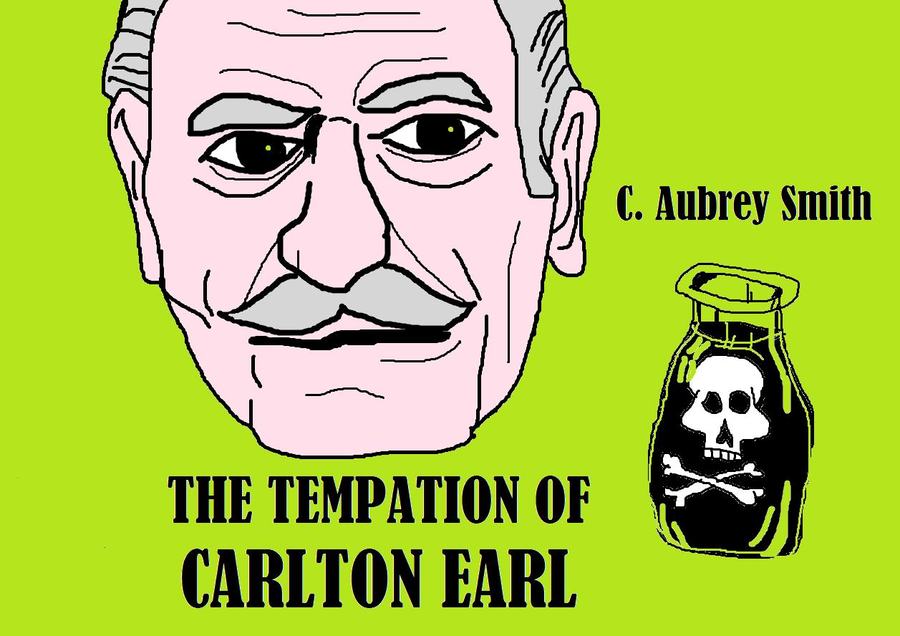
Stepping back into the nascent years of cinematic storytelling, one encounters a fascinating array of narratives that, despite their age, resonate with timeless human dilemmas. Among these, The Temptation of Carlton Earle stands as a compelling testament to the enduring power of moral ambiguity, betrayal, and the fragile nature of reputation. Released in an era when film was still discovering its voice, this picture, penned by Stella During and S.H. Herkomer, presents a meticulously crafted psychological drama wrapped in the guise of a crime thriller, challenging its audience to ponder the fine lines between mercy, murder, and engineered injustice.
At its core, the film delves into the profound ethical quandary faced by Dr. Carlton Earle, a man ostensibly committed to healing, yet confronted with the agonizing reality of a friend's incurable suffering. C. Aubrey Smith, a name synonymous with gravitas and refined presence even in these early works, embodies Earle with a nuanced complexity that hints at the internal struggle preceding his fateful decision. The act of administering a lethal dose to a dying friend, while an act of compassion in his own mind, immediately plunges him into a moral abyss. This single, desperate choice, intended to alleviate agony, becomes the fulcrum upon which his entire world is subsequently upended, proving that even the most benevolent intentions can possess the most catastrophic repercussions.
The true turning point, however, is not Earle's initial transgression, but the emergence of a far more insidious evil in the form of his valet. This character, portrayed with a chilling undercurrent of calculated malevolence, becomes the architect of Earle's downfall, transforming a private tragedy into a public scandal of epic proportions. The valet, driven by motives that remain subtly hinted at rather than overtly stated – perhaps resentment, greed, or a perverse sense of power – orchestrates a diabolical frame-up. He doesn't merely expose Earle's secret; he retroactively implicates him in an entirely separate, historical crime: the poisoning of his own wife's deceased first husband. This masterful stroke of villainy elevates the narrative beyond a simple tale of guilt and consequence, transforming it into a sophisticated psychological battleground.
The genius of During and Herkomer's writing lies in this layered deception. It's not enough for Earle to face the music for his actual deed; he must also contend with a fabricated past, a meticulously constructed narrative designed to dismantle his character and destroy his standing. This thematic exploration of reputation under siege, where truth becomes malleable in the hands of a skilled manipulator, is remarkably prescient. It speaks to anxieties that still plague society today, where narratives can be twisted and identities can be shattered by carefully planted seeds of doubt. The film thus becomes a cautionary tale about the vulnerability of even the most esteemed individuals when confronted by a determined and morally bankrupt adversary.
While early cinema often focused on broad gestures and melodramatic expression, the cast of The Temptation of Carlton Earle manages to infuse their roles with a palpable sense of human drama. C. Aubrey Smith, even in these formative years of his illustrious career, projects an an air of dignified torment. His portrayal of Earle is not merely that of a man accused, but of a man grappling with the moral weight of his own actions, compounded by the horror of being framed for a crime he didn't commit. His expressive eyes and subtle shifts in demeanor convey a world of internal conflict, making his predicament genuinely sympathetic.
Francis Innys, likely playing the villainous valet, would have needed to exude a quiet menace, a serpentine cunning that underscores the character's manipulative prowess. The effectiveness of the frame-up hinges entirely on the audience believing in the valet's ability to pull off such a grand deception. Lilian Gould, Simeon Stuart, Beatrice Trouville, James Lindsay, Charles Poulton, and Gertrude McCoy, though their specific roles might be less documented today, would have contributed to the tapestry of supporting characters, each playing a vital part in building the world around Earle and intensifying the dramatic tension. Their collective performances, guided by the writers' vision, undoubtedly contributed to the film's ability to hold its audience captive, a significant achievement in an era when cinematic language was still being invented.
The structural elegance of The Temptation of Carlton Earle is particularly noteworthy. It doesn't merely present a crime and its investigation; it layers guilt upon innocence, actual transgression upon fabricated malevolence. This intricate plotting elevates it beyond many of its contemporaries, suggesting a sophisticated understanding of suspense and dramatic irony. The audience is privy to Earle's initial, morally grey act, which then makes the subsequent frame-up all the more agonizing, as his past indiscretion provides the perfect fertile ground for the valet's seeds of deceit to take root.
This narrative complexity, where the protagonist is both victim and perpetrator (albeit of different crimes), creates a powerful tension. It forces viewers to confront uncomfortable questions about justice, culpability, and the extent to which one's past defines their present. Is Earle truly deserving of the full weight of the law, even if the accusation of his wife's first husband's murder is false, simply because he committed another illicit act? These are the kinds of profound ethical dilemmas that elevate a simple crime story into a meditation on human nature. In this regard, one might draw a thematic parallel to films that explore the moral labyrinth of a compromised protagonist, much like the intricate ethical considerations found in Conrad in Quest of His Youth, where characters grapple with past decisions shaping their present reality, though perhaps with less overtly criminal undertones.
Examining The Temptation of Carlton Earle through a historical lens offers valuable insights into the evolution of cinematic language. In an era predating sophisticated editing techniques and sound, the burden of storytelling fell heavily on visual composition, intertitles, and the expressive capabilities of the actors. The film's ability to convey such a complex plot, with its layers of deceit and moral quandaries, speaks volumes about the ingenuity of its creators. It demonstrates an early understanding of how to build suspense, develop character arcs, and maintain audience engagement without the myriad tools available to modern filmmakers.
The use of specific iconography, perhaps the doctor's instruments, the valet's sly glances, or the wife's expressions of distress, would have been crucial in communicating the nuances of the plot. The film likely relied on strong visual metaphors and carefully staged scenes to articulate the escalating tension and the characters' internal states. This reliance on visual storytelling harks back to the very essence of cinema, reminding us of its roots as a purely visual medium. Its success would have been a testament to the effectiveness of its visual narrative, much like the compelling visual narratives found in early action-oriented films such as A Rough Shod Fighter, which relied on dynamic imagery to convey its plot.
Themes of betrayal, false accusation, and the quest for justice are perennial favorites in storytelling, and The Temptation of Carlton Earle taps into these deeply human concerns with remarkable prescience. The film anticipates later noir thrillers and courtroom dramas by presenting a protagonist caught in a web of circumstances not entirely of his own making, yet inextricably linked to his initial lapse. The valet's actions force Earle into a defensive posture, where he must not only clear his name of a fabricated crime but also grapple with the moral implications of his actual deed.
This dual struggle – against an external antagonist and an internal moral compass – provides rich dramatic fodder. It underscores the idea that our actions, even those performed in secrecy or with seemingly noble intent, can have unforeseen and devastating ripple effects. The film serves as a potent reminder that the path to ruin is often paved with good intentions, especially when those intentions cross ethical boundaries. The intricate plotting and the high stakes involved in clearing one's name against overwhelming odds certainly echo the tension and strategic maneuvering seen in films centered around elaborate schemes and counter-schemes, such as The Checkmate, though perhaps with a different moral core.
While specific details of its reception might be lost to the mists of time, the very existence and narrative sophistication of The Temptation of Carlton Earle speak to its significance. It is a work that pushed the boundaries of early cinematic storytelling, proving that film could tackle complex moral questions and intricate plots, not just simple chase scenes or comedic vignettes. It established a template for the psychological thriller, a genre that would flourish in subsequent decades.
The film's exploration of a respected professional's downfall, triggered by a moment of weakness and then exacerbated by a malevolent force, remains a potent narrative device. It holds up a mirror to societal anxieties about trust, appearances, and the ever-present threat of hidden agendas. For cinephiles and historians alike, it offers a valuable window into the thematic concerns and narrative ambitions of early 20th-century cinema. It’s a compelling artifact, showing us how foundational stories of crime, punishment, and the human condition were being forged even before the medium had fully found its voice. Its lasting impression lies in its bold thematic choices and its sophisticated, albeit silent, articulation of a deeply human tragedy, a testament to the timeless appeal of moral quandaries and the dark allure of temptation.
In conclusion, The Temptation of Carlton Earle is far more than a historical curiosity. It is a meticulously crafted drama that explores the treacherous terrain of human ethics, the insidious nature of betrayal, and the devastating impact of a well-orchestrated lie. Through the compelling performances of its cast, particularly C. Aubrey Smith, and the intricate narrative woven by Stella During and S.H. Herkomer, the film solidifies its place as an early, yet remarkably sophisticated, precursor to the psychological thrillers that would captivate audiences for generations to come. It serves as a stark reminder that the temptations we face, and the subsequent choices
IMDb 7.1
1931
Community
Log in to comment.