DbcultAccessing Vault...
5.3/10
Senior Film Conservator
A definitive 5.3/10 rating for a film that redefined the boundaries of cult cinema. Finger Prints remains a cornerstone of transgressive art.
Is 'Finger Prints' worth your time today, nearly a century after its release? Short answer: yes, but with significant caveats that demand a specific taste for early silent-era farce. This film is primarily for dedicated cinephiles, historians of silent cinema, and those with a deep appreciation for the foundational elements of slapstick comedy, especially fans of the era's character actors like Myrna Loy in her formative years. It is decidedly NOT for viewers seeking tightly plotted narratives, sophisticated humor, or a pace that aligns with modern filmmaking sensibilities.
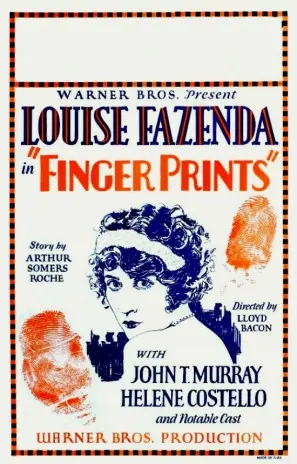
Stepping into the world of 1927's 'Finger Prints' is akin to opening a time capsule: you're not just watching a film, you're experiencing a moment in cinematic history. Directed by Frank O'Connor, this silent comedy navigates the chaotic quest for a hidden fortune, pitting two remarkably incompetent factions against each other – a gang of bumbling crooks and an equally clumsy cohort of law enforcement. The premise itself promises a certain brand of absurdity, and for the most part, the film delivers on that promise, albeit with the charming clumsiness inherent to its era.
This film works because of its charmingly earnest performances and a few genuinely clever sight gags that underscore the inherent absurdity of its premise. There's an undeniable energy to the physical comedy, a raw, unpolished enthusiasm that can still elicit a chuckle if approached with the right mindset. The commitment of the ensemble, particularly in their exaggerated reactions, is a testament to the theatrical roots of early cinema.
This film fails because its comedic pacing often falters, relying too heavily on broad physical humor that, without the benefit of a live orchestra, sometimes feels drawn out. What might have been a quick, sharp gag in its original theatrical run can, today, feel protracted, demanding a level of patience that modern audiences are rarely asked to give. The narrative, while simple, also lacks the tight structure that even some of its contemporary silent comedies managed to achieve.
You should watch it if you're prepared to engage with a historical artifact, a snapshot of 1920s humor, and if you enjoy witnessing the raw energy of early cinematic storytelling. It’s a fascinating glimpse into the careers of actors who would later become household names, caught in a moment of pure, unadulterated slapstick.
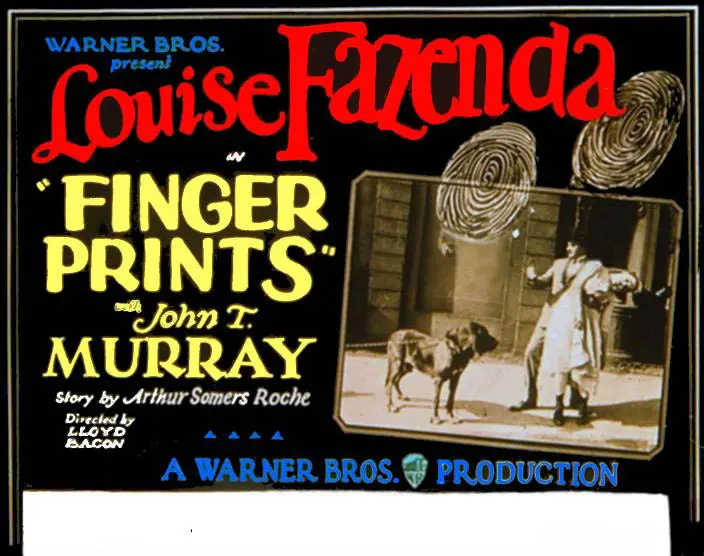
The narrative backbone of 'Finger Prints' is disarmingly simple: a treasure hunt. A cache of hidden money serves as the elusive MacGuffin, driving both the criminal underworld and the forces of law to increasingly frantic and foolish endeavors. What could have been a taut thriller is instead rendered a delightful, if at times tiresome, farce through the sheer incompetence of everyone involved.
Edward Clark, C. Graham Baker, and Arthur Somers Roche, the film's writers, craft a world where logical thinking is a foreign concept. The crooks aren't masterminds; they’re a collection of slapstick archetypes, constantly tripping over their own feet or misunderstanding crucial clues. The lawmen, in turn, are less Sherlock Holmes and more Inspector Clouseau, their pursuit characterized by accidental discoveries and fortunate blunders rather than genuine detective work.
This intentional ineptitude is the film's central comedic engine. We witness sequences where a crucial piece of evidence is misplaced not once, but repeatedly, leading to a cascade of exaggerated reactions from the cast. The humor stems from observation of human folly, amplified to cinematic proportions. One particular sequence involving a misdirected chase through what appears to be a cluttered urban environment highlights this perfectly; characters narrowly miss each other in a series of near-sightings, creating a dizzying ballet of missed opportunities.
However, the pacing is a significant hurdle for contemporary viewers. Silent comedies, by their nature, often relied on exaggerated physical movements and extended reaction shots to convey emotion and humor without dialogue. In 'Finger Prints', these moments, while authentic to the period, can feel stretched. A single gag, which might take five seconds in a talkie, could easily consume twenty or thirty seconds here, demanding a re-calibration of viewer expectations. This isn't necessarily a flaw of the film itself, but rather a characteristic of its time, requiring a different kind of engagement.
The episodic nature of the hunt means that while individual scenes might sparkle with comedic potential, the overall momentum can lag. There’s a certain charm in this meandering quality, as if the film itself is as lost as its characters, but it undeniably impacts the film’s rewatchability for casual viewers. It’s a film that asks you to settle in, not to be rushed.
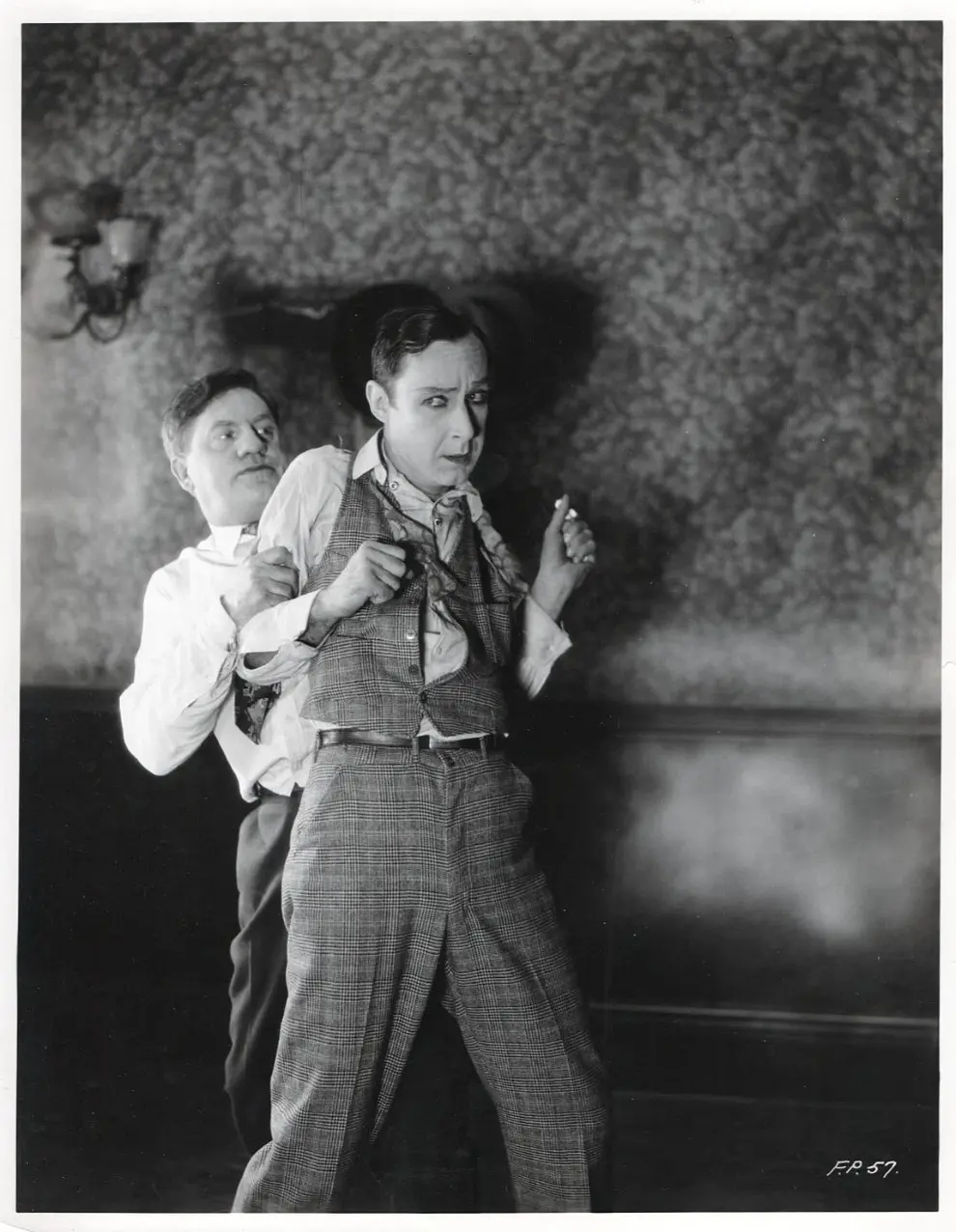
The ensemble cast of 'Finger Prints' is a fascinating cross-section of 1920s talent, ranging from seasoned vaudevillians to rising stars. Martha Mattox, William Demarest, and Louise Fazenda, veterans of the comedic stage and screen, bring a seasoned physical energy to their roles. Their exaggerated expressions and precise slapstick timing are the bedrock of the film’s humor. Demarest, even in these early roles, shows glimpses of the gruff, lovable curmudgeon he would perfect in later decades, a flicker of that iconic screen persona already forming.
Myrna Loy, credited here in one of her earlier roles, offers a compelling reason for film enthusiasts to seek out 'Finger Prints'. While not yet the sophisticated, quick-witted leading lady audiences would come to adore, her presence is undeniable. She carries a certain screen magnetism even amidst the chaos, suggesting the star power that would soon propel her to fame. Her early work here, often in supporting roles, allows us to trace the evolution of a legend, a chance to see the raw talent before it was refined into the 'Perfect Wife' persona. It's a subtle performance, perhaps less overtly comedic than her co-stars, but she anchors certain scenes with a quiet intensity that contrasts effectively with the surrounding mayhem.
Edgar Kennedy, a master of the slow burn and the exasperated double-take, is another standout. His frustration, conveyed through increasingly frantic gestures and a perpetually furrowed brow, is universally understandable. Kennedy's ability to communicate complex emotions with just a glance or a subtle shift in posture is a testament to the power of silent acting. He embodies the exasperated everyman caught in an absurd situation, a comedic archetype that transcends the decades.
The interplay between the 'inept crooks' and the 'even more inept lawmen' relies entirely on these committed performances. There’s a theatricality to the acting, a necessity in the silent era to convey emotions and intentions without dialogue. The broad gestures, the wide-eyed surprise, the furious stomping – these are not merely acting choices; they are the language of the film. Without this dedication, the humor would fall flat. The actors are not just performing; they are translating.
One could argue that the film serves as an excellent showcase for the depth of character acting prevalent in the silent era. Each performer, from the lead comedic figures to the smallest bit parts, contributes to the overall tapestry of comedic chaos. There's a genuine joy in watching these professionals ply their trade, even if the material itself sometimes borders on the rudimentary. It's a reminder that even before sound, the power of a compelling screen presence was paramount.
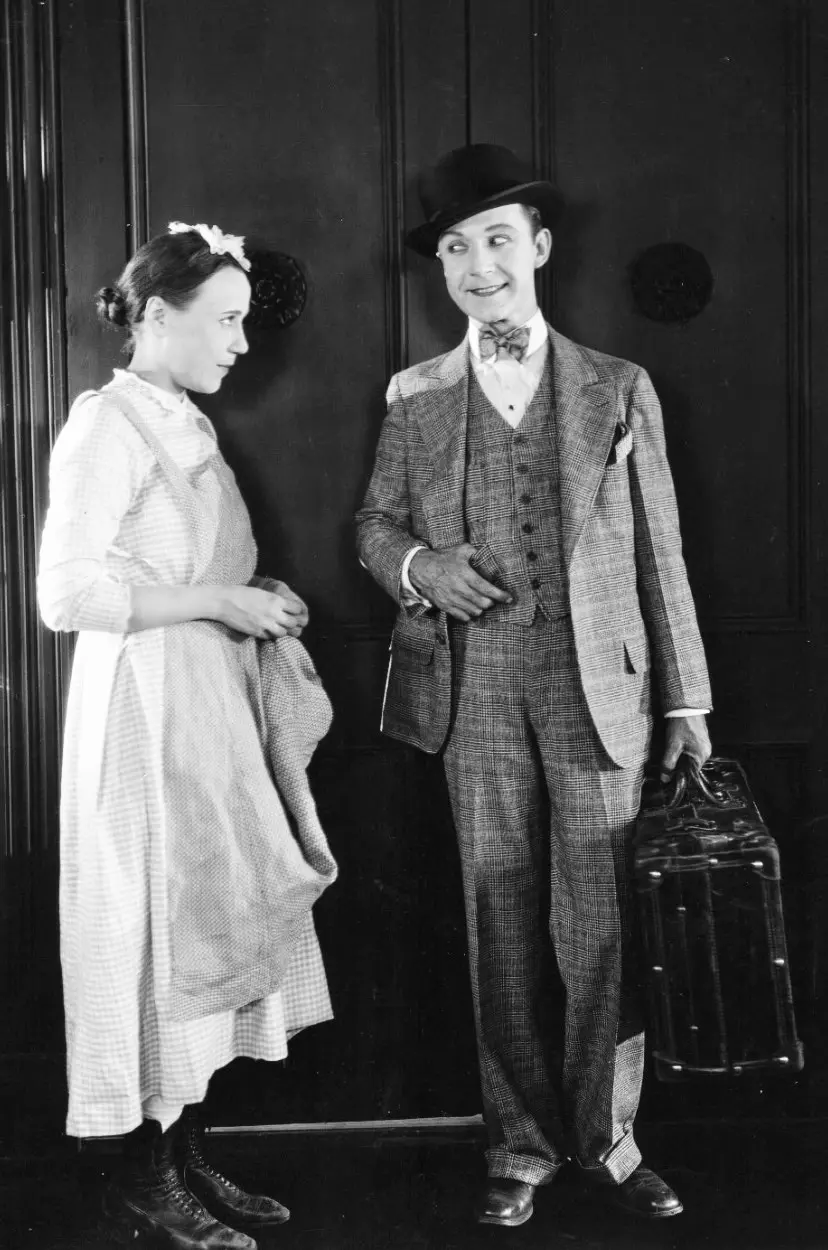
Frank O'Connor’s direction of 'Finger Prints' is, in many ways, typical of the era: functional, clear, and focused on showcasing the physical comedy. The camera is largely static, serving as an observer rather than an active participant in the narrative. This approach allows the audience to fully appreciate the elaborate physical gags and the expressive performances of the cast, but it also means the film rarely ventures into visually innovative territory. It’s a stage play brought to the screen, with the camera acting as the best seat in the house.
However, within these traditional confines, O'Connor demonstrates a solid understanding of comedic timing for the silent screen. He knows when to hold a shot to allow a reaction to land, or when to use a quick cut to punctuate a moment of surprise or slapstick impact. There are instances of effective use of depth of field to emphasize the chaotic nature of the search, with multiple characters moving independently within the same frame, creating a sense of bustling disorder.
The cinematography, while not groundbreaking, is competent. The lighting is generally bright and even, ensuring that every facial expression and physical maneuver is visible. This clarity is crucial for a film so reliant on visual humor. There are no dramatic shadows or complex compositions here; the goal is simply to present the action as clearly as possible. One might observe a specific shot where a character dramatically falls over a piece of furniture, and the framing ensures the entire, often protracted, fall is captured, maximizing its comedic effect.
What 'Finger Prints' might lack in visual flair, it compensates for with its commitment to the genre. The set designs, though perhaps modest, effectively create the various locales for the treasure hunt – from cluttered drawing rooms to shadowy back alleys. These environments are often utilized as extensions of the comedic narrative, with furniture becoming obstacles and doorways leading to unexpected encounters. The physical space itself becomes a character, complicating the already muddled efforts of the protagonists.
The overall visual language is one of accessibility. It’s a film designed to be easily understood by a mass audience, relying on universal visual cues for humor and plot progression. While it won't be lauded for its artistic cinematography alongside works like J'accuse! or Alraune from the same period, it successfully serves its purpose: to make people laugh through visual storytelling. It’s a testament to the idea that sometimes, simplicity is the most effective approach.
Is 'Finger Prints' worth watching today? Yes, for specific audiences. It's a valuable historical document. It offers a window into early Hollywood comedy. You will see foundational slapstick. Myrna Loy's early career is on display. Be prepared for slower pacing. Expect broad, physical humor. It is not for casual viewers. It demands patience. For silent film buffs, it's a worthwhile discovery.
IMDb 6.8
1936
Community
Log in to comment.