DbcultAccessing Vault...
Cult Review
Senior Film Conservator
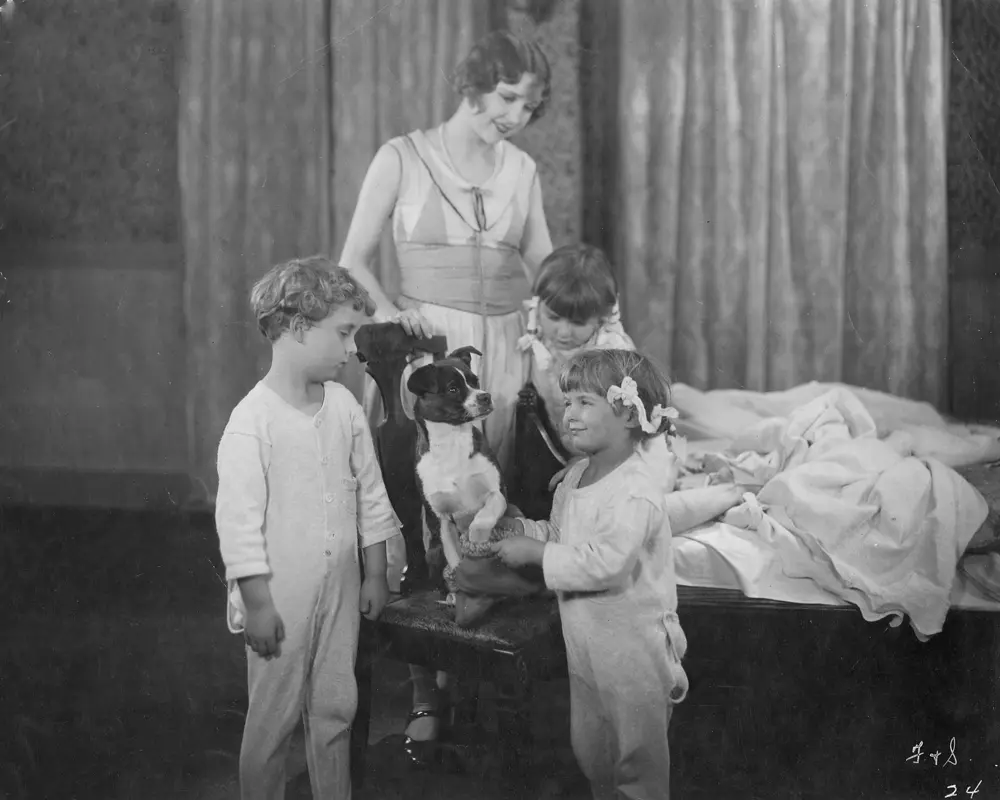
Is Fire and Steel, a silent film from the roaring twenties, worth your precious viewing hours in the 21st century? Short answer: yes, but with significant caveats. This isn't a film for casual viewers seeking modern narrative conventions or high-octane thrills, but rather a fascinating, if imperfect, window into early cinematic storytelling and industrial-era melodrama.
This film is tailor-made for cinephiles, historians, and anyone with a keen interest in the evolution of film as an art form. It offers a unique glimpse into the visual language and thematic concerns of its time. Conversely, those who struggle with the conventions of silent cinema—its pacing, its reliance on intertitles, and its often broad performances—will find it a challenging, perhaps even frustrating, experience. It demands a certain patience and an appreciation for context.
This film works because it offers a raw, unfiltered look at a specific moment in cinematic history, blending industrial spectacle with classic heroics in a way few other films dared at the time.
This film fails because its narrative simplicity, while charming, can feel thin by modern standards, and its villain is largely archetypal, lacking nuanced motivation.
You should watch it if you are a student of film history, appreciate the artistry of silent cinema, or are captivated by stories of working-class heroism and industrial settings.
The most compelling character in Fire and Steel is arguably its setting: the steel mill itself. Director Barry Barringer, along with his cinematographer, manages to transform the cacophony and danger of this industrial behemoth into a vivid backdrop for human drama. The sheer scale of the furnaces, the molten rivers of metal, and the ceaseless clanging of machinery are not merely decor; they are active participants in the unfolding narrative.
This focus on the industrial landscape elevates the film beyond a simple melodrama. It imbues the hero's rescues with genuine stakes and provides a tangible sense of peril that few studio-bound sets could replicate. You can almost feel the heat, hear the roar, and smell the metallic tang, even through the silent, black-and-white lens.
The production design, or rather the utilization of an authentic location, is a standout element. It grounds the fantastical elements of the plot in a gritty reality, reminiscent of later, more celebrated works that found drama in the everyday lives of laborers. It’s a bold choice that pays dividends, adding a layer of social commentary, however subtle, to the heroic antics.
Indeed, the visual impact of the steel mill is so potent that it often overshadows the more conventional aspects of the plot. The sparks flying, the massive machinery in motion, the silhouettes of workers against fiery backdrops—these images are what linger long after the credits roll. It's a testament to the power of early filmmakers to find beauty and drama in unexpected places.
In the silent era, acting was a physical art form, reliant on exaggerated gestures, facial expressions, and body language to convey emotion without dialogue. The cast of Fire and Steel largely adheres to these conventions, delivering performances that, while broad by today's standards, were effective for their time.
Mary McAllister, as Ann McGreagor, embodies the resourceful heroine with a blend of earnestness and intelligence. Her portrayal of Ann's common sense, the very quality that unmasks the villain, is conveyed through subtle shifts in her gaze and determined posture. She avoids the pitfalls of being a mere damsel in distress, actively participating in her own salvation and that of her sweetheart.
Jack Perrin, as the heroic Terry O'Farrell, plays the part with a charming blend of physical prowess and forthright morality. His repeated acts of rescue, while perhaps a touch repetitive, solidify his character as the quintessential silent film hero – brave, strong, and unwavering. His interactions with the dangerous environment feel genuine, even if the stunts themselves are clearly staged for maximum dramatic effect.
Philo McCullough, often cast as villains in this era, brings a suitably menacing presence to the antagonist. While the plot provides little in the way of complex motivation for his trickery, McCullough’s expressions and body language effectively communicate his deceit and malevolence. He is the archetypal foil, designed to elicit boos from the audience, and in this, he succeeds admirably.
The supporting cast, including Violet N. Cane and Gordon Thorpe, fill out the world of the steel mill with believable, if brief, appearances. Their reactions often serve to underscore the danger or the heroism unfolding around them. The ensemble works together to create a cohesive, if somewhat simplistic, dramatic tapestry.
Barry Barringer's direction in Fire and Steel is commendable for its commitment to visual storytelling. Given the primitive technology of the era, the way he orchestrates the action sequences within the steel mill is quite effective. The camera is often positioned to emphasize the vastness and inherent danger of the industrial machinery, creating a sense of awe and dread.
One particularly memorable aspect, though perhaps not a specific scene detail, is the consistent framing of human figures against the backdrop of industrial might. This visual motif constantly reminds the viewer of humanity's struggle and resilience in the face of overwhelming forces, both man-made and metaphorical. It's a clever way to add thematic depth without relying on exposition.
The cinematography, while not groundbreaking compared to the more experimental works of its contemporaries like Parisette, is highly functional and often striking. The use of natural light, augmented by what appear to be practical effects for the molten steel, creates a surprisingly immersive experience. The stark contrasts between light and shadow, especially in scenes involving the furnaces, are visually arresting and contribute significantly to the film's tone of high stakes and impending danger.
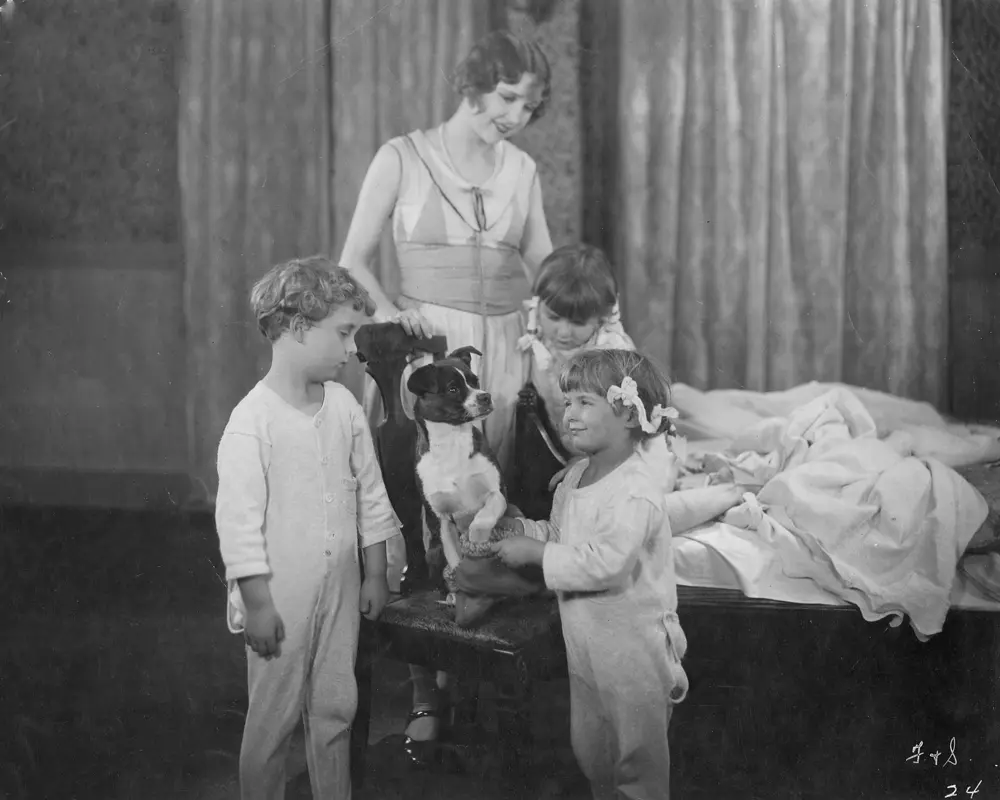
The pacing, a crucial element in silent film, is generally well-handled. Barringer understands the need for dramatic peaks and valleys, interspersing moments of intense action—such as Terry's multiple rescues—with quieter scenes that allow Ann's intelligence to shine. This balance prevents the melodrama from becoming monotonous, maintaining viewer engagement despite the lack of spoken dialogue.
However, there are moments where the narrative feels a little too straightforward, almost like a series of connected vignettes rather than a seamless flow. This is a common characteristic of early cinema, where the novelty of moving pictures often took precedence over intricate plot development. Despite this, Barringer manages to sustain a palpable sense of tension throughout.
The narrative of Fire and Steel, while simple on paper, is executed with a briskness that prevents it from feeling overtly drawn out, a common pitfall of silent melodramas. The film's pacing moves with an almost relentless forward momentum, driven by the recurring need for Terry's heroic interventions and Ann's eventual intellectual triumph.
The thematic resonance, though perhaps not deeply explored, touches upon enduring ideas: the triumph of good over evil, the power of ingenuity, and the dignity of labor. The steel mill isn't just a setting; it's a symbol of both progress and peril, a crucible where character is tested. This simple, clear thematic framework ensures the film remains accessible even to modern viewers who might be unfamiliar with the silent era's narrative conventions.
One could argue that the film's most potent theme is the juxtaposition of brute strength (Terry's rescues) with sharp intellect (Ann's common sense). It subtly suggests that both are essential for navigating the world's challenges, especially in an environment as demanding as a steel mill. This duality offers a refreshing balance, preventing the narrative from becoming solely about muscular heroics.
Comparatively, many films of the era, such as The Grip of Evil, often focused singularly on moralistic tales or pure romance. Fire and Steel, by integrating the industrial backdrop so centrally, manages to infuse its melodrama with a touch of social realism, making it feel more grounded and impactful than some of its contemporaries.
It works. But it’s flawed. The villain's motivations are never deeply explored, making his trickery feel more like a plot device than a nuanced threat. This lack of depth for the antagonist is perhaps the film's biggest missed opportunity, reducing what could have been a complex struggle into a more straightforward good-versus-evil confrontation.
Yes, Fire and Steel is worth watching today, especially for those interested in film history.
It provides a valuable insight into early cinematic techniques and storytelling.
The film's industrial setting is a significant and visually compelling element.
It showcases typical silent film acting and narrative archetypes.
However, it requires an appreciation for the conventions of silent cinema.
Casual viewers might find its pacing and lack of dialogue challenging.
Fire and Steel is more than just a forgotten relic; it’s a robust example of early cinematic storytelling that leverages its unique setting to great effect. While it certainly won't appeal to everyone, its historical significance and its surprisingly potent visual language make it a valuable watch for those willing to engage with the conventions of silent film. It stands as a testament to the ingenuity of filmmakers like Barry Barringer, who, with limited resources, managed to craft engaging narratives amidst the real-world spectacle of industrial America.
For anyone curious about the roots of cinema, or simply looking for a film that offers a different kind of immersion, Fire and Steel is a compelling, if not entirely perfect, experience. It reminds us that even in the silent era, stories of heroism, intellect, and sheer human will could blaze brightly against the backdrop of a world forged in fire.
IMDb 6.2
1920
Community
Log in to comment.