DbcultAccessing Vault...
Cult Review
Senior Film Conservator
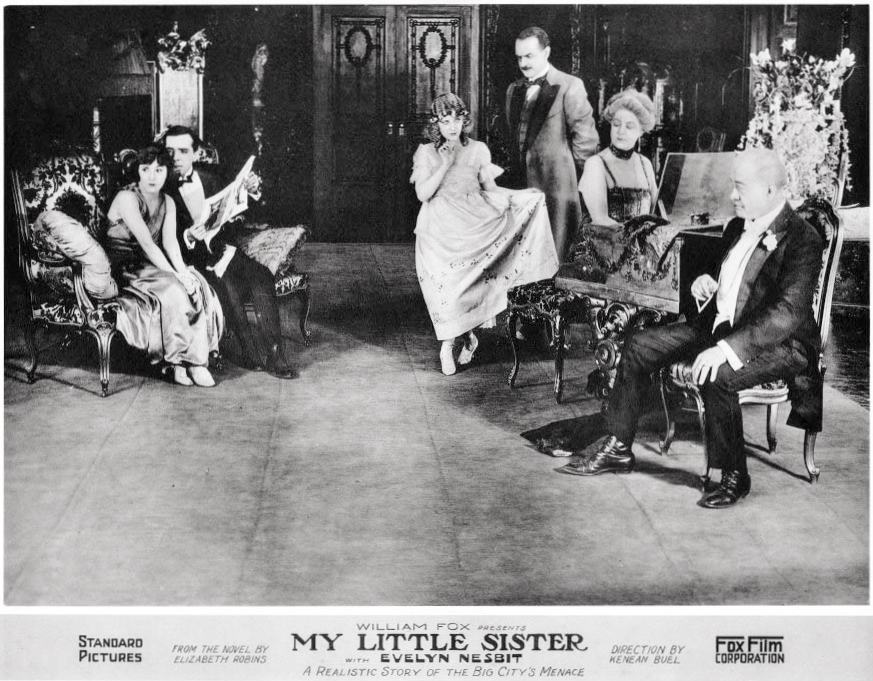
Silent cinema, often dismissed as a relic, possessed an unparalleled ability to communicate profound human drama through gesture, expression, and evocative intertitles. My Little Sister, a 1919 offering from the minds of Elizabeth Robins and Kenean Buel, is a searing testament to this power, a moralistic melodrama that strips bare the insidious dangers lurking beneath the veneer of societal respectability. It's a film that resonates with a timeless urgency, speaking to the vulnerability of the innocent and the fierce, often futile, struggle for justice in a world riddled with predators.
The narrative commences with an almost idyllic simplicity, painting a picture of provincial innocence. Bettina, a young woman brimming with a romanticized vision of the wider world, yearns to escape the quietude of her country home. Her mother, with intentions undoubtedly pure, facilitates this longing, dispatching Bettina and her more grounded, serious-minded elder sister to the bustling metropolis of London. The invitation from their aunt, promising an introduction to 'society,' seems a benign gateway to a more exciting existence. This setup, however, is merely the calm before the storm, a deliberate lulling into a false sense of security that makes the subsequent betrayal all the more shocking. It's a classic narrative device, seen in countless tales of urban temptation, from the plight of the working girl in Shoes (1916) to the moral quandaries explored in The Seventh Sin (1917).
The true architect of the sisters' downfall is not some shadowy figure from the underworld, but rather an ostensibly innocuous character: their dressmaker. This seemingly minor detail underscores the film's chilling message – danger often lurks in the most unexpected, trusted corners. The dressmaker's theft of the aunt's photograph, a seemingly trivial act, becomes the linchpin of a diabolical scheme. This image is then passed to a confederate, a woman who, with chilling precision, assumes the aunt's identity. This impersonation is key, highlighting the ease with which trust can be manipulated and innocence exploited. The subsequent escorting of the unsuspecting sisters to a brothel is a moment of profound horror, a stark portrayal of the 'white slave trade' panic that gripped society during this period.
The elder sister's awakening to their dire predicament is swift and harrowing. Her escape, aided by a 'concerned male companion' – a character whose sudden appearance feels almost divinely ordained in the dramatic exigencies of silent film – ignites the central conflict of the narrative: a desperate, almost Sisyphean quest to rescue Bettina. This sequence is a masterclass in silent film suspense, driven by the elder sister's raw, palpable anguish and frantic determination. Evelyn Nesbit, likely portraying the elder sister, would have brought her unique blend of dramatic flair and personal history to such a role, imbuing it with a genuine sense of urgency and despair. Her own life, famously entangled in scandal and tragedy, would have lent a profound, if unspoken, authenticity to the character's plight.
The ensuing chase through London's labyrinthine streets in a hansom cab is a frantic race against time, yet it's tragically undermined by a confluence of frustrating, almost mundane, obstacles. The elder sister's arrival at her aunt's home is met not with immediate succor, but with the grim reality of her aunt's infirm state. This detail is crucial; it highlights the isolation of the victims and the limitations of even well-meaning allies. Furthermore, the inefficiency of the police, a recurring motif in social problem films of the era, underscores the systemic failures that allowed such exploitation to flourish. The law, ostensibly designed to protect, often moved too slowly, or was simply ill-equipped, against the cunning of organized vice. Her own inability to remember the precise location of the brothel adds another layer of tragic irony, a cruel twist of fate that amplifies her helplessness.
The film becomes a stark commentary on the societal safety nets – or lack thereof – available to vulnerable women. It’s a narrative that echoes the urgency of social reformers of the era, including Elizabeth Robins herself, who was deeply involved in women's suffrage and social purity movements. The struggle of the elder sister is not just personal; it's a microcosm of a broader societal battle.
The narrative takes an even darker turn with the reappearance of the cab driver. His drunken state, followed by a fatal accident, is a brutal, almost nihilistic, blow. It signifies the further erosion of hope, the universe itself conspiring against the elder sister's desperate mission. This sequence, devoid of easy answers or convenient heroism, elevates My Little Sister beyond simple melodrama, imbuing it with a raw, unflinching realism that would have profoundly impacted contemporary audiences. It's a reminder that not all good intentions lead to happy endings, a theme explored with similar gravitas in films like The Craving (1918), which often depicted the harsh consequences of moral failings.
Falling ill, both physically and emotionally shattered, the elder sister endures a profound psychological crisis. It is during this period of vulnerability that she experiences a vivid dream, a chilling premonition of Bettina's death. This dream, a common narrative device in silent film to convey internal states and foreshadow tragedy, acts as a catalyst for a profound transformation. While the actual fate of Bettina is left to the viewer's imagination, the elder sister's conviction of her sister's demise is absolute. This crushing realization, rather than leading to utter despair, becomes the crucible for a new, powerful resolve.
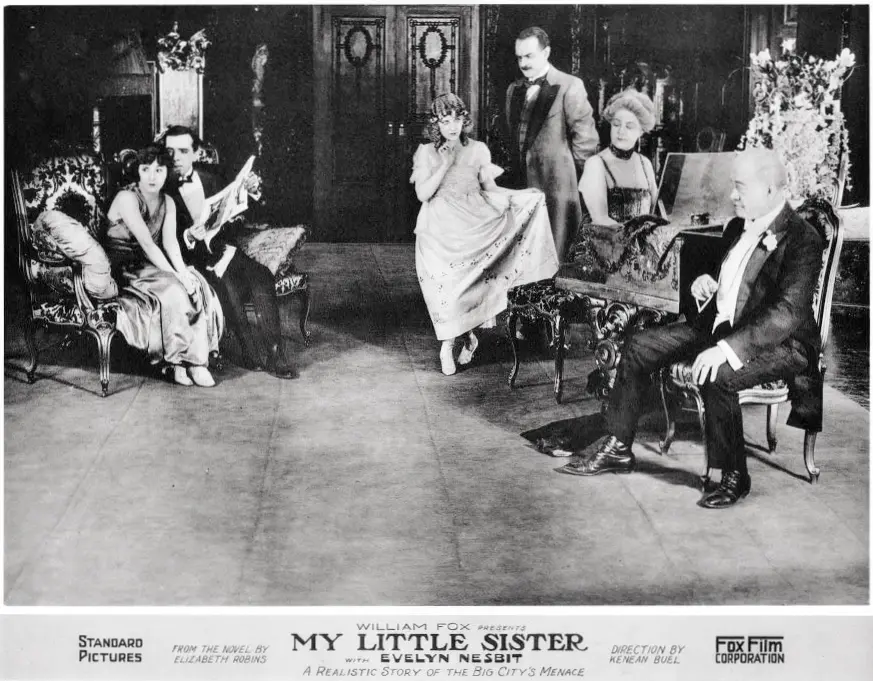
Her decision to devote her life to saving other women is the film's ultimate, redemptive arc. It transforms personal tragedy into a universal mission, a powerful statement of altruism born from profound suffering. This resolution echoes the burgeoning social consciousness of the early 20th century, where women, often spurred by personal experiences or observed injustices, began to actively campaign for social reforms. It’s a powerful message of resilience, turning grief into a driving force for positive change. This theme of personal sacrifice for a greater good can be seen in other films of the era, such as The Legion of Death (1918), which also explored profound dedication to a cause.
The success of My Little Sister hinged heavily on the performances of its cast, particularly the elder sister. In silent cinema, every gesture, every facial expression, was magnified, becoming a conduit for emotion. While specific details of individual performances beyond Evelyn Nesbit's likely central role are scarce, the ensemble, including Herbert Standing, Henry Hallam, and Marie Burke, would have contributed to the film’s dramatic intensity. Their ability to convey terror, despair, determination, and ultimately, a quiet resolve, without the aid of spoken dialogue, is a testament to the unique artistry of the era.
Kenean Buel's direction, typical of the period, would have emphasized clear visual storytelling, dramatic staging, and judicious use of intertitles to guide the audience through the complex emotional landscape. The film's pacing, alternating between moments of quiet foreboding and frenetic action, would have been crucial in maintaining suspense and emotional engagement. The use of lighting, sets, and costumes, while perhaps rudimentary by modern standards, would have been carefully crafted to establish mood and character, from the innocence of the country home to the murky, dangerous streets of London.
The film's strength lies not just in its plot, but in its ability to tap into universal fears and aspirations. The journey of the elder sister from naive protector to hardened advocate is a powerful illustration of character development, a transformation forged in the fires of personal anguish.
The involvement of Elizabeth Robins as one of the writers is particularly significant. Robins was not merely a novelist and actress; she was a fervent suffragist and social reformer, a woman deeply committed to exposing and combating societal injustices. Her influence on the screenplay of My Little Sister is palpable, lending the film an authentic moral core and a sense of urgent advocacy. This wasn't merely entertainment; it was a call to action, a dramatized warning aimed at both potential victims and the broader society that allowed such atrocities to persist.
Her work aligns with a broader movement in early 20th-century cinema, where films were increasingly used as vehicles for social commentary and reform. From the plight of women in Shoes to the exploration of moral decay in The Craving, cinema became a powerful tool for public education and moral instruction. Robins's contribution ensures that My Little Sister transcends mere melodrama, elevating it to a piece of social realism, albeit one filtered through the dramatic conventions of its time.
While My Little Sister may not be as widely known as some of its contemporaries, its themes remain tragically relevant. The exploitation of vulnerable individuals, the predatory nature of certain elements within society, and the systemic failures that often allow such exploitation to continue unchecked are issues that persist. The film serves as a historical document, offering insight into the fears and moral landscape of the early 20th century, particularly concerning the perils faced by young women migrating from rural areas to burgeoning urban centers.
Its narrative structure, which moves from innocence to tragedy and finally to a profound, altruistic resolve, provides a powerful template for stories of resilience and transformation. The elder sister's journey, fraught with despair and frustration, ultimately culminates in a selfless dedication to others, a truly inspiring message that transcends the limitations of its silent format. It reminds us that even in the face of overwhelming personal loss, a new purpose can be forged, turning sorrow into strength and individual pain into a catalyst for collective good. Much like the relentless pursuit of justice in En defensa propia, or the complex moral choices in Red and White Roses, this film leaves an indelible mark by confronting uncomfortable truths head-on. The enduring power of such narratives lies in their ability to provoke thought, stir empathy, and, perhaps most importantly, inspire action long after the projector lamp dims.
IMDb —
1917
Community
Log in to comment.