DbcultAccessing Vault...
Cult Review
Senior Film Conservator
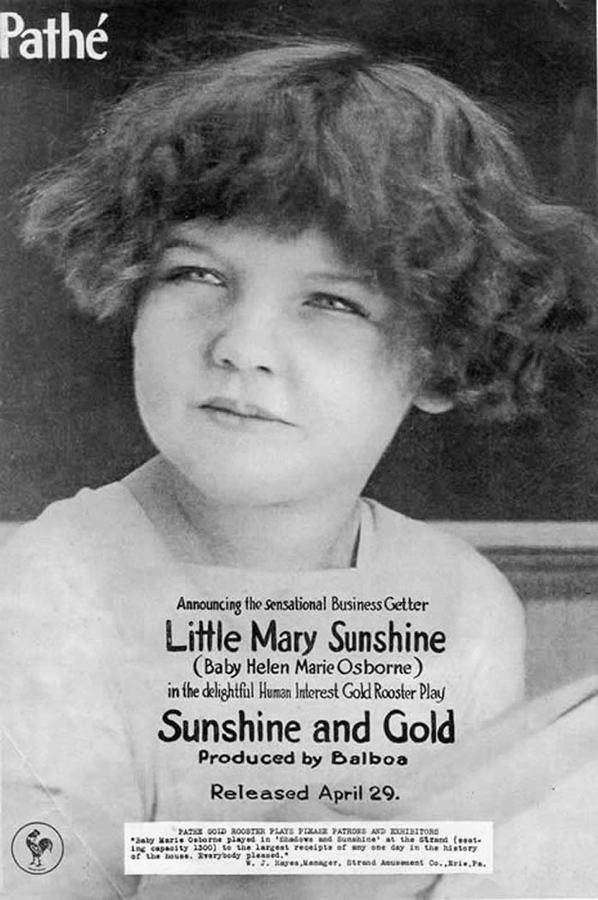
The cinematic tapestry of Sunshine and Gold, a compelling narrative crafted by Will M. Ritchey and Henry King, unfurls with a deceptive simplicity, beginning in the radiant glow of childhood innocence before plunging headlong into an episodic journey fraught with peril and unexpected connections. It is a testament to the storytelling prowess of its era, deftly navigating the emotional spectrum from unbridled joy to palpable tension, all through the lens of a remarkable young protagonist. The film, a product of a time when narrative clarity and emotional resonance were paramount in the absence of spoken dialogue, manages to convey a rich inner world and a complex external reality with remarkable efficiency.
Our introduction to Little Mary is steeped in the delightful artifice of a birthday party, where the world is a stage and every child a performer. The central event, a charming rendition of Cinderella, serves not merely as a quaint plot point but as a profound meta-commentary on Mary's own impending, real-life drama. When she, as Cinderella, 'forgets' to depart at the stroke of midnight and drops her glass slipper, it is a playful echo of the unexpected turns her own fate is about to take. The subsequent 'discovery' by the Prince, where the slipper miraculously fits only Mary, is a beautiful, if fleeting, affirmation of her specialness, her unique place in this theatrical microcosm. Yet, this idyllic scene is but a prelude, a gilded cage of childhood fantasy from which Mary is soon to be unceremoniously ejected. The narrative, with a keen eye for dramatic irony, uses this playful theatricality to underscore the profound shift that awaits her, moving from a world where magic is a given to one where resilience is the only enchantment.
The film’s genius lies in its ability to transition from this light-hearted beginning to the ensuing trials without losing its emotional core. It suggests that the same spirit of imagination and adaptability that allows a child to embrace a fairy tale role will be essential for navigating the harsher realities of the world. This framing device elevates the plot beyond a simple abduction story, imbuing it with a deeper, almost philosophical, exploration of identity and destiny. The performance of Cinderella, therefore, becomes less of a mere event and more of a prophetic dream, a symbolic dress rehearsal for the grand, unpredictable play of Mary's own life, where the stakes are considerably higher than a lost slipper.

The abrupt shift from birthday revelry to harrowing reality is perhaps the film's most striking narrative pivot. The very next day, Mary, still basking in the glow of her starring role, embarks on an innocent auto ride with the chauffeur, a symbol of her privileged, protected existence. This journey, however, quickly morphs into a nightmare, as fate intervenes with a brutal suddenness. Her capture by a band of Gypsies is a visceral shock, tearing her away from the familiar comforts of home and thrusting her into an alien, untamed world. This segment of the film, while perhaps leaning into the tropes of its time regarding nomadic communities, serves primarily to strip Mary of her protective layers, forcing her to confront vulnerability and harness an innate resourcefulness she didn't know she possessed.
The depiction of the Gypsy encampment, culminating in a dramatic 'battle royal' amongst the tribe, is a chaotic spectacle designed to highlight Mary's precarious position and her burgeoning survival instincts. It is amidst this maelstrom of conflict and disorder that Mary finds her opportunity for escape, a testament to her quick thinking and sheer will to survive. This sequence, with its raw energy and sudden danger, might draw a distant thematic parallel to the wild, unpredictable environments depicted in early adventure narratives like The Story of the Kelly Gang, where characters are often forced to navigate dangerous, lawless terrains. While the specific contexts differ vastly, both films explore the human spirit's capacity for resilience when confronted with overwhelming external forces. Mary's escape is not merely a physical act but a psychological transformation, marking her transition from a pampered child to a self-reliant individual, capable of navigating the world's darker corners.
Mary's subsequent refuge in the humble, isolated hut of a 'crabbed old man' introduces another layer of compelling character interaction and thematic depth. This encounter is initially fraught with the tension of two disparate worlds colliding: the innocent, open-hearted child and the hardened, solitary recluse. The old man's 'crabbedness' is a formidable barrier, a wall built from years of self-imposed isolation and bitterness. Yet, it is Mary's unwavering innocence, her 'cute and winning smile,' that proves to be the unexpected catalyst for his transformation. This dynamic, where pure, unadulterated goodness slowly erodes the cynicism of age, is a timeless motif, beautifully rendered here through subtle gestures and expressions, a hallmark of effective silent film acting.

The revelation that this gruff benefactor is, in fact, her grandfather, James Andrews, adds a profound emotional weight to their burgeoning relationship. His self-exile to this 'backwoods place' was a direct consequence of his disapproval of his son, Dr. Andrews', marriage, a classic melodramatic conflict that underscores themes of pride, forgiveness, and the enduring, if sometimes fractured, bonds of family. The film masterfully builds this dramatic irony, allowing the audience to witness the heartwarming connection forming between Mary and her grandfather before unveiling the truth of their kinship. This makes the eventual discovery all the more impactful, transforming a chance encounter into a fated reunion. The narrative here touches upon the complexities of familial estrangement and reconciliation, themes also explored in films like The Last Chapter or even For a Woman's Fair Name, which often delve into the moral dilemmas and societal pressures that tear families apart or bring them back together. In Sunshine and Gold, Mary becomes the unwitting bridge, mending a rift that time and stubbornness had failed to close.
The climax of Mary's extraordinary journey is precipitated by a perilous turn of events involving her grandfather's deeply ingrained miserliness. While Mary is helping the old man, who has fallen while obsessively counting his money in the cellar, the loyal chauffeur, frantic with anxiety, finally locates her. This moment is a potent fusion of relief and renewed danger. The grandfather's fall, a direct consequence of his avarice, serves as a stark reminder of the destructive power of greed, a theme often explored in early cinema, perhaps even echoing the moral lessons found in films like The Might of Gold, where the pursuit or possession of wealth dictates character destinies and moral choices. Here, the gold is not just currency but a literal impediment to their safety, trapping the old man and endangering Mary.
The urgent question, "Would they be able to reach the city in time?" injects a palpable sense of suspense into the narrative. The journey back to civilization is presented as a formidable challenge, a race against the clock that tests the resilience of both Mary and her determined rescuer. The narrative cleverly loops back to Mary's earlier 'starring role' in Cinderella, reminding the audience that she has indeed "known harder work." This seemingly simple line is a powerful rhetorical device, underscoring Mary's incredible journey of growth. She is no longer just the birthday princess; she is a survivor, a catalyst for change, and a symbol of unwavering hope. Her experience, from the whimsical stage to the harsh roads of reality, has forged an inner strength that equips her for any task, no matter how daunting.
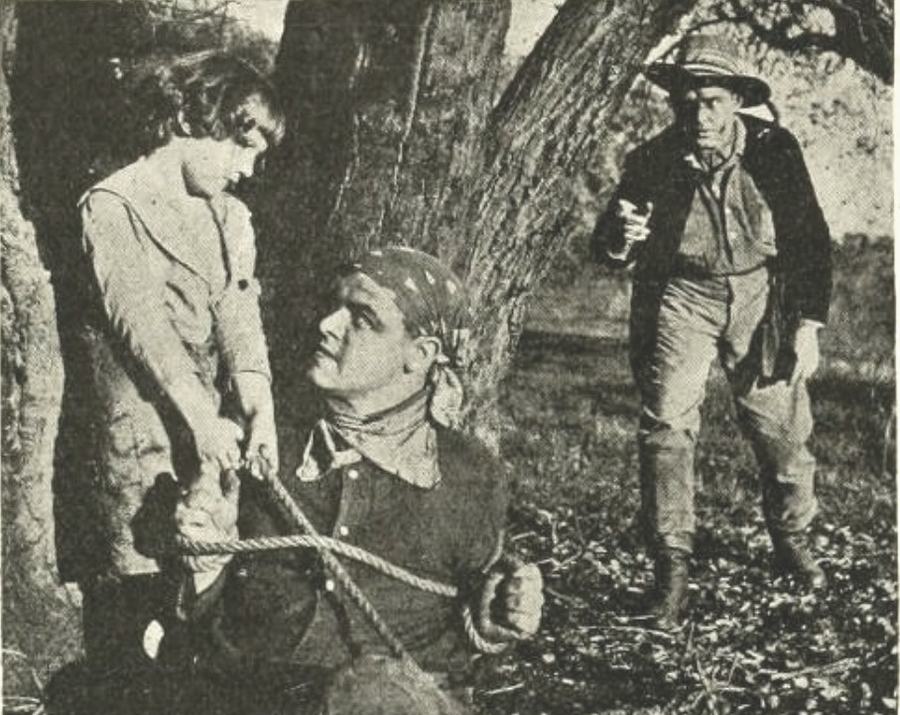
Sunshine and Gold, under the direction and writing contributions of Henry King and Will M. Ritchey, stands as a remarkable example of silent film craftsmanship. The film relies heavily on visual storytelling, using expressive acting, meticulous mise-en-scène, and dynamic pacing to convey complex emotions and intricate plot developments without the aid of dialogue. The performances, particularly that of Marie Osborne as Little Mary, would have been central to the film's success, her youthful charm and evident talent carrying much of the emotional weight. Osborne's ability to transition from wide-eyed innocence to determined resilience would have captivated audiences, making Mary's journey genuinely compelling.
The film's episodic structure, moving from domestic bliss to abduction, then to a secluded refuge, and finally to a climactic race, is a common feature of early cinema, allowing for a broad exploration of themes and character arcs. This approach ensures that the audience remains engaged through a series of dramatic peaks and valleys, each contributing to Mary's growth and the overarching narrative of reconciliation and discovery. The writers skillfully weave together elements of melodrama, adventure, and heartwarming family drama, creating a rich tapestry that speaks to universal human experiences. The film's enduring appeal lies in its ability to transcend its historical context, offering a timeless story of a child's resilience in the face of adversity and the redemptive power of love and connection, proving that sometimes, the greatest treasures are not found in gold, but in the warmth of a reunited family.
In its subtle exploration of human nature, from the depths of avarice to the heights of unwavering loyalty, Sunshine and Gold leaves an indelible mark. It's a reminder that even in the most challenging circumstances, the purity of spirit can illuminate the darkest corners, ultimately leading to a resolution as precious as the 'sunshine and gold' of its title. The film, in its quiet power, continues to resonate, not just as a historical artifact, but as a vibrant testament to the enduring magic of storytelling.

IMDb 6.4
1936
Community
Log in to comment.