DbcultAccessing Vault...
6.3/10
Senior Film Conservator
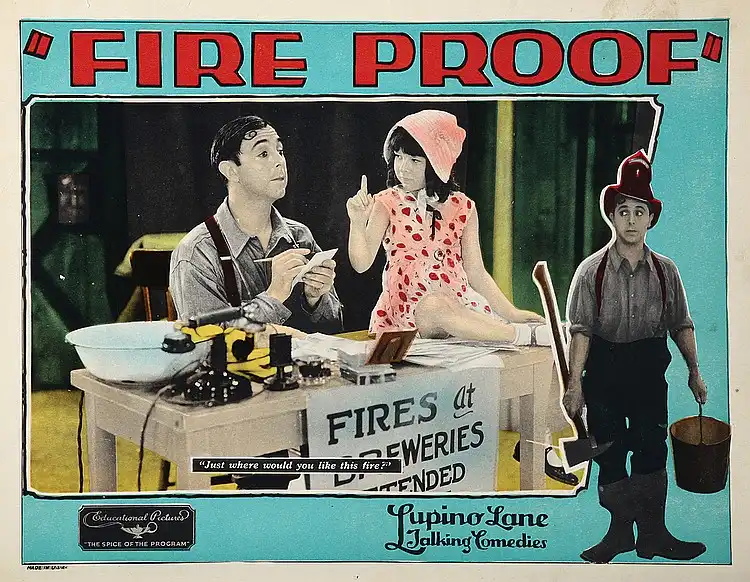
A definitive 6.3/10 rating for a film that redefined the boundaries of cult cinema. Fire Proof remains a cornerstone of transgressive art.
"Fire Proof" from 1925? Yeah, if you're into silent films, or just want to see something from way back when people were still figuring out how movies worked, then maybe. It’s definitely not for anyone looking for fast pacing or dialogue, obviously. But if you appreciate the craft and the dramatic gestures of early cinema, there’s a quiet charm here, even if it feels a little quaint now. 🤔
Okay, "Fire Proof." First off, it’s 1925. So, no talking, lots of dramatic looks. If that’s not your bag, fair enough, move on. But for those who don’t mind a trip to the past, there's some interesting stuff going on here.
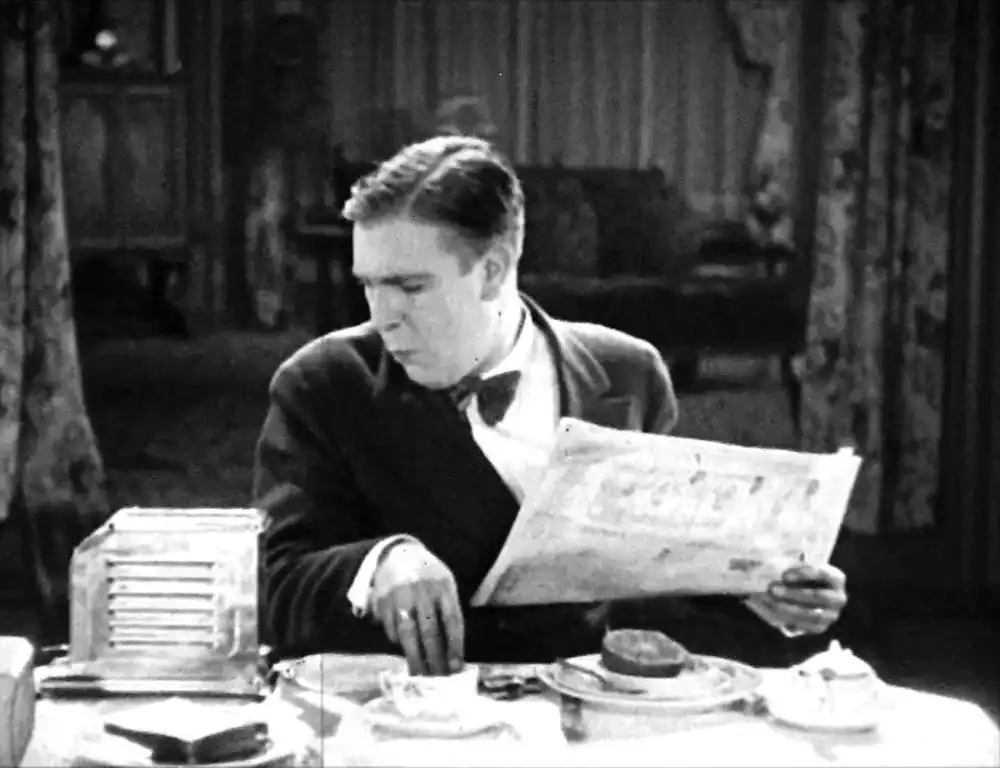
Wallace Lupino plays Arthur, our earnest inventor. You can just feel his drive, even through the flickering black and white. His big, wide eyes convey so much without a single word, especially when he’s hunched over some weird contraption in his workshop.
There's this one scene, pretty early on, where Arthur is showing off his "fireproof" material. He holds it over a candle, and it starts to smoke a bit. He stares at it, and the camera lingers, you can practically hear the tick-tock of his internal disappointment. Then he just sighs, a big, visible sigh, and throws it aside. That gesture, it just landed.
Betty Caldwell as Lillian, she’s got a tough role. She's the center of affection for Arthur and his rival, the sneering Mr. Silas (Lupino Lane). Caldwell does this thing with her hands, always clutching them or pressing them to her chest. It’s very period-appropriate, sure, but it also makes you wonder what she’s really thinking.
Speaking of Silas, Lupino Lane is just wonderfully villainous. Every time he appears, he’s either smirking or adjusting his tie in a way that just screams "bad news." There's a moment where he corners Lillian, and he doesn’t even need a title card to tell you he's proposing something awful. His body language is so clearly predatory. It’s a bit much, maybe, but it works for the grand scale of silent melodrama.
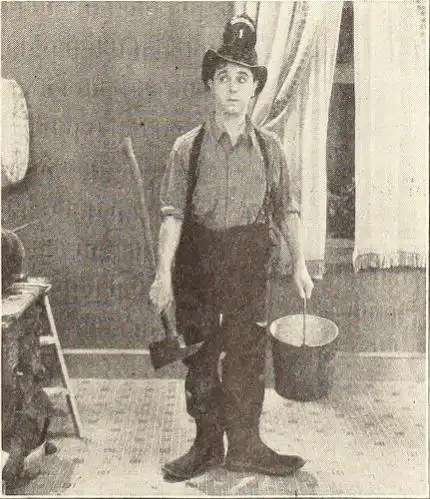
The "fire proof" aspect, the literal one, gets a little lost sometimes. It feels more like a backdrop for the romance, which is fine. The actual fire sequences, when they do happen, are pretty simple, almost quaint by today's standards. But again, it’s 1925. You gotta cut 'em some slack for the special effects. They're trying their best!
What struck me was the pacing in the middle section. There are these long stretches where Arthur is just thinking. Like, five minutes of him pacing, or staring out a window, or looking at a photo of Lillian. It’s meant to convey deep thought, I guess. But you start to feel like, "Okay, buddy, get on with it." It definitely tests your patience a little. It doesn't drag, exactly, but it just... rests a lot.
Lorraine Rivero, as Lillian’s friend, she has a tiny part but makes it count. There’s a scene where she gives Lillian this look, a real knowing glance, after Silas has left. It’s a flash, maybe two seconds, but it tells you everything about their shared understanding of the situation without a single intertitle. It’s a good example of how expressive these actors could be with just their faces.
The ending, it wraps things up a little too neatly, perhaps. But then, it’s a silent film. You want your happy resolutions, right? Arthur finally proves his invention, and his love, is truly "fire proof." The final shot of him and Lillian, silhouetted against a rising sun, felt earned, despite some of the earlier melodrama. It’s not revolutionary, but it's sweet. ✨
This film, it’s a snapshot. A window into how stories were told nearly a hundred years ago. It’s a slow burn, yes, but not without its moments of real, raw emotion. If you've got an afternoon, and a soft spot for the past, give it a shot. You might be surprised by how much these silent performances still resonate.
IMDb 6.3
1933
Community
Log in to comment.