DbcultAccessing Vault...
3.6/10
Senior Film Conservator
A definitive 3.6/10 rating for a film that redefined the boundaries of cult cinema. The Fatal Wedding remains a cornerstone of transgressive art.
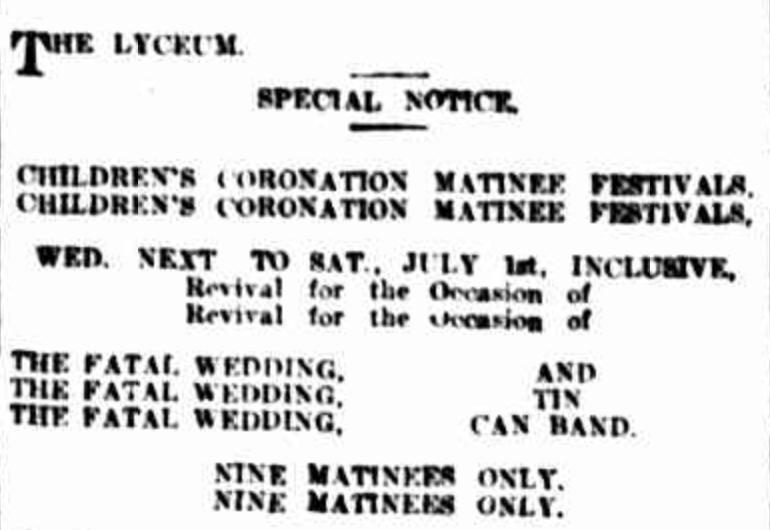
In the grand, often experimental, tapestry of early cinema, certain films emerge not just as historical artifacts but as compelling narratives that dared to push the boundaries of storytelling. Among these, 'The Fatal Wedding' stands as a poignant, if often overlooked, testament to the nascent power of melodrama on screen. Released in an era when cinema was rapidly evolving from mere curiosity to a formidable art form, this film, penned by Raymond Longford and Theodore Kremer, and featuring talents like Tom Cosgrove, Harry Saville, and Walter Vincent alongside Longford himself, offers a fascinating glimpse into the dramatic sensibilities of the early 20th century. It’s a work that, despite the limitations of its time, strives for emotional depth and narrative complexity, inviting us to peer through the sepia-toned lens into a world where love, ambition, and betrayal intertwine with devastating consequences.
At its core, 'The Fatal Wedding' is a quintessential melodrama, a genre that thrived on heightened emotions, moral dilemmas, and dramatic reversals of fortune. The narrative centers on Eliza, a character emblematic of the innocent, hopeful young woman often found at the heart of such tales. Her impending marriage to Julian, a man whose outward charm and considerable wealth promise a life of comfort and social standing, forms the initial premise. However, the film quickly establishes an undercurrent of disquiet, hinting at the treacherous depths beneath Julian's polished facade. We are drawn into a world where appearances are deceiving, and the pursuit of status can lead to the darkest of deeds.
The genius of early melodramas like this lies in their ability to build suspense through implication rather than explicit exposition. The whispers of Julian's past, vague yet potent, create an atmosphere of impending doom. Was there a previous marriage, hastily and cruelly discarded? Was a life extinguished to pave the way for this new, more advantageous union? These questions linger, painting Julian as a figure of enigmatic moral ambiguity. This narrative strategy, relying on the audience's imagination to fill in the gaps, often made these films more impactful, allowing the viewer to participate in the construction of the villain’s depravity. It’s a stark contrast to the straightforward, often simplistic narratives of many contemporary actualities like The Corbett-Fitzsimmons Fight or Saída dos Operários do Arsenal da Marinha, which aimed to document reality rather than craft intricate fictional worlds.
The emergence of a mysterious figure, driven by either a quest for justice or a burning desire for retribution, propels the story towards its inevitable, catastrophic climax. This character, a shadowy presence lurking in the periphery, represents the inescapable consequences of Julian’s past transgressions. Their appearance on the eve of the wedding, or perhaps even at the very threshold of the ceremony, ratchets up the tension to an almost unbearable degree. The film expertly manipulates audience expectations, making us dread the moment when Julian’s carefully constructed world will crumble. This tension is a hallmark of effective early narrative cinema, demonstrating a nascent understanding of how to engage and manipulate the viewer's emotional state. Unlike the more episodic religious dramas such as Life and Passion of Christ or S. Lubin's Passion Play, which often followed well-known biblical narratives, 'The Fatal Wedding' had to forge its own path of dramatic revelation.
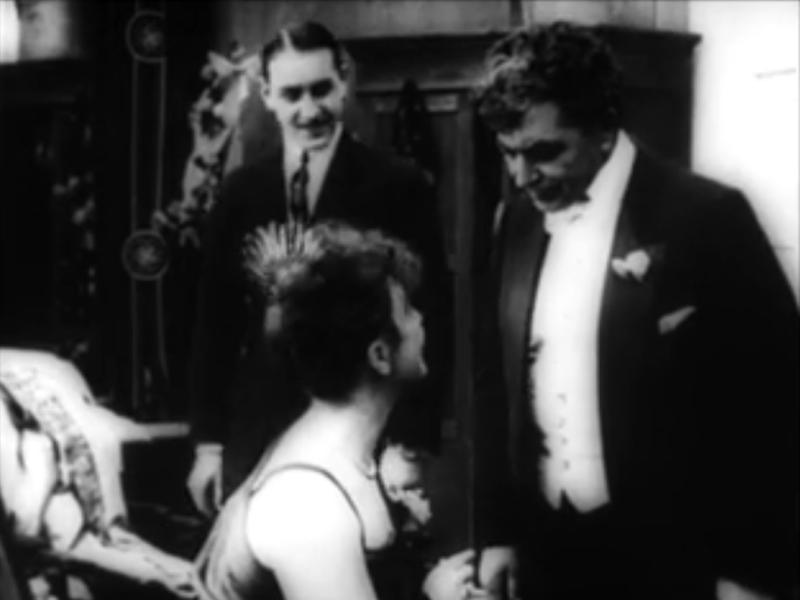
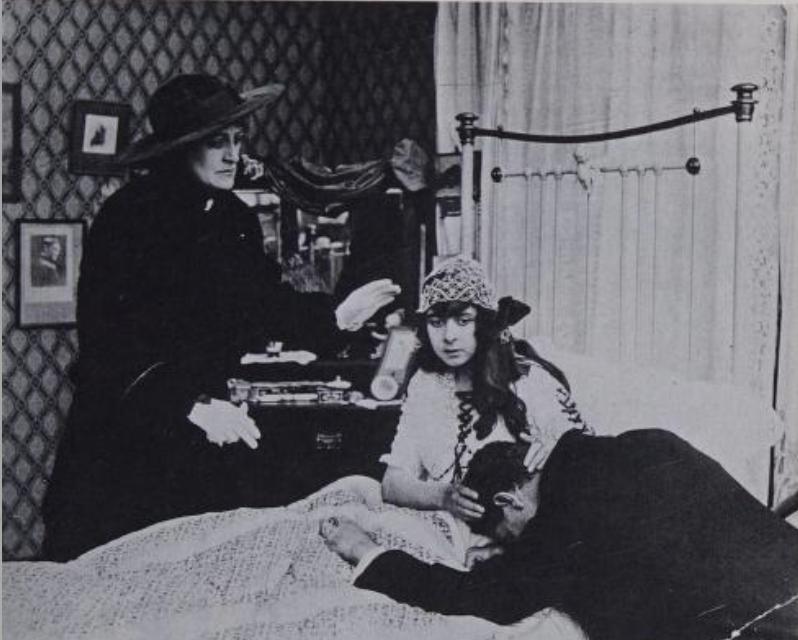
In an era devoid of synchronized sound, the burden of conveying emotion and character fell squarely on the shoulders of the actors. Their performances were a symphony of exaggerated gestures, expressive facial contortions, and deliberate body language. Tom Cosgrove, likely portraying Julian, would have had to embody the dual nature of his character – the charming suitor and the ruthless manipulator – with distinct visual cues. His posture, his gaze, the way he would hold Eliza’s hand versus how he might clench his fist in a moment of private frustration, would all contribute to the audience’s understanding of his moral compass. The subtle shifts in his demeanor would have been crucial in telegraphing the character's internal conflict and eventual downfall.
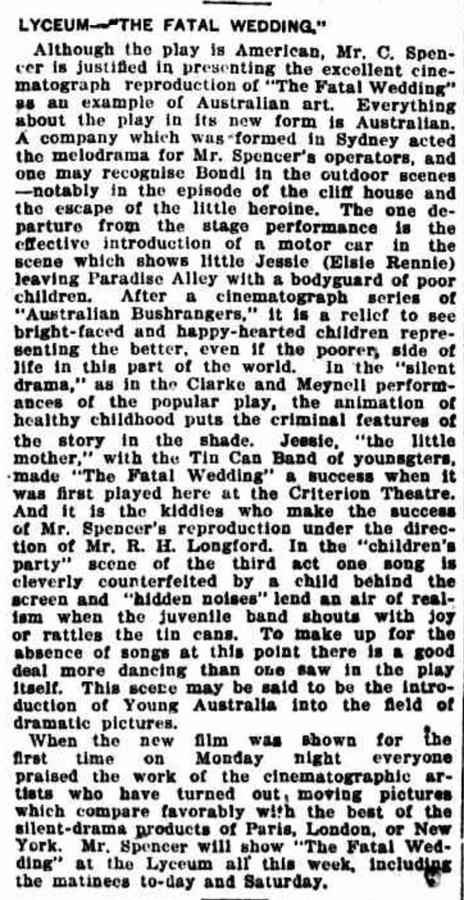
Raymond Longford, who also contributed to the writing, likely took on a pivotal role, perhaps as the avenging figure or Eliza’s true, unacknowledged love. His portrayal would have required a stark contrast to Cosgrove's Julian, embodying righteousness, despair, or vengeful determination. The interplay between these lead actors, their physical reactions to each other's presence, would have been the primary vehicle for storytelling. Harry Saville and Walter Vincent, in supporting roles, would have contributed to the ensemble, each tasked with delineating their characters’ motivations and reactions with clarity and impact. Early film acting, often criticized for its theatricality by modern standards, was in fact a highly specialized craft, demanding a nuanced understanding of visual communication. It’s a style that, when observed with historical empathy, reveals a profound artistry in its ability to captivate audiences without a single spoken word. This differs greatly from the more documentary-style portrayals seen in films like Jeffries-Sharkey Contest, where the 'performances' were authentic actions, not dramatic interpretations.
The climactic confrontation at the altar, the film's undeniable emotional zenith, would have demanded the utmost from the cast. The shock, the betrayal, the horror, and the ultimate despair would have had to register with visceral intensity. Imagine Eliza's wide-eyed realization of Julian's deception, the fury of the accuser, and Julian's final, desperate moments – all conveyed through a ballet of silent anguish and dramatic movement. This scene would have been designed to elicit gasps, tears, and a profound sense of catharsis from the audience, fulfilling the very purpose of melodrama. The ability of these actors to command such powerful reactions without dialogue speaks volumes about their skill and the emerging sophistication of cinematic performance.
While specific directorial credits for such early films can be nebulous, Raymond Longford's involvement as a writer suggests a significant hand in the film's overall vision. The direction of 'The Fatal Wedding' would have been characterized by a burgeoning understanding of cinematic grammar. Unlike the single-shot, static camera films of the very earliest days, this film would likely employ a series of tableaux, carefully staged to maximize dramatic effect. The camera, while perhaps still largely stationary, would be positioned to capture the full scope of the action, allowing the audience to observe the intricate interplay of characters. The use of close-ups, though still rare, might have been deployed sparingly for moments of intense emotional revelation, focusing on a character's face to amplify their inner turmoil.
The staging of scenes, particularly the wedding sequence, would have been meticulously planned. The grand setting of the church, the ceremonial procession, and the sudden intrusion of chaos would have been orchestrated to create a visual spectacle. Lighting, though rudimentary by today's standards, would have been utilized to create mood – perhaps brighter, more hopeful lighting for the initial wedding scenes, gradually giving way to darker, more shadowed tones as the truth unravels. The editing, while not as dynamic as later innovations, would have served to link these dramatic tableaux, building a coherent, if still somewhat theatrical, narrative flow. This progression from simple documentation to complex storytelling is a key evolutionary step, distinguishing films like 'The Fatal Wedding' from earlier, less ambitious works.
Comparing 'The Fatal Wedding' to other narrative films of its period, one might consider the dramatic structure of The Story of the Kelly Gang, an Australian contemporary, which also explored themes of crime and consequence, albeit in a different genre. Both films, in their own ways, sought to engage audiences with compelling human drama. The choice of setting, the costumes, and the props would have been carefully selected to enhance the film's realism and atmospheric quality, drawing the viewer deeper into its world of heightened reality. The ambition to tell a story of such emotional complexity, using the nascent tools of cinema, is what makes 'The Fatal Wedding' a compelling subject for study, reflecting the burgeoning artistry of filmmakers in carving out a unique visual language.
Beyond its surface-level drama, 'The Fatal Wedding' delves into timeless themes that resonate even today. The corrupting influence of ambition is paramount, personified by Julian, who seemingly sacrifices morality for social advancement. His journey from charismatic suitor to revealed villain serves as a cautionary tale, a common trope in melodramas designed to impart moral lessons to their audiences. The film subtly critiques societal values that prioritize wealth and status over integrity and genuine affection. Eliza’s initial attraction to Julian’s allure, and her subsequent disillusionment, highlight the dangers of superficiality and the importance of discerning true character.
The concept of fate, or perhaps inescapable consequence, also looms large. The arrival of the avenging figure suggests that past misdeeds, no matter how deeply buried, will inevitably surface. This idea of poetic justice, where the wicked are punished and virtue is, if not always rewarded, at least vindicated, was a powerful draw for early cinema audiences. It offered a sense of moral order in a rapidly changing world. The 'fatal' aspect of the wedding isn't just about a physical death; it's about the death of innocence, the demise of a dream, and the shattering of societal illusions. This thematic depth elevates 'The Fatal Wedding' beyond mere entertainment, positioning it as a commentary on human nature and the societal pressures of its time.
Comparisons can be drawn to other melodramas of the era, such as Why Girls Leave Home or The Wayward Daughter, which similarly explored moral quandaries and the repercussions of choices made under duress or temptation. These films collectively formed a genre that served as both entertainment and a form of social discourse, reflecting and shaping public anxieties and moral codes. The portrayal of women, often as vulnerable figures caught in the machinations of powerful men, also speaks to the gender dynamics prevalent in early 20th-century society. Eliza's journey, from hopeful bride to tragic witness, encapsulates the precarious position of women in a patriarchal world, where their destinies were often dictated by the actions of men.
'The Fatal Wedding' is more than just a story; it's a valuable document of cinematic evolution. It represents a crucial step away from the simple 'actualities' and staged vaudeville acts that dominated the very early days of film. While films like Professor Billy Opperman's Swimming School or 69th Regiment Passing in Review offered glimpses of real-world events or staged actions, 'The Fatal Wedding' aimed for something more ambitious: a fully realized fictional world with complex characters and a compelling, albeit tragic, plot. The film, through its dramatic narrative and emotional intensity, helped to establish the viability of film as a medium for sophisticated storytelling, paving the way for the more intricate narratives that would define the golden age of Hollywood.
The collaboration between writers Raymond Longford and Theodore Kremer is also noteworthy. Kremer, a prolific playwright, brought a theatrical sensibility to the screen, while Longford, a pioneering Australian filmmaker, was instrumental in translating that theatricality into a cinematic language. This cross-pollination of stage and screen talent was common in early cinema and was vital in developing the narrative conventions that we now take for granted. The film’s enduring legacy, even if it is primarily as a historical touchstone, lies in its contribution to this foundational period. It reminds us that even in cinema’s infancy, filmmakers were grappling with profound human themes and striving to create immersive, emotionally resonant experiences for their audiences. The audacity of its creators to tackle such weighty subject matter with the limited technology available speaks volumes about their vision and dedication to the emerging art form.
In an era that also saw the rise of epic historical dramas like Defense of Sevastopol or literary adaptations like Hamlet, 'The Fatal Wedding' carved out its niche by focusing on the intimate, yet universally understood, dramas of human relationships and moral failings. It stands as a powerful reminder of how early filmmakers, with remarkable ingenuity, laid the groundwork for the cinematic language we understand today, proving that a compelling story, even without spoken words, could move and captivate audiences across the globe. Its existence challenges us to look beyond mere technical prowess and appreciate the foundational artistry that defined cinema's formative years.
'The Fatal Wedding' may not possess the sprawling scope of later epics or the sophisticated techniques of modern filmmaking, but its power lies in its raw, unfiltered emotionality and its pioneering spirit. It is a film that, through its dramatic narrative and compelling performances, speaks volumes about the human condition – the allure of ambition, the pain of betrayal, and the inexorable march of fate. For enthusiasts of early cinema and students of film history, it offers an invaluable window into the storytelling conventions and aesthetic sensibilities of a bygone era. It reminds us that long before blockbusters and special effects, there was the simple, profound power of a story well told, capable of eliciting gasps and tears from an enraptured audience. This film, in its quiet yet impactful way, helped to define what cinema could be: a mirror reflecting our deepest desires and darkest fears, forever altering the landscape of popular entertainment and artistic expression.
IMDb 7
1915
Community
Log in to comment.