DbcultAccessing Vault...
6.4/10
Senior Film Conservator
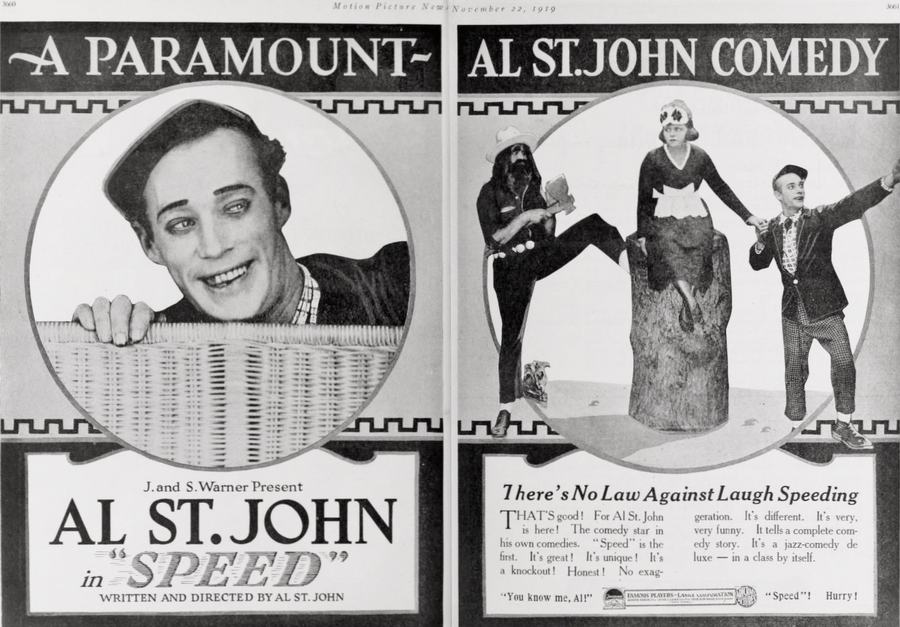
A definitive 6.4/10 rating for a film that redefined the boundaries of cult cinema. Speed remains a cornerstone of transgressive art.
In the grand tapestry of early cinema, where the flicker of celluloid first began to capture the kinetic energy of a rapidly modernizing world, there exists a particular charm in films that, like a well-tuned engine, hum with an understated yet powerful purpose. Al St. John's 1922 feature, simply titled 'Speed,' is precisely one such relic. Far from the bombastic, effects-laden spectacle one might associate with its contemporary namesake, this silent-era gem offers a nuanced, often uproarious, exploration of ambition, class divides, and the intoxicating allure of the automobile during a decade defined by its embrace of velocity. It’s a compelling snapshot of an era, delivered with the inimitable physical comedy and earnest pathos that characterized its lead star.
Al St. John, a prolific figure in silent comedy, steps into the role of our protagonist with a masterful blend of slapstick agility and an almost disarming sincerity. His character, a humble garage mechanic, embodies the quintessential 'everyman' – a figure relatable to audiences then and now, burdened by societal expectations yet fueled by an audacious dream. St. John's physical comedic style, honed through years of collaboration with legends like Roscoe 'Fatty' Arbuckle and Buster Keaton, is on full display here. He doesn't merely perform gags; he lives them, contorting his body into improbable shapes, executing daring stunts with a graceful clumsiness that belies his skill. His performance transcends mere pantomime, conveying a rich internal life through exaggerated expressions and nuanced body language, a testament to the power of silent acting. The audience feels his frustrations, his small triumphs, and his burning desire to prove himself, not just as a mechanic, but as a formidable presence on the racetrack. His portrayal resonates with a universal longing for recognition, making his character's journey far more than a simple comedic romp.
The narrative thrust of 'Speed' is remarkably efficient, propelling its protagonist from the mundane drudgery of the garage floor to the exhilarating, high-stakes environment of professional auto racing. The plot, while adhering to certain genre conventions of the era, avoids simplistic resolutions, instead weaving a tapestry of challenges that test the hero's resilience. From early setbacks involving sabotaged vehicles and financial woes, to the romantic entanglements that inevitably complicate his aspirations, the film consistently raises the stakes. The antagonist, often a caricature of wealth and arrogance, serves as a potent foil, representing the entrenched power structures that seek to keep the working-class hero in his 'proper' place. This class struggle, subtly yet effectively portrayed, adds a layer of social commentary, elevating 'Speed' beyond a mere action-comedy. It mirrors the anxieties and aspirations of a society grappling with rapid industrialization and shifting social dynamics, where the automobile symbolized both freedom and a new frontier for competitive spirit.
For a film produced in 1922, 'Speed' demonstrates a surprisingly sophisticated command of cinematic language, particularly in its depiction of automotive action. The camera work, while perhaps not as revolutionary as that seen in some of Keaton's or Chaplin's masterpieces, is effective in conveying velocity and the inherent danger of racing. Close-ups emphasize the intensity on the drivers' faces, while wide shots capture the dynamism of multiple vehicles vying for position on dusty tracks. The editing, crucial for maintaining pace in a silent film, is sharp and purposeful, building suspense during pivotal race sequences. Intertitles are employed judiciously, providing necessary exposition without bogging down the visual flow. One can observe the nascent development of techniques that would later become staples of action cinema, utilizing practical effects and clever staging to simulate crashes and near-misses with a visceral impact. It’s a testament to the ingenuity of early filmmakers who, without the luxury of sound, had to rely entirely on visual storytelling to create compelling spectacles. The film manages to make the audience feel the thrill of the race, the roar of engines (imagined, of course), and the sheer exhilaration of mechanical prowess, all through meticulously crafted imagery and the rhythmic cadence of the cuts.
'Speed' is more than just a character study or a comedic adventure; it is a cultural artifact, deeply embedded in the zeitgeist of the 1920s. The decade was marked by an unprecedented fascination with speed, technology, and the automobile. Cars were no longer mere conveyances but symbols of freedom, status, and the boundless possibilities of modernity. This film taps directly into that collective consciousness, celebrating the daring spirit of the race car driver and the mechanical prowess that made such feats possible. The gleaming machines, the dust clouds kicked up by their tires, the sheer audacity of pushing man and machine to their limits – these elements resonated deeply with an audience eager for excitement and innovation. The film's title itself is a direct nod to this societal obsession, encapsulating the very essence of the era's forward momentum. It captures a moment when the world was literally speeding up, and cinema was there to document and celebrate every exhilarating turn.
While Al St. John undeniably carries the film with his charismatic performance, the supporting cast, including Steve Murphy and Ingram B. Pickett, contribute significantly to the film's overall texture. Murphy often plays the straight man or the slightly exasperated authority figure, providing a grounded counterpoint to St. John's more outlandish antics. Pickett, likely cast as a villain or a comedic foil, rounds out the ensemble, adding layers of conflict or additional humor. Even in silent films, where character development for secondary roles could be minimal, these actors played crucial parts in establishing the narrative's stakes and providing reactions that guided the audience's emotional responses. Their interactions with St. John often serve to highlight his character's ingenuity or his underdog status, reinforcing the central themes of the film. The dynamic between the protagonist and his detractors, or his allies, is what truly fleshes out the world of 'Speed,' making it feel less like a series of gags and more like a lived-in reality.
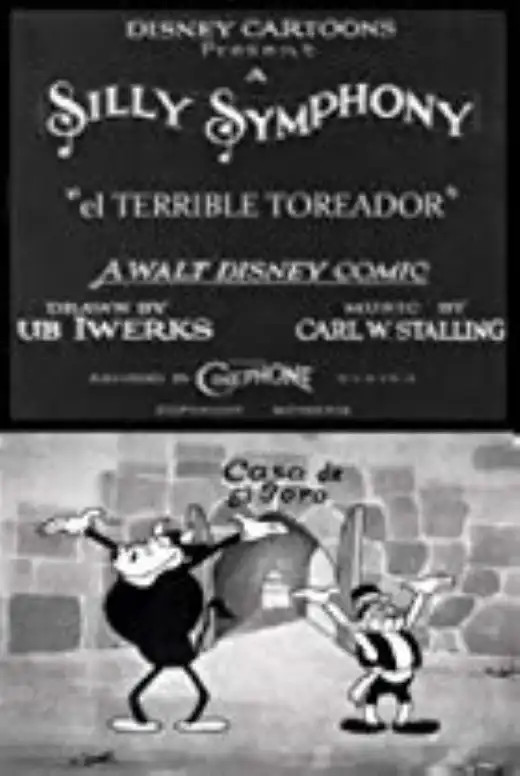
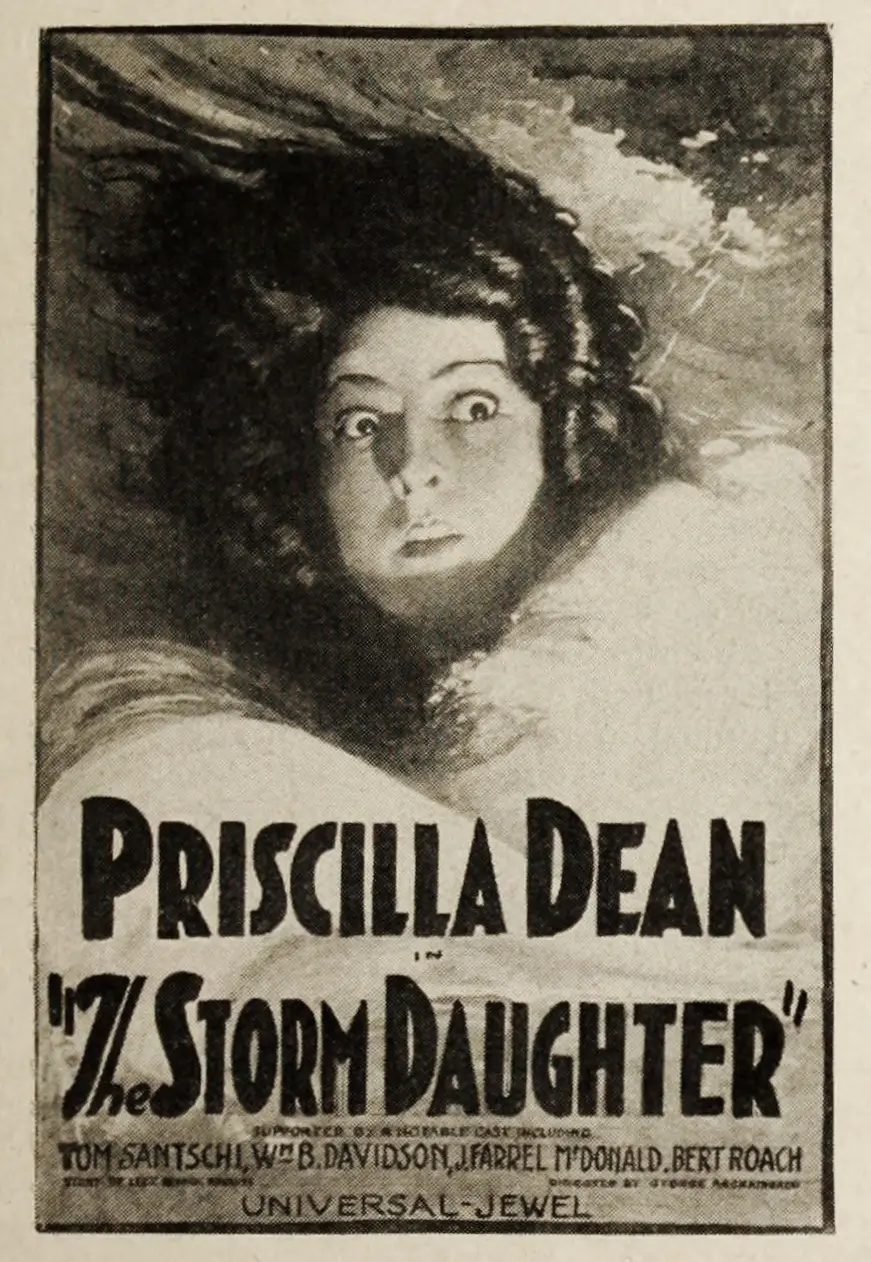
Placing 'Speed' within the broader landscape of early 20th-century cinema reveals fascinating parallels and divergences. The film's central theme of an underdog striving for success against societal odds can be seen echoed in dramas such as The Lure of Millions (1914) or even the more overtly class-conscious narratives like The Upper Crust (1917), albeit 'Speed' infuses this struggle with a distinctly comedic and action-oriented flair. The protagonist’s journey of self-discovery and proving his worth, often through arduous trials, resonates with the foundational narratives found in films like Was He a Coward? (1911) or the German production Leben heisst kämpfen (1912), both of which explore the human spirit's capacity for resilience. While 'Speed' is lighthearted, its core message about overcoming adversity through sheer will is a universal one, much like the battles fought in Battling Jane (1918), where a strong female lead confronts her own set of challenges. The melodramatic elements, such as a villain's schemes or a love interest in peril, were common tropes, seen in films like The Evil Women Do (1915) or The Sacrifice of Pauline (1918), but 'Speed' uses them as springboards for vehicular mayhem rather than purely emotional torment. Even the concept of a 'pretender' or someone acting outside their perceived station, a theme possibly touched upon in The Pretender (1918), finds a comedic manifestation in St. John's character, who, despite his humble origins, seeks to conquer an elite sport. These comparisons highlight how 'Speed' borrowed from established narrative structures while injecting its unique brand of physical comedy and a burgeoning fascination with automotive culture, carving out its own niche in the burgeoning world of cinema.
Though perhaps overshadowed by the more widely celebrated works of his contemporaries, Al St. John's 'Speed' remains a vibrant testament to the ingenuity and sheer entertainment value of silent cinema. It's a film that, despite its age, still manages to elicit chuckles and gasps, proving the timeless appeal of well-executed physical comedy and a compelling underdog story. Its depiction of early automotive racing offers a captivating glimpse into a bygone era, while its thematic undercurrents of ambition and perseverance continue to resonate. For cinephiles and casual viewers alike, rediscovering 'Speed' is akin to unearthing a finely crafted vintage automobile – a machine built with passion and precision, capable of delivering an exhilarating ride even a century later. It’s a reminder that true cinematic 'speed' isn't just about the velocity of the plot, but the enduring momentum of its spirit and the lasting impression it leaves on the viewer.
In an age where films often vie for attention with deafening soundscapes and dizzying visual effects, 'Speed' offers a refreshing counterpoint, a narrative driven by pure visual storytelling and the magnetic presence of its star. It stands as a charming, if often overlooked, entry in the annals of comedic and action cinema, deserving of a renewed appreciation for its historical significance and its enduring ability to entertain. It’s a film that proves the adage: sometimes, less truly is more, especially when that 'less' is executed with such heartfelt precision and comedic flair. The film doesn't just entertain; it transports, offering a window into a world where the thrill of the race was as much about human aspiration as it was about horsepower.
IMDb —
1922
Community
Log in to comment.