DbcultAccessing Vault...
4.9/10
Senior Film Conservator
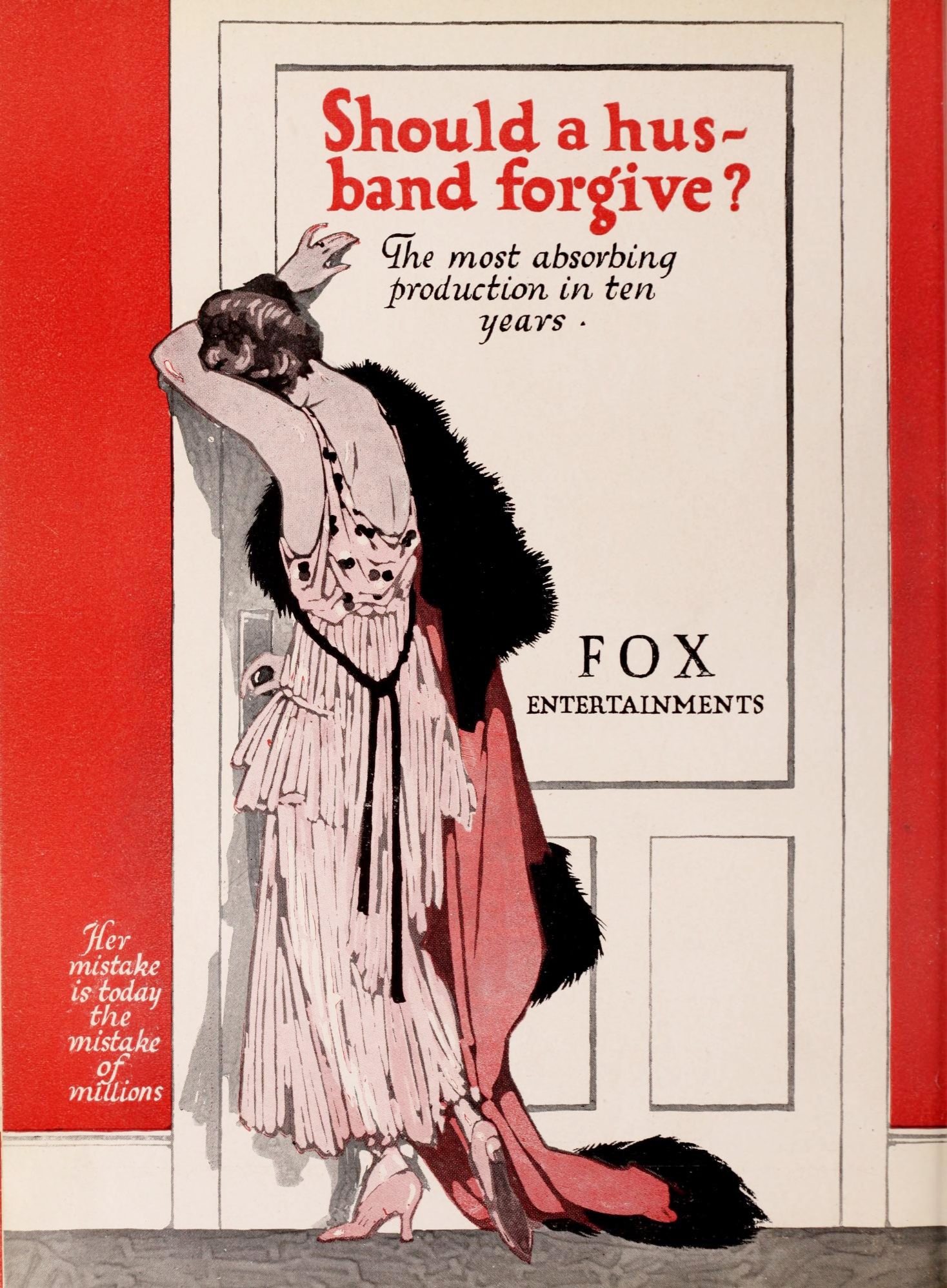
A definitive 4.9/10 rating for a film that redefined the boundaries of cult cinema. Should a Husband Forgive? remains a cornerstone of transgressive art.
The tapestry of silent cinema often wove narratives of grand melodrama, moral quandaries, and the enduring human struggle against societal strictures. Among these, Raoul Walsh’s 1919 offering, Should a Husband Forgive?, stands as a poignant exemplar, a film that delves deep into the punitive consequences of transgression and the arduous path toward atonement. It’s a work that, even a century later, resonates with a raw emotionality, challenging viewers to ponder the very nature of forgiveness, not just from a spouse, but from society, from family, and ultimately, from oneself. The film, a stark reflection of its era's rigid moral code, presents a world where a single misstep can cascade into a lifetime of sorrow and separation, a theme powerfully explored in contemporary dramas like The Climbers, though with different societal pressures.
The narrative commences with a devastating revelation: Mary Carroll’s indiscretion. In an age where a woman’s honor was inextricably linked to her fidelity, and a man’s to his perceived ability to defend it, the discovery of an affair was not merely a private heartbreak but a public scandal. The husband, driven by a code of honor now largely relegated to historical texts, challenges Mary's former lover to a duel. This fatal confrontation, resulting in the husband's death, is the seismic event that shatters Mary’s world. It’s a moment of profound consequence, not just for the immediate tragedy but for the enduring repercussions that ripple through her life. This isn't just a loss of a spouse; it's an obliteration of her social standing, her family ties, and, most cruelly, her connection to her young son, John Carroll, Jr. The wealthy Carroll family, embodying the era’s unforgiving judgment, casts her out, effectively erasing her from their lineage and, more significantly, from her child’s life. This immediate and severe ostracization paints a vivid picture of the harsh societal penalties levied against women who transgressed established norms, a fate that, while melodramatic, echoes the silent suffering seen in films like Less Than the Dust, which also explores a woman's struggle against overwhelming odds.
Years unfurl, carrying the weight of Mary’s exile and John Jr.’s unwitting orphanhood. The story then pivots to the burgeoning romance between the adult John Jr. and Ruth Fulton, a young woman whose life, though seemingly simpler, is equally susceptible to the capricious whims of fate. Ruth, the daughter of Rex Burleigh’s horse trainer, initially appears to be a beacon of innocence and stability for John Jr. However, tragedy strikes anew with the death of her father, leaving her adrift and vulnerable. It is at this juncture that Rex Burleigh, a character embodying the insidious allure of power and wealth, steps in. His offer of care, initially appearing benevolent, swiftly reveals its true, predatory nature. Ruth, possessing an inherent integrity, discerns his ulterior motives and makes the courageous decision to abandon the expensive apartment he provides, choosing independence over compromise. This act of defiance, however, inadvertently triggers a dark chain of events. Kid Dugan, a boxer and former jockey, consumed by his own unrequited affection for Ruth, murders Rex. This violent interlude adds another layer of tragic complexity to Ruth's already challenging existence, marking her by association with a crime she neither committed nor condoned. The narrative skillfully employs these intertwining fates, showcasing how personal choices and external forces conspire to shape individual destinies, much like the intricate plotting found in The City of Tears.
The film’s central emotional core emerges as Ruth, seeking to rebuild her life, becomes a secretary to Mary, unaware of the profound familial connection that binds them. This dramatic irony is a powerful engine for the plot, building tension as the audience anticipates the inevitable revelation. Mary, now a woman of quiet dignity and likely carrying the burden of her past, remains oblivious to Ruth's connection to her son. The fragile peace is shattered when Mary discovers Ruth’s involvement with the recently deceased Rex. The societal judgment that once exiled Mary now threatens to engulf Ruth, prompting Mary to distance herself. Yet, this encounter, this shared entanglement with scandal, seems to ignite a dormant maternal instinct, or perhaps, a profound sense of empathy born from her own suffering. Mary, finally confronting the ghosts of her past, acknowledges to John Jr. that she is his mother. This reunion, years in the making, is fraught with unspoken pain and the weight of lost time. It is a moment of raw emotional vulnerability, a testament to the enduring bond between parent and child, however fractured. John Jr., now aware of his lineage, introduces Ruth to his mother. In a scene brimming with gravitas, Mary, having walked a similar path of public scrutiny and personal anguish, advises Ruth to confess everything to her son. This act of encouragement, born from experience, underscores the film's exploration of honesty as a prerequisite for true reconciliation, a theme that resonates with the moral complexities of In the Balance.
Ruth, heeding Mary’s counsel, lays bare the full, unvarnished truth of her past to John Jr. Her confession, a courageous act of vulnerability, is met not with understanding, but with a crushing disbelief. John Jr., perhaps scarred by his own family's history and the revelations of his mother's past, refuses to accept Ruth’s innocence. This moment of rejection is particularly poignant, highlighting the difficulty of overcoming preconceived notions and the pervasive influence of societal judgment. It underscores the film’s central question: can a past transgression, or even the mere association with scandal, ever truly be forgiven? The narrative then propels towards its dramatic climax: a pivotal horse race. John Jr. is set up to lose, a nefarious plot designed to ensure his defeat. This race, however, becomes more than just a sporting event; it transforms into a crucible for Ruth’s redemption and a test of John Jr.’s capacity for faith. In a breathtaking display of courage and unwavering loyalty, Ruth rushes onto the track, takes the reins, and rides the horse to victory. This heroic act is the ultimate vindication of her character, a tangible demonstration of her purity of spirit and fierce devotion. It is through this audacious, physically demanding feat that she finally earns John Jr.’s forgiveness, not through words, but through action. This climactic equestrian triumph serves as a powerful metaphor for overcoming adversity and proving one’s worth, a narrative device found in other racing dramas of the era, such as Atta Boy's Last Race.
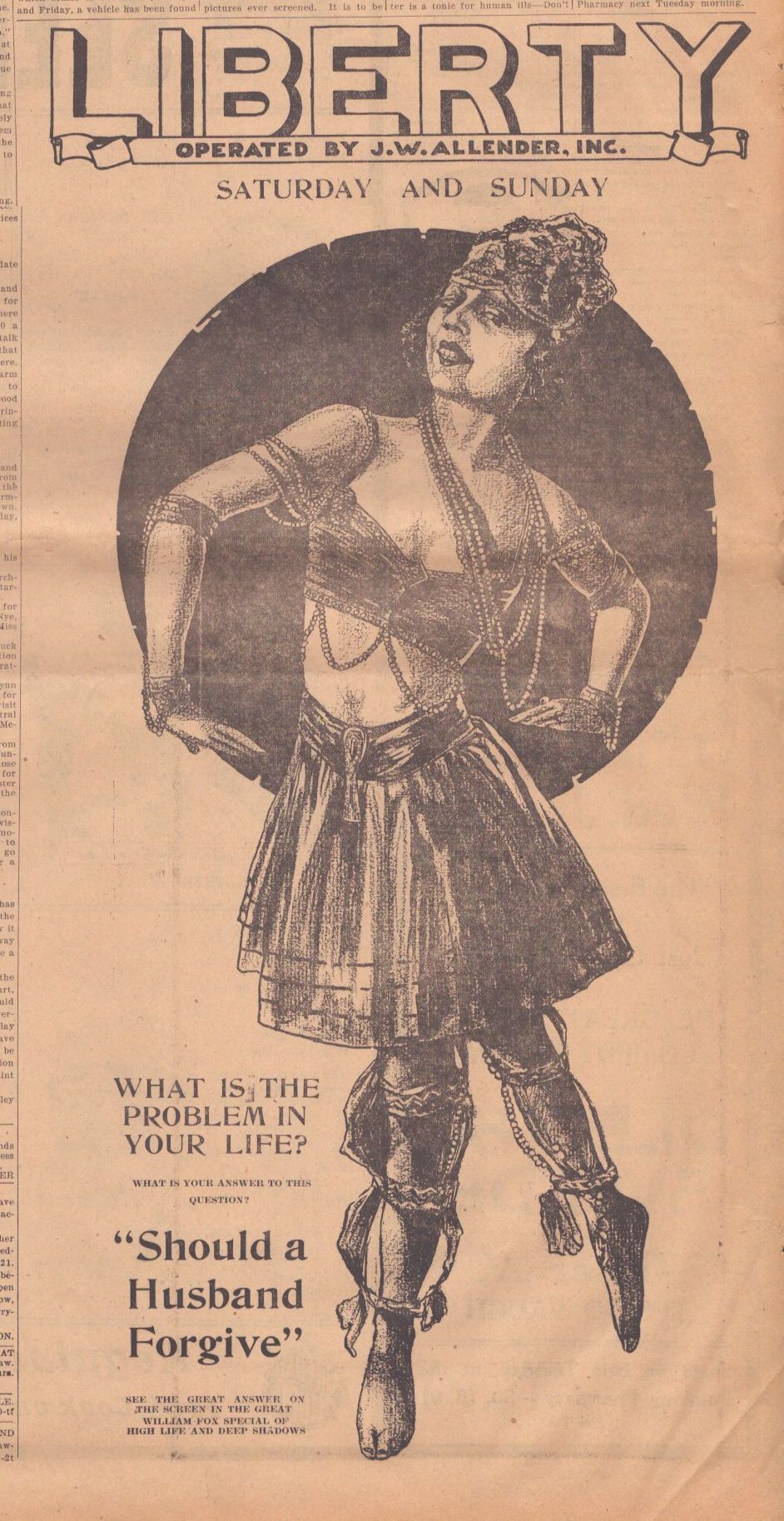
Raoul Walsh, a director who would later become a titan of Hollywood, demonstrates a nascent yet potent command of storytelling in Should a Husband Forgive?. Even in the nascent years of cinema, Walsh understood the power of visual narrative, using expressive gestures, stark contrasts, and carefully framed shots to convey the intricate emotional landscape of his characters. The film’s strength lies in its ability to communicate complex moral dilemmas and deep-seated human emotions without the aid of spoken dialogue. The performances, particularly from Miriam Cooper as Mary and Martha Mansfield as Ruth, are crucial in this regard. Cooper, with her nuanced expressions, conveys the profound sorrow and quiet resilience of a woman burdened by her past, while Mansfield brings a spirited determination to Ruth, making her transformation from vulnerable orphan to heroic jockey entirely believable. The silent era’s reliance on physical acting and exaggerated gestures, often critiqued in modern retrospect, is here utilized to its full dramatic effect, allowing the audience to intuit the characters' inner turmoil and motivations. The film, like many of its contemporaries, such as The Matrimonial Martyr, relied heavily on these visual cues to drive the narrative and evoke audience sympathy or condemnation.
The ensemble cast, a blend of established silent film actors and emerging talents, contributes significantly to the film’s emotional resonance. Beatrice Beckley, though not explicitly detailed in the provided plot synopsis, would have likely lent her gravitas to a supporting role, often portraying figures of authority or societal judgment. Johnny Reese, as John Carroll, Jr., carries the weight of a young man grappling with familial secrets and romantic disillusionment, his performance needing to convey a journey from skepticism to eventual acceptance. Tom Burke, Charles Craig, and Eric Mayne would have filled out the roles of various supporting characters, each contributing to the film's rich tapestry of human interaction and conflict. Vincent Coleman, Lyster Chambers, James A. Marcus, and Percy Standing likely embodied the figures of the wealthy elite, the legal system, or the shadowy figures of the underworld, each playing a crucial part in shaping the external pressures faced by Mary and Ruth. Miriam Cooper, as Mary, delivers a performance that transcends the mere portrayal of a fallen woman; she embodies the quiet strength of a mother longing for her child, a woman who has endured immense suffering but never truly lost her moral compass. Martha Mansfield, as Ruth, is the film's spirited heart, her character's journey from vulnerability to triumphant self-affirmation providing the narrative's emotional arc. The collective efforts of this cast, under Walsh’s direction, bring to life a story that, while rooted in melodrama, touches upon universal themes of love, loss, and the arduous road to redemption. Their ability to communicate complex emotions without spoken word is a testament to the art of silent film acting, a skill showcased in many films of the period, including The Ghost House, where suspense and character reactions were paramount.
The central question posed by the film's title, Should a Husband Forgive?, extends far beyond the marital bond. It interrogates the very fabric of societal forgiveness. Mary’s initial transgression, though leading to her husband’s death, is compounded by the unforgiving nature of his family and the broader community. Her decades-long separation from her son is a direct consequence of this societal judgment, a punishment that far outlasts the initial act. Ruth, too, faces a similar, albeit less severe, form of ostracism due to her association with Rex Burleigh and the subsequent murder. The film argues, through its dramatic conclusion, that true forgiveness, particularly self-forgiveness and the forgiveness of others, can only be earned through genuine acts of courage and integrity. Ruth’s heroic ride is not merely a plot device; it is a symbolic act of purification, washing away the stain of association and proving her worth. It’s a powerful statement on the redemptive potential of selflessness and daring. This exploration of moral fortitude in the face of judgment is a recurring motif in silent cinema, exemplified by narratives like The Might of Gold, which often pitted individual virtue against corrupting forces.
Should a Husband Forgive?, like many silent films, might appear overtly melodramatic to a contemporary audience accustomed to more subtle narrative techniques. However, to dismiss it on these grounds would be to overlook its historical significance and its enduring power as a piece of dramatic storytelling. These films were the blockbusters of their day, designed to engage audiences on a profound emotional level, often through heightened stakes and clear moral binaries. Walsh’s direction ensures that the emotional beats land with impact, and the narrative, despite its twists and turns, maintains a compelling coherence. The film is a valuable artifact, offering a window into the social anxieties, moral codes, and cinematic conventions of the early 20th century. It reminds us that fundamental human emotions – love, betrayal, sorrow, hope, and the yearning for acceptance – are timeless, transcending the technological limitations of early filmmaking. Its exploration of forgiveness, particularly, remains a relevant theme, prompting viewers to consider the complexities of human relationships and the possibility of redemption, even in the face of profound error. The dramatic tension and the focus on moral dilemmas in a high-stakes environment are reminiscent of other compelling narratives of the era, such as Hands Down or The Trap, which also captivated audiences with their intense plotlines.
In its final frames, as Ruth triumphantly crosses the finish line and John Jr. finally opens his heart, Should a Husband Forgive? delivers a powerful, if somewhat idealized, message: that courage, self-sacrifice, and unwavering love can, indeed, pave the way for healing and forgiveness. It stands as a testament to the enduring power of silent cinema to explore the depths of the human spirit and to ask questions that continue to resonate through the ages, long after the last flicker of the projector lamp has faded.
IMDb —
1918
Community
Log in to comment.