DbcultAccessing Vault...
Cult Review
Senior Film Conservator
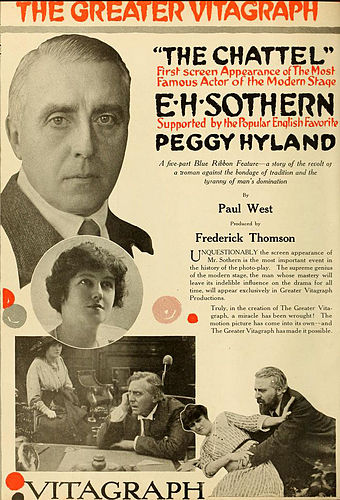
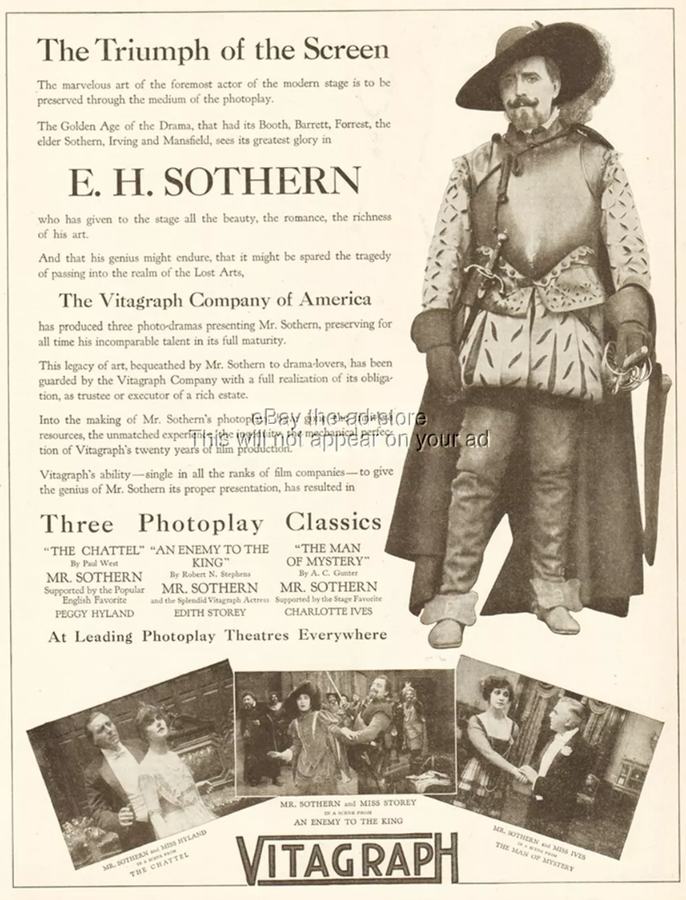
The year 1916 stood at a precipice of cinematic evolution, and The Chattel remains one of the most intellectually provocative artifacts from this era. Directed with a keen eye for social stratification, the film transcends the typical Victorian melodrama to offer a scathing indictment of the commodification of the human soul. At its core, it is a story about the collision between the cold, calculated world of high finance and the fragile, burgeoning agency of the early 20th-century woman. While many films of the period, such as The Banker's Daughter, explored the intersection of money and marriage, 'The Chattel' takes a darker, more psychological approach to the concept of 'possession.'
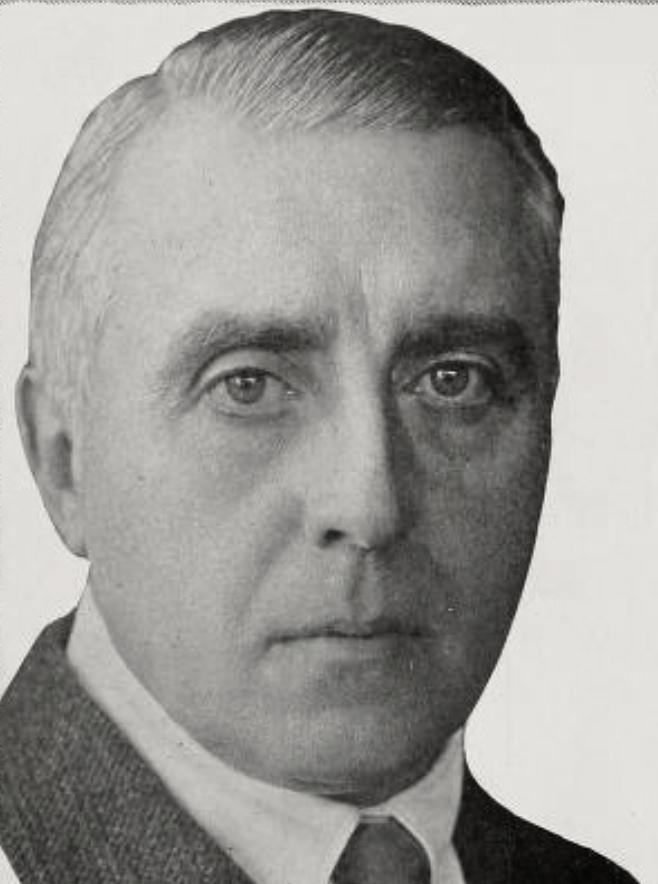
E.H. Sothern, an actor of immense gravitas, portrays Blake Waring not as a mustache-twirling villain, but as something far more terrifying: a man who genuinely believes that everything—and everyone—has a price tag. His performance is a masterclass in restrained arrogance. Waring’s initial pursuit of the painting 'The Chattel' serves as a heavy-handed but effective metaphor for his entire worldview. The canvas represents the ideal woman of the patriarchal imagination: beautiful, silent, and entirely owned. When he finally acquires the painting at auction, it isn't out of an appreciation for art, but as a victory over a rival. This sets the stage for his 'acquisition' of Leila Bard.
Peggy Hyland’s portrayal of Leila is a revelation. In an era where silent film acting often leaned toward the histrionic, Hyland brings a nuanced vulnerability that slowly hardens into a diamond-sharp resolve. The scene at the opera, where Waring is first presented to her, is filmed with a shimmering elegance that masks the predatory nature of the encounter. Waring doesn't see a partner; he sees a companion piece to his newly acquired painting. The lexical diversity of the visual storytelling here is profound—the way the camera lingers on the jewelry and the heavy fabrics of the costumes emphasizes the weight of the material world that is slowly closing in on Leila.
The plot takes a macabre turn with the suicide of Leila’s father. This narrative beat is handled with surprising grit for 1916. The letter revealing his dishonesty and subsequent self-annihilation provides Waring with the ultimate leverage. It is here that the film’s critique of the 'white knight' trope becomes apparent. Waring’s decision to cover up the scandal and pay off the debts isn't an act of love; it is a strategic investment. He is essentially buying the mortgage on Leila’s life. Unlike the more adventurous spirits found in The Girl from Frisco, Leila is trapped in a domestic cage built of gold and secrets.
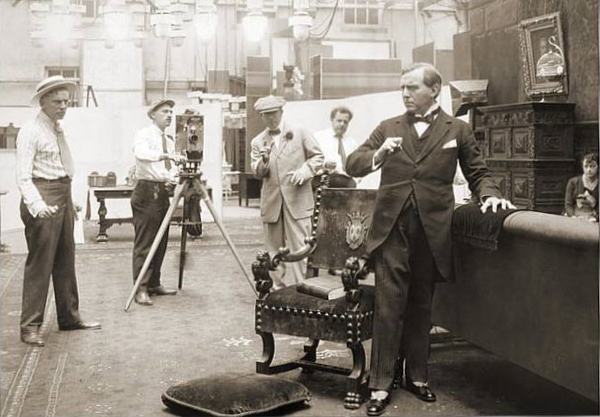
The psychological toll of this 'indebtedness' is depicted through a series of increasingly tense domestic vignettes. The birthday necklace incident is particularly telling. When Leila discovers the gift was chosen by a proxy, the illusion of sentiment evaporates. It highlights Waring’s fundamental inability to engage with another human being on an emotional level. To him, the necklace is merely a maintenance cost for his prize. The intervention of Harding, Waring’s friend, adds a layer of social observation. Harding’s astonishment at Waring’s brusqueness serves as the audience's moral compass, signaling that Waring’s behavior has crossed the line from typical Victorian sternness into something pathological.
The most radical aspect of The Chattel is its second-act climax. When Waring accuses Leila of infidelity with Harding—a classic projection of his own insecurities—the 'chattel' finally speaks back. The dialogue cards in this sequence are searing. 'I will be no man's chattel' is a line that must have resonated powerfully with the burgeoning suffrage movement of the time. However, the film doesn't stop at verbal defiance. Leila realizes that to beat a financier, she must become one.
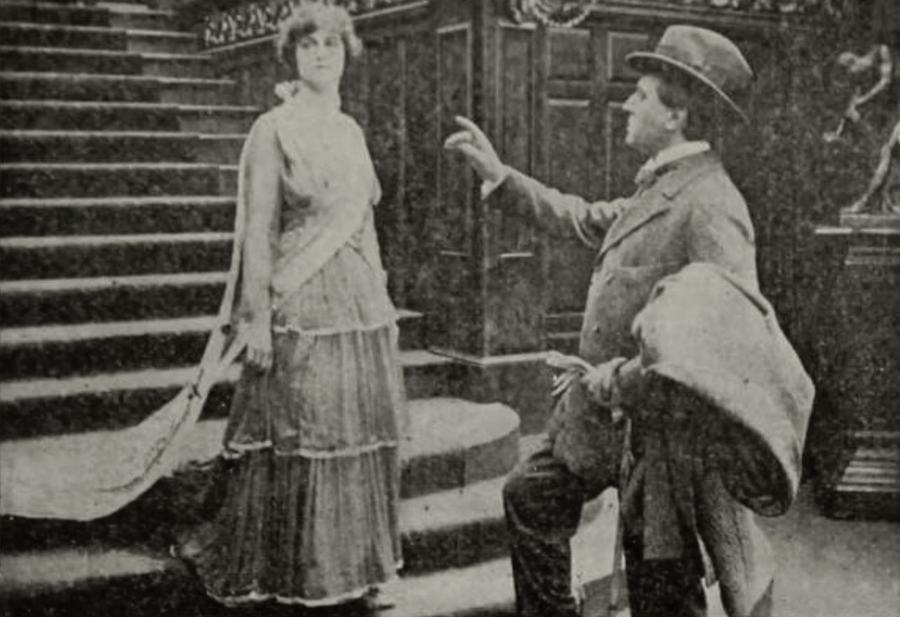
Leila’s foray into the stock market is a brilliant narrative pivot. By pawning her jewels—the very symbols of her gilded imprisonment—she secures the capital to engage in a high-stakes financial maneuver. This sequence is edited with a rhythmic intensity that mirrors the frantic energy of the trading floor. When she sells the stock back to Waring, she isn't just making a profit; she is performing a ritual of de-commodification. The moment she hands him the money and declares she is buying back her freedom is perhaps one of the most empowering scenes in silent cinema, rivaling the emotional stakes of At Bay.
The final third of the film shifts from the urban jungle to a secluded coastal setting. This change in geography signals a shift in the film’s moral register. Waring’s illness and his subsequent destruction of the 'Chattel' painting represent the death of his old ego. He has to literally burn his past to understand the value of the woman he lost. The use of the pseudonym 'Hope' is a bit on the nose, but in the context of 1910s symbolism, it works to establish his desire for a spiritual rebirth.
The reconciliation is facilitated by the character of Sammy, the young boy who acts as a bridge between the two estranged souls. This pastoral interlude allows for a slower pace, focusing on the natural beauty of the surroundings—a stark contrast to the oppressive luxury of the Waring mansion. The film’s climax, involving a house fire caused by a knocked-over lamp, is a classic melodramatic trope, yet it serves a vital purpose. Fire is the ultimate equalizer. In the face of physical destruction, the social and financial hierarchies that Waring once worshipped are rendered meaningless. His rescue of Leila is the first truly selfless act he performs in the entire narrative.
When compared to other contemporary works like The Spirit of the Poppy, which dealt with more visceral forms of addiction, 'The Chattel' explores the addiction to power and wealth. It shares some DNA with The Fool's Revenge in its focus on the cyclical nature of hubris and retribution. However, its unique focus on the financial agency of its female lead sets it apart from the more traditional 'damsel in distress' narratives like In Search of the Castaways.
The cinematography by the Vitagraph crew is exceptional for the period. They utilize deep focus in the office scenes to emphasize the cold, cavernous nature of Waring's world, while the cottage scenes are shot with softer, more naturalistic lighting. The visual storytelling ensures that even without the dialogue cards, the emotional trajectory of the characters is crystal clear. The film’s pacing is deliberate, allowing the tension of the marriage to simmer before the explosive confrontation in the second act.
Ultimately, The Chattel is a film that demands a modern re-evaluation. It tackles themes of marital rape (implied through the lens of 'ownership'), financial independence, and the corrupting influence of extreme wealth with a sophistication that belies its age. It doesn't offer easy answers; even the happy ending is tinged with the trauma of the past. It suggests that while love can be found anew, the structures that allow one person to 'own' another must be burned to the ground—much like the painting and the cottage.
For fans of silent cinema, this is an essential watch. It provides a fascinating look at the anxieties of a society transitioning into modernity, where old-world patriarchal values were being challenged by the new-world realities of economic mobility. E.H. Sothern and Peggy Hyland deliver performances that are as relevant today as they were over a century ago. It is a haunting, beautifully shot, and intellectually stimulating piece of art that proves that the 'chattel' of the past was always capable of writing her own future.
Further reading on silent era financial dramas: The Dawn of Freedom and Lydia Gilmore.
IMDb —
1931
Community
Log in to comment.