DbcultAccessing Vault...
Cult Review
Senior Film Conservator
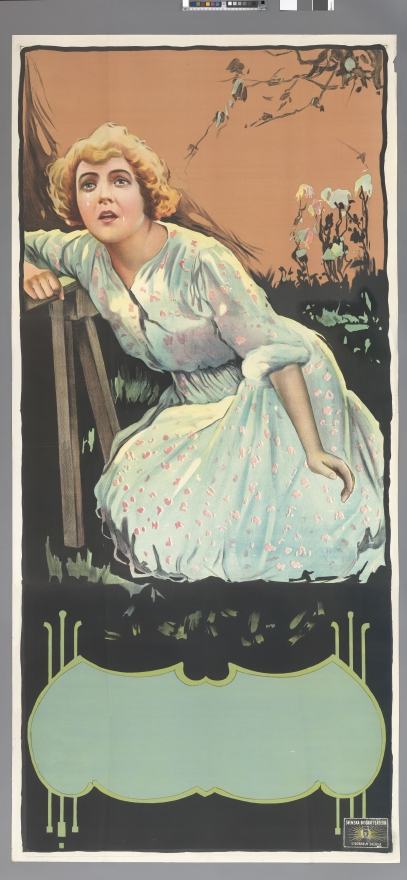
There's an enduring power in silent cinema, a raw, visceral storytelling that bypasses dialogue to speak directly to the soul through gesture, expression, and the sheer force of visual narrative. Such is the case with Fiskebyn, or 'The Fishing Village,' a Swedish gem that plunges us into the unforgiving yet beautiful world of a coastal community. Penned by a formidable trio – Georg Engel, Bertil Malmberg, and the visionary Mauritz Stiller – this film isn't merely a period piece; it’s a timeless meditation on grief, resilience, and the relentless currents of human existence.
From the very first frames, Fiskebyn establishes a palpable sense of place. We are transported to a small, windswept fishing village on Sweden's west coast, a place where life is etched by the sea's bounty and its fury. The homes huddle together, a testament to collective survival against the elements. It’s here we meet Jakob Vindås, portrayed with an arresting intensity by Lars Hanson. Hanson, a titan of early cinema, imbues Jakob with a quiet dignity, a man visibly burdened by recent tragedy. He is a widower, his face a landscape of unspoken sorrow, yet his eyes hold a flicker of fierce determination – a father's resolve to protect his child. This portrayal immediately draws the audience into Jakob's world, creating an empathetic bond that deepens with every nuanced expression.

Jakob’s life is a delicate balance. He lives with his young daughter, a symbol of innocence and the future, and his elderly mother, the embodiment of tradition and the past. This familial unit forms the emotional core of the film. The daughter, likely played by Käte Schnitzer, is a fragile blossom in a harsh environment, her laughter and tears providing stark contrast to Jakob's somber demeanor. His mother, an archetype of matriarchal strength, possibly brought to life by Jenny Tschernichin-Larsson, is the rock upon which their small household is built. She represents the old ways, the wisdom passed down through generations, and perhaps, a quiet resistance to the new or the unknown. The unspoken communication between these three characters, their shared glances and gestures, speaks volumes about their interdependencies and the silent pacts that bind them.
The film doesn't shy away from depicting the relentless grind of a fisherman's life. The daily struggle against the sea is a metaphor for Jakob's internal battle against grief. Each cast of the net, each haul, is a fight for survival, both literal and metaphorical. The community, while tight-knit, also presents its own pressures and expectations. There's a communal understanding of hardship, but also a quiet scrutiny. How does a man rebuild his life after such a loss? What is his place in the village now? These are questions that simmer beneath the surface, enriching the narrative with sociological depth.
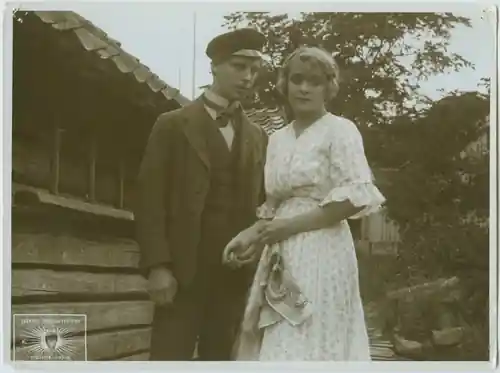
The genius of Fiskebyn lies in its ability to weave together the personal and the universal. Jakob's individual sorrow becomes a lens through which to examine the broader human condition. The sea itself is a dominant character – sometimes benevolent, providing sustenance, at other times a malevolent force threatening destruction. The cinematography, even in its early form, captures this duality with breathtaking skill. We see the vast, churning expanse of the ocean, the dramatic skies, and the rugged coastline, all contributing to the film's atmospheric intensity. The natural landscape is not merely a backdrop; it is an active participant in the drama, mirroring the emotional highs and lows of the characters.
The influence of Mauritz Stiller as a writer is profoundly felt in the film's robust narrative structure and its nuanced character development. Stiller, known for his sophisticated storytelling and ability to extract deep psychological portrayals from his actors, ensures that even without spoken words, the motivations and internal conflicts of the characters are crystal clear. One might draw parallels to the generational struggles and societal pressures explored in films like Slægternes Kamp, which also delves into the complex dynamics of tradition versus progress within a community. Fiskebyn, too, hints at these underlying tensions, particularly through the interactions between Jakob and his mother, and the wider village's expectations.

Lars Hanson's performance as Jakob is nothing short of masterful. His eyes, in particular, convey a universe of pain, love, and quiet resolve. He doesn't just act; he inhabits the role, allowing the audience to feel the weight of his burdens and the flicker of his hopes. His physical presence, the way he moves through the fishing village, bent against the wind or stooping to comfort his child, speaks volumes. This kind of understated yet powerful acting was a hallmark of the era's best performers, and Hanson stands among them. Karin Molander, another prominent actor of the period, likely brings a captivating presence to her role, perhaps as a potential new romantic interest, a sympathetic villager, or even a spectral memory of Jakob's deceased wife, adding another layer of emotional complexity to the narrative. Her ability to convey deep emotion with subtle gestures would have been crucial in a silent film of this caliber. The supporting cast, including Carl Helleman, Nils Aréhn, and Hildur Carlberg, undoubtedly contribute to the rich tapestry of the village, creating a believable and lived-in world.
The film’s exploration of resilience, the quiet strength required to face life's adversities, resonates deeply. It's a theme that echoes across cinematic history, from the stoic determination seen in films about frontier life like A White Man's Chance, where survival against overwhelming odds is paramount, to the more introspective battles fought by individuals against societal judgment or personal demons. Fiskebyn manages to explore these universal themes through a very specific cultural and geographical lens, making its message all the more potent.

While the director is not explicitly listed in the provided details, Stiller's involvement as a writer is significant. His narrative vision often translated into visually striking and emotionally resonant films. One can see his characteristic blend of realism and poetic sensibility in the way the film portrays both the mundane and the momentous. The story isn't just about plot points; it’s about the texture of life, the unspoken emotions, and the subtle shifts in human relationships. This focus on internal drama, conveyed through external action and powerful imagery, is a hallmark of the period's most enduring works. For instance, the profound emotional depth and tragic romance found in Camille (1917), a contemporary of Fiskebyn, illustrates the era's capacity for conveying intense feelings without dialogue, relying heavily on the actors' prowess and the director's visual storytelling.
The film's pacing, characteristic of silent era dramas, allows for moments of quiet contemplation, letting the audience absorb the atmosphere and the characters' inner lives. There are no quick cuts or rapid-fire dialogue to distract; instead, the camera lingers, inviting deeper engagement. This deliberate rhythm enhances the sense of realism, making the struggles of Jakob and his family feel immediate and deeply personal. It's a testament to the filmmakers' understanding of their medium that they could evoke such profound empathy through purely visual means.
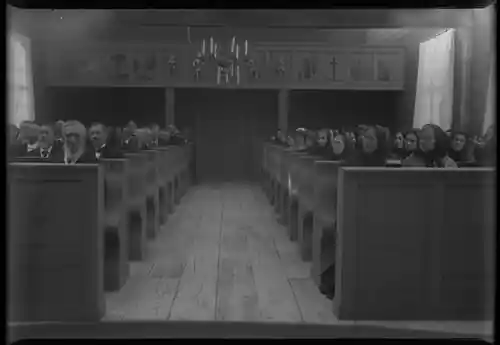
Ultimately, Fiskebyn is more than just a depiction of hardship; it is a testament to the enduring human spirit. Jakob, despite his profound loss, must find a way to carry on, not just for himself, but for the future embodied by his daughter. The film suggests that even in the face of overwhelming odds, there is always the possibility of renewal, of finding solace in community, and of drawing strength from the very forces that seem to conspire against us. It's a powerful narrative that reminds us of the universal human need for connection, purpose, and the quiet dignity of perseverance.
For enthusiasts of early cinema, and indeed for anyone interested in the foundational narratives of human experience, Fiskebyn offers a rich and rewarding viewing. It’s a compelling example of how Swedish cinema, under the influence of talents like Mauritz Stiller, carved out a unique and significant place in global film history, telling stories that resonate across generations and cultures. It’s a film that stays with you, much like the memory of the sea – vast, powerful, and eternally captivating. Its legacy is a quiet reminder of the profound emotional impact that can be achieved when storytelling is stripped to its most essential, visually eloquent form.

IMDb 5.5
1925
Community
Log in to comment.