DbcultAccessing Vault...
6.3/10
Senior Film Conservator
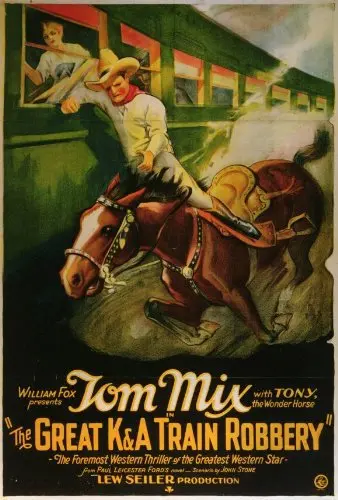
A definitive 6.3/10 rating for a film that redefined the boundaries of cult cinema. The Great K & A Train Robbery remains a cornerstone of transgressive art.
Is this silent Western worth your time in the modern age? Short answer: Yes, but primarily as a historical blueprint for the modern action blockbuster. This film is a mandatory watch for anyone interested in the evolution of stunt work and location shooting, though it might frustrate those seeking a gritty, character-driven narrative typical of the later Revisionist Western era.
The Great K & A Train Robbery stands as a testament to a time when cinema was defined by physical prowess rather than digital artifice. It is a film for the adrenaline junkie who respects the roots of the craft and a film that is decidedly not for viewers who require complex dialogue or psychological depth to stay engaged.
Tom Mix was not just an actor; he was a brand. In 1926, he was the highest-paid star in Hollywood, and this film demonstrates exactly why. Unlike the grounded, often depressing Westerns of the early 1920s like The Cricket on the Hearth, Mix brought a sense of playfulness and impossible athleticism to the screen.
Consider the sequence where Mix slides down a cable across the Royal Gorge. There are no green screens here. There is no safety net. It is raw, terrifying, and exhilarating. It makes the calculated risks of modern stars like Tom Cruise seem like a natural evolution of what Mix was doing a century ago. The way he moves—fluid, confident, and almost feline—redefines the cowboy archetype from a weary traveler to a superhero on horseback.
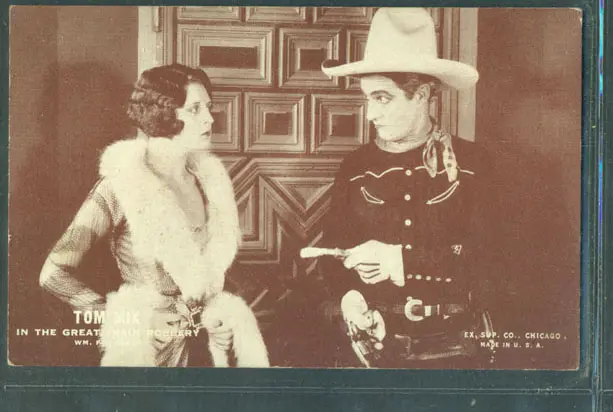
His partnership with Tony the Horse is equally vital. Tony isn't just a prop; he is a co-star with more screen presence than many of the human supporting cast. In one specific scene, Tony navigates a narrow ledge with a precision that feels choreographed yet remains dangerously real. It’s this physical reality that keeps the film anchored even when the plot becomes increasingly absurd.
The plot is a classic undercover operation. Tom Gordon’s decision to play the villain to catch the villain is a trope we’ve seen a thousand times, yet here it feels fresh because of the earnestness of the execution. The film doesn't wink at the camera. It treats the stakes of the K & A Railroad’s survival with total sincerity.
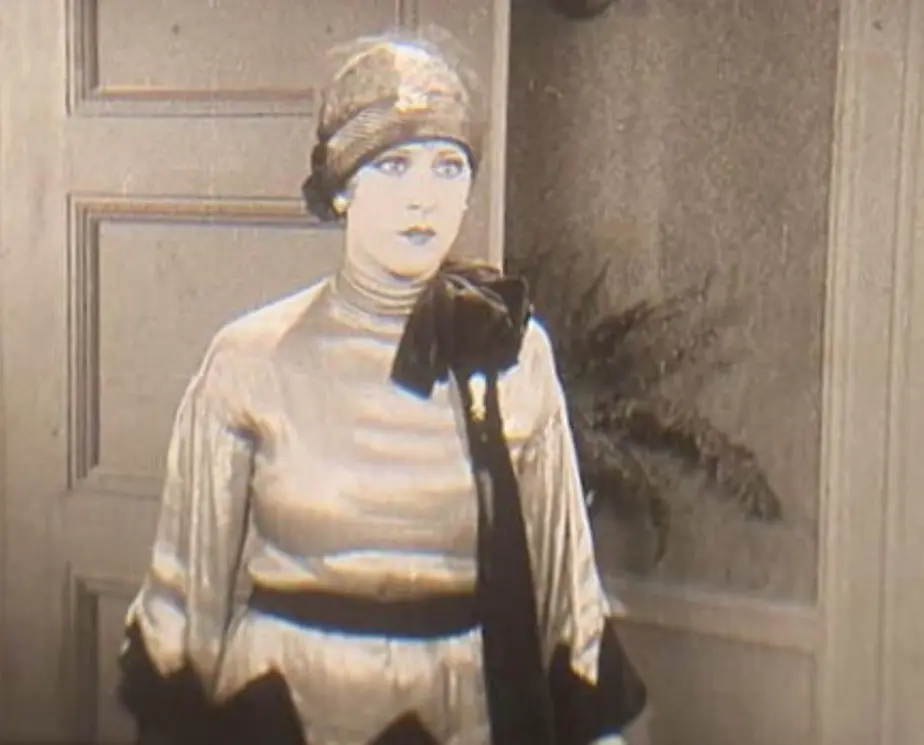
However, the romance between Gordon and Madge Holt, played by Dorothy Dwan, is where the film feels its age. Dwan is charming, but her role is largely confined to being the prize at the end of the race. Compared to the more nuanced female roles in films like The Perfect Flapper, Madge is a regression. She exists to be rescued, though Dwan does her best to imbue the character with a flicker of independence during the train-top sequences.
The pacing is relentless. At just under an hour, there is no room for the bloat that plagues modern 150-minute epics. Every scene serves the forward momentum. If Gordon isn't uncovering a clue, he is jumping off a cliff. It’s lean. It’s punchy. It works.
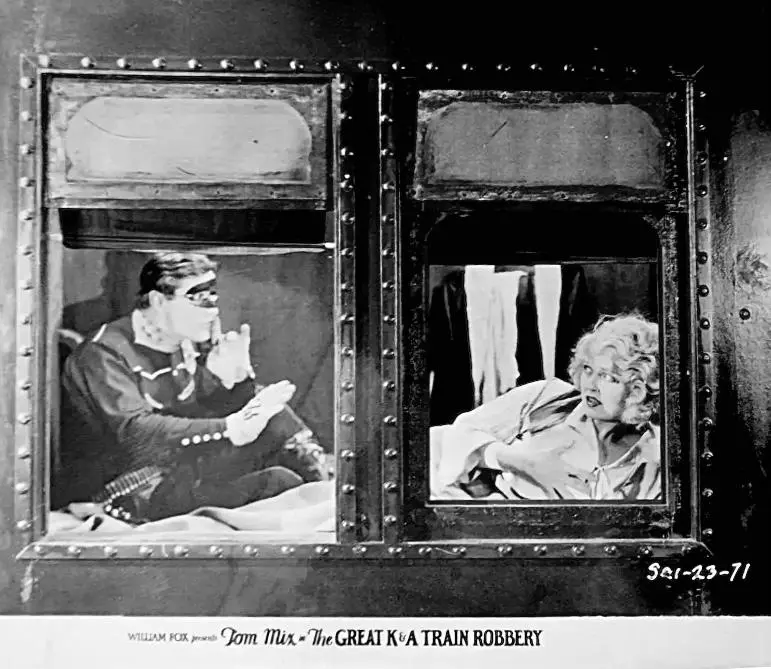
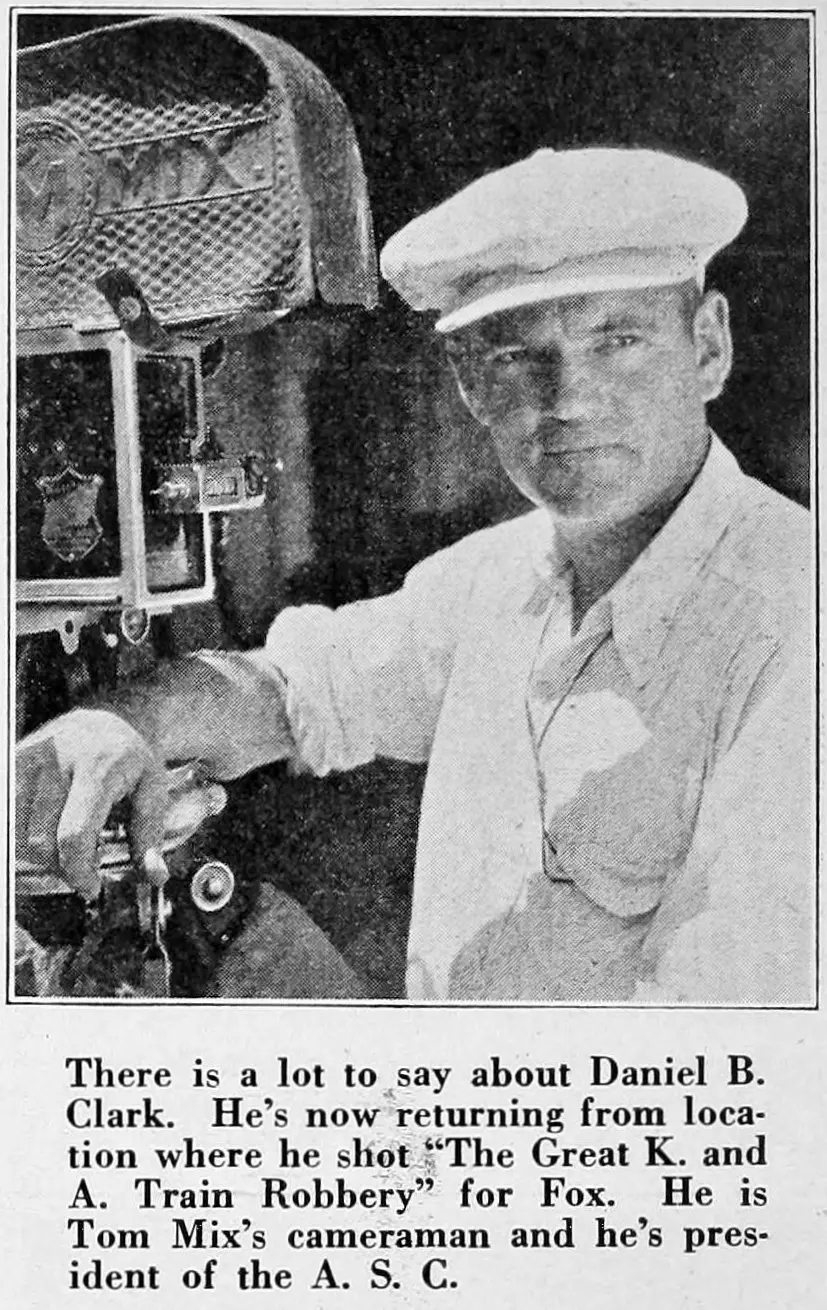
Director Lewis Seiler and cinematographer Dan Clark deserve immense credit for the visual language of this film. While many Westerns of the era, such as Deputized, relied on static wide shots, Clark moves the camera. He places the audience on the moving train, creating a visceral sense of speed that must have been mind-blowing to audiences in 1926.
The use of the Royal Gorge location is not just for aesthetics; it’s structural. The canyon walls create a natural prison for the characters, heightening the tension during the various ambushes. The lighting, too, is surprisingly sophisticated for a location shoot. The way the shadows of the rock formations play across Mix’s face during the masked sequences adds a layer of noir-ish intrigue to an otherwise bright Western.
Yes. The Great K & A Train Robbery is a vital piece of cinematic history that remains surprisingly entertaining. It bridges the gap between the pioneer spirit of early film and the polished entertainment of the Golden Age. If you can overlook the simplistic morality and the theatrical acting style of the secondary cast, you will find a film that moves with more energy than most modern blockbusters.
The stunts are genuinely dangerous and impressive even by today's standards. Tom Mix’s charisma is undeniable; he owns every frame he is in. The film is also a fascinating look at 1920s railroad technology and the sheer scale of the American West. Additionally, keep an eye out for a very young, uncredited John Wayne as an extra—a true "blink and you'll miss it" moment for film historians.
The supporting characters are largely forgettable archetypes. The "Snowball" character played by Curtis McHenry is a product of its time and contains racial stereotypes that are difficult to watch today. Furthermore, the film's reliance on coincidence to drive the plot forward can feel lazy to a modern audience accustomed to tighter scriptwriting found in films like The Moonstone.
One could argue that Tom Mix is the direct ancestor of James Bond. He has the gadgets (his specialized saddle and gear), the iconic vehicle (Tony the Horse), the secret identity, and the penchant for high-stakes gambling with his own life. While we often look to 1940s noir for the roots of the modern protagonist, Gordon is a prototype of the untouchable, charismatic operative.
It's also worth noting how much this film influenced the "B-Western" boom of the 1930s. You can see the DNA of this film in everything from The High Horse to the early serials. Mix proved that the Western didn't have to be about the struggle of the soul; it could just be about the thrill of the chase.
The Great K & A Train Robbery is a lean, mean, stunt-machine. It is flawed. It is simple. But it works. It captures a moment in time when the West was still a fresh memory and the possibilities of the camera were just being discovered. It is a loud, silent movie that demands to be seen on the biggest screen possible to appreciate the sheer audacity of its production. If you want to understand why the world fell in love with the cowboy, start here.
"A masterclass in physical storytelling that proves Tom Mix was the first true action superstar of the silver screen."
IMDb —
1927
Community
Log in to comment.