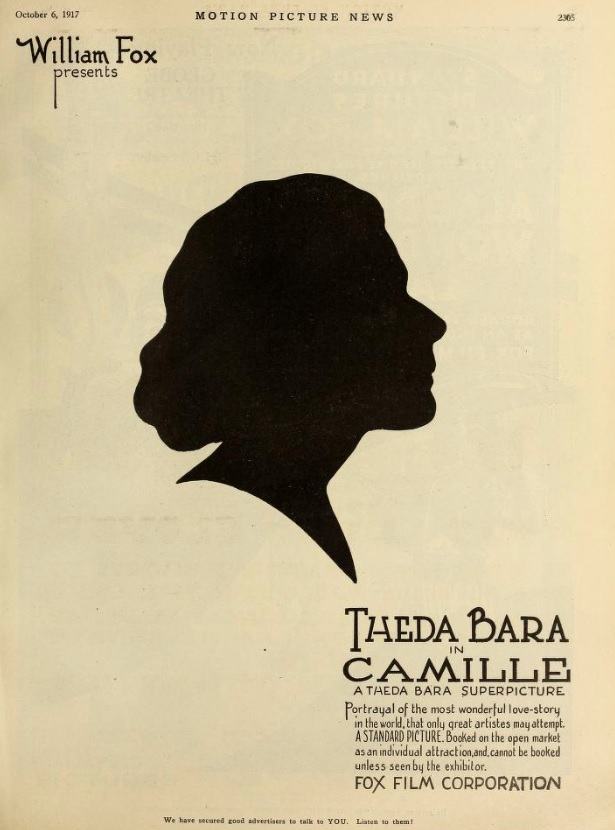
Camille is a courtesan in Paris. She falls deeply in love with a young man of promise, Armand Duval.
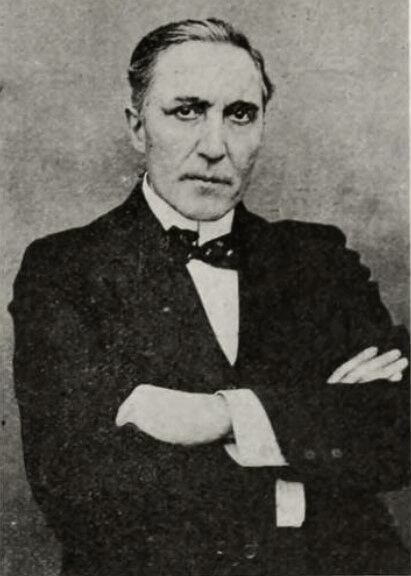
Alexandre Dumas fils, Adrian Johnson
United States
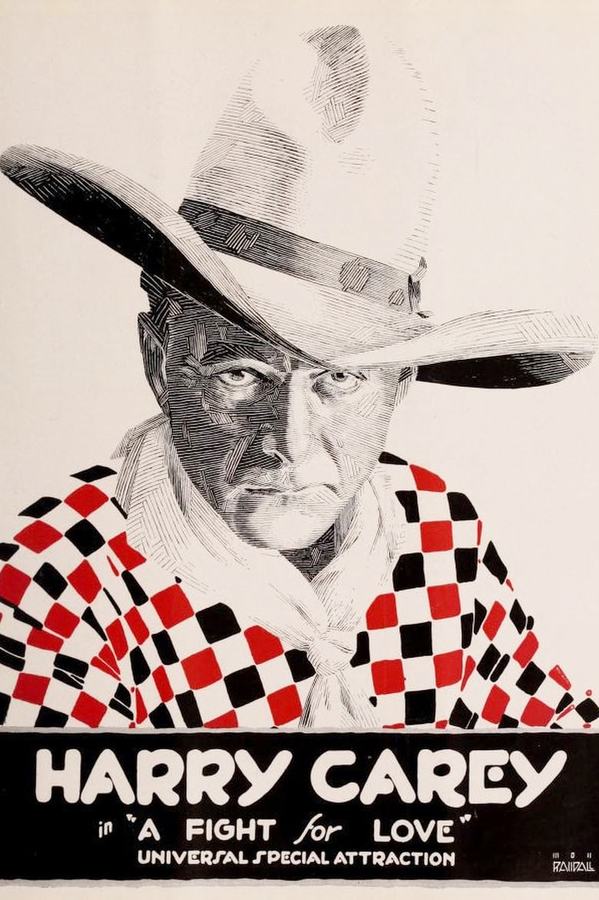
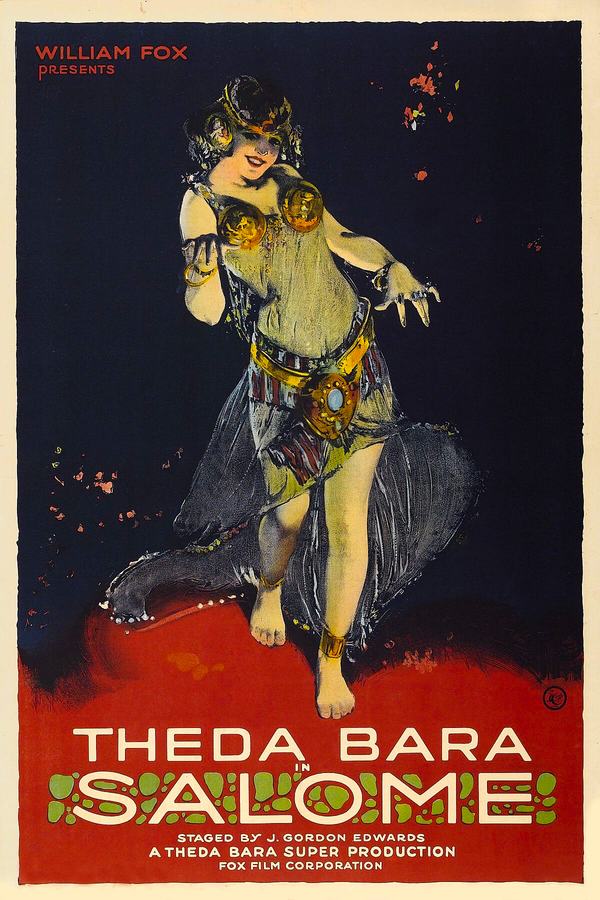
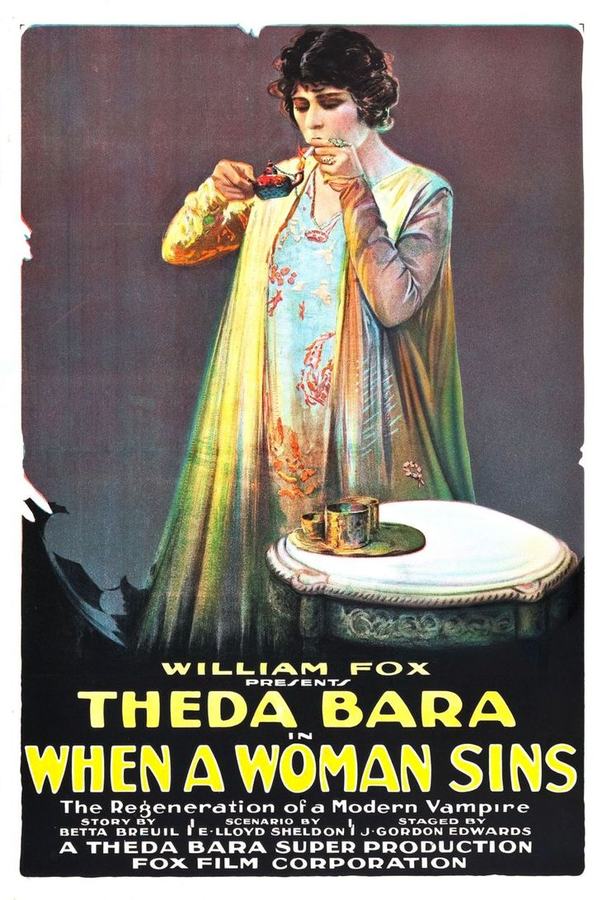
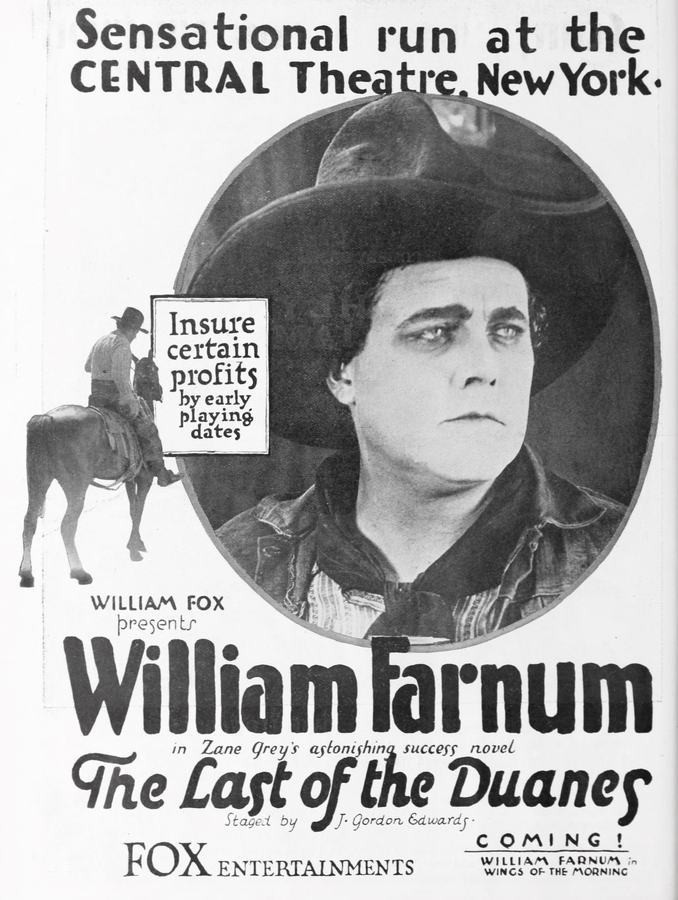
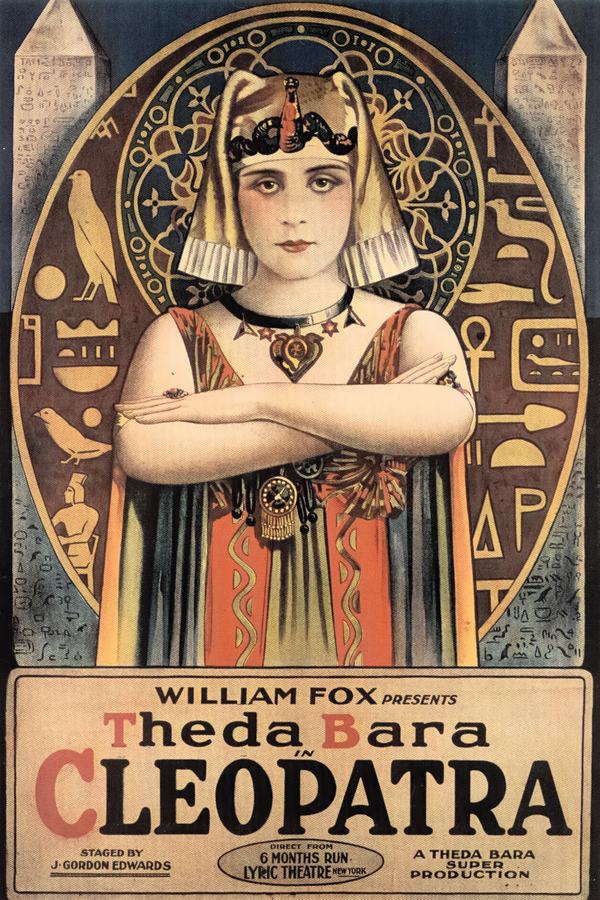
The year 1917 remains a watershed moment in the evolution of the moving image, a period where the primitive techniques of the early decade began to coalesce into a sophisticated visual language. Amidst this transition, J. Gordon Edwards’ adaptation of Camille emerged as a monumental vessel for the era's most provocativ...
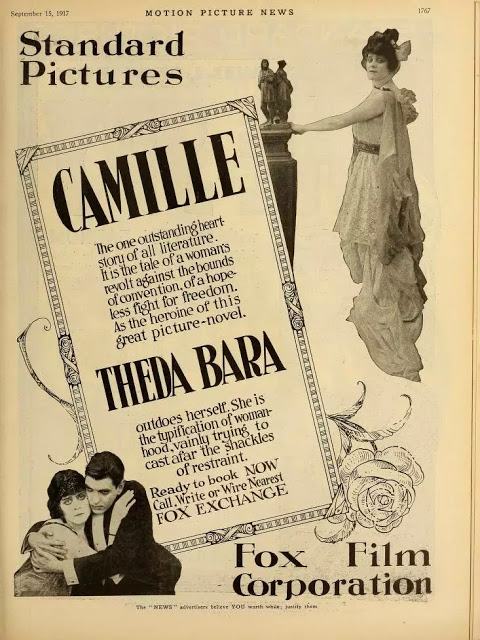
still_frame
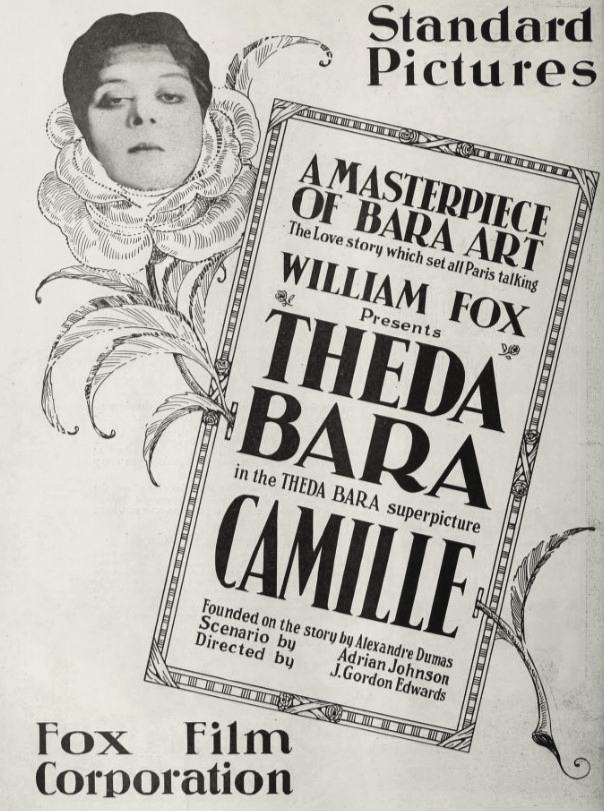
publicity
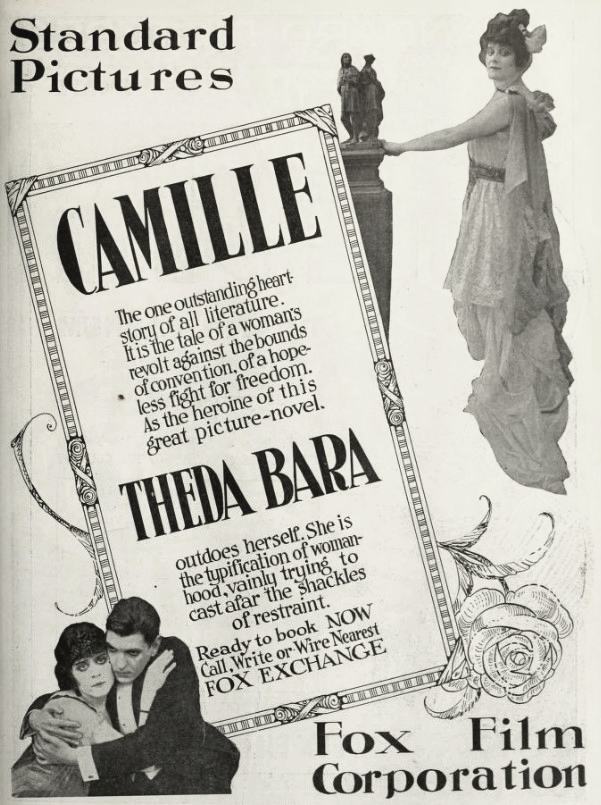
publicity
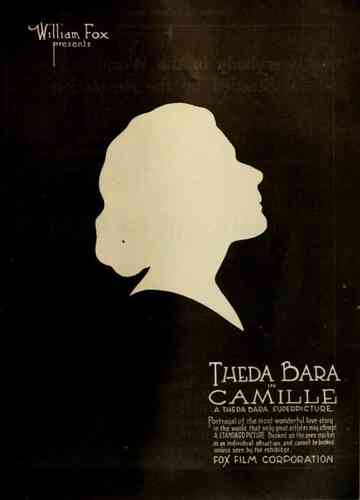
production_art
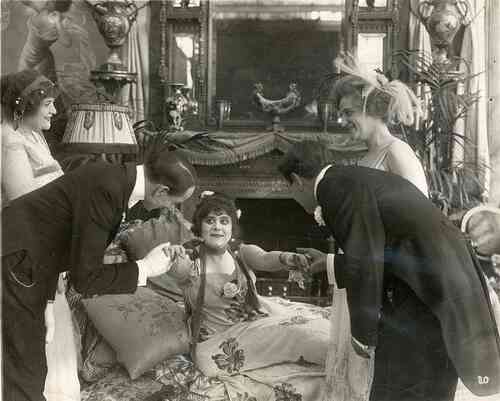
still_frame
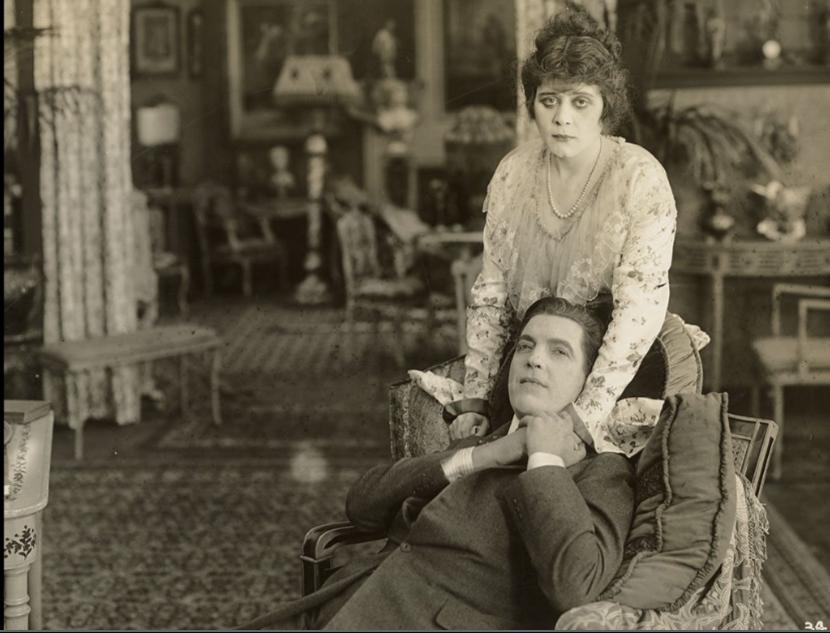
still_frame
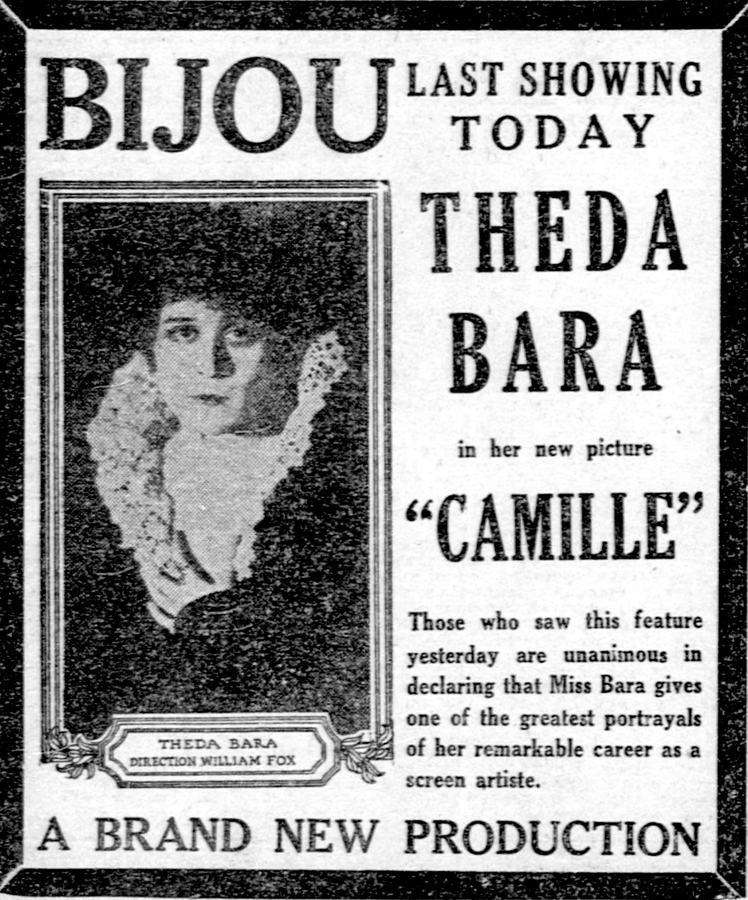
production_art
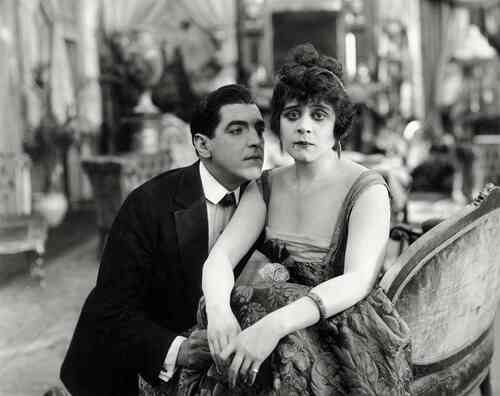
still_frame
Comparing the cinematic DNA and archive impact of two defining moments in cult history.
J. Gordon Edwards
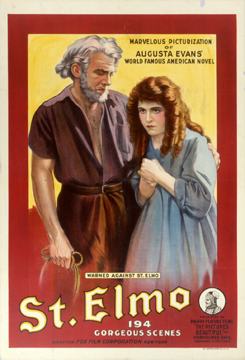
J. Gordon Edwards
Community
Log in to comment.
"The year 1917 remains a watershed moment in the evolution of the moving image, a period where the primitive techniques of the early decade began to coalesce into a sophisticated visual language. Amidst this transition, J. Gordon Edwards’ adaptation of Camille emerged as a monumental vessel for the era's most provocative star: Theda Bara. While history often remembers Bara as the archetypal 'Vamp,' her portrayal of Marguerite Gautier in this production represents a startling departure from the pr..."