DbcultAccessing Vault...
5.9/10
Senior Film Conservator
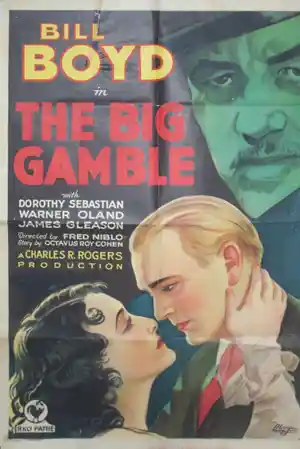
A definitive 5.9/10 rating for a film that redefined the boundaries of cult cinema. The Big Gamble remains a cornerstone of transgressive art.
Okay, look, The Big Gamble isn't exactly a high-octane thriller for a Friday night. If you’re into those really old, pre-Code films where the dialogue feels a bit stilted but the emotions are raw, you might find something here. But if you need fast pacing or a modern sensibility, you’ll probably find it a bit of a slog. It’s a slow-burn, sure, but it has this weird, gripping charm once you settle in.
The premise is wild, even for its time. Alan, played by William Boyd, is just *swimming* in gambling debt. He makes a deal with this mobster, North, who’s just the absolute worst. North basically says, "Hey, I'll insure your life for a hundred grand, and in a year, you off yourself." And Alan, desperate, says yes. Like, what a choice.
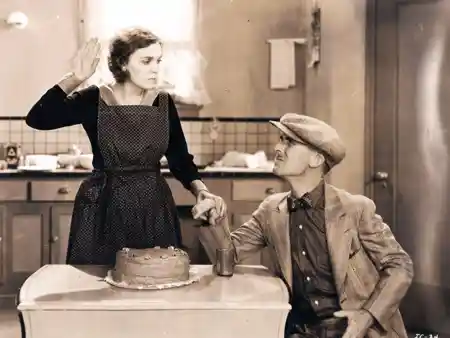
Then, the mobsters force him to marry Beverly (June MacCloy). This is so North can look legitimate when he collects the insurance payout. Beverly, poor thing, has no idea what she’s walking into. Her initial confusion, that wide-eyed "what is happening" look, really sells it. She tries to make the best of it, which is kind of sad.
And there’s Squint, the hitman, played by Monte Blue. He's always there, just in the background. Watching. Never saying much, but his presence is just *heavy*. You can almost feel him breathing down Alan’s neck, even when he’s not on screen. It’s like he’s part of the furniture, but the most dangerous piece.
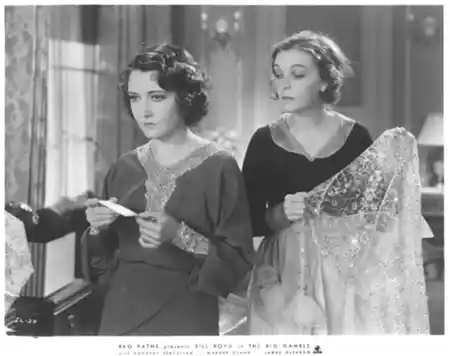
The movie really finds its footing once Alan and Beverly start, well, living together. It’s an arranged marriage, built on a lie and a death sentence. But then they start to actually *talk*. To connect. It’s strange, the mundane reality of two strangers forced into a life together, even when one is doomed.
There's this moment where Beverly finds Alan looking at a calendar, ticking off days. She doesn't understand the dread, but you see it on his face. He's falling for her, and the clock is ticking on his own life. It’s genuinely heartbreaking stuff. You can almost feel the weight of each passing day.
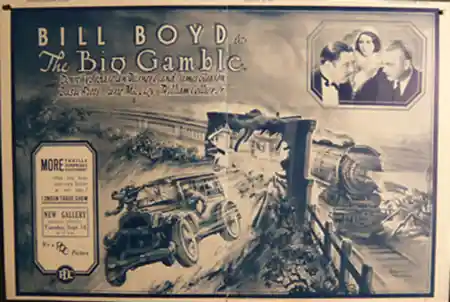
William Boyd, known for his Westerns later, plays Alan with this quiet desperation. He's not a hero, just a guy who made a really bad choice and is now stuck. And June MacCloy as Beverly, she brings a surprising amount of depth. She’s not just a pretty face; she's got a fire to her, especially when she starts realizing something is deeply wrong. Her eyes hold so much unspoken suspicion.
Their conversations are often hushed, almost whispers. Like they're trying to hide from the inevitable. Or maybe from Squint, who could be anywhere. The small apartment they share feels less like a home and more like a waiting room for a very bad appointment. The walls feel like they're closing in.
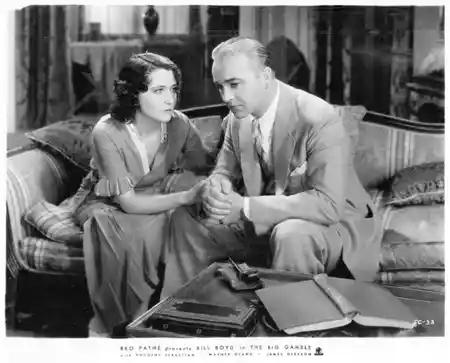
The film isn't afraid to let scenes breathe, sometimes a little too long. There are these silences, especially between Alan and Beverly, that feel *real*. Not awkward, but like they’re both searching for words, or just trying to exist in this impossible situation. You just sit with them in that quiet dread.
One small thing I noticed: North’s cigar smoke. It’s always there, curling up, a visual reminder of his control and his constant, smug presence. It’s a subtle touch, but it really stuck with me. Like the whole scene is suffocating, literally. The air in their world feels heavy.
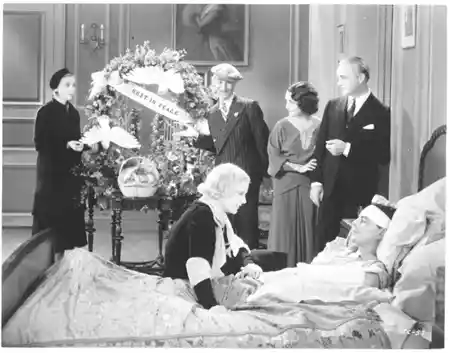
When Alan tries to escape, it’s not some big action sequence. It's more about desperation. He’s clumsy, almost pathetic, which makes it feel more real. You almost want to yell at the screen, "Just tell her everything!" But he can't, or won't, and the reasons feel heavy. The consequences loom large.
The tension builds slowly, like a knot tightening in your stomach. You know what's coming, but you still hope for a way out, for some loophole. The script doesn’t offer easy answers, which is rare for films from this era, or any era really. It respects the messy reality of bad choices.
This movie isn't perfect. The mobsters are a bit one-note, honestly, except for North, who just oozes villainy with every puff of his cigar. And some of the supporting characters feel a bit thin, almost like cardboard cutouts. But the core story, this messed-up love triangle between Alan, Beverly, and Death, that's where it shines. That’s what sticks with you.
It’s a strange, almost forgotten film that offers a glimpse into a time when movies could be dark and morally ambiguous without needing jump scares. If you appreciate the subtle performances and the slow, agonizing build of drama, give The Big Gamble a shot. Just go in knowing it’s not a roller coaster, more like a long, tense walk down a dark alley. But a walk that’s surprisingly compelling.
The ending? Well, I won't spoil it. But it leaves you thinking, which is more than I can say for a lot of movies today. Definitely worth a watch if you're patient and enjoy a good, old-fashioned dramatic pickle. It’s a quiet film that sneaks up on you.
IMDb 7.2
1932
Community
Log in to comment.