DbcultAccessing Vault...
4.4/10
Senior Film Conservator
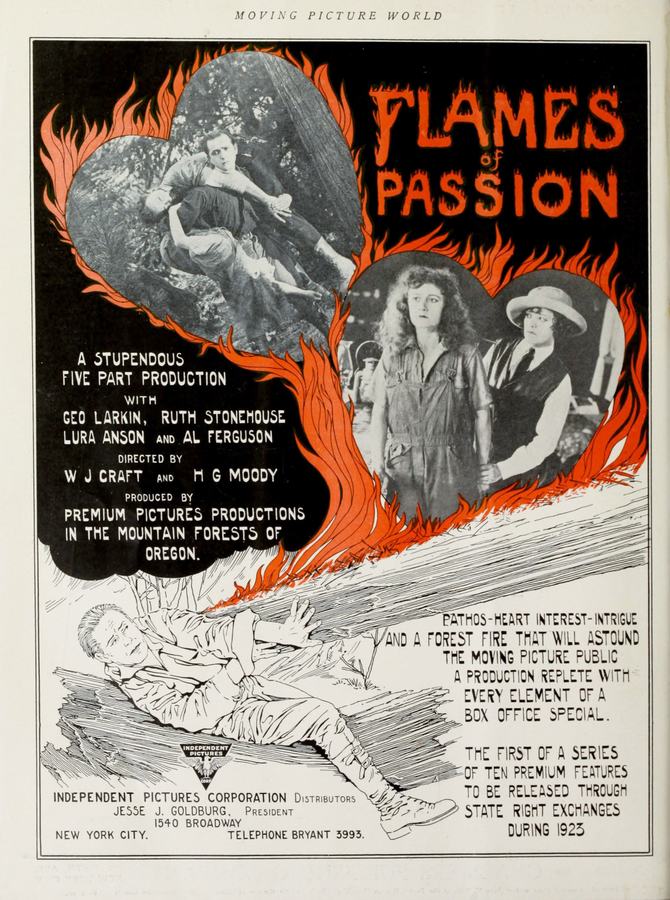
A definitive 4.4/10 rating for a film that redefined the boundaries of cult cinema. Flames of Passion remains a cornerstone of transgressive art.
Stepping back into the cinematic landscape of 1923, one encounters a fascinating tapestry woven with nascent storytelling techniques, exaggerated performances, and narratives that, while often simplistic by today's standards, throb with an undeniable, raw emotional power. Among these forgotten gems emerges Flames of Passion, a lumber camp melodrama that, despite its age, still manages to ignite a spark of interest for those willing to look beyond its silent-era conventions. This film, directed by Harry F. Millarde and penned by George Hively, is a quintessential example of the genre, pitting clear-cut good against unambiguous evil amidst the majestic yet unforgiving backdrop of the American wilderness.
The plot, as is often the case with melodramas of this period, is straightforward yet potent. We are thrust into a bustling lumber camp, a microcosm of early 20th-century industrial ambition. Here, the forces of progress clash with the rugged individualism of those who tame the land. Our antagonist is a corrupt lumber mill owner, a figure of avarice personified, brought to life with a sneering conviction by Frank Whitlock. His every action is motivated by greed, his every gaze a harbinger of ill intent. Whitlock's portrayal is typical of silent film villains: broad, theatrical, yet effective in conveying a palpable sense of menace. He represents the encroaching shadow of corporate might, threatening to engulf the lives and livelihoods of the honest folk.
Against this backdrop of exploitation rises George Larkin as the dashing, heroic foreman. Larkin, a prolific actor of the silent era known for his athletic prowess and captivating screen presence, embodies the quintessential hero. His foreman is not merely a worker but a protector, a beacon of integrity in a moral wilderness. Larkin's physicality and earnest expressions convey a deep sense of justice and courage, making him an immediate audience favorite. He is the embodiment of the common man's struggle against oppressive power, a theme that resonated deeply with audiences then, and continues to hold a certain timeless appeal even now. His character provides the moral compass, guiding the narrative through treacherous emotional terrain.
No melodrama is complete without a stunning, helpless heroine, and Flames of Passion delivers in spades with Ruth Stonehouse. Stonehouse, a prominent actress of her time, brings a captivating vulnerability to her role. Her character, whose beauty is both a blessing and a curse, becomes the focal point of the conflict, caught between the villain's predatory desires and the hero's unwavering protection. Stonehouse's performance, reliant on expressive gestures and emotive facial work, perfectly captures the silent film aesthetic. Her wide, pleading eyes and dramatic posturing convey an internal world of fear, hope, and burgeoning affection without uttering a single word. This dynamic interplay between the corrupt owner, the valiant foreman, and the endangered heroine forms the core emotional engine of the film, driving the audience through a series of thrilling perils and narrow escapes.
The supporting cast, including Al Ferguson, Karl Silvera, Laura Anson, and Frank Whitson, contribute to the vibrant atmosphere of the lumber camp. While their roles might be less central, their presence adds depth and realism to the setting, making the struggles of the main characters more impactful. George Hively's screenplay, while adhering to the established tropes of the era, manages to imbue the narrative with sufficient twists and turns to maintain engagement. Hively, a prolific writer with numerous credits, understood the rhythm and requirements of silent storytelling, crafting scenarios that allowed for maximum visual drama and emotional resonance.
The true artistry of Flames of Passion, like many silent films, lies in its visual storytelling. Without spoken dialogue, filmmakers relied heavily on strong cinematography, evocative set design, and the actors' ability to convey complex emotions through physical performance. The lumber camp setting itself is a character, its towering trees and roaring machinery providing a stark contrast to the human drama unfolding within. The film's use of natural light and outdoor locations likely added to its authenticity, immersing the viewer in the rugged world of the loggers. These were not just backdrops; they were integral to the narrative, amplifying the sense of danger and the vastness of the challenges faced by the protagonists.
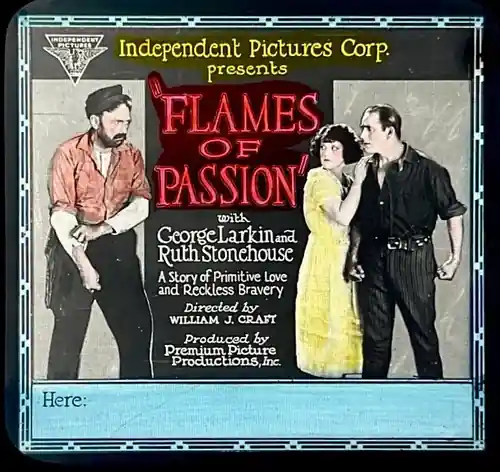
The thematic undercurrents of the film are also worth noting. Beyond the surface-level melodrama, Flames of Passion touches upon themes that were highly relevant in the early 20th century: the burgeoning industrialization of America, the exploitation of labor, and the clash between natural resources and human ambition. It taps into a primal fear of unchecked power and celebrates the resilience of the individual spirit. In this regard, it shares common ground with other films of the era that explored social dynamics, albeit often through heightened, dramatic lenses. One might draw parallels to the stark social commentary sometimes found in European cinema of the period, or even the more direct, action-oriented narratives of American westerns like Arizona, which similarly explores frontier justice and moral fortitude in a rugged landscape.
When considering Flames of Passion within its broader cinematic context, it's useful to look at its contemporaries. Films like The Painted World or A Rural Cinderella likely shared a similar ethos of dramatic storytelling set against often rustic or socially stratified backdrops. While plot specifics might differ, the underlying reliance on archetypal characters and clear moral divisions was a hallmark of popular entertainment. The hero's unwavering resolve in Flames of Passion echoes the steadfast protagonists found in adventure serials like Aladdin Jr., where good always triumphs over adversity, often through daring physical feats. The sense of impending doom and the struggle against an overwhelming force can also be likened to the dramatic tension in films such as The Juggernaut, where characters often find themselves caught in the path of relentless, destructive forces, be they literal or metaphorical.
The performances in Flames of Passion, particularly those of Larkin and Stonehouse, are representative of the era's acting styles. Exaggerated gestures, wide-eyed stares, and dramatic swoons were not merely stylistic choices but necessities for conveying emotion without spoken dialogue. This can feel over-the-top to modern viewers accustomed to nuanced, understated performances, but it was the language of silent cinema. The power of these performances lies in their ability to transcend the lack of sound, communicating directly to the audience's emotional core. This is a skill honed by many actors of the period, from the comedic timing in a film like In Wrong to the intense dramatic portrayals in more serious works. The raw emotionality often paralleled the visceral impact intended by films like Blodets röst, where human passion and conflict are laid bare.
While Flames of Passion may not be as widely celebrated as some of its more famous contemporaries, it offers valuable insights into the popular entertainment of the 1920s. It's a testament to the enduring appeal of classic storytelling: a clear conflict, relatable characters (even if archetypal), and a satisfying resolution. For film historians and silent film enthusiasts, discovering such a picture is akin to unearthing a forgotten diary, offering glimpses into the social mores, fears, and aspirations of a bygone era. It reminds us that fundamental human dramas—love, betrayal, courage, and greed—remain constant, merely reinterpreted through different artistic lenses across time.
The experience of watching a silent film like Flames of Passion today is unique. It requires a different kind of engagement, a willingness to surrender to its visual language and interpret its emotions through the performances and intertitles. It’s a meditative process, allowing the viewer to fill in the auditory gaps with their own imagination, often enhanced by a well-chosen musical score. This active participation fosters a deeper connection to the narrative, a connection that can sometimes be lost in the sensory overload of modern cinema. It’s a journey back to the roots of cinematic expression, where the power of the image reigned supreme.
Ultimately, Flames of Passion, like many films of its vintage, serves as a crucial historical document. It showcases the talents of actors like George Larkin and Ruth Stonehouse, the narrative craftsmanship of writers like George Hively, and the directorial vision that shaped early American cinema. It might not redefine the genre, but it certainly exemplifies it with spirited performances and a compelling, if predictable, narrative arc. For those curious about the foundational elements of film, or simply seeking a compelling drama from the silent era, this lumber camp melodrama is a worthwhile endeavor, a flickering ember from the roaring twenties that still holds warmth and light for the discerning viewer. Its simple yet profound story of good triumphing over evil, set against the grandeur of the American wilderness, continues to resonate, reminding us of the timeless power of human drama. The journey through its frames is a journey through cinematic history, revealing the enduring allure of passion, peril, and heroism.
IMDb —
1920
Community
Log in to comment.