DbcultAccessing Vault...
7/10
Senior Film Conservator
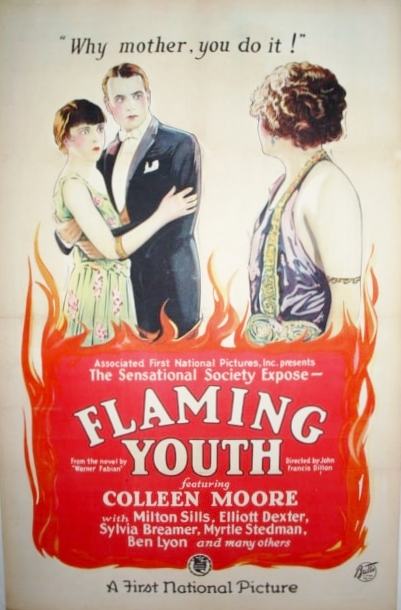
A definitive 7/10 rating for a film that redefined the boundaries of cult cinema. Flaming Youth remains a cornerstone of transgressive art.
Stepping into the tumultuous, exhilarating decade of the 1920s, one finds a societal landscape in flux, shedding the vestiges of Victorian prudishness for a daring, new freedom. Amidst this cultural upheaval, a film emerged that not only captured the zeitgeist but helped define it: Harry O. Hoyt’s 1923 sensation, Flaming Youth. More than just a motion picture, it was a cultural phenomenon, a mirror reflecting the seismic shifts occurring in American society, particularly concerning the roles and expectations of young women. This cinematic landmark, penned by Harry O. Hoyt and Samuel Hopkins Adams, presented a narrative so audacious for its time that it sparked both adoration and moral panic, cementing its place in the annals of film history as a pivotal work.
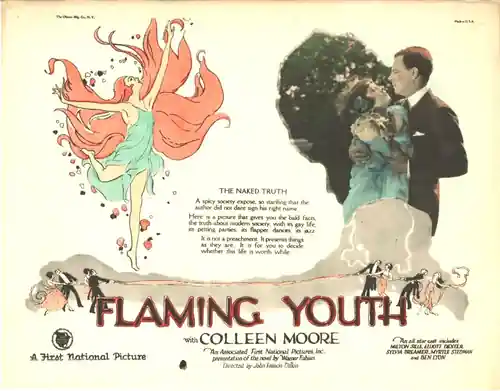
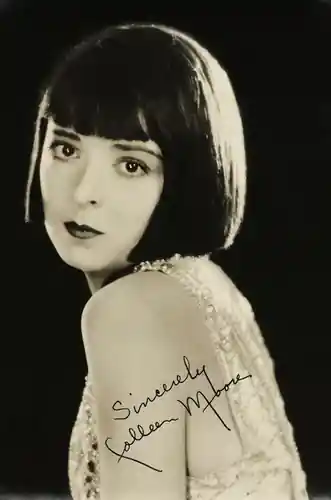
At the heart of this electrifying tale is Patricia Fentriss, embodied with an almost incandescent energy by the inimitable Colleen Moore. Moore, already a rising star, found her definitive role here, transforming from a relatively unknown actress into the quintessential flapper icon. Patricia begins as an ingenue, seemingly constrained by the lingering decorum of a bygone era. Yet, beneath this veneer of innocence pulses a restless spirit, yearning for liberation, for self-expression, for a life unburdened by the stifling expectations placed upon women of her generation. Her transformation, both sartorial and spiritual, from long-haired propriety to the iconic bob-haired, short-skirted flapper, is visually arresting and symbolically potent. It’s a metamorphosis that resonated deeply with millions of young women across America, inspiring them to challenge the status quo, to embrace their own burgeoning independence.
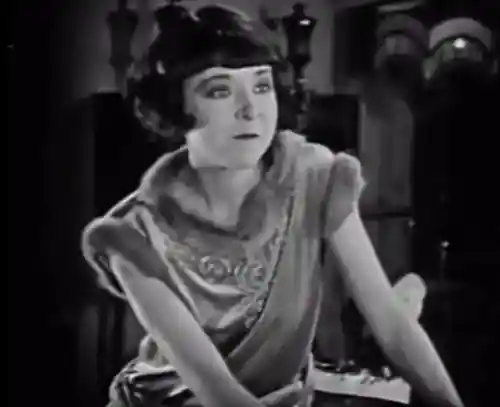
The film doesn't merely depict this transformation; it revels in it. We witness Patricia's immersion into the heady world of speakeasies, jazz music, and a burgeoning sexual revolution. She is a woman on the precipice, eager to shed the shackles of convention and explore the contours of her own desires. This journey is not without its perils, of course. The Jazz Age, while offering unprecedented freedoms, also presented new moral quandaries, a labyrinth of choices that tested the boundaries of societal acceptance. Patricia's narrative arc is a microcosm of the larger societal narrative, a daring exploration of what it meant to be young, female, and free in a rapidly changing world.
What truly elevates Flaming Youth beyond a mere coming-of-age story is its audacious central conflict: Patricia's entanglement in a ménage-à-trois with her own mother's lover. This scandalous premise was nothing short of revolutionary for its time, pushing the envelope of cinematic morality and sparking widespread debate. It’s a plot device that not only provides dramatic tension but also serves as a sharp commentary on the shifting landscape of romantic relationships and familial structures. The film doesn't shy away from the complexities of desire, jealousy, and betrayal, exploring these themes with a frankness that was startlingly modern. The interplay between Patricia, her mother, and the charismatic yet morally ambiguous lover (portrayed with a compelling blend of charm and duplicity by Walter McGrail) creates a potent emotional crucible, forcing characters and audience alike to confront uncomfortable truths about passion and fidelity. This daring exploration of unconventional relationships sets Flaming Youth apart from many of its contemporaries, which often relied on more straightforward moralizing. While films like The Single Code might have explored moral dilemmas, Flaming Youth dove headfirst into the messy, often contradictory nature of human desire without easy answers.
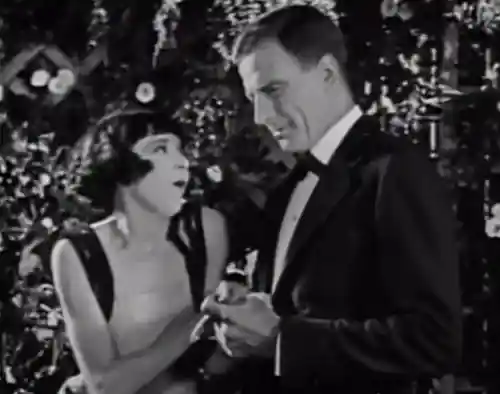
The Jazz Age itself is arguably the most pervasive character in Flaming Youth. The film masterfully captures the intoxicating atmosphere of the era: the pulsating rhythms of jazz music, the clandestine allure of speakeasies, the daring fashion, and the overall sense of exuberant rebellion that permeated society. Director Harry O. Hoyt, with the keen eye of a social observer, translates the spirit of the Roaring Twenties onto the silver screen with remarkable authenticity. The cinematography, though characteristic of the silent era, effectively conveys the frenetic energy and underlying tension of a society grappling with profound change. The parties are wild, the dancing uninhibited, and the conversations crackle with a newfound audacity. This wasn't merely background dressing; it was the very air the characters breathed, the force that propelled Patricia's journey of self-discovery. The film serves as an invaluable historical document, offering a vivid glimpse into the cultural landscape that shaped a generation.
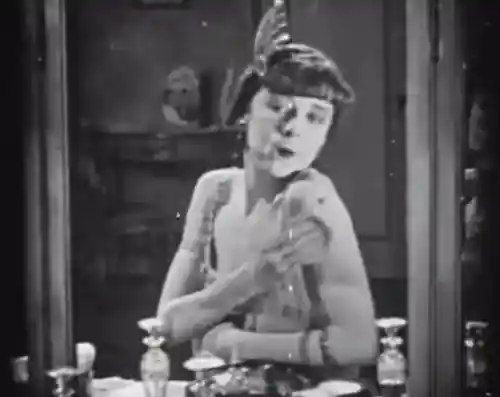
While Colleen Moore's portrayal of Patricia Fentriss is undeniably the film's beating heart, the ensemble cast contributes significantly to its overall impact. Moore's performance is a tour de force, embodying the vivacity, vulnerability, and defiance that characterized the flapper. She projects an irresistible charm and a raw emotional honesty that makes Patricia's journey feel deeply personal and universally relatable. Her expressive eyes and nuanced gestures speak volumes, transcending the limitations of silent film. The supporting cast, including Walter McGrail as the seductive lover and Sylvia Breamer as the mother, deliver compelling performances that add depth and complexity to the narrative. Their interactions are charged with unspoken desires and simmering resentments, creating a palpable tension that keeps the audience enthralled. Even the smaller roles, like those played by Jack Parker and Ben Lyon, contribute to the tapestry of this vibrant world, painting a comprehensive picture of a society in transition. One can draw parallels to the strong female leads found in films like Barbary Sheep or The Wine Girl, yet Moore's Patricia stands out for her sheer audacity and the direct societal impact of her character.
The cultural reverberations of Flaming Youth extended far beyond the confines of the movie theater. It became a catalyst, accelerating the adoption of flapper fashion and attitudes across the nation. Young women flocked to hair salons demanding the "Colleen Moore bob," and department stores struggled to keep up with the demand for shorter skirts and looser silhouettes. The film gave a face and a voice to a generation yearning for change, legitimizing their desires for independence and self-determination. It also ignited a fierce backlash from moral guardians who viewed the film as a dangerous promotion of promiscuity and moral decay. This controversy, far from hindering its success, only amplified it, drawing even greater crowds eager to witness the scandalous spectacle. In this way, Flaming Youth became a powerful cultural touchstone, a film that not only reflected its times but actively shaped them.
The screenplay by Harry O. Hoyt and Samuel Hopkins Adams is particularly noteworthy for its boldness. Adams, a journalist known for his muckraking, brought a keen understanding of social dynamics to the narrative, while Hoyt, also directing, ensured that the provocative themes were handled with a blend of sensationalism and genuine emotional resonance. They crafted a story that, while designed to entertain, also served as a potent social commentary, exploring the generational divide and the anxieties surrounding modern morality. One might consider how films like And the Children Pay similarly addressed societal consequences, but Flaming Youth focused on the children as the instigators of change, rather than merely the victims.
Even a century later, Flaming Youth retains a compelling power. It’s a vivid time capsule, offering invaluable insights into a pivotal moment in American history. But its appeal isn't solely historical. The themes it explores – the quest for personal freedom, the complexities of love and desire, the clash between tradition and modernity – are timeless. Patricia Fentriss's journey resonates with contemporary audiences who continue to grapple with similar questions of identity, autonomy, and societal expectation. The film, despite its silent format, speaks volumes about the human condition, about the eternal struggle to define oneself against the backdrop of an ever-changing world. It reminds us that every generation has its own "flaming youth," eager to challenge norms and forge new paths.
The film's impact on subsequent cinema cannot be overstated. It laid groundwork for how stories of youth rebellion and changing social mores would be told for decades to come. Its influence can be subtly detected in countless films that followed, depicting teenagers pushing boundaries and challenging parental authority. It’s a testament to the foresight of its creators and the magnetic performance of Colleen Moore that Flaming Youth continues to be studied and admired today. It stands as a vibrant, audacious testament to the transformative power of cinema, a film that dared to reflect the anxieties and aspirations of an entire generation, forever cementing the image of the bob-haired flapper as an icon of liberation and rebellion.
To watch Flaming Youth today is to embark on a journey back to a moment of profound cultural shift, to witness the birth of modern American youth culture. It's a reminder that the struggles for self-expression and the pursuit of happiness are perennial, and that sometimes, the most revolutionary act is simply to dance, to love, and to live with an unbridled, flaming spirit. It truly encapsulates the vibrant, often chaotic, spirit of the Jazz Age, proving that some stories, and some films, burn brightly for generations, illuminating the path for those who dare to defy convention.

IMDb —
1922
Community
Log in to comment.