DbcultAccessing Vault...
5.7/10
Senior Film Conservator
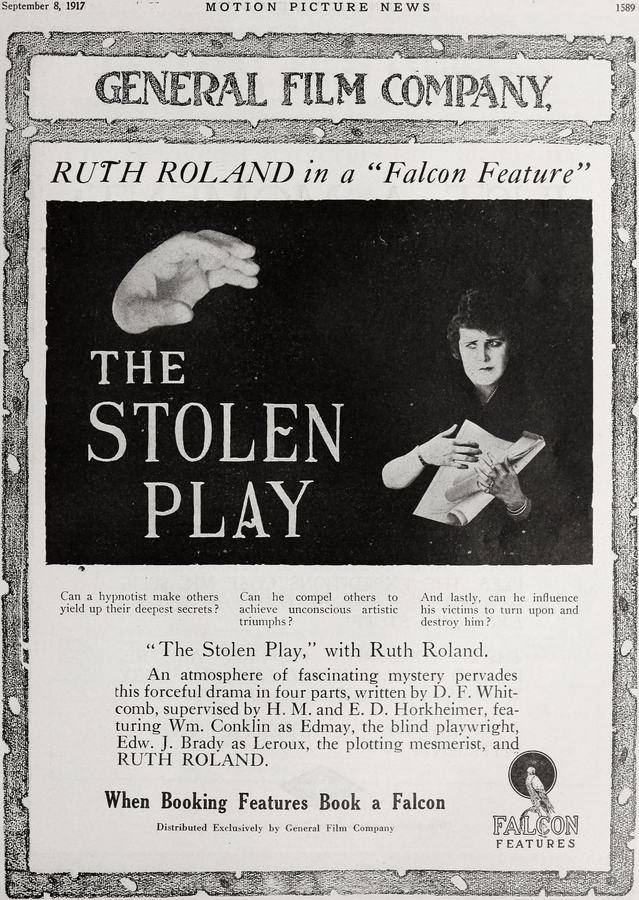
A definitive 5.7/10 rating for a film that redefined the boundaries of cult cinema. The Stolen Play remains a cornerstone of transgressive art.
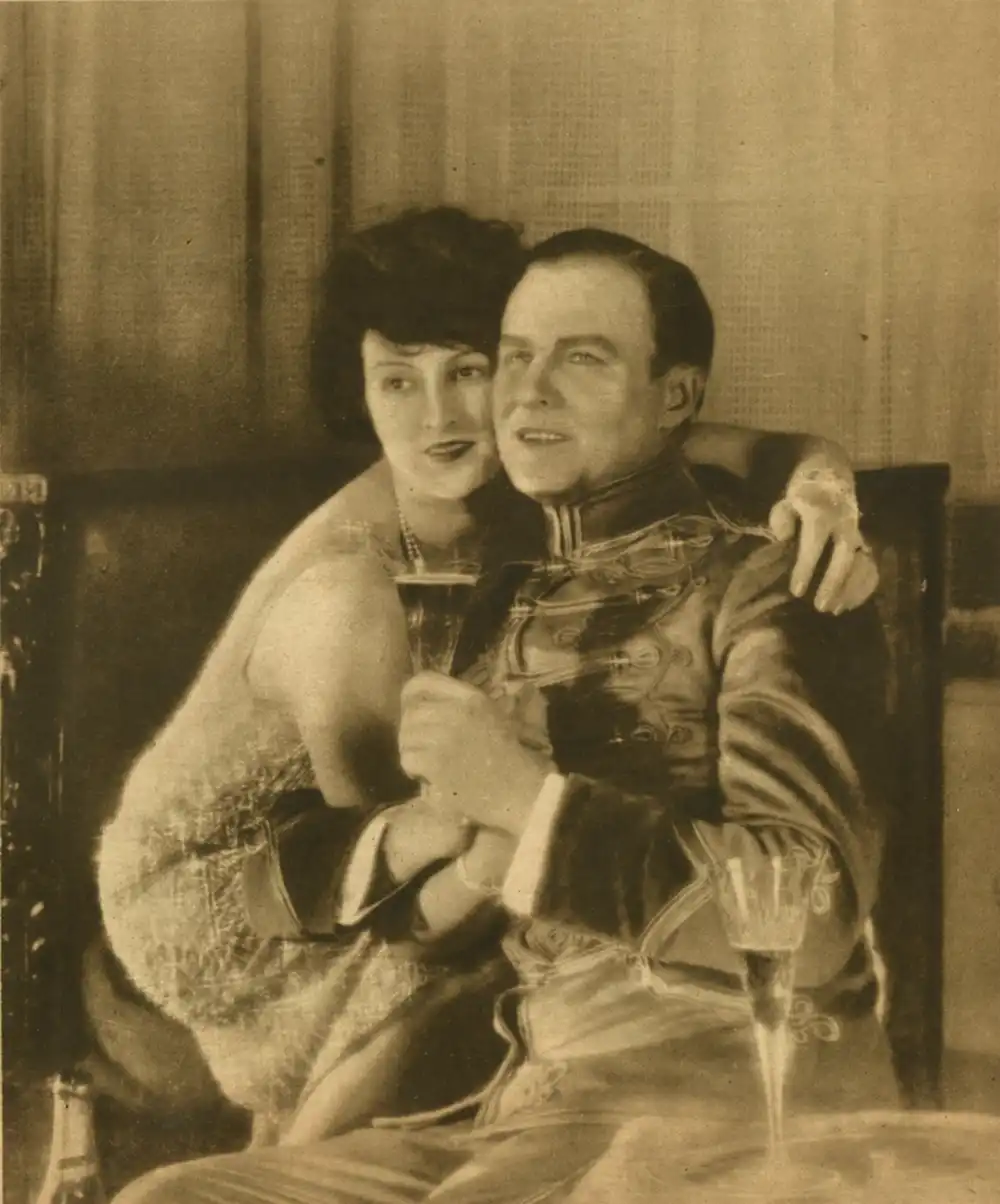
The Stolen Play is a film that meanders through the labyrinthine corridors of the human psyche, where the boundaries between reality and fantasy are constantly blurred. With its dark, orange-hued tones, the film sets the stage for a drama that is as much about the human condition as it is about the creative process. At the heart of this narrative is Sylvia Smalley, played by Lucy Blake, whose character serves as the emotional anchor of the story. Her relationship with Charles Edmay, the blind playwright, is one of deep devotion and respect, illuminated by the warm, yellow glow of their mutual admiration.
The entrance of Leroux, the producer, marks a significant shift in the dynamics of the story. His character, with its sea blue undertones, symbolizing calmness and tranquility, belies a nature that is manipulative and cunning. The way he exploits Sylvia's hypnotic state to extract the script from her is a stark reminder of the darker aspects of human nature. The film's exploration of hypnosis as a tool for creative expression and manipulation raises important questions about the ethics of artistic production and the responsibility that comes with power.
One of the most compelling aspects of The Stolen Play is its use of dreams as a narrative device. Sylvia's realization that the entire ordeal was a product of her fevered imagination serves as a commentary on the blurring of reality and fantasy. This theme is reminiscent of other films, such as Her Father's Son, which also explore the complexities of the human psyche. The film's conclusion, with its dramatic and unexpected twist, leaves the viewer pondering the nature of reality and the power of the human imagination.
The cinematography of The Stolen Play is noteworthy for its use of lighting and color to create a sense of atmosphere and mood. The yellow hues that dominate the scenes between Sylvia and Edmay create a sense of warmth and intimacy, while the sea blue tones that characterize Leroux's character serve to underscore his calm and collected demeanor. The use of dark orange tones in the film's climax adds a sense of urgency and tension, highlighting the dramatic nature of the events that are unfolding.
In comparison to other films of the era, such as An Amateur Orphan and Paz e Amor, The Stolen Play stands out for its unique blend of psychological drama and creative exploration. The film's themes of deception, manipulation, and the blurring of reality and fantasy are also echoed in Wenn das Herz in Haß erglüht and Mysteries of Paris.
The Stolen Play is a film that will appeal to viewers who enjoy complex, psychologically driven narratives. With its sea blue undertones and dominant themes of creativity and deception, the film is a must-see for anyone interested in the cinematic exploration of the human condition. As a work of cinematic art, The Stolen Play is a testament to the power of film to capture the intricacies of human emotion and the boundless potential of the human imagination. For those interested in exploring more films that delve into the complexities of human psychology and the creative process, Money Magic, Pigen fra Palls, and The Master Cracksman are highly recommended.
Ultimately, The Stolen Play is a film that will leave viewers questioning the nature of reality and the power of the human imagination. With its complex characters, intricate plot, and thought-provoking themes, the film is a masterpiece of cinematic storytelling that will continue to captivate audiences for generations to come. For a deeper understanding of the cinematic landscape of the era, viewers may also find A Victim of the Mormons, Marse Covington, Ivanhoe, A Hungry Heart, Poludevy, The Victory of Conscience, and The Medicine Man to be similarly thought-provoking and engaging.
IMDb —
1920
Community
Log in to comment.