DbcultAccessing Vault...
Cult Review
Senior Film Conservator
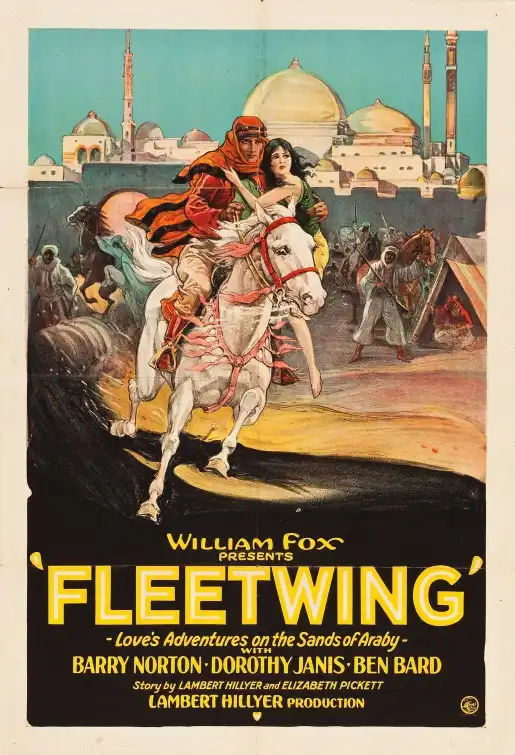
For those with a genuine interest in silent cinema, particularly Westerns, Fleetwing (1928) offers a surprisingly engaging, if conventional, experience. It’s a film that largely delivers on its genre promises: a clear hero, a dastardly villain, a damsel in distress, and plenty of horse action. Modern viewers accustomed to rapid-fire dialogue and intricate plots will likely find its pacing deliberate and its narrative straightforward. However, if you appreciate the visual storytelling and physical performances inherent to the silent era, and don't mind a predictable storyline, then Fleetwing is a solid entry worth seeking out. If silent films are typically a struggle for you, this one isn't likely to convert you.
The success of any silent film hinges on its actors’ ability to convey emotion and intent without dialogue, and Fleetwing largely benefits from a committed cast. James H. Anderson, as the stoic ranch foreman Bob Harvey, carries the film with a quiet earnestness. His expressions are broad enough for the era but rarely feel entirely overwrought, particularly in scenes where he's simply interacting with his beloved horse, Fleetwing. There’s a believable affection in his gaze towards the animal that anchors his character’s motivations. He’s the quintessential silent Western hero, strong and upright.
Dorothy Janis, as Alice, plays the more reactive role, often conveying distress or budding affection. Her performance is competent, if not particularly memorable. She hits the expected emotional beats, but there’s little beyond the archetype. The real standout, in terms of sheer presence, is Ben Bard as the villainous Kid Morgan. Bard embraces the theatricality of the silent antagonist, with his sneering expressions and overtly menacing gestures. He’s not subtle, but he’s effective, providing a clear foil for Anderson’s reserved hero. During a particular scene where he’s trying to intimidate a ranch hand, the way he slowly pulls a bandana from his pocket, almost caressing it before tying it around his face, speaks volumes about his character’s calculated menace without a single title card needing to explain it.
The supporting cast, including Blanche Friderici and Erville Alderson, provides solid background, adding to the sense of a lived-in ranch community, though their roles are mostly functional.
As expected for a film of its era, Fleetwing maintains a deliberate pace. The narrative unfolds through a series of well-composed shots interspersed with title cards that clarify dialogue and plot points. For a contemporary audience, some of these cards might feel a little redundant, stating obvious emotional states already evident in the actors' faces. However, they are generally concise and move the story forward without dwelling too long.
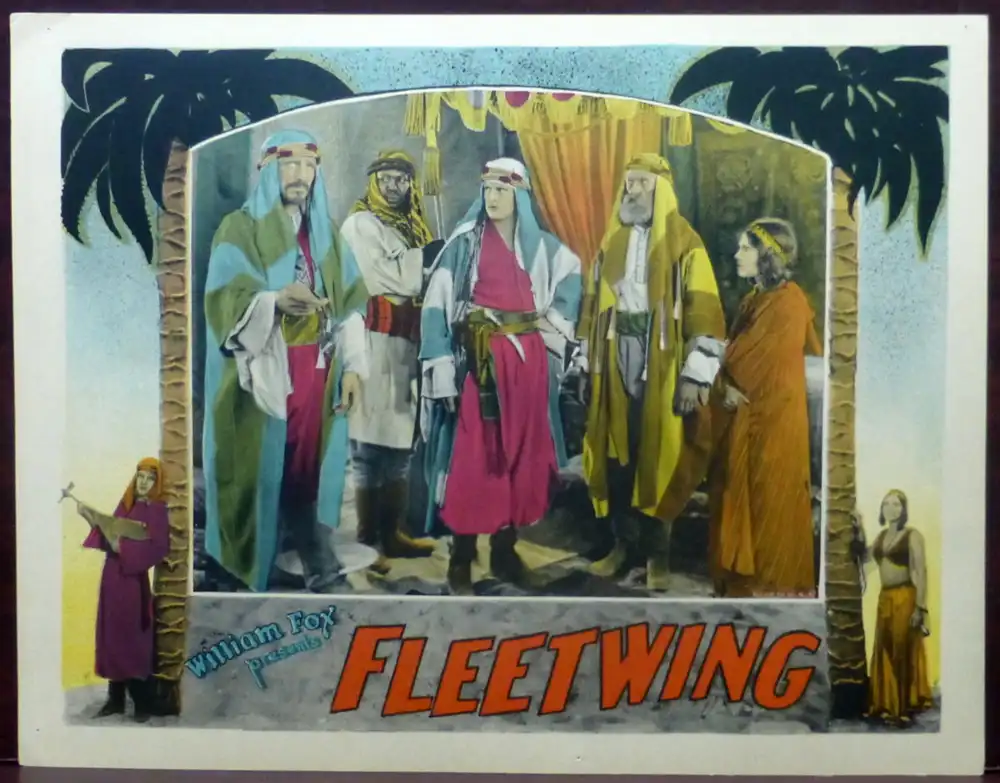
The tone is consistently adventurous, with elements of romance and suspense woven throughout. Director Lambert Hillyer understands the beats of a Western. The early scenes establishing Bob Harvey's bond with Fleetwing and Alice are gentle, almost idyllic, contrasting sharply with the sudden, jarring introduction of Kid Morgan’s gang. The shift from pastoral calm to impending danger is handled effectively, largely through editing that quickens the rhythm and tighter shots on the characters’ faces as the threat looms. There are moments of genuine tension, particularly during the horse theft sequences, which are expertly choreographed.
Where the pacing occasionally falters is in some of the reaction shots, which can linger a touch too long. A few scenes could have benefited from slightly tighter editing, especially after a dramatic event, where characters are allowed an extra beat to absorb the impact. This isn't a major detractor, but it’s noticeable if you’re not fully immersed in the silent film experience.
Visually, Fleetwing is a handsome film. The cinematography captures the sweeping landscapes of the American West with a keen eye, making good use of natural light. The outdoor sequences, particularly those involving the horses, are the film's strongest asset. The camera work during the chase scenes is dynamic, especially for the period, often following the horses closely, giving a real sense of speed and movement. You can feel the dust kicked up, even in black and white.
The production design for the ranch and saloon interiors is functional and believable, avoiding overly elaborate sets that would distract from the action. The costumes are authentic to the period, from the worn leather chaps of the ranch hands to the more tailored suits of the villains. One specific detail that caught my eye was the way Fleetwing, the horse itself, is filmed; the camera often focuses on its powerful gait and intelligent eyes, almost giving the animal a personality of its own, making its eventual theft feel genuinely impactful. The close-ups on Fleetwing's face, especially when it's agitated or responding to Bob's commands, are surprisingly effective in conveying its role as more than just a prop.
Fleetwing is a commendable silent Western that understands its strengths. It's not a groundbreaking cinematic achievement like The Four-Flusher, nor does it attempt to push the boundaries of narrative or visual style. Instead, it offers a solid, entertaining entry into a popular genre, showcasing the enduring appeal of a well-told story, even without spoken words. For fans of silent films and classic Westerns, it’s a rewarding watch that provides a glimpse into the filmmaking sensibilities of the late 1920s. For casual viewers, it might be a bit of a stretch, but if you’re willing to meet it on its own terms, Fleetwing still has enough gallop left to carry you through.
IMDb —
1929
Community
Log in to comment.