DbcultAccessing Vault...
6/10
Senior Film Conservator
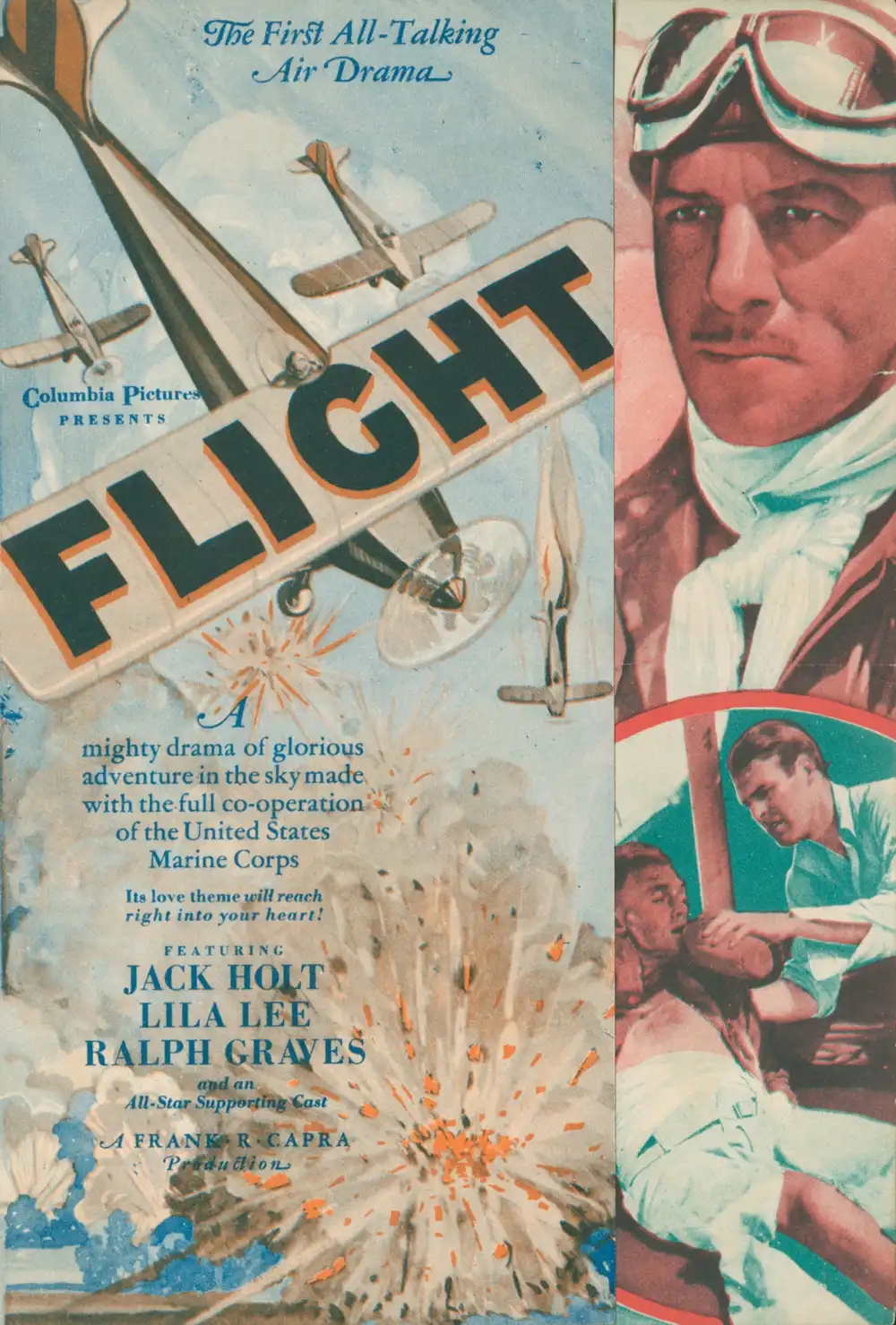
A definitive 6/10 rating for a film that redefined the boundaries of cult cinema. Flight remains a cornerstone of transgressive art.
If you are looking for a movie where men wear leather jackets and look at the sky with very serious eyes, then *Flight* is definitely for you.
It is worth watching today mostly if you care about how movies used to be made when sound was still a new, scary thing. If you hate slow-moving plots or people shouting their lines like they are in a high school play, you should probably skip this one.
The movie starts out in a really weird way with a football game. Ralph Graves plays 'Lefty' Phelps, and he messes up a big play, which makes everyone in the stadium hate him immediately.
I found it kind of funny how dramatic they made a dropped football. Like, his life is basically over because he didn't catch a ball, so he does the only logical thing and joins the Marines.
That is where he meets Panama Williams, played by Jack Holt. Holt has one of those faces that looks like it was carved out of a piece of very old wood.
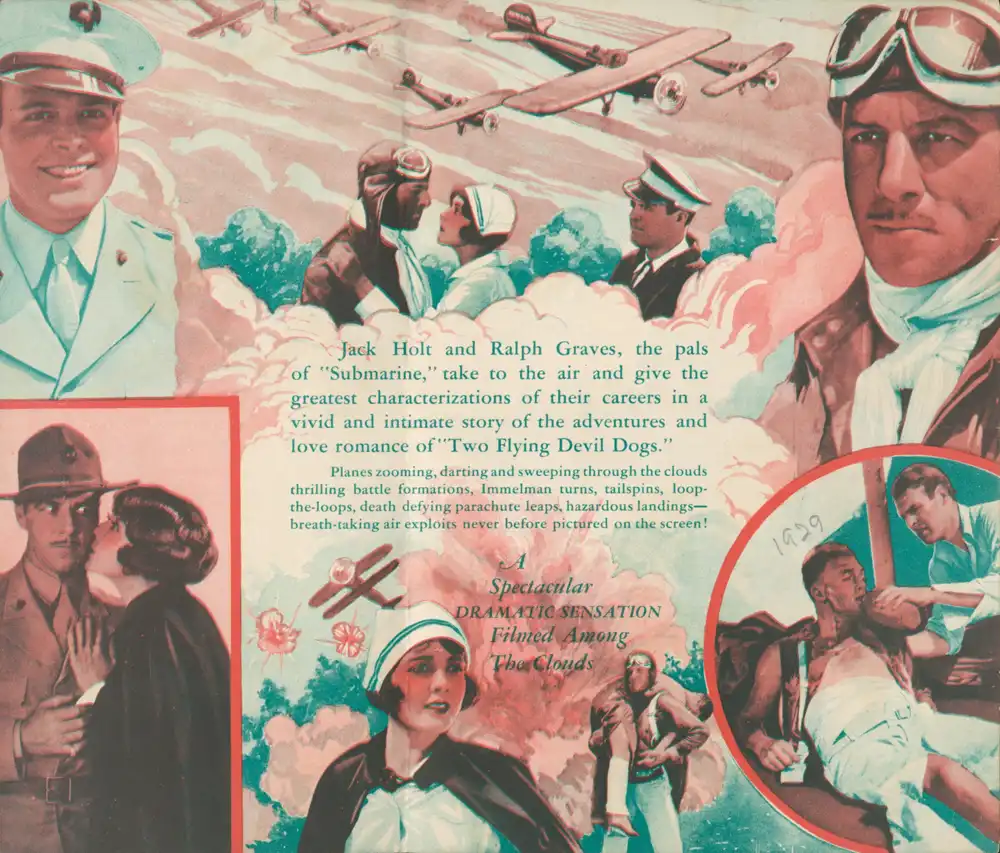
He is the flight instructor, and he spends alot of time yelling at Lefty. But you can tell they are going to be best friends because they keep hitting each other on the shoulder.
The whole thing gets complicated when Elinor shows up. She is a nurse, played by Lila Lee, and she is basically there to be pretty and give the guys something to fight about.
There is this one scene in the hospital where the lighting is just a bit too bright. It makes everyone look like they are glowing, which is a bit distracting when they are trying to be romantic.
I noticed a small detail where a pilot is drinking from a canteen and he spills half of it on his shirt. They just kept filming anyway, which I liked.
The sound in this movie is something else. Since it was 1929, the microphones were probably huge and hidden inside boxes or behind bushes.
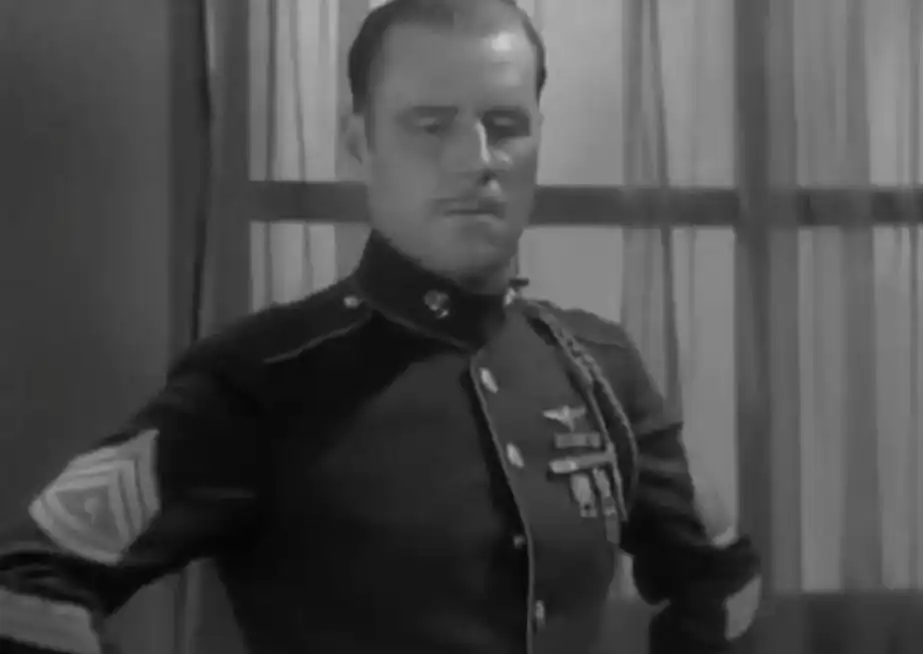
You can tell the actors are trying really hard to speak clearly. Sometimes they stand perfectly still while talking, probably because they were told not to move away from the hidden mic.
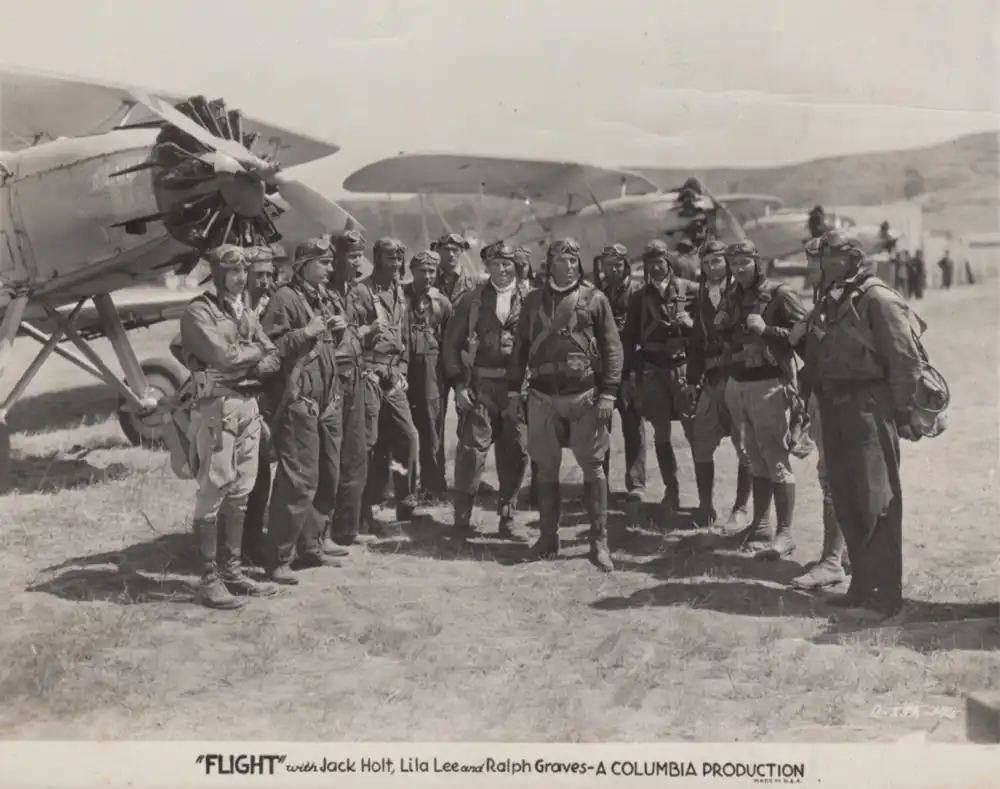
The plane engines are incredibly loud. It is a constant whirring sound that almost drowns out the talking during the flying scenes.
Speaking of the flying, those parts are actually the best. There is no CGI, so when you see a plane zooming past a tree, it is actually doing it.
It feels way more dangerous than modern movies. You can almost feel the wind and the grease on the screen.
The story shifts to Nicaragua later on, and it gets surprisingly gritty. It is not just about romance anymore; there are actual stakes and people getting hurt in the jungle.
I saw Walter Brennan in a tiny role as a soldier. He looks so young it is almost hard to recognize him without his usual old-man hat.
There is a scene where a plane crashes in the brush, and the way the smoke rises feels very real. It doesn't look like a controlled Hollywood explosion; it looks like a mess.
The friendship between Jack Holt and Ralph Graves is the real heart of the movie, even more than the stuff with the nurse. They have this weird chemistry where they are always competing but would also die for each other.
It reminded me a bit of the vibe in The Silent Flyer, but with more shouting. If you have seen The Great Divide, you know that 1929 was a big year for these kinds of outdoor adventures.
One thing that bugged me was how often they used the same shot of the airfield. You can see the same guy walking in the background in three different scenes.
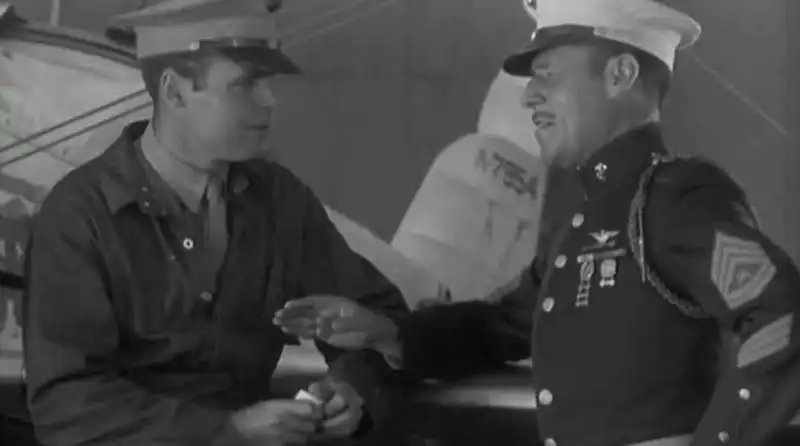
And the dialogue... oh boy. It is very simple. "I like you, Lefty." "I like you too, Panama."
But maybe that is just how people talked back then? Or maybe they just didn't want to confuse the audience with too many big words while the planes were buzzing.
There is a sequence where they are trapped in the jungle that goes on for a bit too long. The tension starts to fade away because they just keep walking past the same looking trees.
I did like the part where they use a machine gun to signal for help. The rhythm of the shots is actually used as a plot point, which was clever for the time.
Lila Lee is good as Elinor, but she doesn't get much to do besides look worried. She spends a lot of time looking at the horizon, waiting for a plane to appear.
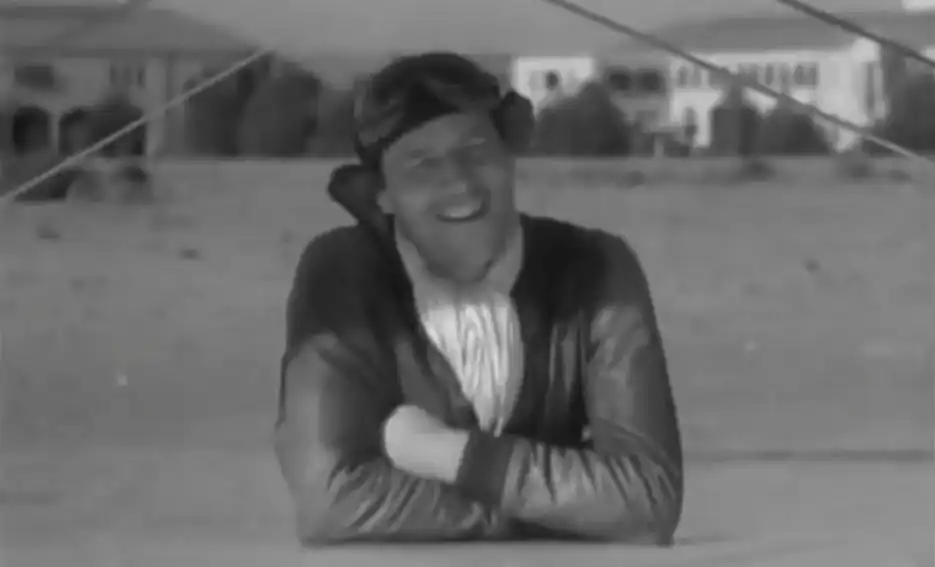
It is a bit like Fools and Their Money in how it handles the romance—kind of fast and without much logic. But hey, it’s a movie about pilots, not a philosophy class.
The ending is pretty predictable, but it feels earned. You get a big final flight and some heroic moments that make you want to cheer a little bit.
I think Frank Capra was still finding his style here. You can see hints of the great director he would become, but it is still very much a 'studio' film.
It’s a dusty, loud, and slightly clumsy piece of history. I’m glad I watched it, even if I probably won’t watch it again for a long time.
If you enjoy seeing how sound changed movies, or if you just like biplanes, give it a go. Just be prepared for a lot of static and some very stiff acting.
IMDb 5.9
1913
Community
Log in to comment.