DbcultAccessing Vault...
5.7/10
Senior Film Conservator
A definitive 5.7/10 rating for a film that redefined the boundaries of cult cinema. Ships of the Night remains a cornerstone of transgressive art.
If you’re looking for a lost masterpiece of the silent era, keep looking. Ships of the Night is one of those movies that feels like it was made by people who had a very specific deadline and a limited supply of fake palm trees. It’s worth watching if you have a soft spot for 1920s melodrama or if, like me, you’ll watch anything that features Sôjin Kamiyama. If you’re looking for a tight, high-stakes thriller, you’re probably going to find this pretty tedious. It’s a completionist’s movie.
The whole plot hinges on Donald Hearne (Arthur Rankin) fleeing to Borneo because he thinks he killed a guy. The movie doesn't spend a lot of time on the actual guilt or the psychological weight of that; it’s mostly just a reason to get the characters onto a boat. When his name is eventually cleared back home, his sister Johanna (Jacqueline Logan) decides she’s the only one who can go get him. It’s a classic setup, but the execution is… let's say, uneven.
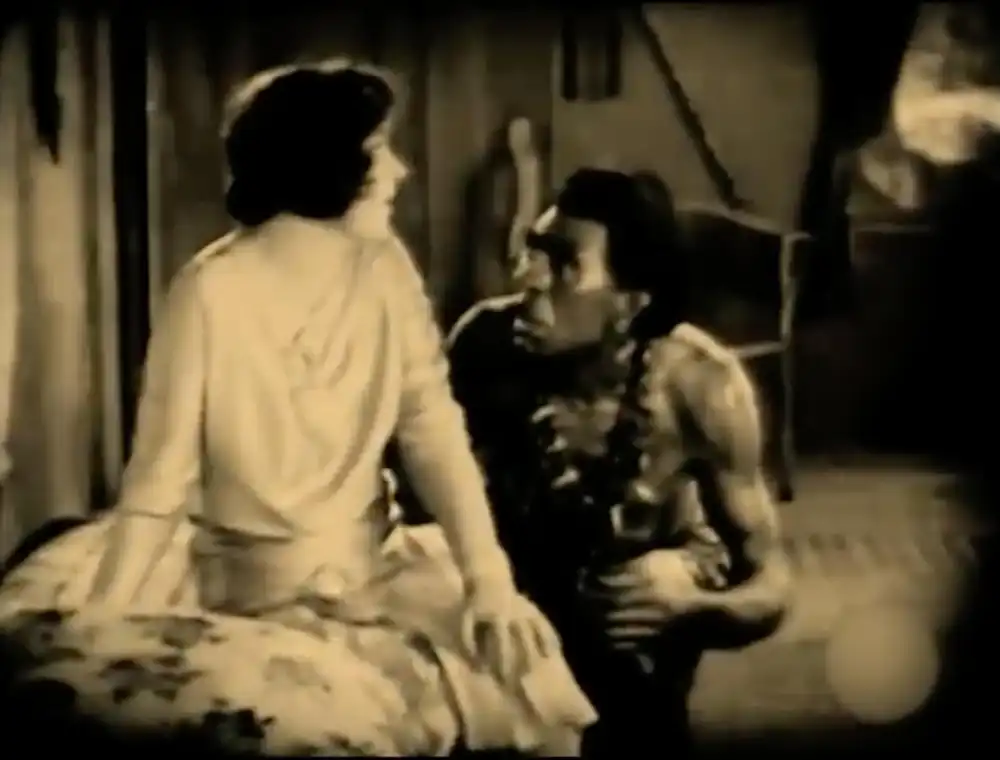
Jacqueline Logan is fine, I guess. She spends a lot of the movie looking intensely concerned, which is the default setting for heroines in these types of films. But she feels a bit too well-groomed for the trek she’s supposedly making. There’s a scene where she’s meant to be facing the elements, but her hair is so perfectly set it’s distracting. It takes you out of the moment. You’re less worried about the pirates and more wondering what kind of 1920s pomade she’s using.
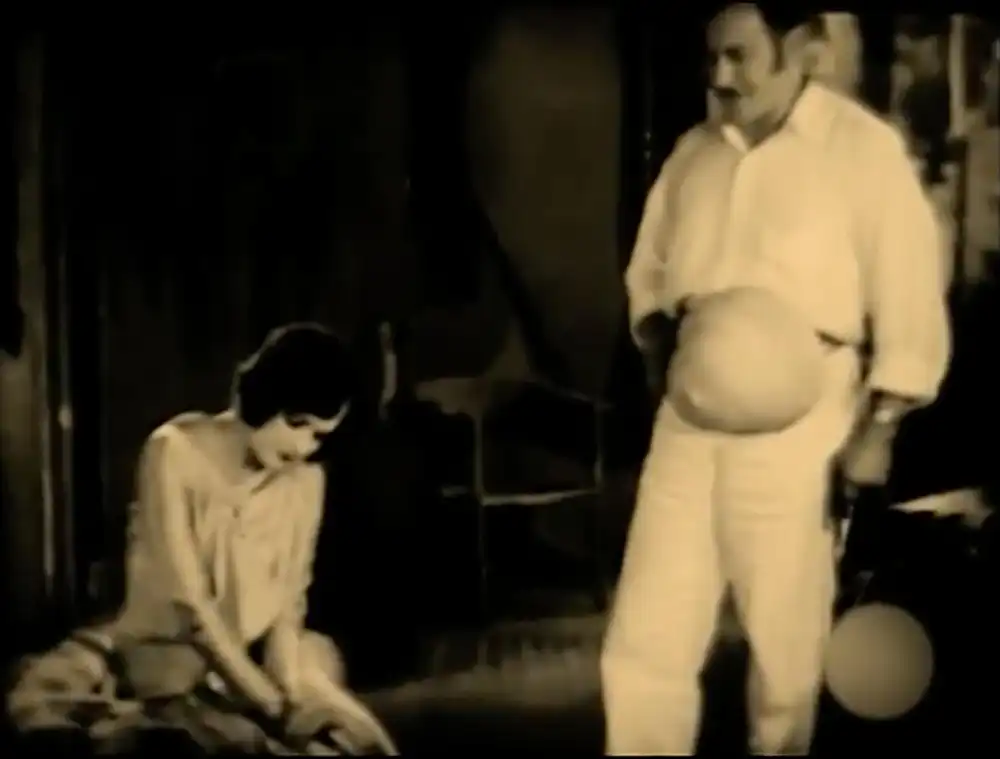
The real reason to watch this is Sôjin. He plays the villainous Yut Si with this incredibly specific, slinking movement. He doesn't just walk; he sort of glides into a room. There’s a moment where he’s just watching Johanna from a distance, and the camera stays on his face for a beat too long. It’s uncomfortable, but it’s the only time the movie feels genuinely tense. Sôjin had this way of using his eyes that made everyone else on screen look like they were overacting. Compared to the frantic gestures of the other cast members, he’s doing something much more modern and interesting.
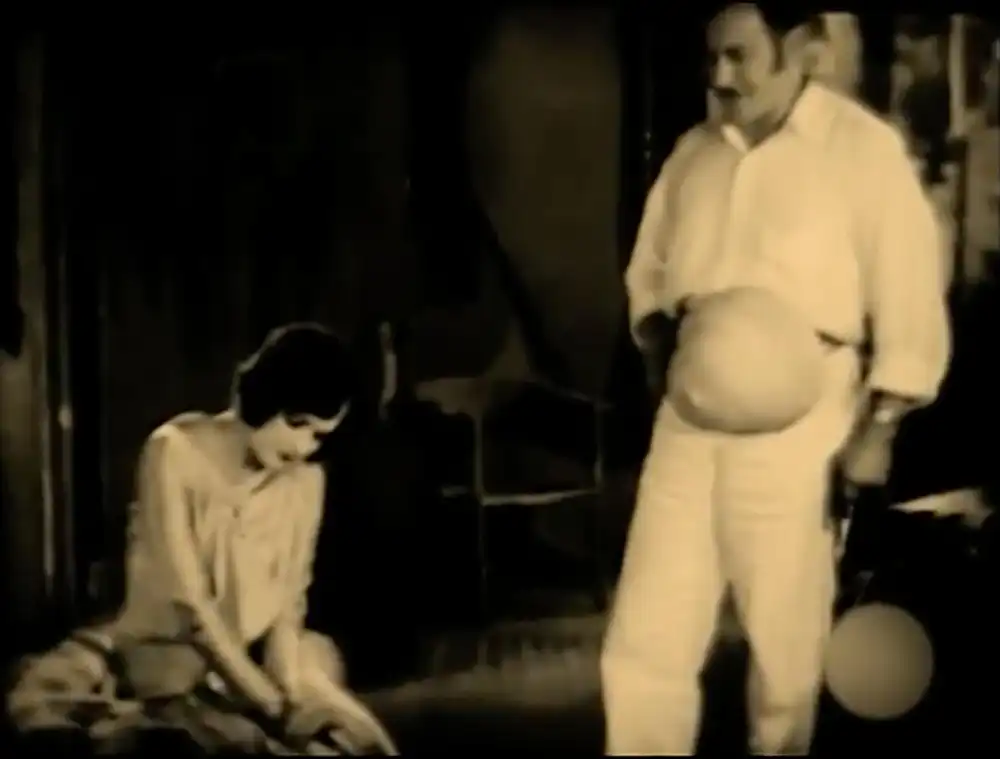
The Borneo sets are a bit of a laugh. It’s clearly a backlot or a very specific stretch of the California coast. There’s a shot where the characters are walking through the 'jungle' and you can practically see where the potted plants end and the actual dirt begins. It lacks the atmosphere of something like A Girl in Every Port, which at least felt like it understood the grime of a port town. Ships of the Night feels too clean, even when people are supposed to be in danger.
The pacing is where it really falls apart. The middle section drags significantly. There are these long sequences on the ship where not much happens other than people looking at the horizon. I found myself checking the time during a scene where Johanna is talking to the captain. The dialogue cards are standard stuff—lots of 'I must find him!' and 'The sea is a cruel mistress'—nothing that really sticks in the ribs. It’s much less engaging than the weird tension in The Trap.
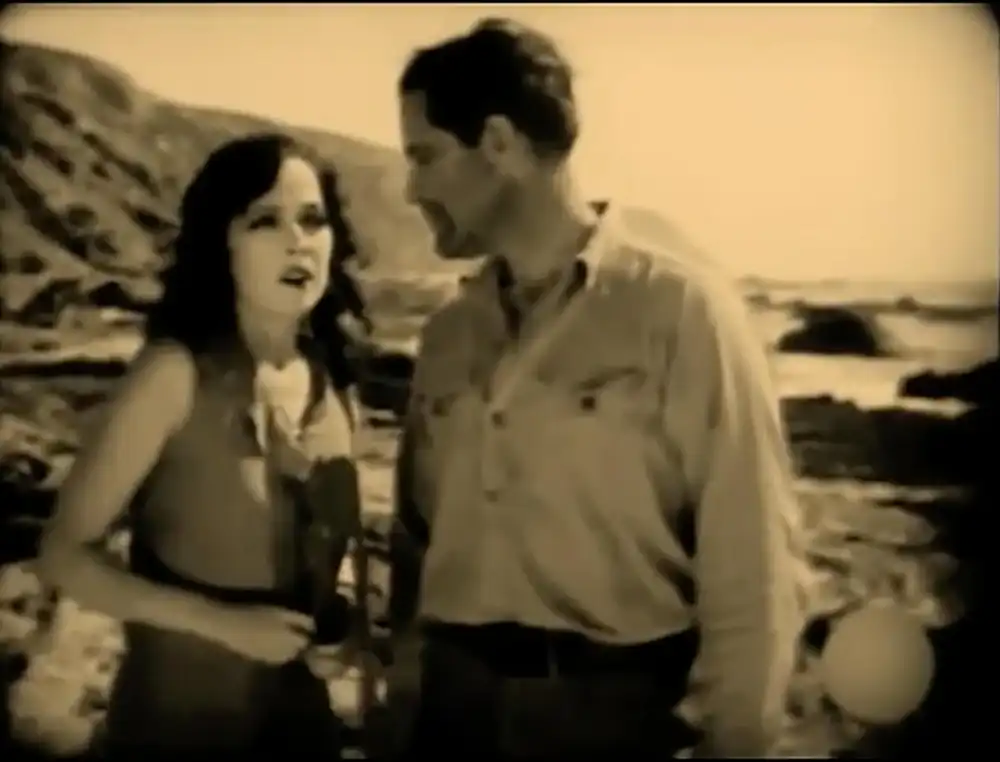
I did like the way the 'island justice' was handled, though. It’s very melodramatic, but there’s a shot of a local court scene that has some interesting shadows. The lighting gets surprisingly moody for about three minutes before jumping back to the flat, bright look of the rest of the film. It feels like a different cinematographer walked on set for an afternoon and then left.
Frank Moran is in this too, and he brings a bit of physical presence, but the action scenes are clunky. There’s a fight toward the end that looks more like a choreographed dance where half the participants forgot the steps. People fall over before they’re actually hit. It’s that specific brand of silent movie combat that feels more like a playground scuffle than a life-or-death struggle.
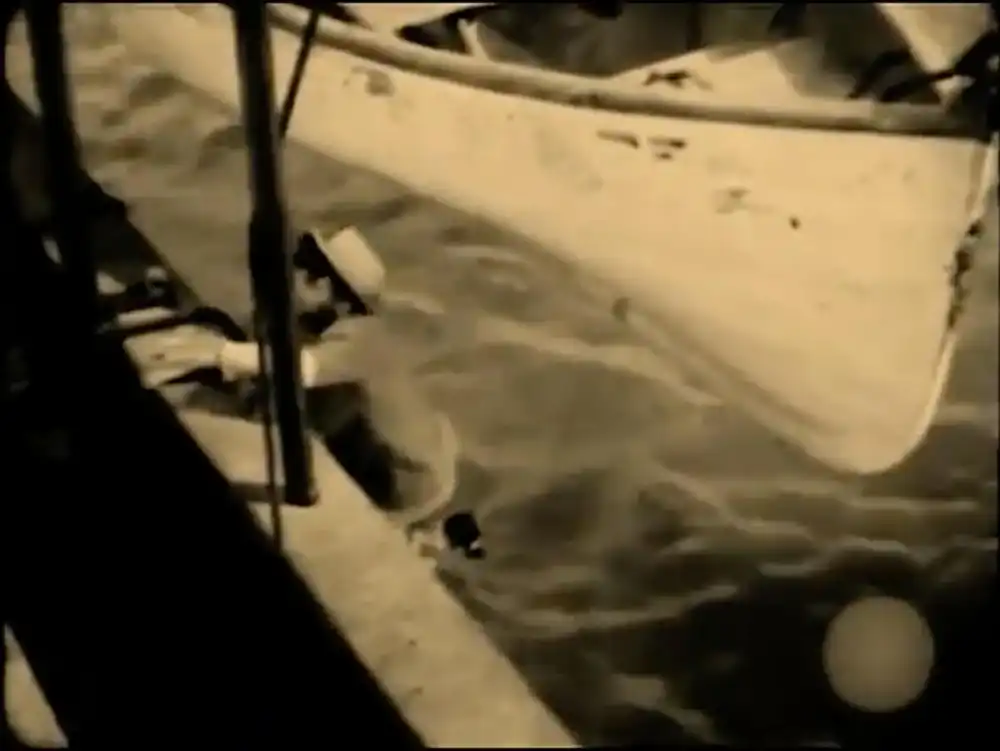
Donald’s reaction when he finds out he didn't actually kill anyone is also a bit much. Arthur Rankin goes for the full-body sob, which feels a bit unearned given how little we’ve actually seen of his 'tortured' life in exile. He mostly just looked bored in his earlier scenes. The emotional payoff isn't really there because the movie didn't do the work to make us care about Donald as a person—he’s just a MacGuffin with a mustache.
Ultimately, Ships of the Night is a movie of small moments. A weird look from Sôjin, a particularly nice shot of a sailing ship at dusk, a costume that looks completely out of place. It’s not a 'good' movie in the traditional sense, but it’s a fascinating artifact of how Hollywood used to churn out 'exotic' adventures like they were on an assembly line. If you’ve seen The Master Mystery, you know the vibe—action for the sake of action, even if the logic is a bit leaky.
It’s okay to skip this one unless you’re doing a deep dive into 1928. It’s a bit of a ghost of a movie. It exists, it moves, it has some faces you’ll recognize, but it doesn't leave much of an impression once the lights come up. I forgot half the character names before I even finished my notes.

IMDb —
1924
Community
Log in to comment.