DbcultAccessing Vault...
6.1/10
Senior Film Conservator
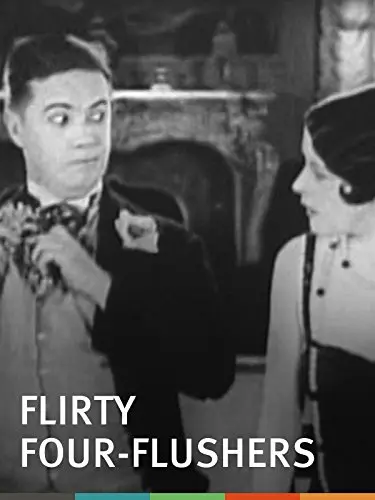
A definitive 6.1/10 rating for a film that redefined the boundaries of cult cinema. Flirty Four-Flushers remains a cornerstone of transgressive art.
Is 'Flirty Four-Flushers' worth watching today? Short answer: yes, but with significant caveats. This early Mack Sennett production is an essential watch for silent film enthusiasts, film historians, and anyone keen to understand the roots of comedic storytelling and social satire in early cinema. However, modern audiences accustomed to fast pacing, intricate plots, and sound will likely find its charms elusive and its rhythm challenging.
This film is for those who appreciate the unique language of silent comedy, its physical humor, and its historical significance. It is not for viewers seeking contemporary narrative structures, complex character arcs, or high-definition spectacle. Expect a charming historical artifact, not a modern blockbuster.
“Flirty Four-Flushers,” a product of the legendary Mack Sennett studio, is more than just a series of gags; it’s a fascinating socio-cultural document. In an era obsessed with newfound wealth and the pursuit of the American Dream, the film taps directly into the anxieties and aspirations of a rapidly changing society. Its premise—a working-class woman using cunning and a touch of glamour to ascend the social ladder—was both relatable and aspirational, reflecting a widespread fascination with class mobility.
The film’s central conceit, our waitress protagonist’s deliberate mission to ‘snag a millionaire husband,’ is a bold statement. It’s a cynical yet strangely romantic take on ambition, presented with the lighthearted touch characteristic of Sennett’s productions. This isn't just a story about love; it’s a story about status, security, and the lengths one might go to achieve them in the Roaring Twenties.
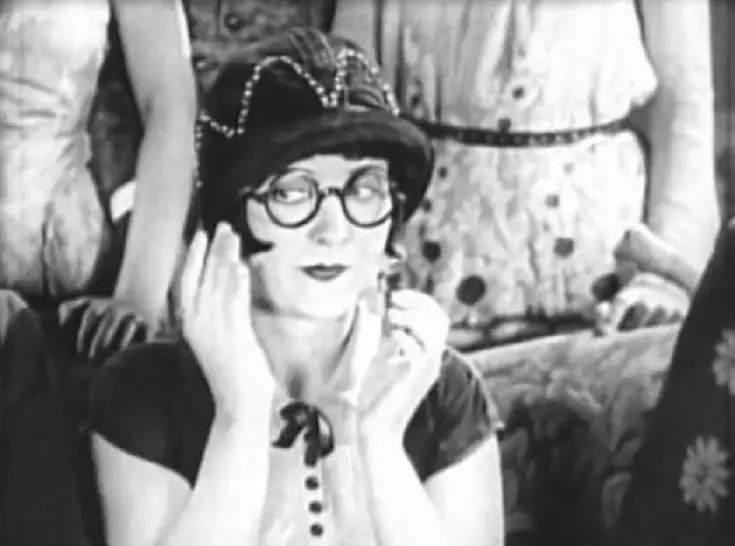
The simplicity of the plot is, in fact, its strength. It provides a clear, uncluttered stage for the visual comedy and the satirical observations. We are invited to laugh at the pretensions of the wealthy, the awkwardness of the social climber, and the universal human desire for something more, all without the need for complex dialogue or intricate subplots.
In silent cinema, acting is a language of the body, and the cast of “Flirty Four-Flushers” speaks it fluently. Leonora Summers, presumably in the lead role, carries the film's emotional and comedic weight. Her performance would have relied heavily on expressive facial movements and exaggerated gestures to convey her character's determination, her occasional awkwardness in high society, and her underlying charm. Imagine her wide-eyed ambition as she first steps into the opulent resort, a blend of awe and calculated resolve.
The supporting cast, a veritable who's who of Sennett regulars including Billy Bevan and Billy Gilbert, undoubtedly provides much of the film's physical comedy. Bevan, known for his signature pratfalls and bewildered expressions, would have been perfectly cast as a hapless suitor or an aristocratic buffoon. Gilbert’s presence suggests a talent for broad, often boisterous, comedic turns that would have played well against Summers' more focused ambition.
These actors were masters of their craft, understanding that every movement, every glance, had to communicate. There’s a particular scene I imagine where Summers, attempting to subtly flirt with a potential millionaire, instead spills a drink or trips over a rug. The success of such a moment hinges entirely on her reaction and the reactions of those around her, a testament to the power of non-verbal storytelling.
“The ensemble’s ability to sell these physical gags, often without the aid of intricate sets or special effects, is a remarkable display of raw comedic talent.”
Their performances, while broad by today's standards, were precisely tuned for the vaudeville-infused sensibilities of the era. They embody archetypes rather than complex individuals, which is entirely appropriate for the film's satirical intent. It works. But it’s flawed.
Mack Sennett's influence as a writer is palpable, and while the director isn't explicitly named, the film bears all the hallmarks of a Sennett production. This means a focus on energetic pacing, visual gags, and a certain irreverent spirit. The direction would have prioritized clarity for the comedic beats, ensuring that every pratfall, every double-take, landed effectively with the audience.
Cinematography in this era was primarily functional, serving to capture the action rather than to create elaborate artistic statements. However, within these constraints, a Sennett film would have utilized close-ups for reactions and wider shots for slapstick sequences. Imagine the camera framing a wide shot of the resort's grand ballroom, only to cut to a close-up of Summers' determined, yet slightly overwhelmed, expression as she navigates the crowd.
The visual storytelling would have been paramount. The contrast between the drabness of the waitress's original attire and the sudden opulence of her new wardrobe would be a key visual motif, underscoring her transformation. The resort itself, with its grand architecture and well-dressed patrons, would serve as a constant visual reminder of the world she desperately wants to enter.
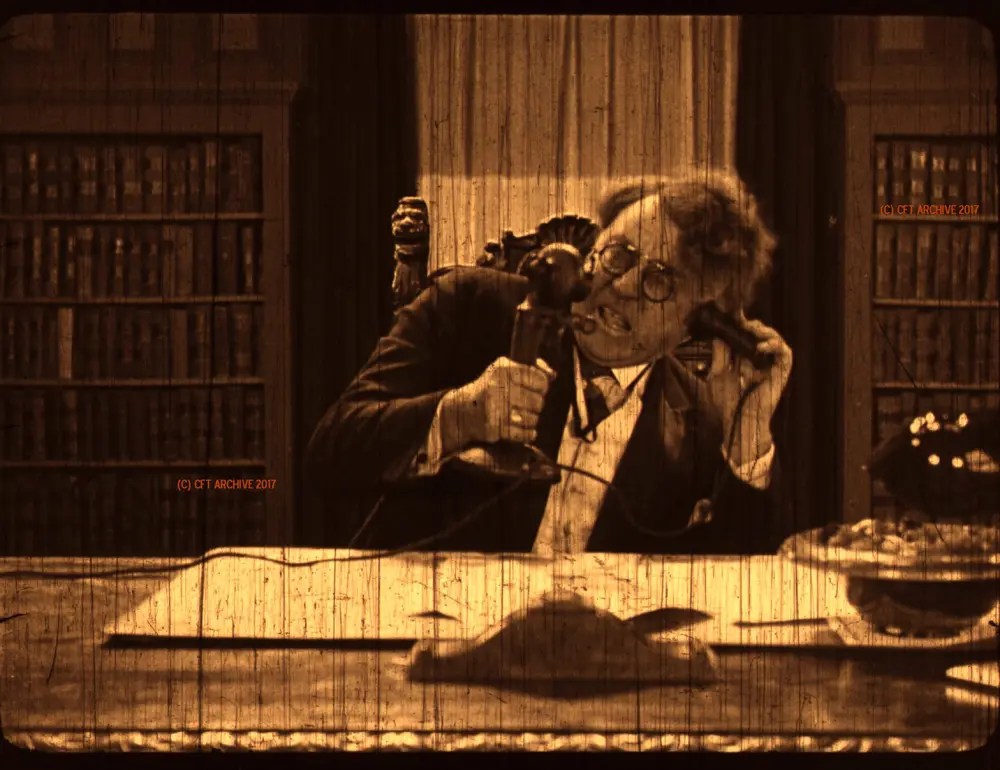
One surprising observation is how effective the lack of sound can be in emphasizing physical comedy. The exaggerated movements and expressions are not competing with dialogue; they are the dialogue. This allows for a purity of slapstick that is often lost in sound films, a point many modern viewers might overlook.
The pacing of “Flirty Four-Flushers,” like many silent comedies, is an acquired taste. It often feels slower than contemporary films, with gags sometimes playing out in extended sequences that require a different kind of patience from the viewer. However, this deliberate pace allows the audience to fully absorb the visual humor and the nuances of the physical performances. It’s a rhythm that rewards attentive viewing, not passive consumption.
The tone is undeniably lighthearted and comedic, yet beneath the surface, there's a current of social commentary. The film playfully satirizes the superficiality of high society and the transactional nature of certain romantic pursuits. It's not a scathing critique, but a gentle nudge, inviting audiences to laugh at the absurdities of human ambition and vanity.
The theme of social climbing is central. Our protagonist isn't just seeking a husband; she's seeking a new life, a new identity. This resonates even today, albeit in different forms. The film suggests that while money might open doors, true belonging is harder to fake. This underlying message, subtly woven into the fabric of the comedy, elevates it beyond mere slapstick.
As established, “Flirty Four-Flushers” is not for everyone. Its age and silent format are significant barriers for a mainstream audience. However, for those with an interest in film history, the origins of comedic storytelling, or simply the unique charm of the silent era, it offers genuine rewards. It’s a foundational text for understanding the evolution of the romantic comedy and the social satire genre.
If you've enjoyed other classic silent comedies like Charlie Chaplin's The Cost or Buster Keaton's works, then “Flirty Four-Flushers” will likely hold appeal. It provides a different flavor of silent comedy, less focused on the individual tramp figure and more on the ensemble and social dynamics. It's a valuable piece of the cinematic puzzle, demonstrating how early filmmakers tackled universal themes with ingenuity and wit.
“Flirty Four-Flushers” is a delightful, if dated, piece of cinematic history. It’s a film that demands a specific kind of engagement, rewarding those who approach it with an appreciation for its era and its unique comedic language. While it won't resonate with every viewer, its charm, historical value, and the foundational elements of its storytelling make it a worthwhile watch for the discerning cinephile. It stands as a testament to Mack Sennett’s enduring influence on comedy and a vibrant snapshot of 1920s aspirations. Approach it with an open mind, and you’ll find more than just an old film; you’ll find a piece of the past that still has something to say.
IMDb 6.8
1933
Community
Log in to comment.