DbcultAccessing Vault...
6.8/10
Senior Film Conservator
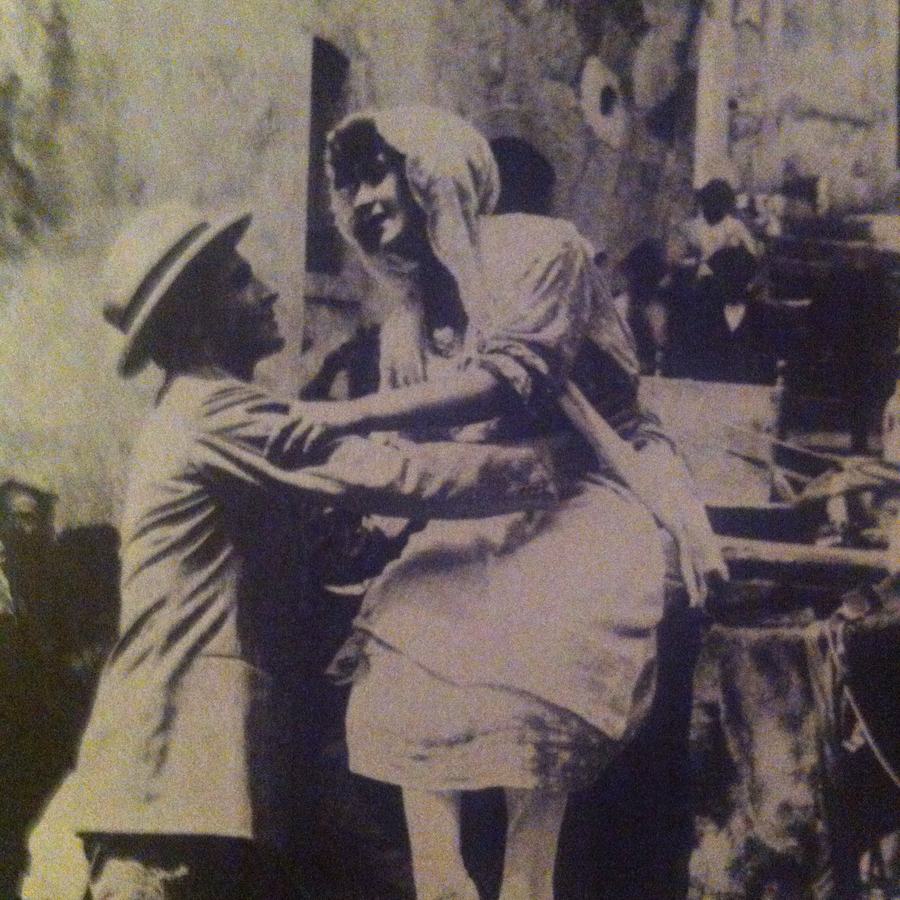
A definitive 6.8/10 rating for a film that redefined the boundaries of cult cinema. The Call of the Blood remains a cornerstone of transgressive art.
Stepping back into the annals of cinematic history often feels like unearthing a forgotten treasure, and Louis Mercanton's 1921 silent drama, The Call of the Blood, is precisely that: a gem that, despite its age, still pulsates with raw, human emotion. This isn't just a film; it's a window into a bygone era of storytelling, where expressions, gestures, and the sheer power of visual narrative carried the weight of a thousand words. Based on the novel by Robert Hichens, this picture plunges us into a tempestuous tale of love, betrayal, and the unyielding grip of ancient traditions, all set against the sun-drenched, yet fiercely unforgiving, backdrop of Sicily.
The narrative unfurls with a palpable sense of impending doom, even amidst the initial romance. We are introduced to Hermione, a wealthy English lady, portrayed with an exquisite blend of aristocratic poise and burgeoning vulnerability by Phyllis Neilson-Terry. Her journey from the cosmopolitan sophistication of Rome to the rustic, almost primal, landscape of Sicily is not merely geographical; it's a descent into a world where the veneer of European civility begins to crack under the intense heat of untamed passions. Accompanying her is Maurice, her lover, brought to life by the undeniable charisma of Ivor Novello. Novello, a silent screen heartthrob of his time, imbues Maurice with an intoxicating blend of charm and dangerous impulsiveness, making his eventual downfall all the more tragic, yet strangely inevitable. Their relationship, initially presented as a passionate escape, quickly reveals its inherent fragility when confronted with the stark realities of a foreign land.
The true catalyst for the unfolding tragedy arrives in the form of Maddalena, a fisherman's daughter, embodied with striking innocence and raw, natural beauty by Desdemona Mazza. Maddalena represents everything Hermione is not: unburdened by social artifice, deeply rooted in her community, and possessing a spirit as wild and free as the Sicilian winds. Maurice, with his urbane sensibilities and restless heart, finds himself irresistibly drawn to this stark contrast. It's a classic tale of the 'other,' where exoticism becomes a dangerous allure, blinding him to the profound cultural chasm that separates them. His infatuation, initially a fleeting fancy, rapidly escalates into a full-blown obsession, leading to a seduction that, in the context of Sicilian honour, is an unforgivable transgression. The film masterfully builds this tension, allowing the audience to witness Maurice's gradual capitulation to his desires, even as the danger signals flash brightly for those attuned to the cultural nuances.
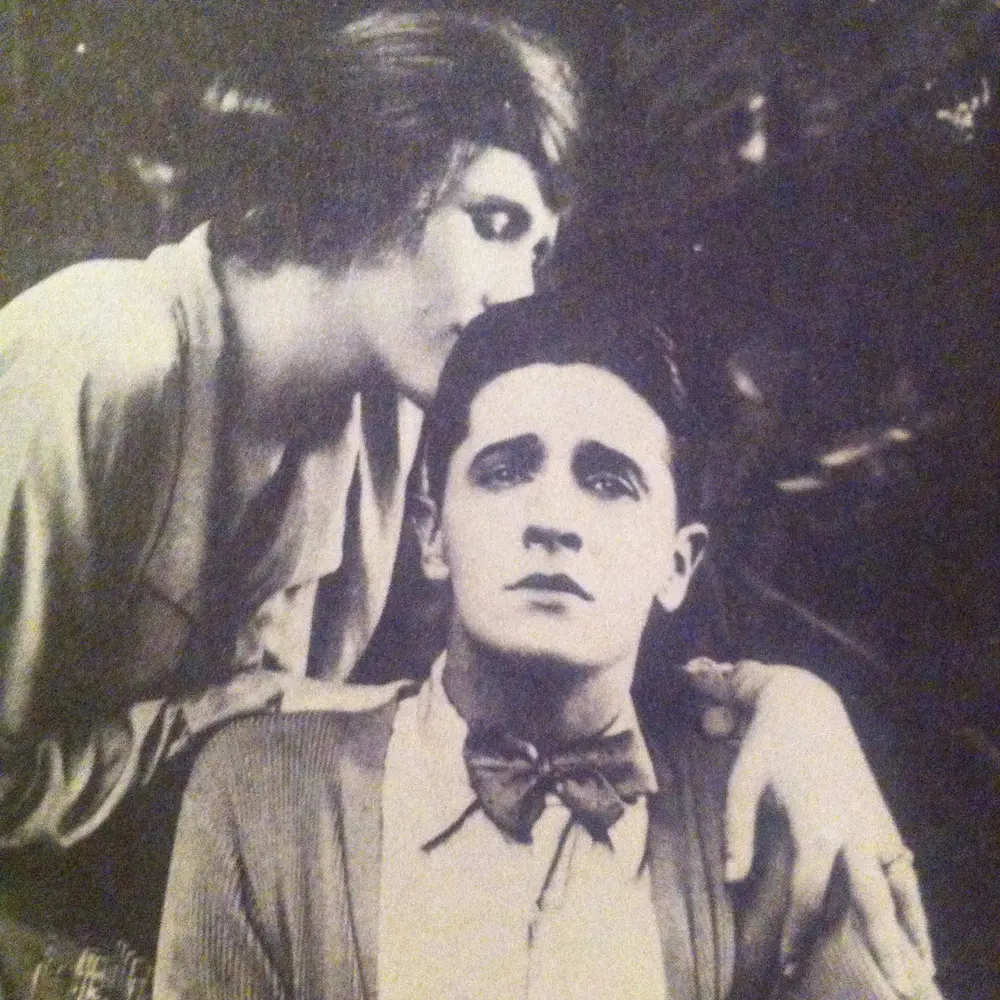
In a silent film, the burden of conveying character, emotion, and plot rests almost entirely on the actors' physical presence, their facial expressions, and their ability to project internal states without uttering a single word. The Call of the Blood is a testament to the power of such performances. Phyllis Neilson-Terry, as Hermione, delivers a portrayal of quiet devastation. Her initial confidence slowly erodes, replaced by a heartbreaking mix of disbelief, hurt, and ultimately, a stoic resignation. One can almost feel the weight of her world collapsing with each stolen glance Maurice casts towards Maddalena. Her eyes, often shadowed with a profound melancholy, convey volumes about the pain of betrayal and the futility of trying to reclaim a love that has strayed so far.
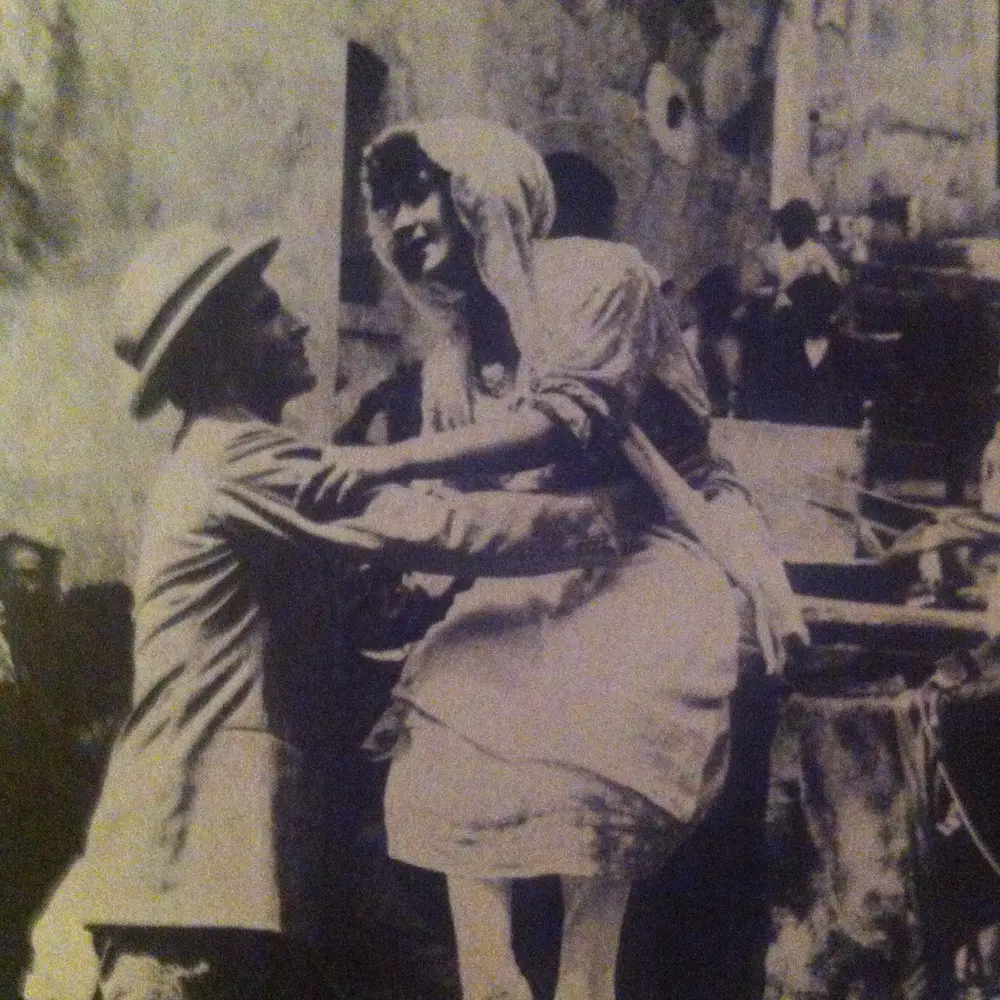
Ivor Novello, a star of immense magnitude in his day, perfectly captures Maurice's conflicted nature. He is not a one-dimensional villain, but rather a man driven by a restless spirit and a fatal inability to control his impulses. Novello’s captivating screen presence makes Maurice’s charm understandable, even as his actions become increasingly reprehensible. His flirtatious glances, his passionate embraces, and his eventual fear are all expertly communicated through his expressive eyes and agile physicality. It’s a performance that reminds us why Novello was such a draw, embodying a romantic ideal tinged with a dangerous edge.
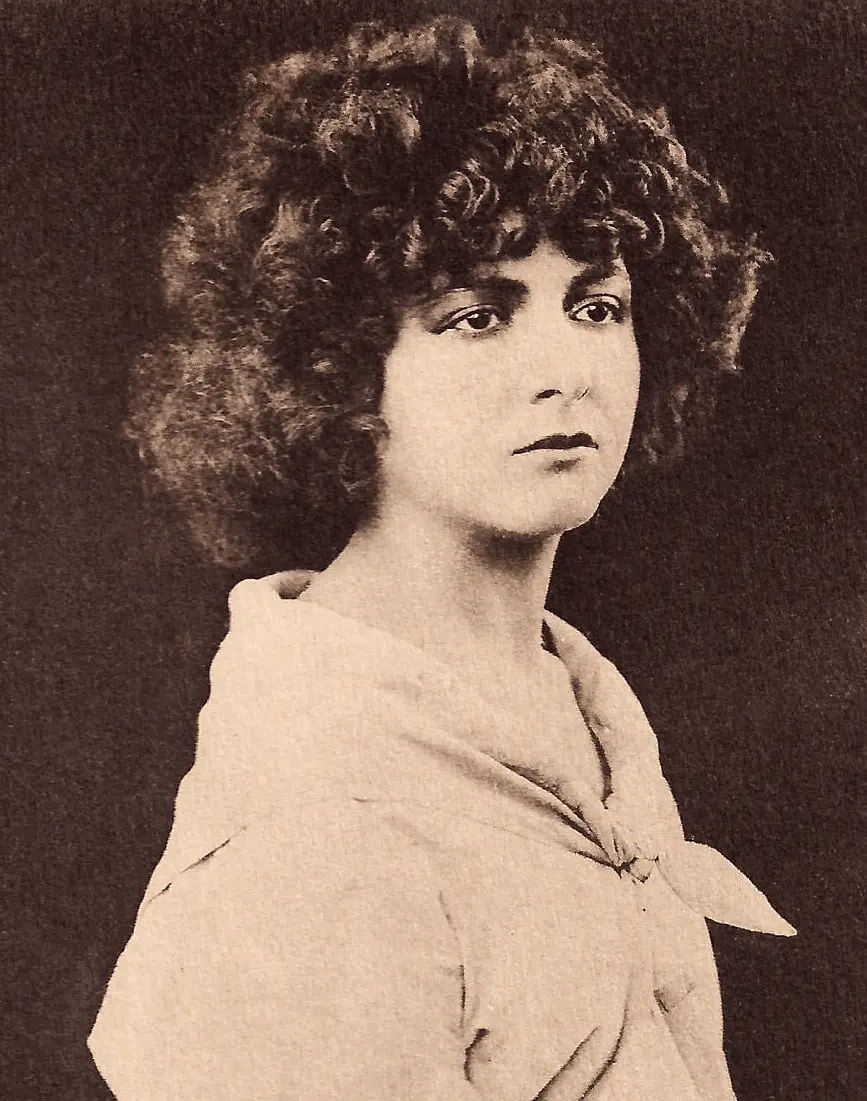
Desdemona Mazza's Maddalena is the heart of the tragedy. Her portrayal is one of pure, unadulterated innocence, a young woman whose life is irrevocably altered by an outsider's selfish desires. Mazza conveys Maddalena's initial shyness, her burgeoning affection for Maurice, and her subsequent shame and despair with a poignant authenticity. She is not just a plot device; she is a victim, and Mazza ensures her plight resonates deeply. The stark contrast between her vulnerability and the ruthless world that engulfs her is beautifully, if tragically, rendered.
And then there is Salvatore, Maddalena's father, played with formidable intensity by Charles Le Bargy. Salvatore is the embodiment of the 'call of the blood' – the unyielding, primal force of family honor and patriarchal duty. Le Bargy's performance is a masterclass in controlled rage and sorrow. His initial paternal affection for Maddalena transforms into a cold, steely resolve when her honour is compromised. The silent film medium often excelled at depicting such archetypal figures, and Le Bargy’s Salvatore is a powerful example, his every gesture loaded with the weight of generations of tradition and the certainty of his vengeful path.
One cannot discuss The Call of the Blood without acknowledging the profound impact of its setting. Sicily is not merely a backdrop; it is a living, breathing character, shaping the destinies of those who walk its ancient paths. The film uses the island's raw beauty – its sun-baked hills, its rugged coastlines, its deep-rooted villages – to amplify the narrative's themes. The contrast between the sophisticated Roman world and the untamed Sicilian landscape is visually striking, hinting at the clash of cultures and values that drives the plot. This geographical juxtaposition serves as a powerful metaphor for the internal conflicts faced by the characters. Maurice, a man of the world, finds himself utterly out of his depth in a place where honour is a currency more valuable than wealth or status.
The director, Louis Mercanton, along with cinematographer Alphonse Gibory, effectively uses the natural light and stunning vistas of Sicily to create a sense of both idyllic beauty and looming menace. The bright, almost harsh sunlight can feel unforgiving, reflecting the harsh realities of life on the island. The close-knit communities, the fishing boats, the traditional attire – all contribute to an immersive experience, making the viewer feel like an observer in a world where ancient codes still hold sway. This powerful sense of place elevates the film beyond a simple melodrama, imbuing it with a gravitas that resonates deeply.
At its core, The Call of the Blood is a meditation on the destructive power of unchecked passion and the unyielding demands of honour. Maurice's desire for Maddalena is portrayed as an almost primitive urge, a force that overrides reason and social convention. This 'call of the blood' is dual-faceted: it refers to Maurice's irresistible pull towards Maddalena, but also, more significantly, to Salvatore's inherent, ancestral duty to protect his family's honour, even if it means resorting to violence. The film subtly explores the idea that some impulses are too potent to be contained by societal norms, especially when those norms clash dramatically across cultures.
The theme of class and cultural divide is also central. Hermione and Maurice represent the privileged, somewhat detached European elite, accustomed to a world where consequences can often be mitigated by wealth or influence. Maddalena and Salvatore, on the other hand, belong to a world where reputation, family, and tradition are paramount, and violations are met with swift, uncompromising justice. This collision of worlds creates an almost Greek tragic inevitability. From the moment Maurice lays eyes on Maddalena, the outcome feels predetermined, a stark reminder that some lines, once crossed, cannot be uncrossed without dire repercussions. It’s a powerful exploration of how personal choices can ripple through an entire community, triggering ancient mechanisms of justice that are both swift and brutal.
Louis Mercanton, as director, alongside writer Robert Hichens (adapting his own novel), crafts a narrative that is both expansive in its emotional scope and intimate in its character focus. The pacing, typical of early silent cinema, allows for prolonged gazes and deliberate movements, giving the audience time to absorb the emotional weight of each scene. Mercanton understands the nuances of visual storytelling, employing close-ups to emphasize key emotional moments and wider shots to establish the majestic, often daunting, environment. The use of intertitles is judicious, providing essential dialogue and narrative progression without overwhelming the visual flow. This delicate balance ensures that the film remains engaging, drawing the viewer into its unfolding drama rather than merely presenting it.
The film's structure is classic, almost operatic, in its progression from illicit romance to tragic climax. It carefully builds the emotional stakes, allowing the audience to witness the seeds of destruction being sown before the inevitable harvest of sorrow. Comparisons could be drawn to other silent films dealing with intense emotional conflicts and societal pressures. For instance, the raw, almost animalistic passion depicted here might find echoes in Untamed, or the moral dilemmas and the crushing weight of societal judgment could resonate with themes explored in A Gamble in Souls. The film's ability to create such a vivid and emotionally charged world without spoken dialogue is a testament to the artistry of silent era filmmakers.
Released in 1921, The Call of the Blood stands as a fine example of the dramatic capabilities of silent cinema. It predates the full blossoming of German Expressionism and Soviet Montage, yet it utilizes many of the nascent techniques that would define the era. The emphasis on character psychology, conveyed through exaggerated yet effective acting, and the symbolic use of setting, are hallmarks of the period. While some might find the acting style overtly theatrical by modern standards, it is precisely this heightened reality that allowed silent films to transcend the lack of spoken dialogue and communicate directly to the audience's emotions.
The film's exploration of universal themes—love, jealousy, revenge, fate—ensures its continued relevance. While the specific cultural context of Sicilian honor might seem distant to some contemporary viewers, the underlying human emotions are timeless. The tragedy of a love born of selfishness and ending in violence is a story that has been told countless times, yet The Call of the Blood manages to imbue it with a particular poignancy through its silent grandeur. It reminds us that cinema's power to move and provoke existed long before synchronized sound, relying instead on the visual poetry of light, shadow, and human expression.
In retrospect, The Call of the Blood is more than just an historical curiosity; it's a vital piece of cinematic heritage. It showcases the talents of its cast and crew, particularly Ivor Novello's compelling screen presence and Phyllis Neilson-Terry's nuanced performance. It also highlights the collaborative genius of writers like Robert Hichens and directors like Louis Mercanton, who understood how to adapt compelling narratives for a visual medium still in its infancy. For those interested in the evolution of film, or simply for anyone who appreciates a powerful human drama, this film offers a deeply rewarding experience. It's a stark reminder that the 'call of the blood'—whether it be passion, vengeance, or the unbreakable bonds of family—is a force that has always driven human stories, and continues to resonate through the silent frames of this remarkable picture.
Reflecting on its contemporaries, one might consider how this film's dramatic intensity compares to the more episodic storytelling of something like Beatrice Fairfax Episode 1: The Missing Watchman, or the stark realism found in certain European productions like Manden med Arret. While these films each carved their own niche, The Call of the Blood stands out for its potent blend of exotic romance and brutal realism, a narrative that feels both grand and deeply personal. It’s a testament to the era’s ability to conjure compelling worlds with limited technological means, relying instead on the sheer artistry of its creators and the magnetic power of its stars. The film's ability to maintain a gripping tension, from the initial, carefree flirtation to the final, tragic act of retribution, is a masterclass in silent film pacing and emotional build-up. It's a story that stays with you, a testament to the enduring power of classic cinema to explore the darkest corners of the human heart and the unyielding demands of cultural tradition.

IMDb —
1921
Community
Log in to comment.