DbcultAccessing Vault...
4.4/10
Senior Film Conservator
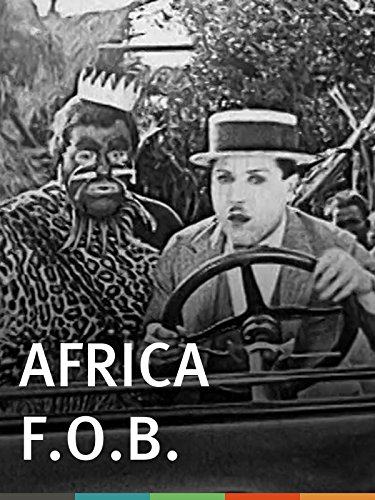
A definitive 4.4/10 rating for a film that redefined the boundaries of cult cinema. F.O.B. Africa remains a cornerstone of transgressive art.
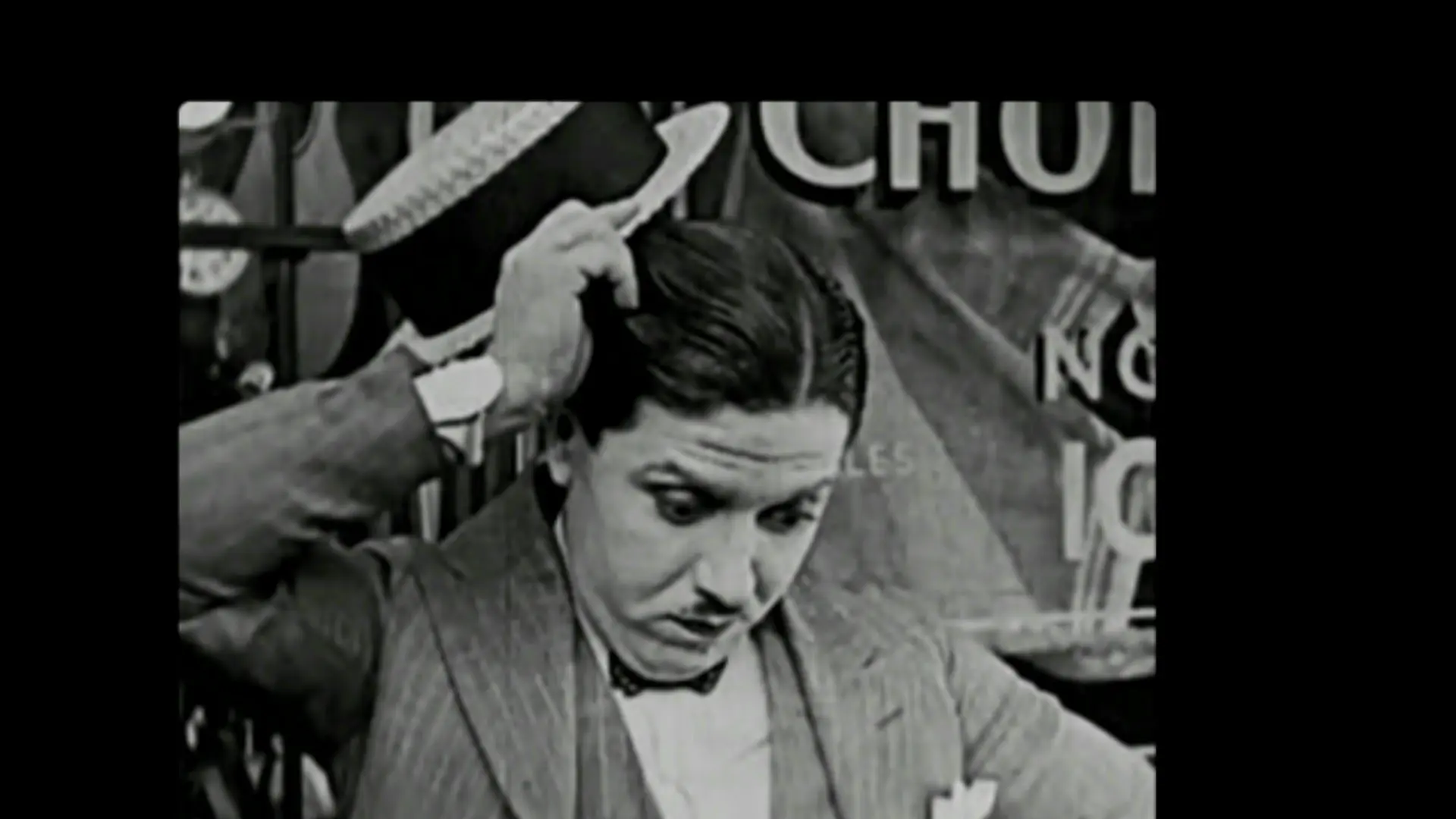
A pawn-shop watch, tick-tocking its own obituary, opens F.O.B. Africa like a metronome of desperation. Monty—played by the rubber-limbed Monty Banks—cannot meet its gaze because every glance reminds him that time, like supper, is forever being repossessed. The film, a 1924 one-reel marvel now resurrected on 35 mm, begins in a nameless American burg where skyscrapers loom like cash-registers and every sidewalk crack whispers IOU. Our hero’s pockets are so empty they echo; his last nickel buys a cup of coffee and a slice of humble pie garnished with flies.
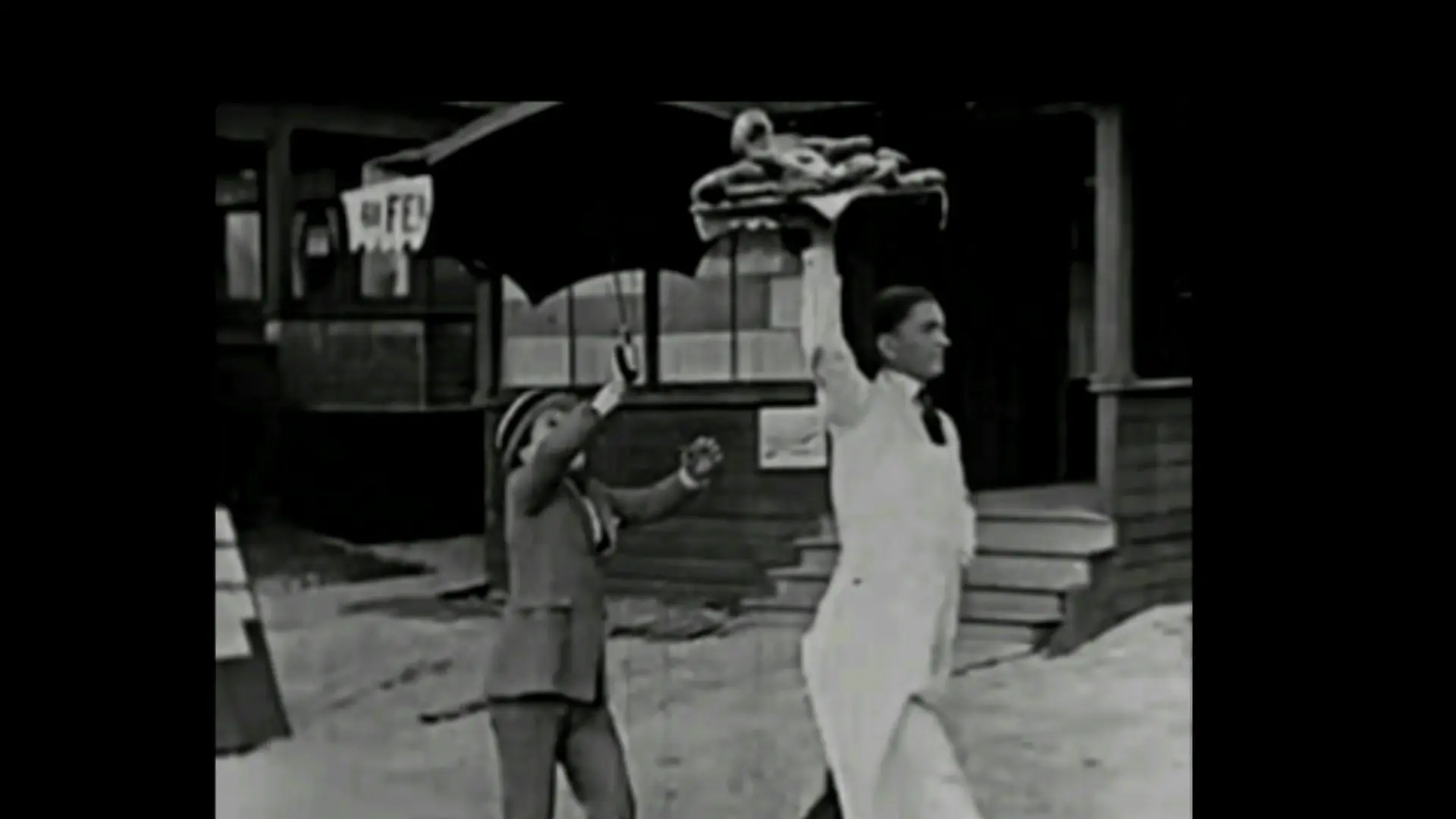
Yet poverty is merely the prologue. The narrative engine—more combustible than the eponymous Ford—ignites when Monty stumbles into a ramshackle used-car emporium run by a bilious mogul who sees in Monty’s starvation the perfect hunger for commission. Here the picture pivots from Chaplinesque pathos to knockabout satire: Monty’s sales patter is a jazz solo of blarney, coaxing rust-buckets into reimagined Roadsters. Cue sales ledgers blooming like tulips and Monty promoted to courier of the lot’s crown-jewel: a tin-lizzie so virgin its paint still smells of Detroit dew.
Destination? The south-sea island nation of Puskudnick—name dripping with pulp exoticism—where King Obogeegee (a name that doubles as chewing-gum snap) awaits his mechanical bride. The voyage, condensed into a whip-pan montage, lands Monty on a set constructed of papier-mâché palms and colonial clichés. But do not mistake budgetary thrift for imaginative poverty; cinematographer Frank Zucker lenses the jungle at twilight so that every frond becomes a baroque silhouette against a tangerine sky, evoking the fever dreams found in The Phantom Carriage without the supernatural baggage.
The Ford, still showroom-shiny, becomes a blank canvas onto which the islanders project millennia of myth: some worship it as iron elephant, others as steel volcano. Monty, high on hubris, accepts the king’s hospitality—an orgy of roast boar, coconut wine, and drums that pound like arteries. But court politics ferment faster than palm brew; missionaries, led by a lantern-jawed reverend and his proto-feminist daughter (Thelma Worth, equal parts flapper and Joan of Arc), crash the luau preaching salvation and Prohibition. The king, sensing colonial encroachment, sentences the intruders to lion-bait.
What follows is a chase that would make Civilian Clothes look like a Sunday stroll. Monty commandeers the Model T, now christened Le Peril Blanc, and crams the missionary duo into a space designed for two midgets and a lunchbox. Crank the throttle: the Ford lurches across ravines, its axles kissed by lion fangs; the frame rattles like a tambourine in a gospel choir. Zucker undercranks the camera so that spears whiz past like subway sparks, while intertitles—written with the rat-a-tat of tabloid headlines—holler gems such as: “When the clock strikes doom, the piston strikes back!”
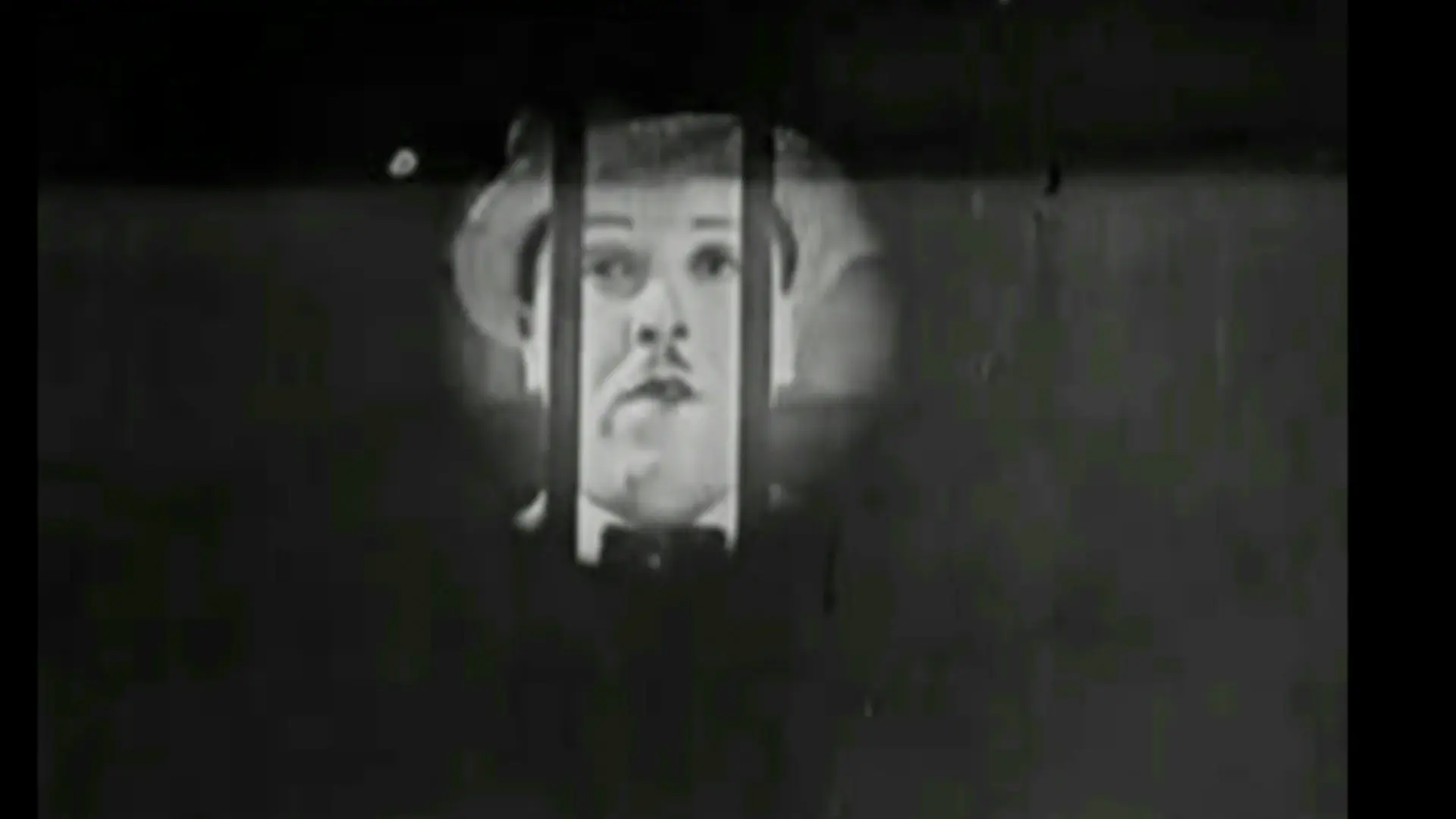
Silent-era comedies live or die by tempo, and director Roscoe Arbuckle (working under the pseudonym William Blaisdell to dodge scandal) orchestrates gags like a metronome on benzedrine. Note the sequence where Monty, out of gas, siphons moonshine from a missionary’s canteen; the engine belches smoke-rings that spell repent in cursive. Or the moment when a pride of lions encircles the stalled car, their eyes glowing like citrine marbles—achieved by double-exposure and a zoo rental fee that probably cost less than the prop crown.
Yet beneath the slapstick carburetor beats a heart skeptical of empire. The film, released only a year after the Year 1863 cycle of Civil War retrospectives, flips the colonial gaze: white characters reduced to flotsam, their technology comically impotent against geography and culture. When the king’s warriors brandish torches, the flicker illuminates not savagery but sovereignty. Monty’s escape is no conquest; it is a retreat, the Ford limping onto a freighter like a wheeled refugee. The final shot—ocean horizon bisecting the frame—echoes the existential dusk of Nattens barn, only here the abyss grins with gold teeth.
Comparative cinephiles will detect DNA shared with It Happened in Paris: both hinge on automobiles as status talismans, both skewer social climbers. But where the Parisian romp is champagne effervescence, F.O.B. Africa is bootleg hooch—raw, headache-inducing, but packing a wallop. Its racial caricatures, regrettable yet contextual, serve as period graffiti: graffiti we read through clenched teeth while acknowledging the film’s proto-decolonial wink.
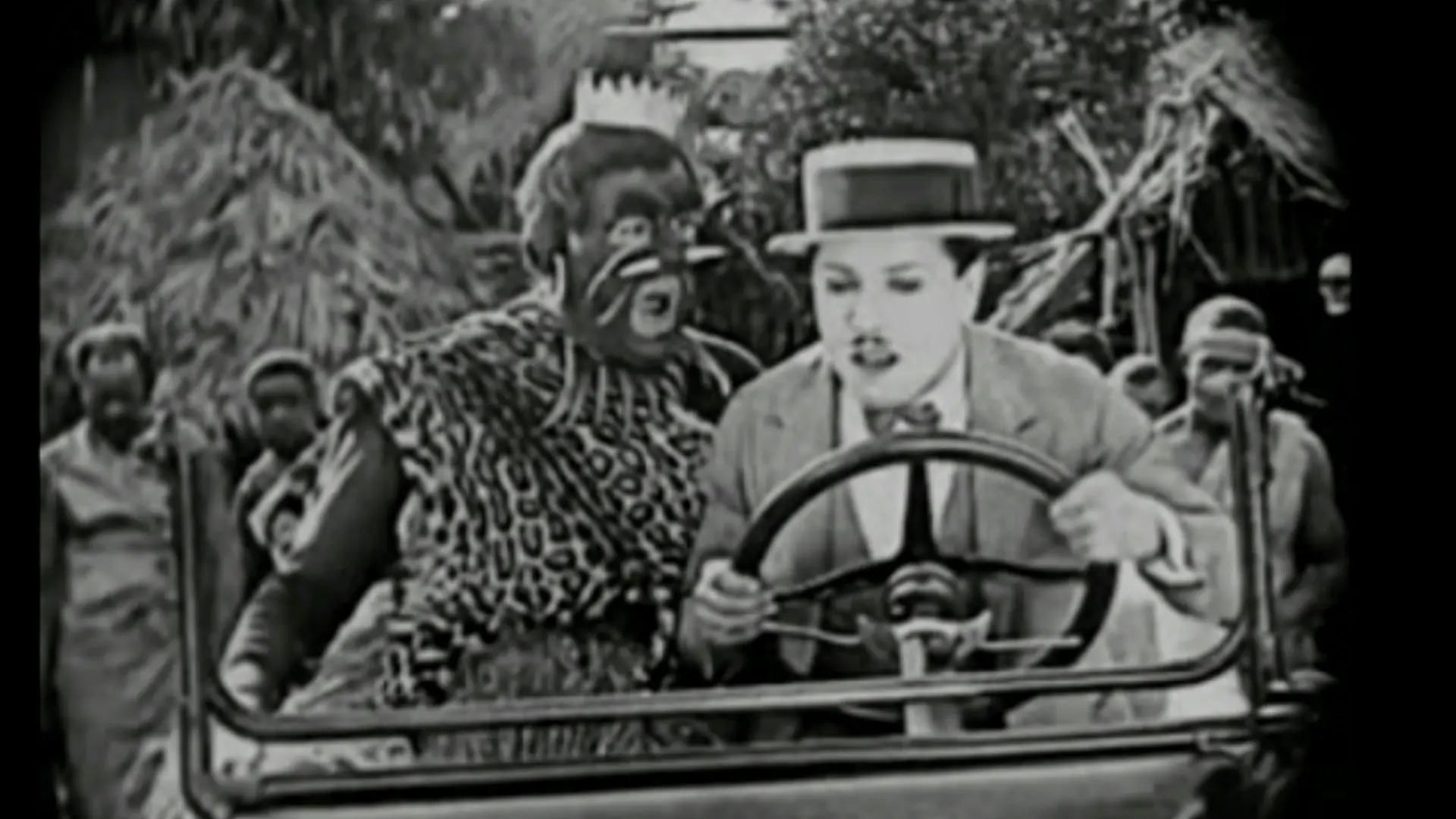
Restoration-wise, the print culled from EYE Filmmuseum brims with cigarette burns and emulsion freckles, yet the defects feel like laugh-lines on a veteran vaudevillian. A sepher-tone score by Monique Buzzarté layers syncopated ukulele over lion-growling bassoons, achieving the percussive whimsy missing from Es werde Licht! 2. Teil. Meanwhile, tinting alternates between amber for daylight peril and cyan for moonlit intrigue, a chromatic pendulum that keeps the retina guessing.
Performances oscillate between balletic and barbaric. Banks, a Sardinian émigré who Americanized his name like a tailor shortening trousers, possesses the elastic physiognomy of a man whose face owes rent to his skull. Watch him negotiate with the king using only pantomime—eyebrows semaphore, knees negotiate, palms plead. Thelma Worth, saddled with the damsel tag, undercuts it with sideway glances that say try me, buster. Their chemistry sizzles like bacon on a tailpipe, culminating in a chaste kiss framed by tiki-torch bokeh that anticipates noir chiaroscuro.
In the ledger of silent comedy, F.O.B. Africa may not eclipse the Olympian status of Kids and Kidlets in box-office longevity, yet its anthropological slapstick prefigures the post-colonial satire of later jungle jaunts. Consider the Ford a Trojan horse: inside its tin skin ride imperial ambition, technological fetish, and the humiliation of both. When Monty finally sails home, pockets once again empty, the joke is on the metropole—he has exported chaos and imported wisdom, albeit wisdom that bounces like a bad check.
So, to the curators who resurrected this cellulidic orphan: bravo. You have given us a time-capsule that smells of gasoline and prophecy. And to the modern viewer who craves both laughter and a lens on empire’s foibles, click fob-africa and brace for a ride where the rubber of history meets the road of farce—leaving skid-marks on your conscience.
IMDb 8.1
1923
Community
Log in to comment.