DbcultAccessing Vault...
Cult Review
Senior Film Conservator
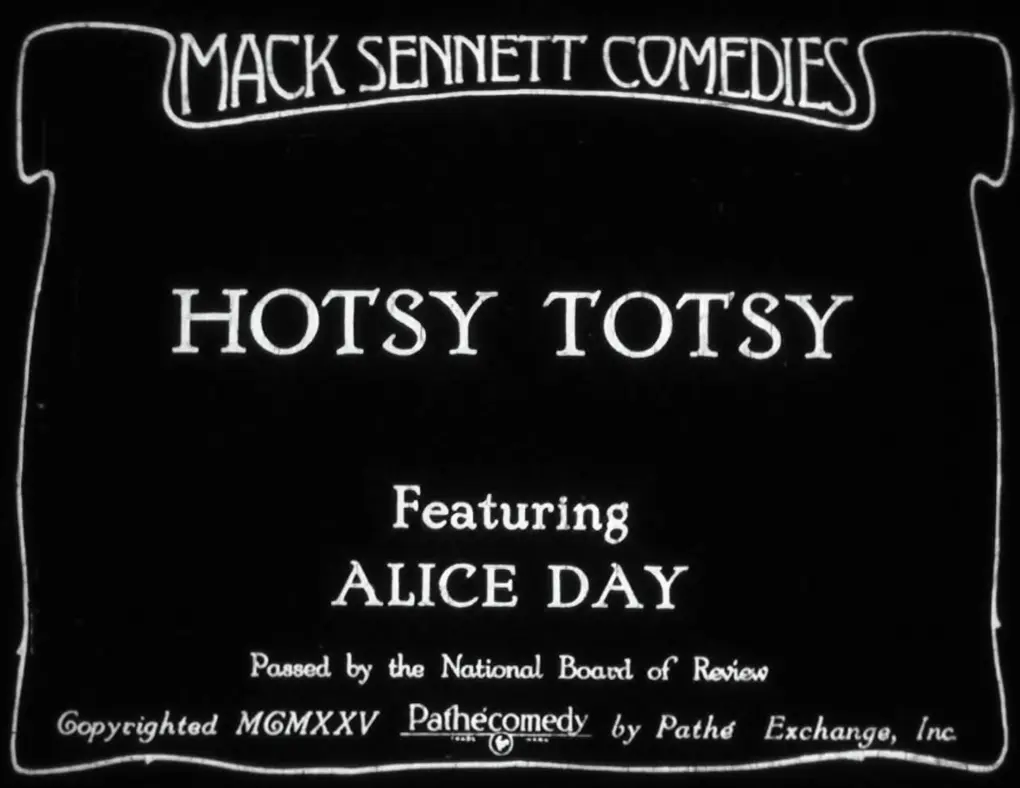
Is Hotsy-Totsy worth watching today? Short answer: yes, but with significant caveats. This 1920s silent short, a delightful, if slight, piece of cinematic history, offers a fascinating glimpse into the comedic sensibilities of its era, making it a compelling watch for film historians, silent film enthusiasts, and anyone curious about the roots of physical comedy. However, those seeking a tightly plotted narrative or modern comedic pacing might find its charms require a degree of patience and an appreciation for a bygone style.
It's a film for those who appreciate the raw, unpolished energy of early cinema, the expressive faces over the spoken word, and the simple joy of a well-executed pratfall. It is decidedly not for viewers accustomed to rapid-fire dialogue, complex character arcs, or films that don't demand an understanding of their historical context to fully appreciate their value.
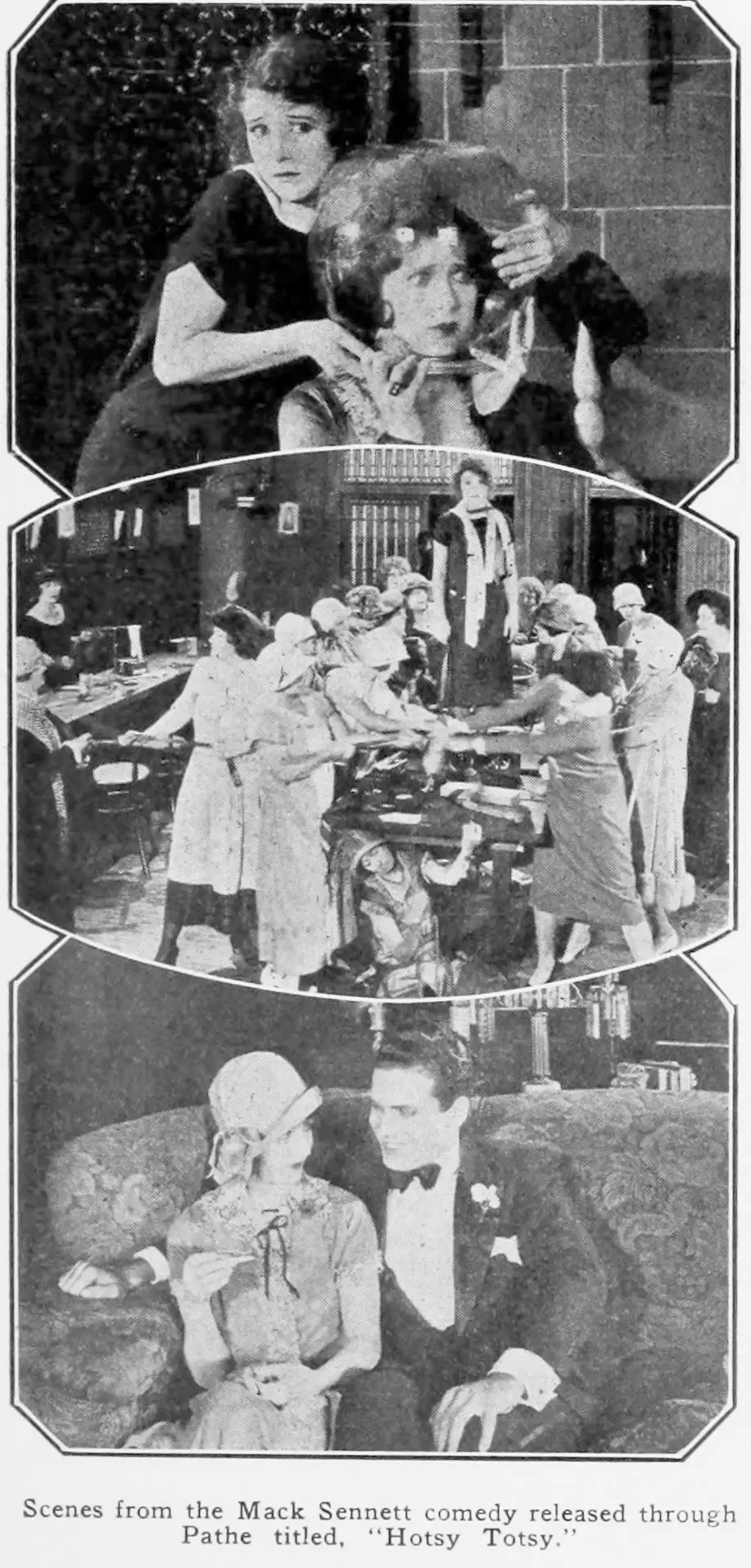
"Hotsy-Totsy" unfurls a narrative that, while simple, serves as a potent vehicle for comedic chaos. Our protagonist, Alice, played with endearing awkwardness by Alice Day, is thrust into a social gauntlet: a formal banquet honoring her boss's new business partner. This isn't just any banquet; it's a high-stakes affair where Alice, representing her fellow employees, must deliver a speech and present a 'loving cup' – a token of their collective esteem. It’s a classic fish-out-of-water setup, ripe for humiliation and unexpected triumph.
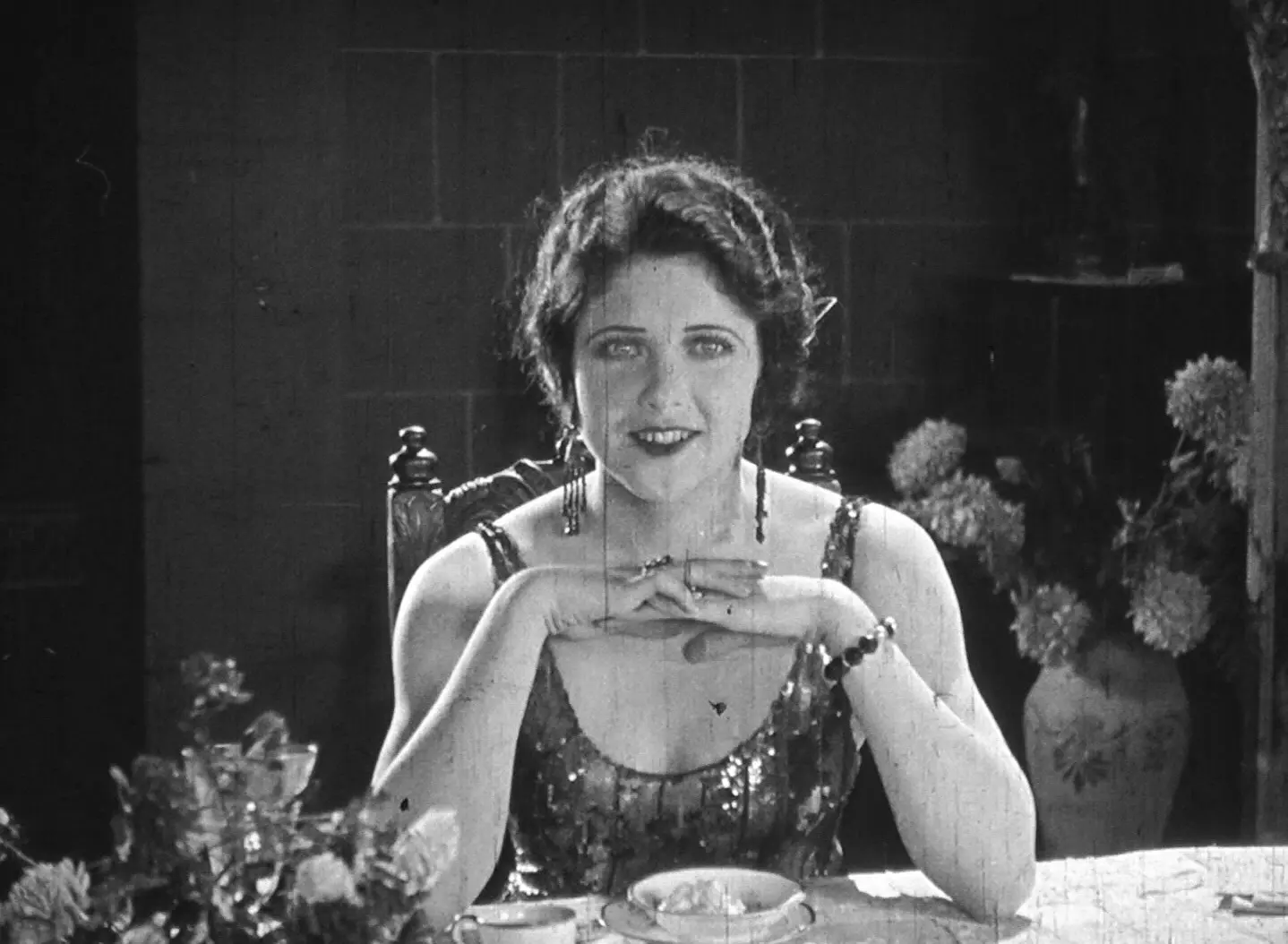
The film leans heavily on Alice's inherent shyness and the almost alien grandeur of her surroundings. The tension builds not from intricate plot twists, but from the escalating discomfort of its lead. Her attempts at decorum are constantly undermined by her own nervousness and the sheer absurdity of the situation. This culminates in a spectacular series of fumbles during her presentation, a masterclass in physical comedy that feels both universal and timeless in its depiction of social anxiety gone awry.
What truly elevates this premise beyond mere slapstick is the resolution. Instead of outright condemnation or further embarrassment, Alice's blunders are met with an unexpected grace from the new partner. This shift transforms a potential tragedy of social failure into a charming, even heartwarming, connection. It's a surprisingly sophisticated turn for a short comedy, suggesting that genuine character, even when clumsy, can win out over polished pretense. The film, in its own quaint way, argues that authenticity has its own magnetic pull.
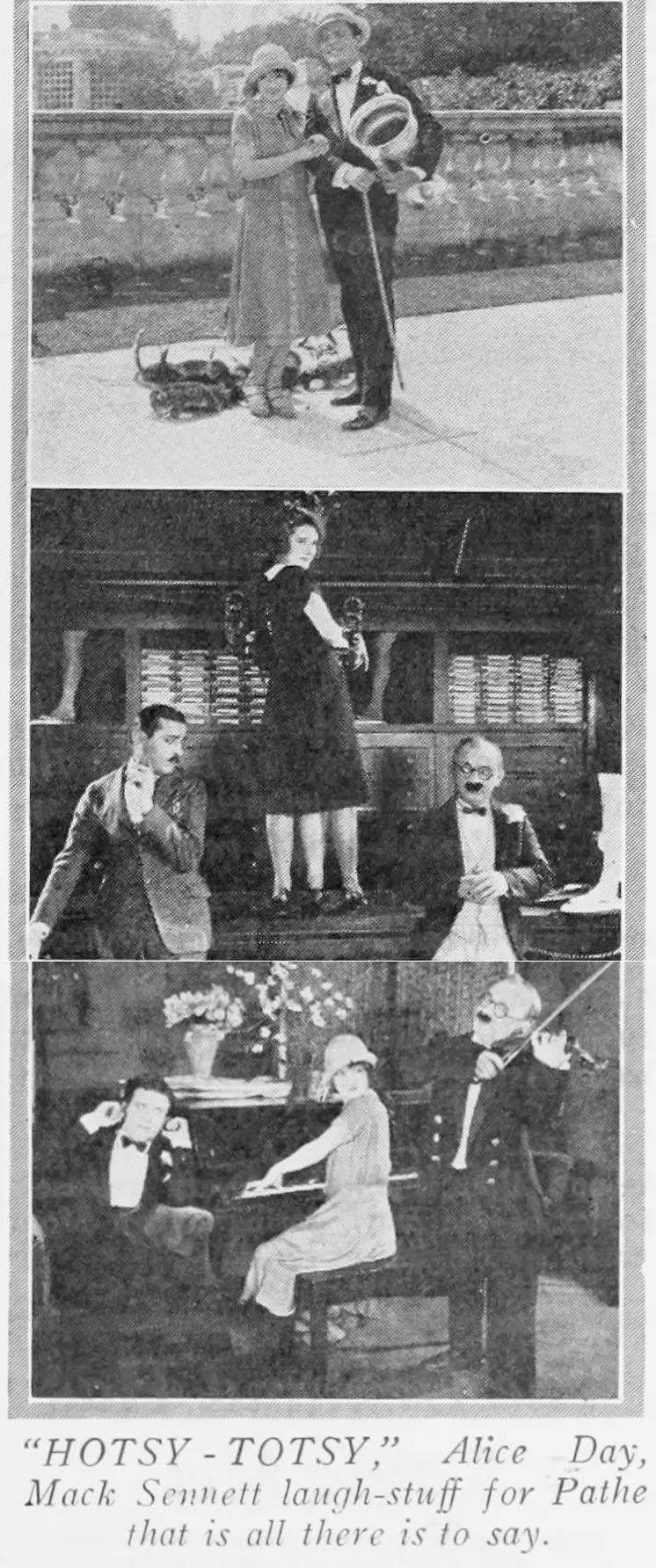
The performances in "Hotsy-Totsy" are, as expected for the era, broad and expressive, relying heavily on pantomime and facial contortions to convey emotion and drive the comedy. Alice Day, in the titular role, is the film's undeniable anchor. She embodies Alice's nervousness with a delicate balance, avoiding caricature while still delivering the exaggerated movements necessary for silent comedy. Her wide-eyed trepidation and increasingly frantic attempts to regain composure are genuinely funny, making her character immediately sympathetic.
Day’s ability to convey a spectrum of emotions – from timid hope to utter mortification – without a single spoken word is commendable. The scene where she attempts to deliver her speech, fumbling with the cup, is a masterclass in silent physical comedy. Her expressions alone tell a story of escalating internal panic. This is where the film truly shines; it trusts its lead actress to carry the emotional weight and comedic timing.
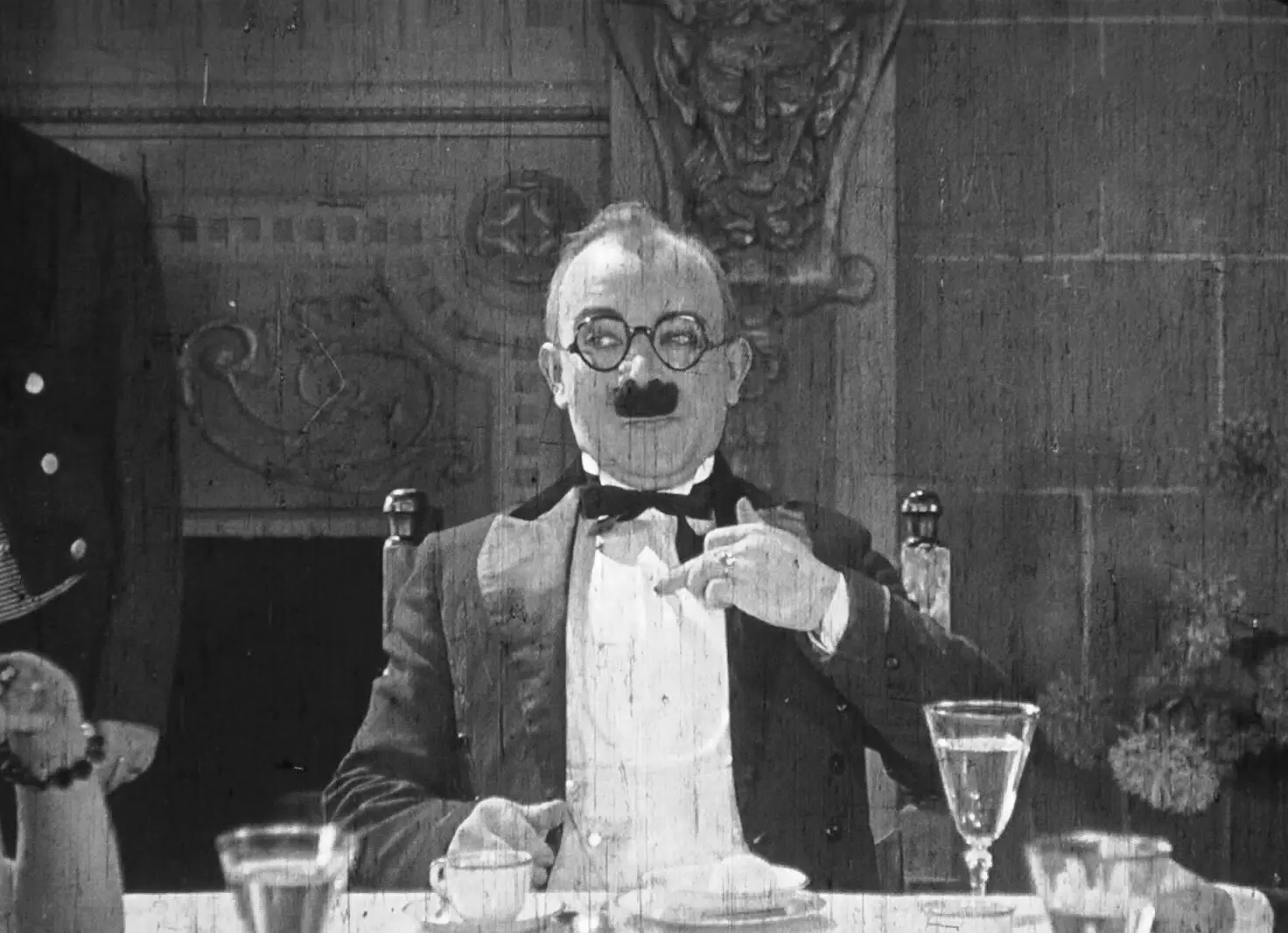
The supporting cast, including Ruth Hiatt and Joseph Belmont, fills out the scene with various degrees of comedic reactions – from polite bewilderment to outright amusement. While their roles are largely reactive, they contribute to the overall atmosphere of the banquet, making Alice's predicament feel more pronounced. The new partner, whose name isn't highlighted in the credits but whose presence is pivotal, manages to convey genuine warmth and understanding through subtle gestures, providing a much-needed counterpoint to Alice's escalating chaos. This character's benevolent intervention is crucial, and the actor manages to sell it without resorting to over-the-top heroics.
Directed by the prolific duo of Alfred J. Goulding and Edward F. Cline, "Hotsy-Totsy" demonstrates a clear understanding of silent film comedic timing. The direction is straightforward, focusing on clear sightlines for the physical gags and ensuring Alice Day remains the focal point of the unfolding disaster. There's a deliberate rhythm to the escalating mishaps, a hallmark of effective slapstick.
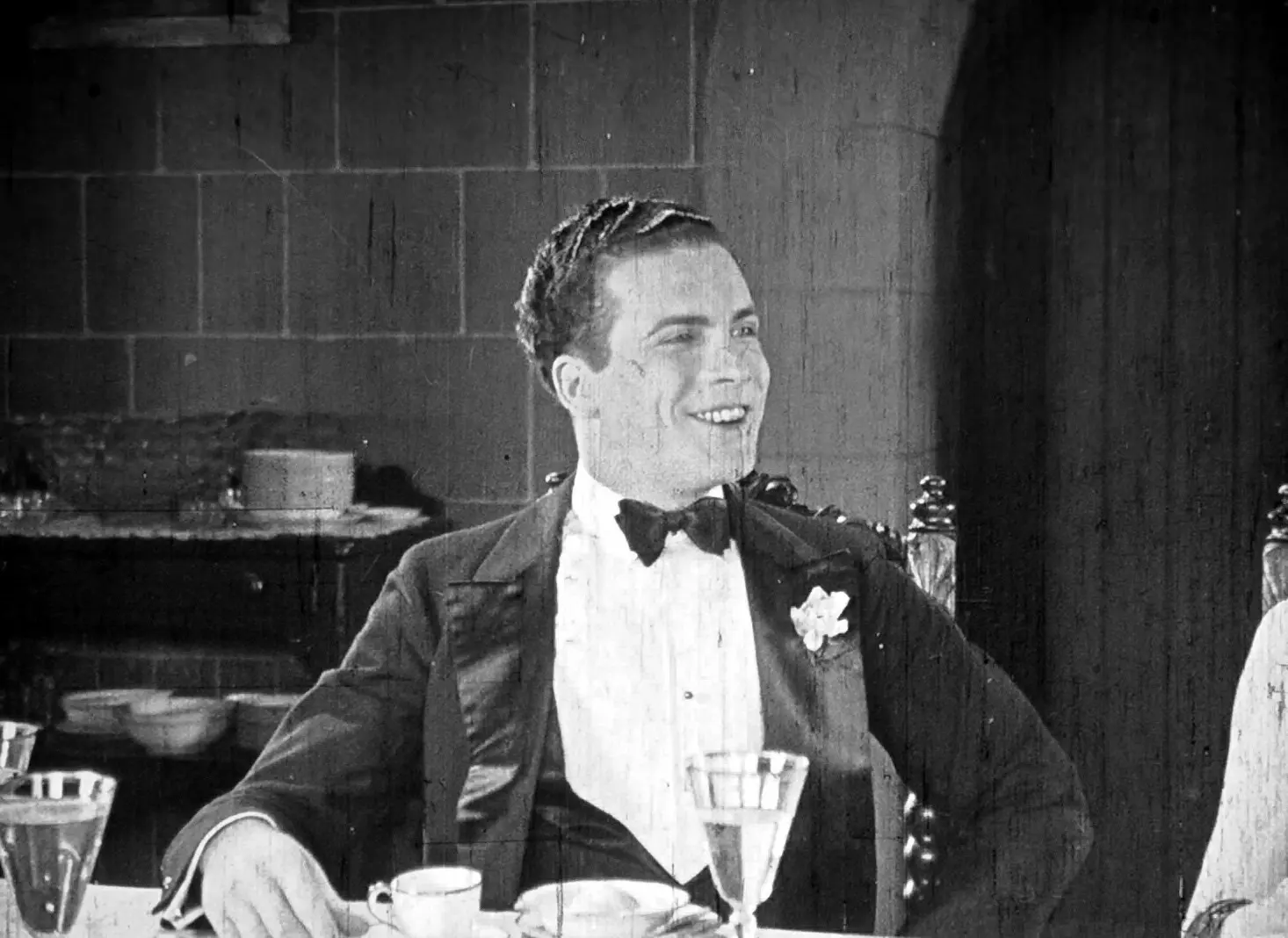
The cinematography, typical of the era, is functional rather than flashy. Shots are often wide, allowing the audience to take in the full scope of the physical comedy and the reactions of the onlookers. Close-ups are used sparingly but effectively, usually to highlight Alice's expressions of distress or the partner's reassuring smile. While it lacks the groundbreaking visual experimentation of some contemporaries, its simplicity serves the story well, never distracting from the performances.
One particular strength lies in the staging of the banquet scene. The crowded table, the array of formal guests, and the elevated platform for Alice's speech all contribute to her sense of isolation and vulnerability. The directors skillfully use the environment to amplify the comedic tension, making every dropped item or misstep feel more impactful. It's a testament to the idea that sometimes, less is more, especially when your primary goal is to make people laugh with simple, universal scenarios.
The pacing of "Hotsy-Totsy" is brisk, as one would expect from a silent comedy short. It wastes no time in establishing the premise and quickly dives into the comedic set pieces. The escalation of Alice's humiliation is handled with a commendable rhythm, each mishap building upon the last without overstaying its welcome. This ensures the audience remains engaged, anticipating the next pratfall or social faux pas. The film understands the fleeting nature of attention in a short format and capitalizes on it.
The tone is predominantly lighthearted and farcical, embracing the absurdity of its situation. While Alice's embarrassment is palpable, the film never veers into genuine tragedy. Instead, it maintains a buoyant, almost celebratory atmosphere around her misfortunes, typical of silent-era slapstick. There's an underlying sweetness, however, that prevents it from becoming purely cynical. The ultimate resolution, where the new partner's good graces save the day, injects a touch of warmth that elevates the film beyond mere silliness.
This tonal balance is perhaps the film's most surprising achievement. It manages to elicit genuine laughs from Alice's predicament while also offering a surprisingly gentle message about kindness and acceptance. It’s a delicate tightrope walk that many modern comedies often fail to achieve, proving that simple narratives can still carry significant emotional weight. The film doesn't try to be profound; it simply aims to entertain and, in doing so, reveals a little bit about human nature.
Absolutely, with the right mindset. "Hotsy-Totsy" serves as a delightful snapshot of early 20th-century comedy. It's a charming, if brief, experience that showcases the enduring power of physical humor and the expressive capabilities of silent film actors.
For those interested in the evolution of film, particularly comedy, it offers invaluable insight. You can trace the lineage of countless comedic tropes back to shorts like this. It's also just plain fun. The film doesn't demand much from its audience beyond an open mind and a willingness to engage with its historical context. It works. But it’s flawed.
This film works because Alice Day's performance is genuinely endearing and expertly comedic, anchoring the entire short with her expressive physicality.
This film fails because its narrative simplicity, while a strength for its era, might feel underdeveloped for modern audiences expecting more complex storytelling.
You should watch it if you have an appreciation for silent film, enjoy physical comedy, or are curious about the foundational elements of cinematic humor.
"Hotsy-Totsy" isn't just a standalone short; it's a thread in the rich tapestry of early Hollywood comedy. It embodies the spirit of an era where physical performance was paramount and stories were often constructed around a single, escalating gag. Its simplicity is, in fact, its strength, allowing for universal themes of social anxiety and unexpected kindness to shine through.
The film, much like other shorts of its time such as Brass Buttons or even those featuring popular personalities like A Few Moments with Eddie Cantor, Star of 'Kid Boots', served as a testing ground for comedic talent and narrative structures that would eventually influence feature-length productions. It's a reminder that the foundations of what we find funny today were laid brick by brick in these unassuming, often forgotten, shorts. The silent era, often romanticized, was also a period of relentless experimentation and refinement of techniques.
One could even argue that the film subtly critiques the rigid social expectations of its time. Alice's attempts to conform, and her subsequent failure, highlight the absurdity of such pressures, only to be redeemed by a genuine human connection. This isn't groundbreaking social commentary, but it's present, a quiet undercurrent to the laughter. It's a surprising layer in a film designed primarily for laughs.
"Hotsy-Totsy" is a delightful, if minor, piece of silent cinema that offers more than just historical curiosity. Led by a genuinely charming performance from Alice Day, it delivers solid physical comedy wrapped in a surprisingly warm narrative. While its age and format will undoubtedly limit its appeal to a broader modern audience, for those willing to engage with its particular brand of humor, it's a rewarding watch. It reminds us that sometimes, a little grace can turn a complete disaster into something truly memorable. Go in with an open mind, and you might just find yourself charmed by Alice's endearing mishaps.
IMDb —
1918
Community
Log in to comment.