DbcultAccessing Vault...
6.5/10
Senior Film Conservator
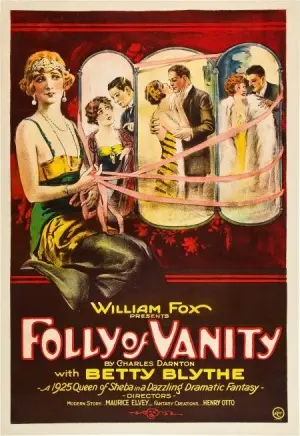
A definitive 6.5/10 rating for a film that redefined the boundaries of cult cinema. Folly of Vanity remains a cornerstone of transgressive art.
The 1924 cinematic landscape was a volatile crucible of experimentation, where the silent medium began to transcend mere pantomime to embrace the psychological depths of the human condition. At the epicenter of this evolution stands Folly of Vanity, a film that functions simultaneously as a scathing critique of Jazz Age materialism and a pioneering foray into surrealist fantasy. Directed with a keen eye for both social nuance and visual spectacle, the film navigates the precarious waters of marital fidelity and the seductive poison of unearned luxury.
The narrative architecture of Folly of Vanity is built upon the classic trope of the 'innocent abroad,' though here the journey is not geographical but socio-economic. Alice, portrayed with a delicate vulnerability by Ena Gregory, represents the quintessential middle-class aspiration that fueled the decade's economic engine. Her husband, Robert (Robert Klein), serves as the grounded, if somewhat prideful, anchor that Alice feels compelled to strain against. Their entry into Ridgeway's world is depicted not merely as a party, but as an initiation into a cult of excess. John St. Polis, as Ridgeway, embodies the era's predatory wealth—a man who understands that the easiest way to dismantle a soul is to offer it something shiny.
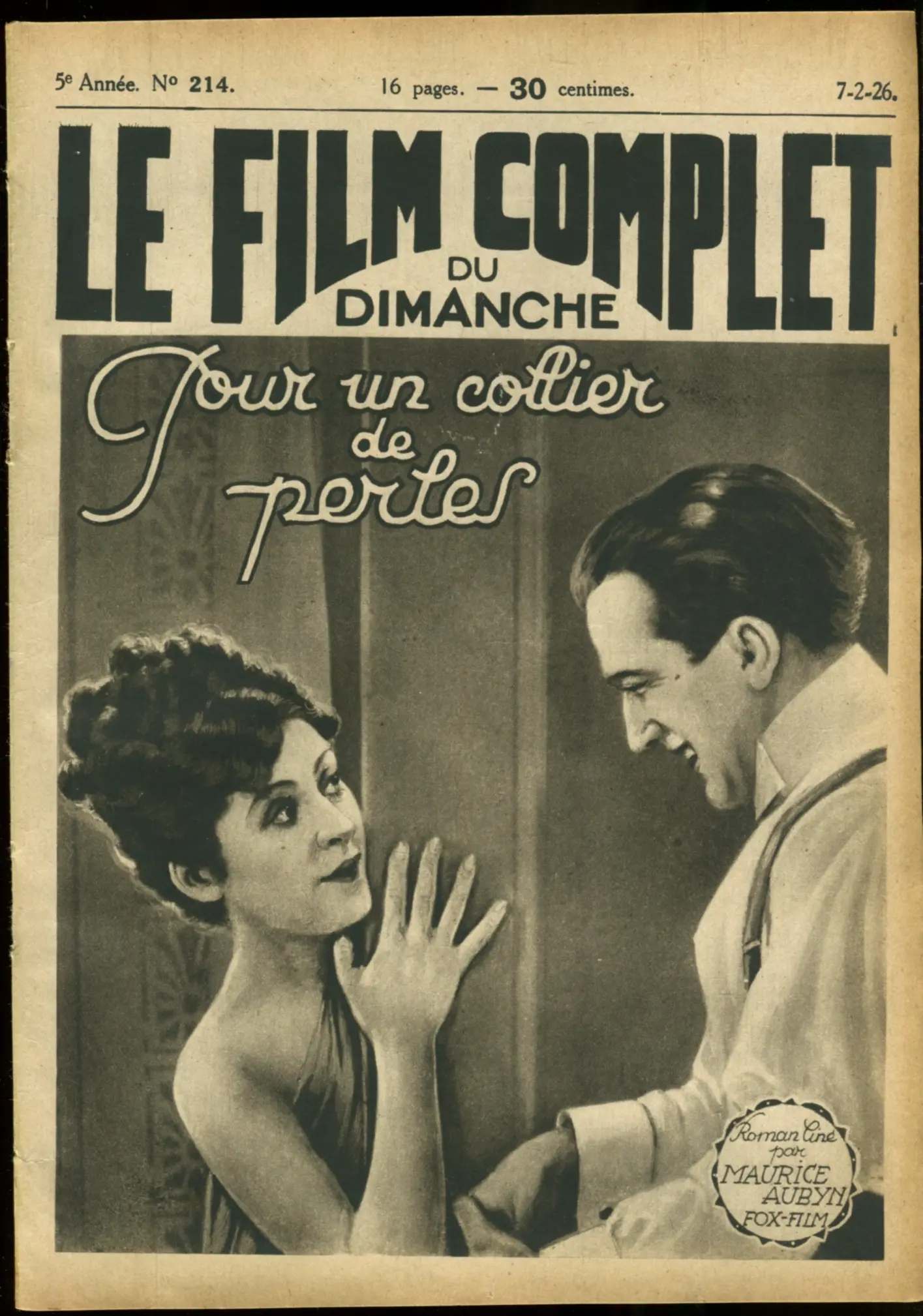
The pearl necklace is more than a prop; it is a semiotic catalyst. Much like the moral weight found in The Guilty Man, the jewelry becomes a physical manifestation of internal compromise. When Alice accepts the gift, she is not just taking a trinket; she is accepting a new set of values that prioritize appearance over substance. The resulting friction with Robert is handled with a sophisticated restraint that avoids the melodramatic pitfalls common in lesser silent films like Forget Me Not.
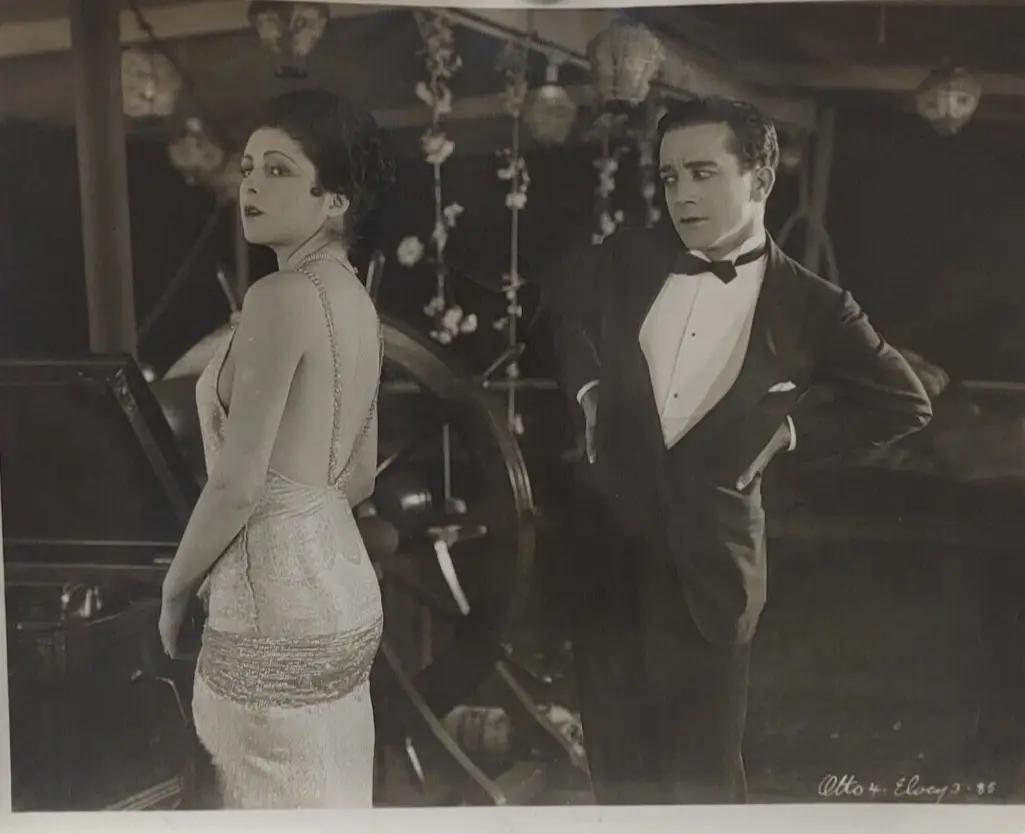
As the action shifts to the yachting cruise, the film adopts a claustrophobic intensity despite the vastness of the ocean setting. The yacht serves as a liminal space, detached from the grounding influence of land and societal norms. It is here that the 'folly' of the title begins to manifest in earnest. The directors utilize the swaying decks and the rhythmic movement of the sea to mirror the moral instability of the characters. While Robert’s flirtation with the wealthy widow provides a narrative counterpoint, it lacks the visceral stakes of Alice’s predicament. The tension between Ridgeway and Alice is palpable, a slow-burn pursuit that highlights the power dynamics inherent in their disparate social standings.
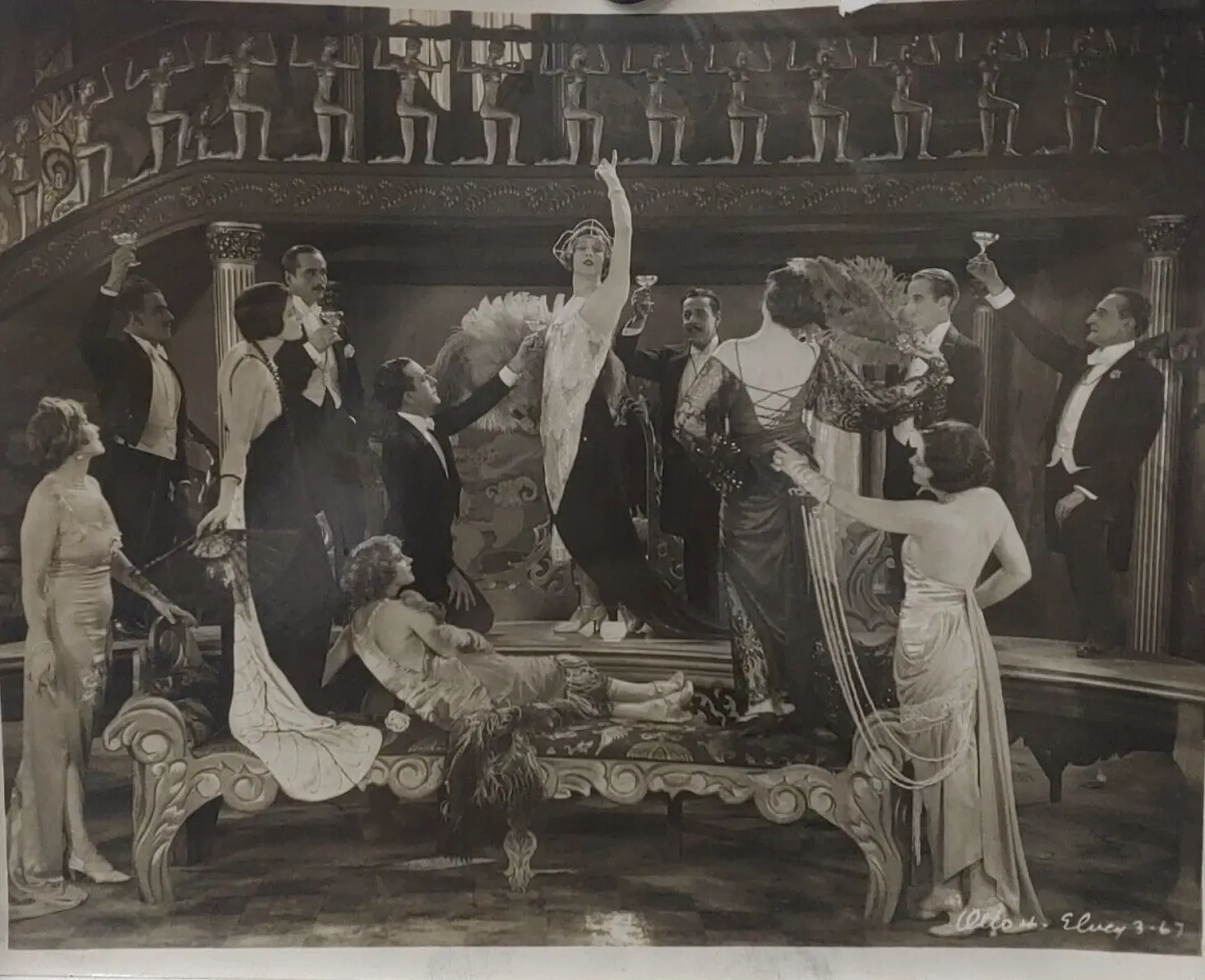
In this segment, the cinematography excels, capturing the play of light on water in a way that presages the atmospheric brilliance of La montée vers l'Acropole. The isolation of the sea forces a confrontation that the distractions of the city party could defer. The viewer is led to understand that the 'vanity' being critiqued is not just Alice's desire for pearls, but the entire structure of a society that equates worth with possession.
The centerpiece of Folly of Vanity—and the sequence that ensures its place in the pantheon of visionary cinema—is Alice’s dream sequence. When she leaps into the sea to escape Ridgeway’s advances, the film sheds its realist skin and emerges as a work of pure, unadulterated fantasy. This descent into the deep is not a death, but a rebirth into a subconscious realm where the rules of the surface world are inverted and amplified. The court of Neptune is a masterclass in production design, utilizing elaborate costumes and innovative underwater-style lighting that rivals the ethereal quality of Mystic Faces.
The festival held in Alice's honor is a grotesque parody of the Ridgeway party. Here, beauty is the only currency, and the sirens are the ultimate elite. However, the introduction of the sea-witch serves as the film’s moral compass. The 'mark of vanity'—a literal stain on Alice’s skin caused by the pearls—is a brilliant narrative device. It suggests that our choices leave indelible marks on our psyche, visible only when we are stripped of our social pretenses. This sequence elevates the film from a standard morality play to a proto-surrealist exploration of guilt and the shadow self.
Technically, Folly of Vanity is a marvel for 1924. The transition between the high-contrast, sharp lines of the yacht and the soft-focus, dreamlike textures of the underwater kingdom demonstrates a high level of directorial control. Unlike the more static compositions found in Solid Concrete, there is a fluidity here that keeps the viewer engaged. The editing, particularly during the dream sequence, uses cross-fades and double exposures to create a sense of ethereal disorientation that was quite advanced for its time.
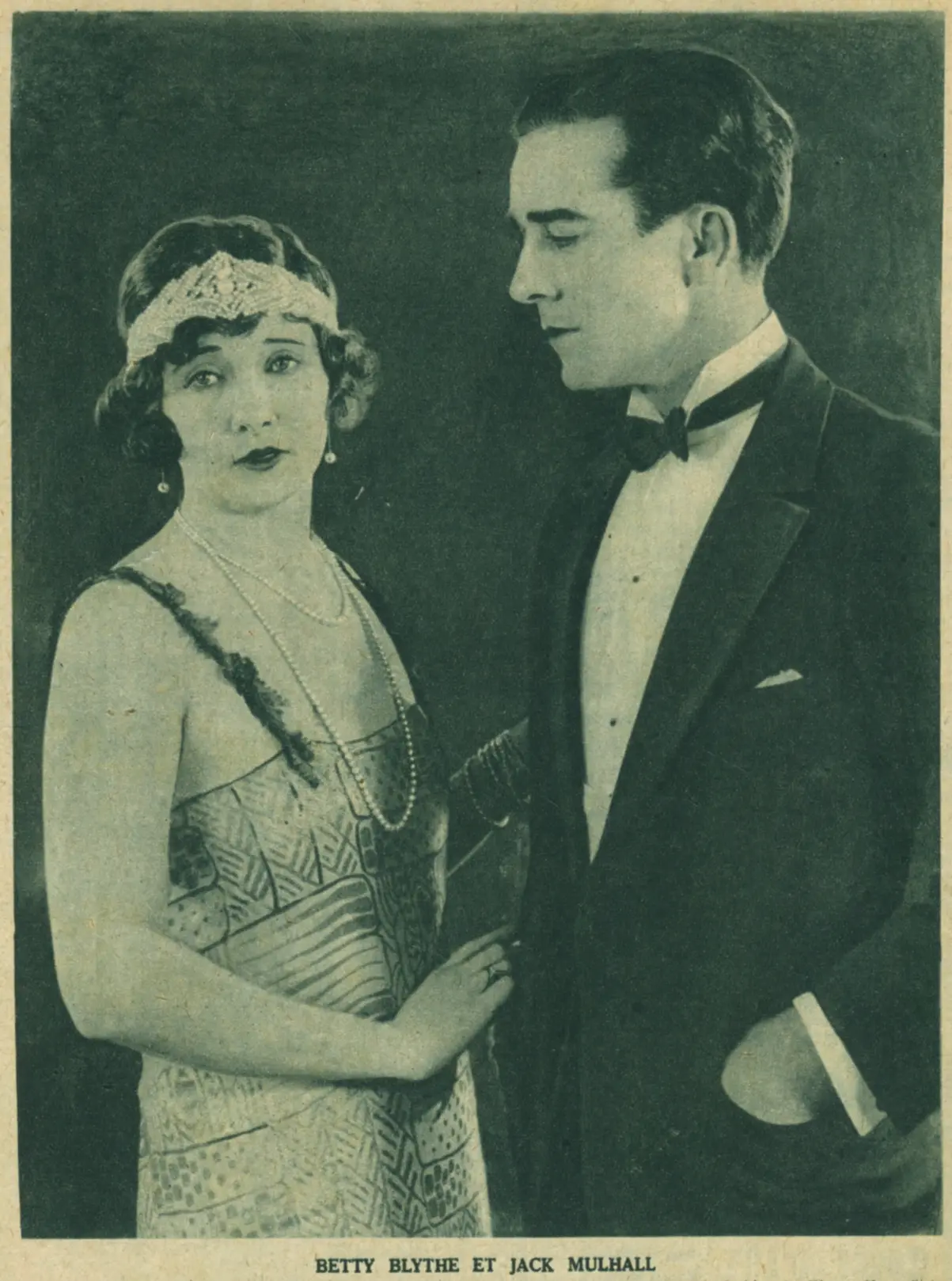
The cast, while large, is anchored by strong central performances. Billie Dove and Jack Mulhall provide strong supporting work, adding layers to the social tapestry the film weaves. The acting style, while still adhering to certain silent era conventions, feels surprisingly modern in its psychological nuance. There is a lack of the frantic 'semaphore' acting that often dates films like Hot Dog or The Belle of Kenosha. Instead, the focus is on the eyes and the subtle shifts in posture that convey deep emotional turmoil.
Alice’s awakening and her subsequent reconciliation with Robert could have easily felt like a tacked-on 'happily ever after' ending. However, because the film has spent so much time exploring the internal cost of her vanity, the resolution feels earned. The act of returning the necklace to Ridgeway is a powerful symbolic gesture—a rejection of the false promises of the elite and a reclamation of her own agency. This thematic arc mirrors the redemptive qualities of Good Riddance, though it is executed with a much more grandiose visual vocabulary.
The film concludes not with a triumph of wealth, but with a triumph of the spirit. It suggests that the 'folly' is not in wanting beautiful things, but in allowing those things to define one's identity. In the context of the 1920s, this was a radical message, standing in stark contrast to the period's obsession with accumulation. It shares a certain humanist DNA with Hearts of the World, focusing on the intimate human connection as the only true defense against a chaotic and demanding world.
Folly of Vanity is a film that deserves a place in the modern critical conversation. It is more than a historical curiosity; it is a vibrant, visually arresting, and psychologically complex work of art. Its blend of social realism and mythological fantasy creates a unique cinematic texture that remains compelling a century later. While it may not have the name recognition of a Murnau or a Lang film, its ambition and execution are undeniable.
For those interested in the evolution of visual storytelling, this film is essential viewing. It bridges the gap between the moralistic Victorian dramas of the past and the surrealist, psychologically driven cinema of the future. It is a haunting reminder that while fashions change and empires fall, the human struggle between the glitter of the world and the truth of the heart remains eternal. Whether compared to the gritty realism of Mr. Dolan of New York or the atmospheric mystery of The Phantom, Folly of Vanity stands alone as a singular achievement in silent cinema.
Critic's Rating: 9.2/10
A transcendent visual experience that balances high-society critique with a breathtaking dive into the subconscious.

IMDb —
1930
Community
Log in to comment.