DbcultAccessing Vault...
5.9/10
Senior Film Conservator
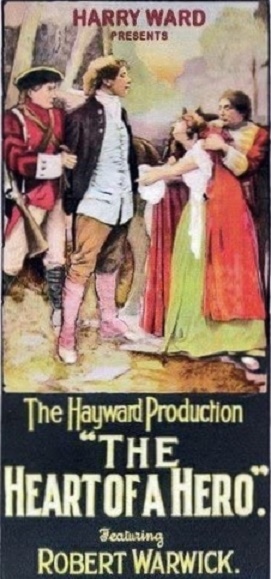
A definitive 5.9/10 rating for a film that redefined the boundaries of cult cinema. The Heart of a Hero remains a cornerstone of transgressive art.
In the grand tapestry of early American cinema, certain narratives emerge not merely as entertainment but as vital cultural touchstones, reflecting and shaping the national consciousness. Among these, the powerful and profoundly moving portrayal of Nathan Hale in 'The Heart of a Hero' stands as a monumental achievement, a film that grapples with the very essence of patriotism and the ultimate cost of conviction. Released at a time when the nascent film industry was still discovering its voice, this production transcended mere historical reenactment, delving into the psychological and emotional landscape of a man whose destiny was tragically intertwined with the birth of a nation. It's a film that asks us to ponder the nature of heroism, not as a simplistic act, but as a complex interplay of idealism, courage, and an unshakeable belief in a cause greater than oneself.
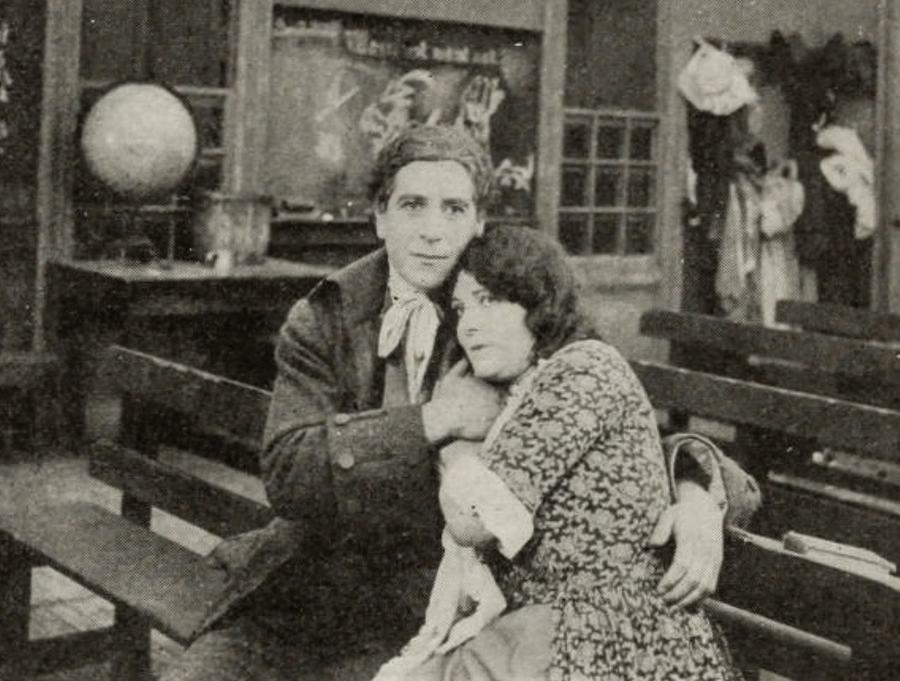
At the core of 'The Heart of a Hero' lies the towering performance of Robert Warwick as Nathan Hale. Warwick, a prominent figure of the era, imbues Hale with a gravitas and earnestness that is both captivating and deeply affecting. He doesn't merely play a historical character; he embodies the spirit of a young man torn between a peaceful life of intellectual pursuits and the urgent call of duty. We first encounter Hale not as a hardened soldier, but as a dedicated schoolteacher, a portrayal that effectively establishes his profound idealism and moral compass. This initial glimpse into his character makes his subsequent transformation into a spy all the more poignant. Warwick's silent acting—a masterclass in expressive gestures and facial nuances—conveys the inner turmoil, the resolute determination, and the quiet dignity that defined Hale's brief but impactful life. It is a performance that resonates with an authenticity rarely achieved, even in more modern historical dramas. His portrayal avoids the pitfalls of hagiography, instead presenting a nuanced individual whose courage stemmed not from a lack of fear, but from an overwhelming commitment to liberty.
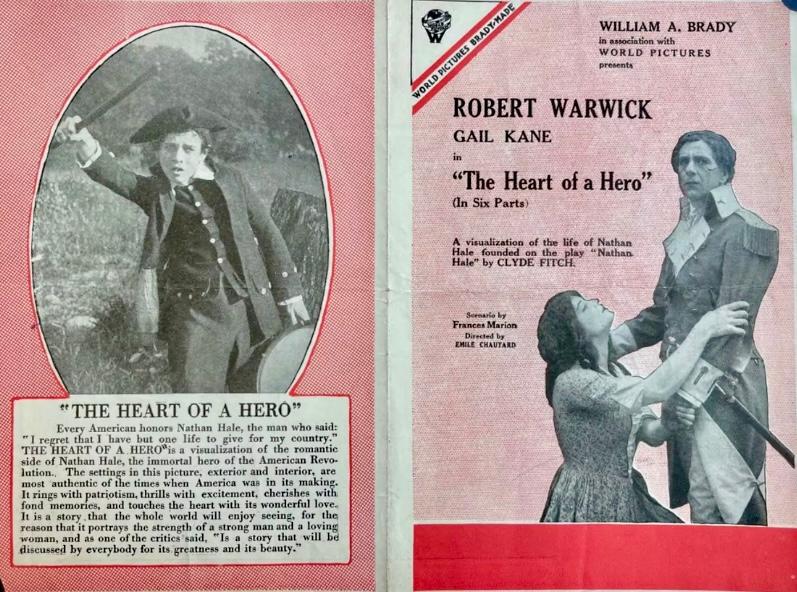
The screenplay, crafted by the notable talents of Clyde Fitch and Frances Marion, demonstrates a remarkable understanding of dramatic structure and historical resonance. They skillfully navigate Hale's journey from the serene classrooms of Connecticut to the perilous battlefields and clandestine operations of the Revolutionary War. The film meticulously builds the stakes, illustrating the moral quandary Hale faces as he volunteers for the dangerous spy mission. The tension is palpable as he infiltrates enemy lines, gathering intelligence amidst constant threat of discovery. This segment of the film is particularly effective in its depiction of espionage, relying on visual storytelling to convey the inherent risks and isolation. The narrative doesn't shy away from the grim reality of his capture, nor does it sensationalize his eventual execution. Instead, it presents these events with a solemnity that underscores their historical weight. The emotional impact is derived from the audience's deep investment in Hale's character, cultivated through Warwick's performance and the writers' thoughtful development. This narrative precision, even in an early cinematic form, sets a high bar for historical biopics, demonstrating that depth and emotional power could be achieved without the crutch of extensive dialogue.
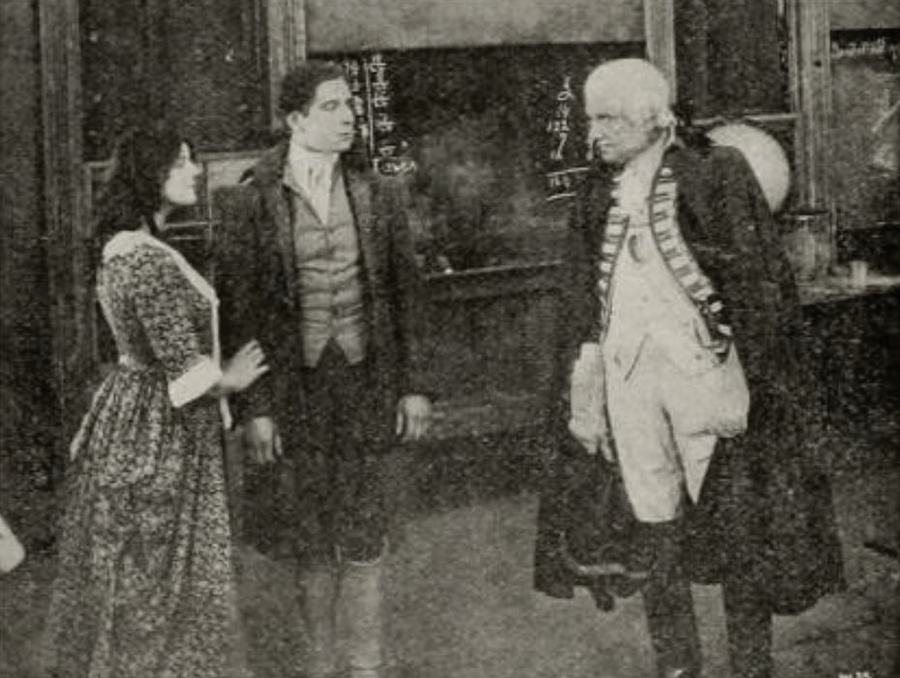
The directorial vision behind 'The Heart of a Hero' is commendable for its ability to convey profound emotion and complex historical events through purely visual means. In an era predating synchronized sound, the power of expression rested entirely on the actors' performances, the director's staging, and the cinematographer's eye. The film utilizes striking tableaux and carefully composed scenes to communicate the gravity of Hale's mission and the pathos of his fate. The contrast between the pastoral settings of his early life and the stark, unforgiving environments of war is particularly effective. The sequence depicting his capture and subsequent interrogation is handled with a stark realism that avoids melodrama, allowing the inherent tragedy of the situation to speak for itself. The final moments, leading up to Hale's iconic last words, are rendered with a powerful simplicity that etches themselves into the viewer's memory. This is a testament to the mastery of silent film techniques, proving that a story of immense historical and emotional weight could be communicated with clarity and profound impact, relying on visual cues and the sheer force of human expression. The film's aesthetic choices contribute significantly to its lasting legacy, demonstrating how early filmmakers forged a new cinematic language.
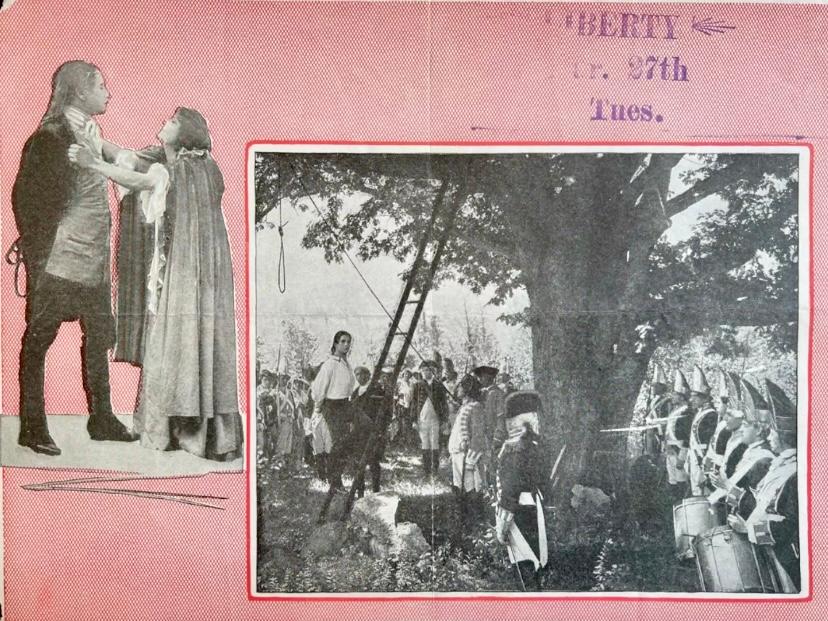
What elevates 'The Heart of a Hero' beyond a mere historical account is its profound exploration of universal themes: duty, sacrifice, and the confrontation with mortality. Hale's decision to serve his country, knowing the extreme personal risk, resonates deeply, reflecting a timeless human struggle between self-preservation and a higher calling. The film subtly explores the psychological toll of espionage, the burden of secrets, and the isolation that comes with such a dangerous undertaking. This is not a jingoistic war film; rather, it is a meditation on the individual's role in monumental historical events. The poignant portrayal of his final moments, infused with a quiet resolve, transforms his execution from a moment of defeat into an enduring symbol of resistance and unwavering principle. The film doesn't just narrate a historical event; it invites contemplation on the moral courage required to stand for one's beliefs, even in the face of certain death. This thematic depth allows the film to transcend its specific historical context, speaking to audiences across generations about the fundamental human capacity for selflessness. In this regard, it shares a spiritual kinship with films like The Magic Skin, which also explores the profound consequences of choices made in pursuit of grand ideals, albeit through a fantastical lens, or even An Odyssey of the North, where characters face dire circumstances with an inner fortitude that defines their heroism.
While 'The Heart of a Hero' is undoubtedly a dramatic interpretation of historical events, it largely maintains a respectful fidelity to the known facts of Nathan Hale's life. The writers, Clyde Fitch and Frances Marion, faced the challenge of translating historical records into compelling cinematic narrative. They achieved this by focusing on the emotional core of Hale's story, allowing the audience to connect with his human experience rather than just his historical significance. The depiction of his early life, his motivations, and the circumstances of his mission and capture are presented with a degree of historical accuracy that grounds the drama in reality. Any departures from strict historical detail are in service of strengthening the narrative and enhancing the emotional impact, a common and often necessary practice in historical filmmaking. This careful balance between fact and dramatic embellishment ensures that the film remains both informative and deeply engaging. It avoids the dry recitation of facts, opting instead for an immersive experience that brings history to vivid, albeit silent, life. This approach is critical for making historical figures relatable and their sacrifices comprehensible to a broad audience, distinguishing it from mere documentary and elevating it to the realm of art.
Beyond Robert Warwick's central performance, the supporting cast contributes significantly to the film's overall impact. While individual performances might not command the same spotlight, actors like Alec B. Francis, Charles Jackson, and Gail Kane provide essential texture to the narrative, creating a believable world around Hale. The interactions, though silent, convey a spectrum of human emotions, from camaraderie and concern to suspicion and animosity. The production design, though constrained by the technological capabilities and budgets of the era, effectively evokes the period. The costumes, sets, and locations, where possible, transport the viewer to Revolutionary War-era America. The attention to detail in creating authentic environments, from the humble schoolhouse to the British encampments, adds a layer of verisimilitude that enhances the immersive quality of the film. This meticulousness in world-building is crucial for a historical drama, allowing the audience to suspend disbelief and fully engage with the unfolding tragedy. It’s a testament to the dedication of early cinematic artists who, despite nascent tools, strove for historical accuracy and visual richness. This dedication to crafting a believable historical world through visual means can be seen as a precursor to later epic historical dramas, illustrating a foundational commitment to immersive storytelling that would evolve significantly over the decades.
Decades after its initial release, 'The Heart of a Hero' continues to hold a significant place in the annals of American cinema and historical storytelling. Its enduring power lies not just in its portrayal of a national hero, but in its ability to articulate timeless values of courage, selflessness, and the pursuit of freedom. The film serves as a potent reminder of the sacrifices made during the nation's formative years, fostering a deeper appreciation for the principles upon which the United States was founded. For students of film history, it offers invaluable insight into the narrative techniques and artistic ambitions of the silent era, showcasing how complex emotions and grand historical sweep could be conveyed without spoken dialogue. For contemporary audiences, it provides a powerful, if stark, reflection on the nature of patriotism and the individual's role in shaping destiny. Its legacy is not merely as a historical artifact, but as a vibrant, living testament to the human spirit's capacity for extraordinary devotion. In an age where digital spectacle often overshadows profound narrative, this silent film reminds us of the raw, unadorned power of a compelling human story. It's a foundational piece, much like Joseph and His Coat of Many Colors for biblical epics, or even the early narrative experiments of A Message from Mars in its moralistic storytelling, establishing benchmarks for future filmmakers.
To experience 'The Heart of a Hero' today is to engage with a vital piece of cinematic and historical heritage. It is a film that, despite its age, retains an astonishing emotional resonance, a testament to the universal appeal of its themes and the masterful craftsmanship of its creators. It invites us to reflect on the nature of heroism, the sacrifices demanded by liberty, and the indelible mark left by those who, like Nathan Hale, gave their all for a cause they believed in. The quiet power of its narrative, the compelling performance by Robert Warwick, and its timeless message solidify its status as an essential viewing experience, a beacon from the silent era that continues to illuminate the path of courage and conviction. It’s a profound meditation on the essence of what it means to be a hero, not through grand gestures, but through an unwavering commitment to principle, even unto death. The film is a reminder that some stories, told with genuine heart and conviction, echo through time, their messages undiminished by the passage of years or the evolution of cinematic form.
IMDb 5.2
1934
Community
Log in to comment.