Summary
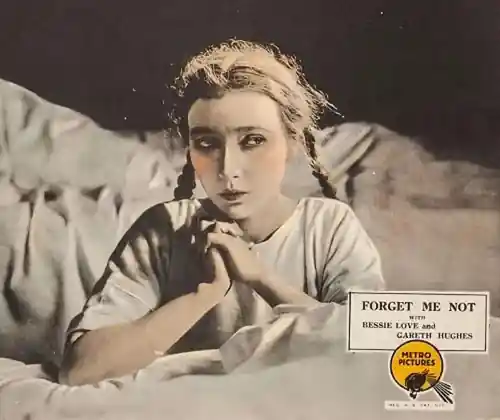
Mary Gordoon, gaunt as a guttering candle, trudges across rain-slick cobbles, her shawl a burial cloth for hope; she presses the last kiss of flesh onto the brow of infant Ann before the iron gate of a charity orphanage clangs shut like a guillotine on her motherhood. Years ossify into a single, lamplit corridor where the child, now lame in one leg, limps through hard-edged prayers and harder porridge, her only talisman the lopsided daisy chain woven by fellow foundling Jimmy—an urchin with soot-bright eyes who teaches her to read storm-clouds as if they were picture books of elsewhere. Together they invent a cosmology of escape: every cracked slate tile is a stepping-stone across the galaxy, every whistle of the night watchman a secret chord of freedom. But the world intrudes with the subtlety of a rusted blade: the orphanage matron, a gargoyle in bombazine, sells able-bodied boys to farm labor and pretty girls to sweatshops; Jimmy is carted off at dawn, leaving Ann clutching his hand-carved wooden soldier, its rifle snapped in half. The film’s second movement dissolves into phantasmagoria—superimpositions of Ann’s hobbled gait over churning pistons of the city, echoing the mechanical devouring of children that Progress celebrates. When typhoid sweeps the ward, the camera glues itself to the face of a dying toddler whose pupils become twin nebulae, swallowing the screen in a vortex of black leader; from this void emerges adult Ann (Myrtle Lind), her leg twisted like a birch in winter, her eyes holding the weary glint of someone who has already died twice. She earns stale bread as a seamstress in a cellar where gaslight flickers like a consumptive pulse; there she mends a gentleman’s waistcoat while harboring the secret that the silk thread once belonged to Jimmy, now a fugitive riveter who sends anonymous paper boats down the Thames with her name penciled inside. Fate, that sadistic puppeteer, engineers a ballroom scene straight out of a fever dream: a charity cotillion where debutantes in sugar-spun gowns glide past scullery orphans dressed as cherubs; Ann, hired to stitch last-minute torn tulle, stands behind a velvet curtain, sees Jimmy—clean-shaven, scarred, wearing the livery of a waiter—balance a silver tray that reflects her own astonished face. Their wordless reunion is shot in an unbroken two-minute close-up, the camera trembling as if on the verge of cardiac arrest. Yet the arithmetic of melodrama demands further laceration: a dandyish alderman, smitten by Ann’s spectral beauty, offers her a brooch shaped like a Myosotis blossom if she will “repay” him in carriage rides. She refuses; he retaliates by accusing Jimmy of theft; the constabulary drag Jimmy through a gauntlet of jeering stockbrokers while Ann’s crutch snaps on the courthouse steps. The final reel spirals into chiaroscuro delirium: Mary, now a consumptive street singer haunting the same embankment where she once surrendered her child, croaks a lullaby whose melody is the film’s leitmotif; Ann hears it through an open window, recognizes the voice that once vibrated inside her bones, and races—leg dragging like a sack of coal—across midnight bridges. Mother and daughter collide beneath a gas lamp just as Jimmy, escaped from a prison hulk, limps into frame. No one speaks; Clymer’s intertitle simply reads: “The heart remembers what the ledger forgets.” In the last shot, the three figures merge into a single silhouette against the river, their shadows lengthening until they dissolve into the celluloid grain itself, as though the universe were trying to erase its own cruelty.
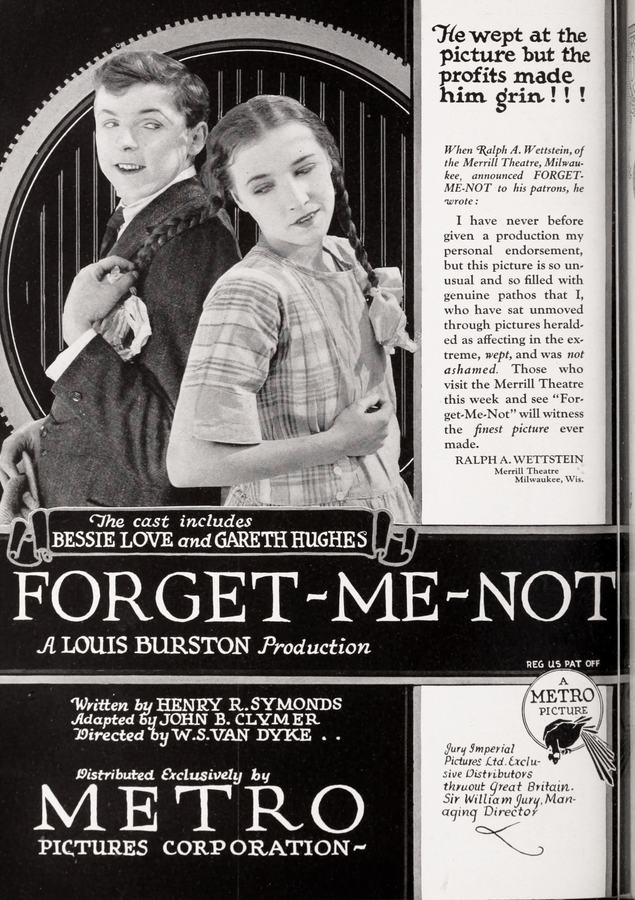
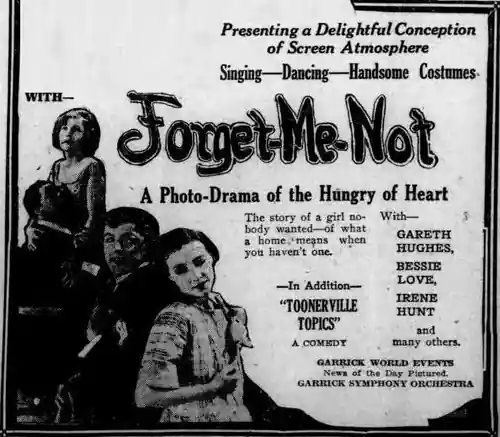
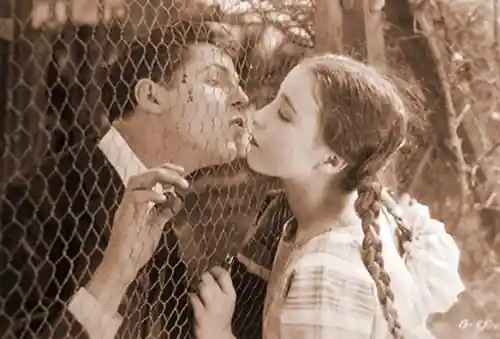
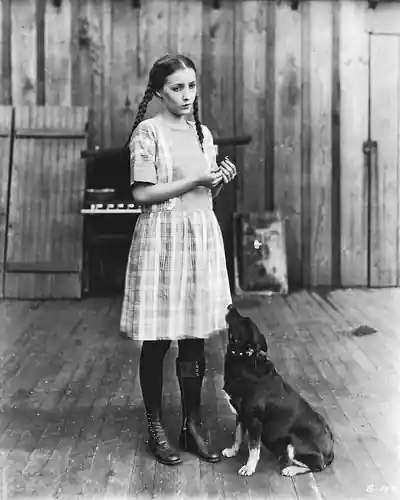
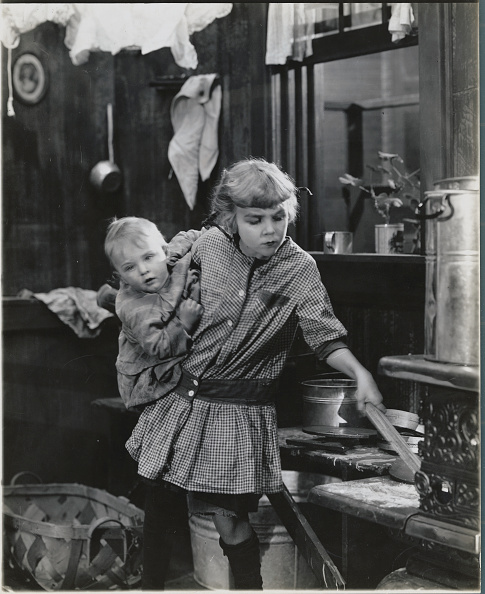
Young mother Mary Gordoon is too poor to take care of her infant daughter, Ann, and leaves the child at an orphanage. Ann grows up with a crippled leg in the orphanage, and has fallen in love with a fellow orphan, Jimmy.
Review Excerpt
"
There are films that brand the retina like hot coins, and then there is Forget Me Not, a 1922 one-reel whisper that somehow packs the emotional wallop of a Dickens doorstopper without ever raising its voice above the crackle of nitrate. Seen today in a 4K restoration scraped from a sole surviving Czech print, it feels less like a museum piece than a confession extracted from the collective unconscious of every parent who ever feared they were not enough.
Director John B. Clymer—better known t..."