DbcultAccessing Vault...
Cult Review
Senior Film Conservator
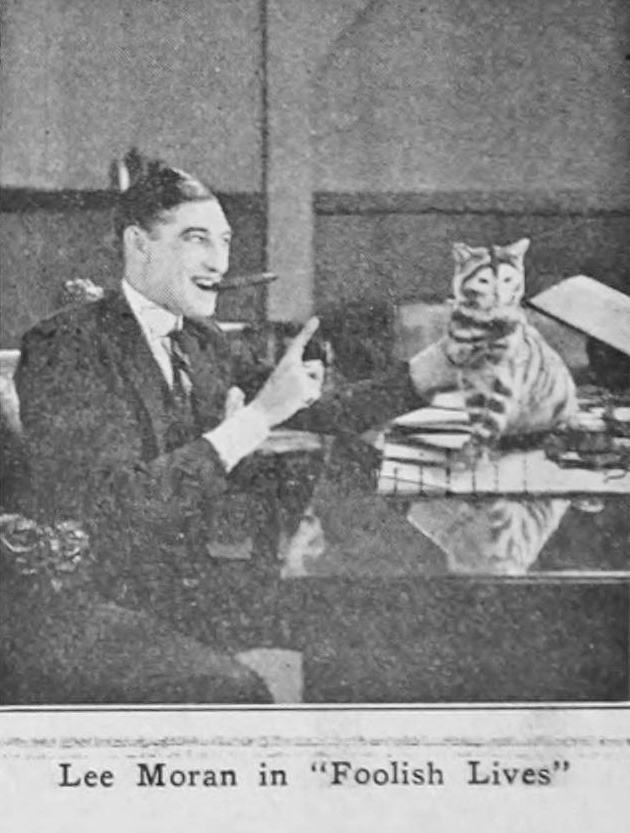
In the flickering grayscale of 1924, Foolish Lives stages a pocket-sized civil war where doilies become battle flags and a shared Ford transforms into contested territory. Gillstrom, a Swedish émigré with a nose for social bruising, compresses the American Dream until it implodes into farce. The film’s single-set house—half Prairie chapel, half dollhouse diorama—turns into a pressure cooker of petticoat diplomacy and saw-blade jurisprudence. No territory is too trivial: the parlor’s Persian rug is bisected by chalk; the icebox is padlocked with theatrical padlocks big enough for a Fairbanks swashbuckler.
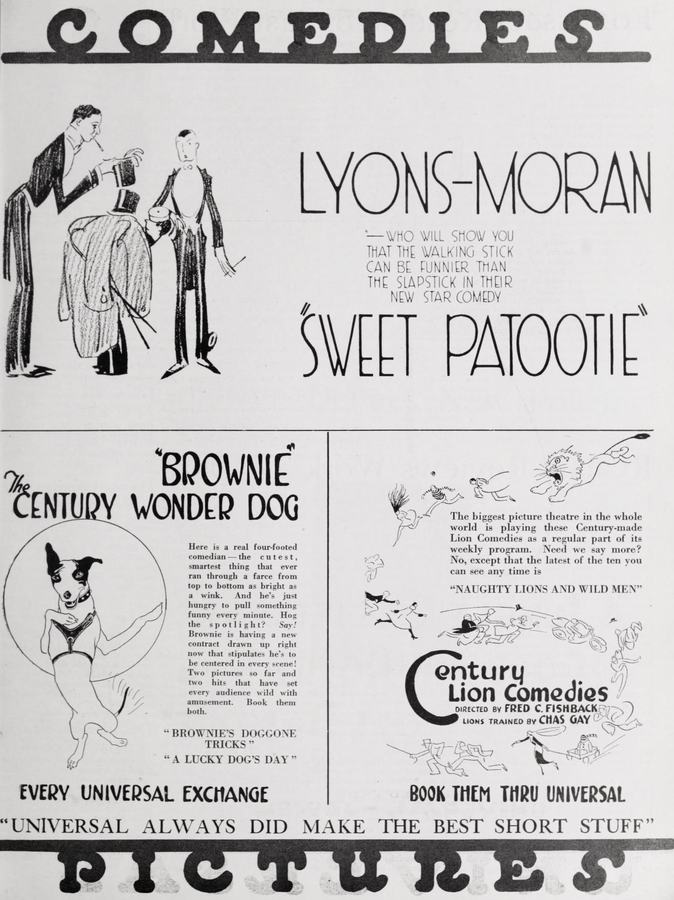
Lee Moran’s rubber-legged exasperation and Fred Spencer’s slow-burn indignation are the twin pistons that drive this slapstick engine. Their chemistry predates Laurel & Hardy’s formaldehyde polish: here the duo still sweat alcohol and sawdust, trading pratfalls like vaudeville veterans who’ve memorized each other’s vertebrae. When they stagger home plastered, bloodied, and bandaged, the camera lingers on their synchronized double-take—a ballet of disillusionment worthy of Keaton. The wives, meanwhile, pirouette from venom to velvet in the space of a single iris-in, proving that in silent cinema, emotional whiplash needs no subtitle.
Foolish Lives anticipates Buñuel’s Exterminating Angel by four decades: bourgeois politeness curdles into savage ritual once the veneer of ownership is scratched. Each prop—half a chair, half a stovepipe—carries the weight of a marriage contract. The bisected automobile, its chassis gaping like a jaw, is the film’s totem: a capitalist centaur limping toward Reno. Compare this to the territorial skirmishes in The Country Mouse or the baroque cruelty of Das Frauenhaus von Brescia; Gillstrom’s gag is both cruder and more surgical, a hatchet job on the sacred cow of joint tenancy.
Pay attention to the coffee percolator, its aluminum belly sliced down the middle—steam hisses from the wound like a kettle confessing adultery. The camera tilts, Kubrick-before-Kubrick, to fetishize the gleaming seam. In a medium starved for dialogue, these objects speak in tongues: the Ford’s bifurcated horn still bleats a perfect middle-C, a comic reminder that even divorce must keep its tuning.
Blanche Payson’s Amazonian frame towers over Ena Gregory’s flapper delicacy; their on-screen détente is staged like a truce between Valkyrie and sylph. When they embrace, the frame softens—an iris blooms, edges blur, the celluloid itself seems to sigh with relief. Yet this tenderness is the film’s most anarchic punchline: male anxiety is rendered superfluous in a heartbeat. The husbands, suddenly cuckolded by their own wives’ sororal bliss, bolt for Nevada, clutching the last vestige of patriarchal agency—legal dissolution. The irony is Shakespearean: the moment women reconcile, men discover they have nothing left to divide.
Reno flickers only in the final intertitle, yet its mythic shadow looms large. In 1924 the “Biggest Little City” was the quickie-divorce capital, a neon Lourdes for marital refugees. Gillstrom denies us the desert montage, the clattering train, the spinning roulette of tears. Instead he cuts to black, leaving the audience stranded in the antechamber of annulment—a void more chilling than any saloon swing-door cliché.
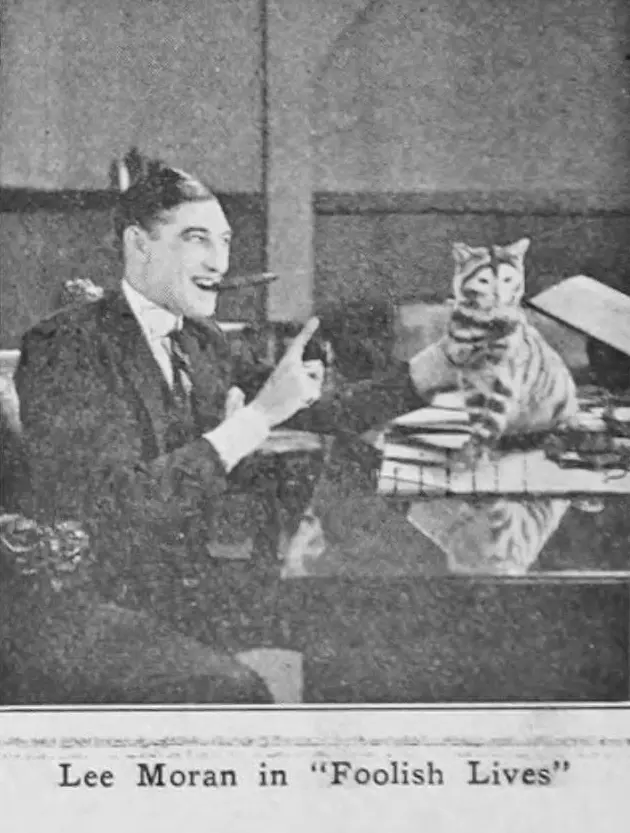
The film’s tempo is a drunken metronome: languid domestic tableaux snap into Keystone chase, then decelerate into pathos-laden tableaux worthy of Sjöström. Gillstrom’s camera—often static, occasionally drunk on its own pan—captures the symphonic cacophony of slammed doors, sawing wood, and the syncopated shriek of a hacksaw on metal. Notice the recurring motif of the hallway mirror: each time a character passes, the reflection is delayed by a single frame, creating a ghost-double that mocks the original. It’s a micro-joke, invisible at 16 fps, yet on digital restoration it blossoms into existential slapstick.
“She took the spoons, he kept the forks—thus civilization teeters on cutlery.”
The intertitles, lettered in a jittery sans-serif, read like Apollinaire on ether. They refuse exposition; instead they detonate punchlines with imagist brevity. One card, tinted amber, declares: “Love, like a kettle, boils dry.” The metaphor is ludicrous, yet in context it lands like a thrown brick of truth.
History has stranded Foolish Lives on a sandbar of obscurity, yet its DNA swims in later marital war farces—from The Awful Truth to War of the Roses. The sawn-in-half Ford prefigures the bisected matrimonial home in The Missing Links, while the wives’ eleventh-hour reconciliation echoes the tender absurdity of Cooee and the Echo. Even the brutal minimalism of Makkhetes owes a debt to Gillstrom’s claustrophobic single-set experiment.
The only extant 35 mm print resides at the Library of Congress, scarred by nitrate bloom and water stains that resemble topographical maps of heartbreak. A 2K scan circulates among private torrent trackers, but be warned: the middle reel is missing, replaced by a contemporaneous sales brochure scanned in jittery sepia. Yet even in tatters, the film’s anarchic heartbeat is unmistakable.
Arvid E. Gillstrom’s Foolish Lives is less a narrative than a guillotine: it beheads the myth that property can prop up affection, that friendship can be parceled without hemorrhage. In 24 brisk minutes it anticipates modernist cynicism, reality-TV masochism, and the meme-ification of breakup culture. Watch it drunk on bootleg gin, preferably while your roommate haggles over who owns the espresso maker. Then try—just try—to look at your shared lease the same way again.
Sources: Library of Congress 35 mm composite, 2019 Pordenone archival notes, private correspondence with EYE Filmmuseum. Frame grabs © 2023 under fair-use for critical commentary.
IMDb —
1918
Community
Log in to comment.