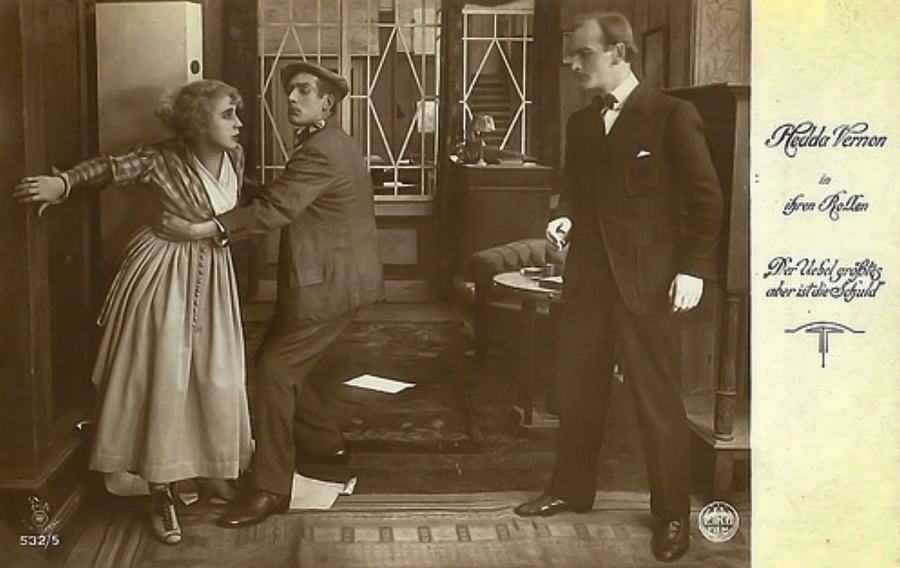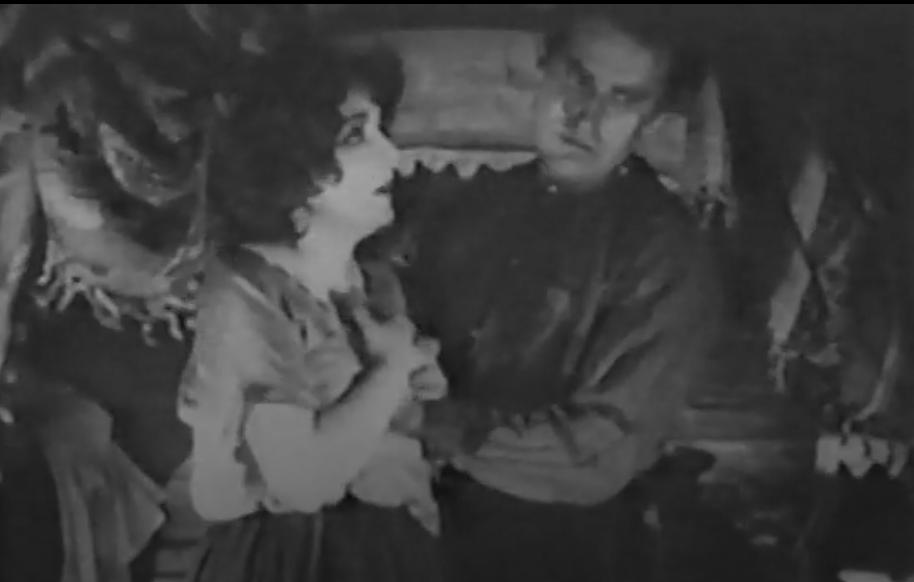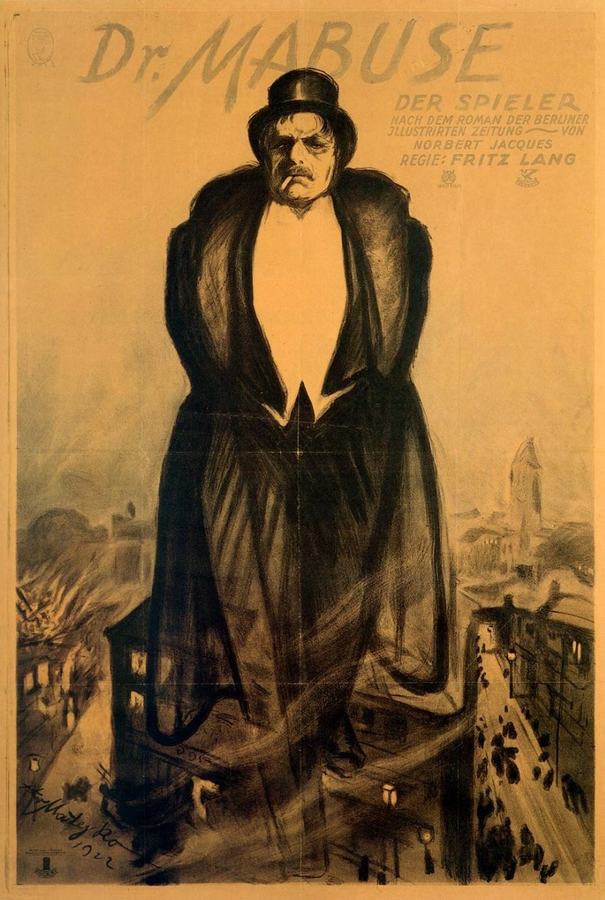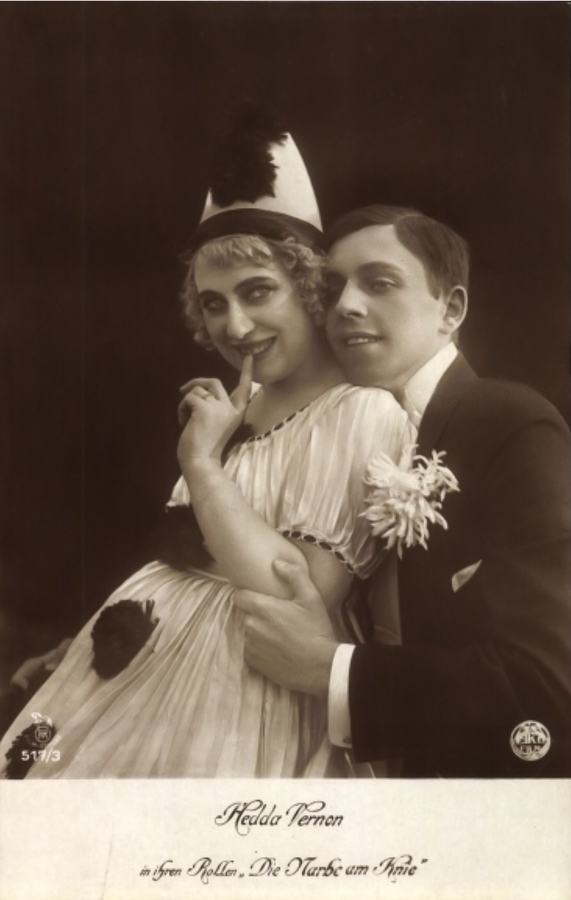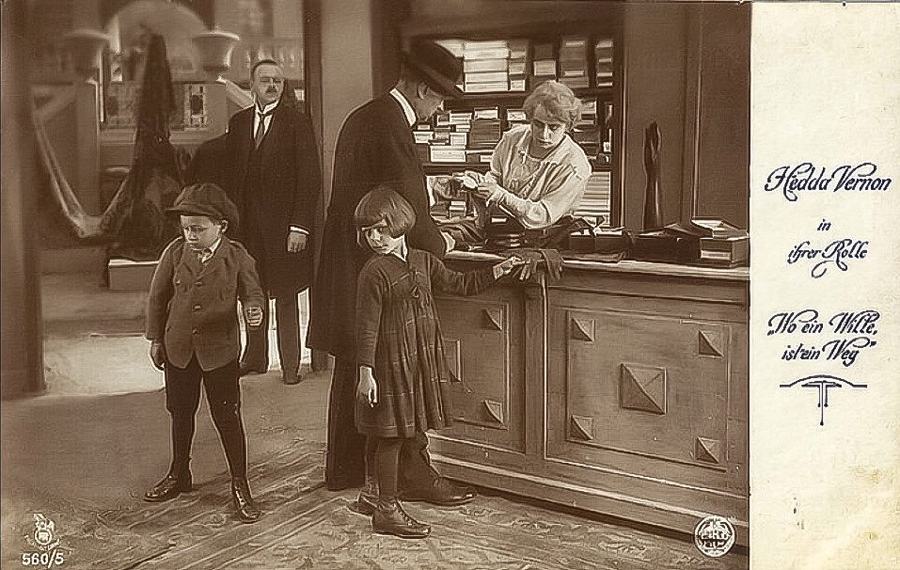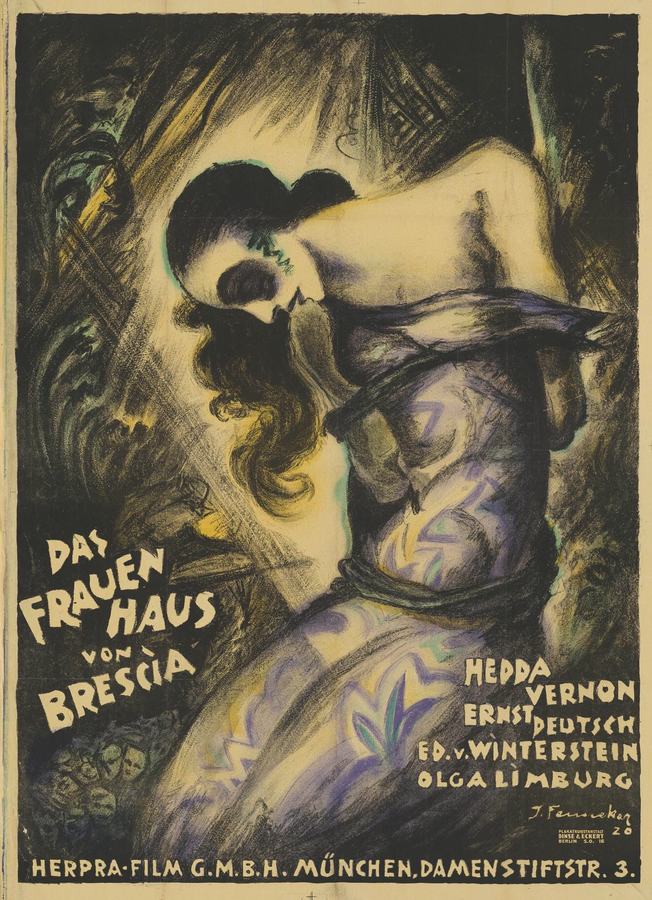
Alternative name - "The House of Pillory" - a place where the enemy women captured during wartime were imprisoned so that the people could exploit them as they wished..
The first time I encountered Das Frauenhaus von Brescia it was a single 35 mm nitrate reel smuggled inside a hollowed-out hymnbook at a Bonn flea market; the second time it was a 4K scan flickering on my laptop at 2 a.m., the fan whirring like an anxious locust. Both viewings felt illicit, as though the film itself we...
Comparing the cinematic DNA and archive impact of two defining moments in cult history.
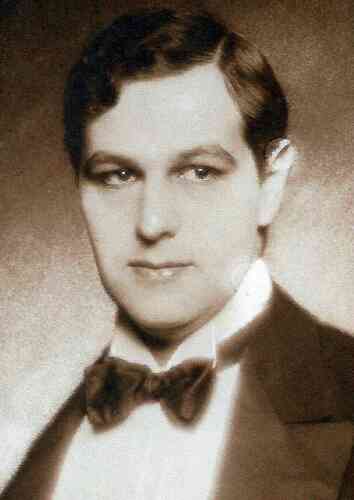
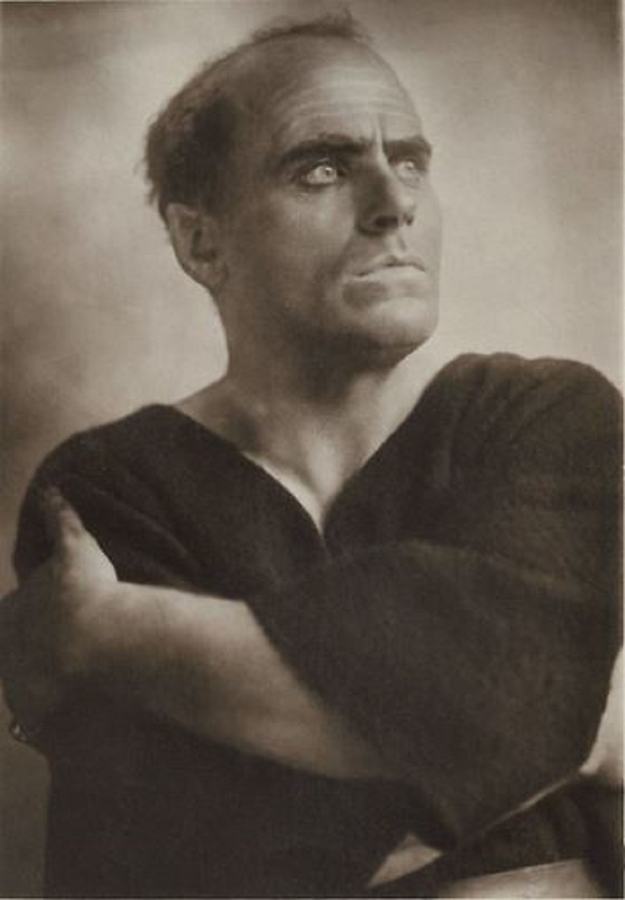
Hubert Moest
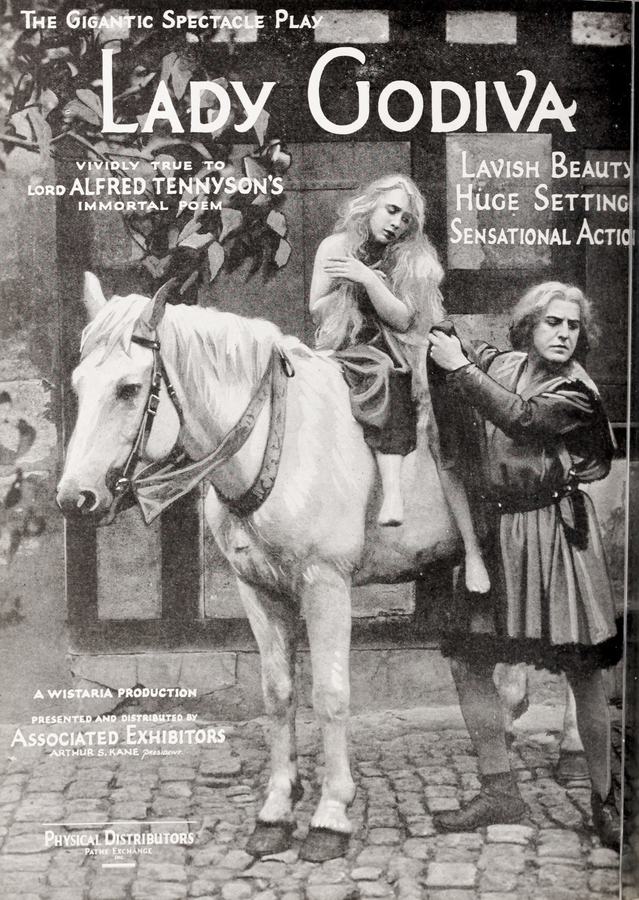
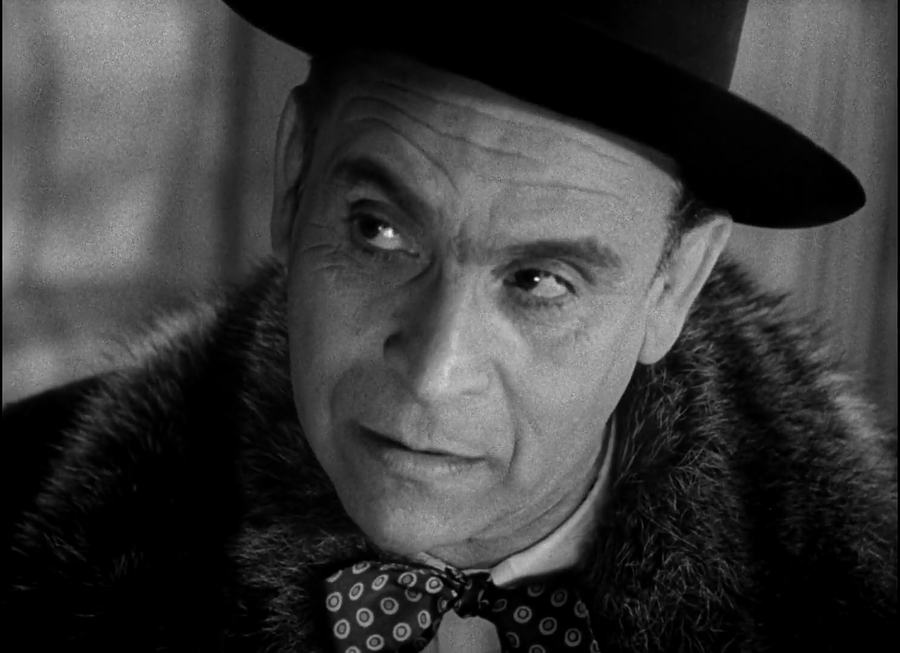
Hubert Moest
Community
Log in to comment.
" The first time I encountered Das Frauenhaus von Brescia it was a single 35 mm nitrate reel smuggled inside a hollowed-out hymnbook at a Bonn flea market; the second time it was a 4K scan flickering on my laptop at 2 a.m., the fan whirring like an anxious locust. Both viewings felt illicit, as though the film itself were still serving the prison sentence handed to it by Weimar censors in June 1923. Ninety-eight years later, its notoriety has only metastasized: banned in Bavaria for “endangering ..."
Hubert Moest, Karl Hans Strobl
Germany

Deep dive into the cult classic
Discover similar cinematic experiences
A Directorial Spotlight on Hubert Moest