DbcultAccessing Vault...
Cult Review
Senior Film Conservator
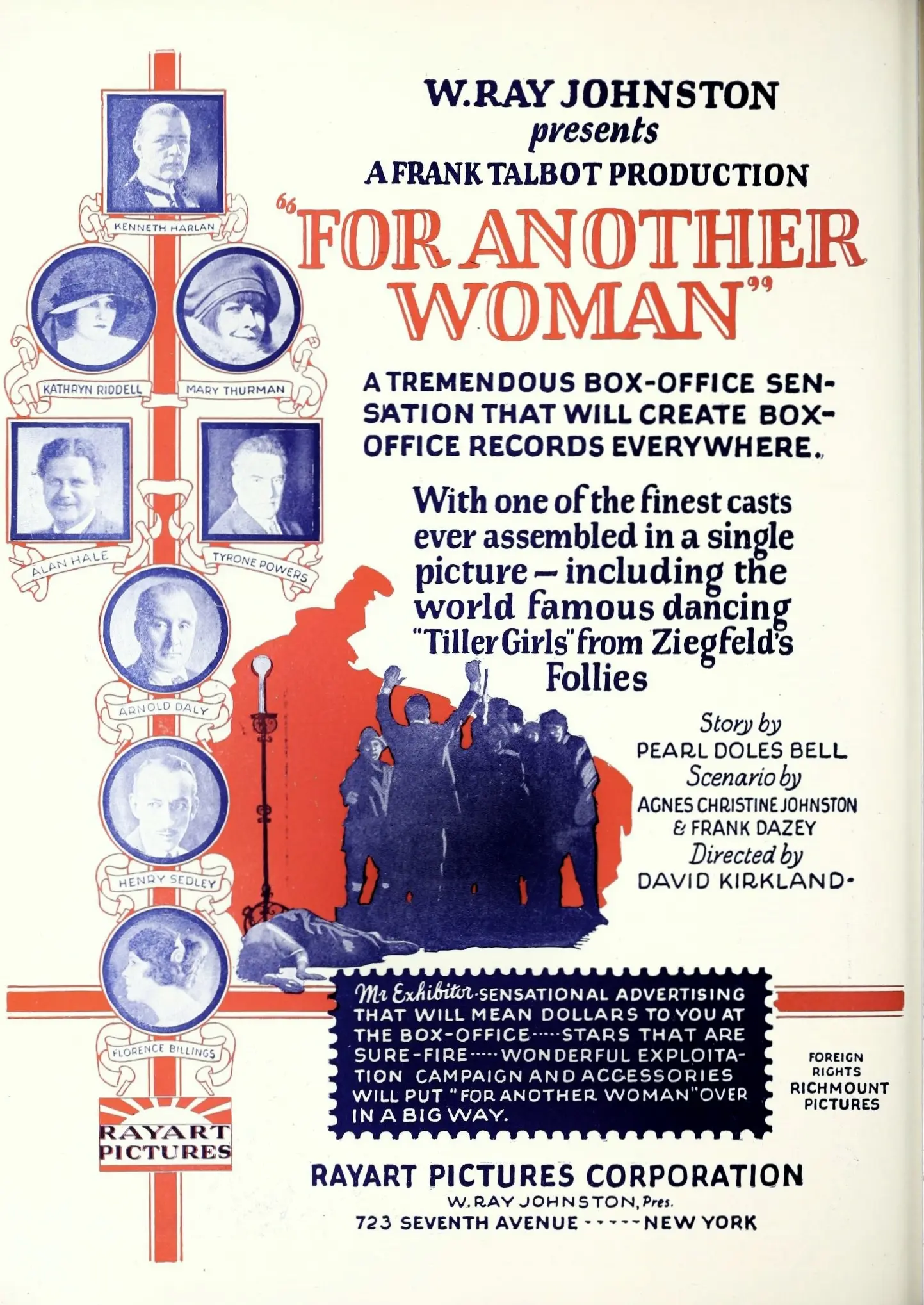
Stephen Winthrop, a young and carefree New Yorker, finds himself at the center of a moral and ethical dilemma when he suddenly inherits his wealthy Canadian uncle's vast estate. This film, directed with a nuanced touch, captures the essence of a young man’s journey from a life of parties and play to one of profound responsibility and introspection. The story unfolds in a small Canadian village where the villagers’ livelihoods are closely tied to the prohibition against hunting on the Wintrop lands.
At the heart of the narrative is the character of Mary Cartier, a goddaughter of the village priest who travels to New York to plead with Stephen to change the hunting ban. Her mission is both a personal and a communal one, as she sees the potential for the local economy and the villagers' well-being. Through a series of events, Stephen returns to Canada, witnesses the harsh realities of the villagers' lives, and ultimately decides to lift the ban, demonstrating a newfound sense of empathy and accountability.
The film’s exploration of Stephen’s transformation is a compelling study in character development. Played by Kenneth Harlan, Stephen’s journey from a party-loving dilettante to a man of conscience is both subtle and profound. His interactions with Mary, portrayed by Florence Billings, are filled with moments of tension, understanding, and mutual growth. The chemistry between the two actors is palpable, adding depth to their relationship and the broader narrative.
The local community’s reaction to the lifting of the ban is a critical subplot that adds layers of complexity to the story. The villagers, deeply rooted in their traditional ways, are initially overwhelmed with relief but quickly turn to anger and resentment when Mary brings back a child she claims as her own. This twist in the plot not only tests Stephen’s moral resolve but also challenges the viewer’s perception of right and wrong in a community context. The scene where the villagers confront Mary and Stephen is particularly powerful, highlighting the clash between personal and communal values.
The supporting cast, including Arnold Daly, Tyrone Power Sr., and Mary Thurman, each bring their unique presence to the film. Daly’s portrayal of the family attorney, Frank Garson, adds a layer of moral ambiguity to the narrative. His character’s actions, while driven by self-interest, also reflect the complexities of human nature and the difficult choices one must make. Power and Thurman’s chemistry as the ill and abandoned lawyer and his wife adds a poignant emotional layer to the story, underscoring the personal costs of ethical decisions.
Director and writer Pearl Doles Bell has crafted a film that is as much about the characters as it is about the setting. The Canadian landscape, with its stark beauty and stark realities, serves as a powerful backdrop to the story. The film’s visual aesthetic is a blend of natural beauty and the harsh realities of rural life, creating a rich visual tapestry that enhances the narrative.
Comparatively, films such as Sure-Fire Flint and The Happy Warrior offer a different but equally compelling look at the impact of individual actions on communities. In these films, the protagonists’ decisions have far-reaching consequences, much like Stephen’s in For Another Woman. However, the nuanced exploration of personal and communal ethics in For Another Woman sets it apart, providing a deeper and more thought-provoking experience for the audience.
The film’s score and cinematography are equally noteworthy. The score, which blends traditional folk music with more modern elements, enhances the emotional weight of key scenes, while the cinematography captures the raw beauty of the Canadian landscape. These elements combine to create a film that is both visually stunning and emotionally resonant.
Ultimately, For Another Woman is a film that challenges both the protagonist and the audience to question their own values and the implications of their actions. It is a story of personal growth, ethical awakening, and the profound impact of our choices on others. The film’s exploration of these themes, combined with its well-crafted characters and stunning visuals, makes it a must-watch for any film enthusiast interested in nuanced storytelling and rich character development.
With its strong performances, compelling narrative, and visually stunning production, For Another Woman stands as a testament to the power of cinema to explore complex themes and human experiences. It is a film that invites reflection and discussion, making it a valuable addition to any film library.
IMDb 7.6
1924
Community
Log in to comment.