DbcultAccessing Vault...
Cult Review
Senior Film Conservator
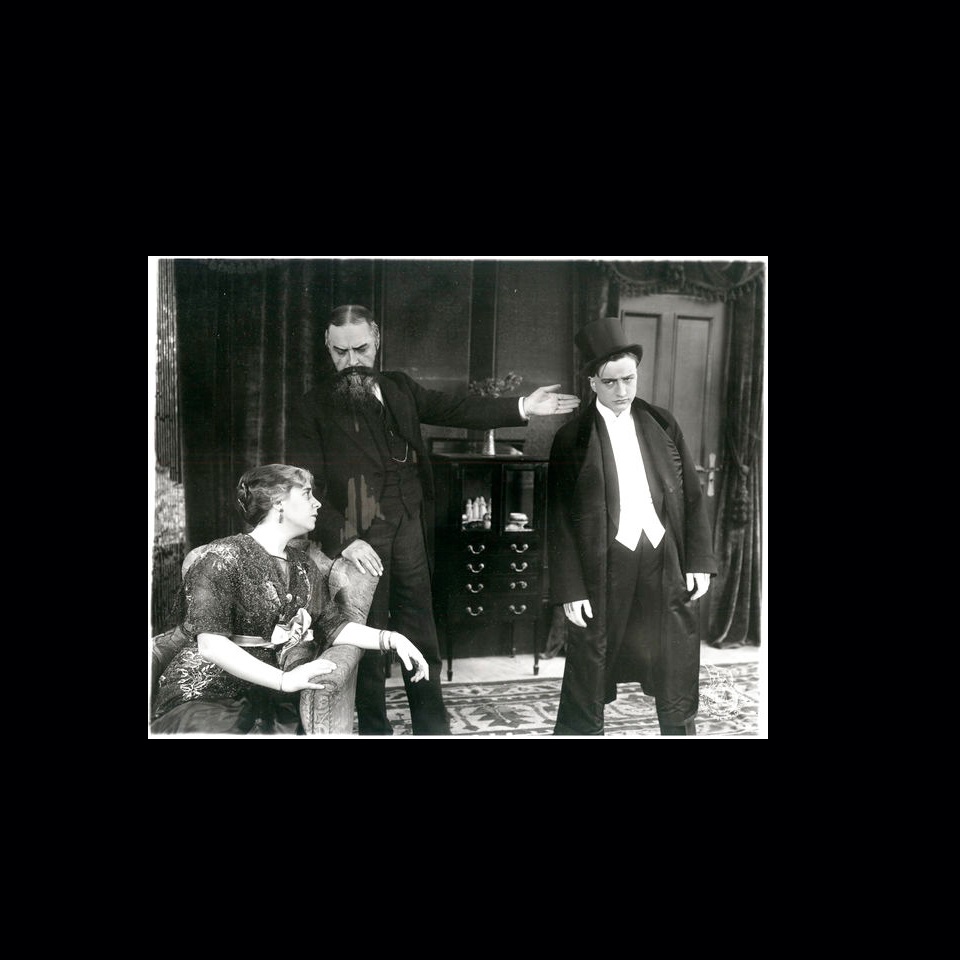
In the annals of early cinematic history, certain films resonate with a timeless power, their narratives transcending the limitations of their nascent medium to speak directly to the human condition. 'For sin Dreng' (For His Son) is precisely such a work, a Danish silent film that, through its profound emotionality and stark dramatic tension, carves an indelible mark upon the viewer's consciousness. It is a cinematic lament, a grand operatic tragedy unfolding without a single spoken word, yet communicating volumes through the nuanced expressions of its esteemed cast and the evocative power of its visual storytelling. This film is not merely a historical artifact; it is a vibrant, pulsating exploration of paternal love pushed to its ethical precipice, a searing examination of the sacrifices one might deem necessary in the face of insurmountable adversity.
At its core, 'For sin Dreng' presents us with Jens, a sculptor of undeniable talent, portrayed with a brooding intensity by the formidable Thorleif Lund. Lund, a titan of Danish silent cinema, imbues Jens with a palpable sense of internal conflict, his broad shoulders seeming to carry the weight of the world, or at least the crushing burden of his family's precarious existence. Jens is a man haunted by unfulfilled potential, his artistic genius languishing in the shadow of poverty. His greatest masterpiece remains uncarved, his ambition thwarted by the relentless demands of survival. This struggle is exacerbated by the fragile health of his young son, Karl, whose delicate constitution serves as a constant, agonizing reminder of their vulnerability. The specter of illness, a common and potent dramatic device in early cinema, here feels less like a trope and more like an existential threat, lending an immediate, visceral urgency to Jens’s predicament.
His wife, Maria, brought to life with exquisite sensitivity by the luminous Ebba Thomsen, stands as the moral compass and emotional anchor of the narrative. Thomsen, known for her commanding yet deeply empathetic performances, portrays Maria not as a passive observer but as an active participant in her husband’s internal drama. Her eyes, often downcast in sorrow or raised in silent pleading, convey an entire lexicon of unspoken emotions – a quiet strength, a profound love, and an increasingly gnawing apprehension. She is the silent witness to Jens’s burgeoning desperation, her intuition a subtle yet powerful counterpoint to his escalating moral compromises. Her performance is a masterclass in understated pathos, a testament to the power of non-verbal communication in conveying profound psychological depth.
The turning point arrives with the promise of a lucrative commission from Mr. Brandt, a wealthy patron portrayed by Robert Schyberg. This opportunity, however, coincides with Jens's discovery of a truly breathtaking sculpture, a work of unparalleled genius created by a deceased, unknown artist. This juxtaposition is crucial: on one hand, the chance for legitimate success; on the other, the irresistible allure of a ready-made masterpiece. As Karl's health takes a turn for the worse, the ethical lines blur. Driven by an overwhelming, primal urge to save his son, Jens makes a fateful decision: he appropriates the unknown artist's work, subtly altering it to pass it off as his own. This moment, depicted with agonizing tension, is the film's moral fulcrum, an act born of love but steeped in deceit.
The immediate aftermath is a cruel paradox. The stolen masterpiece garners immense critical acclaim, catapulting Jens into the echelons of artistic celebrity. Fortune smiles upon them, and Karl, now receiving the best medical care money can buy, begins to flourish. Yet, this newfound prosperity is hollow. Jens, though outwardly successful, is consumed by an agonizing guilt. Lund’s portrayal of this internal torment is masterful; his eyes, once alight with artistic passion, now carry a haunted, distant quality. Maria, ever perceptive, recognizes the shadow that has fallen over her husband. Her quiet observations, her lingering glances, betray a deep understanding of the moral compromise that underpins their new life. This silent, shared burden becomes a powerful, almost suffocating, presence in their home.
The genius of A.V. Olsen’s writing, even without explicit dialogue, lies in its ability to construct complex psychological landscapes. The narrative doesn't simply present a moral dilemma; it excavates the profound emotional repercussions of that choice. We witness the erosion of Jens’s spirit, the subtle hardening in Maria’s gaze, and the innocent joy of Karl, blissfully unaware of the dark secret that funds his recovery. The film's strength lies in its refusal to offer easy answers, instead dwelling in the uncomfortable space where love and transgression intertwine.
Comparing 'For sin Dreng' to other silent era masterpieces illuminates its unique contribution. The theme of a father's ultimate sacrifice, often involving moral ambiguity, echoes in films like The Italian, where a gondolier faces dire circumstances to provide for his family, or even the more overtly dramatic The Patriot, which delves into complex loyalties and tragic choices for a perceived greater good. However, 'For sin Dreng' distinguishes itself through its specific focus on artistic integrity and the insidious nature of intellectual theft, a less common theme than, say, poverty-driven crime or wartime heroism.
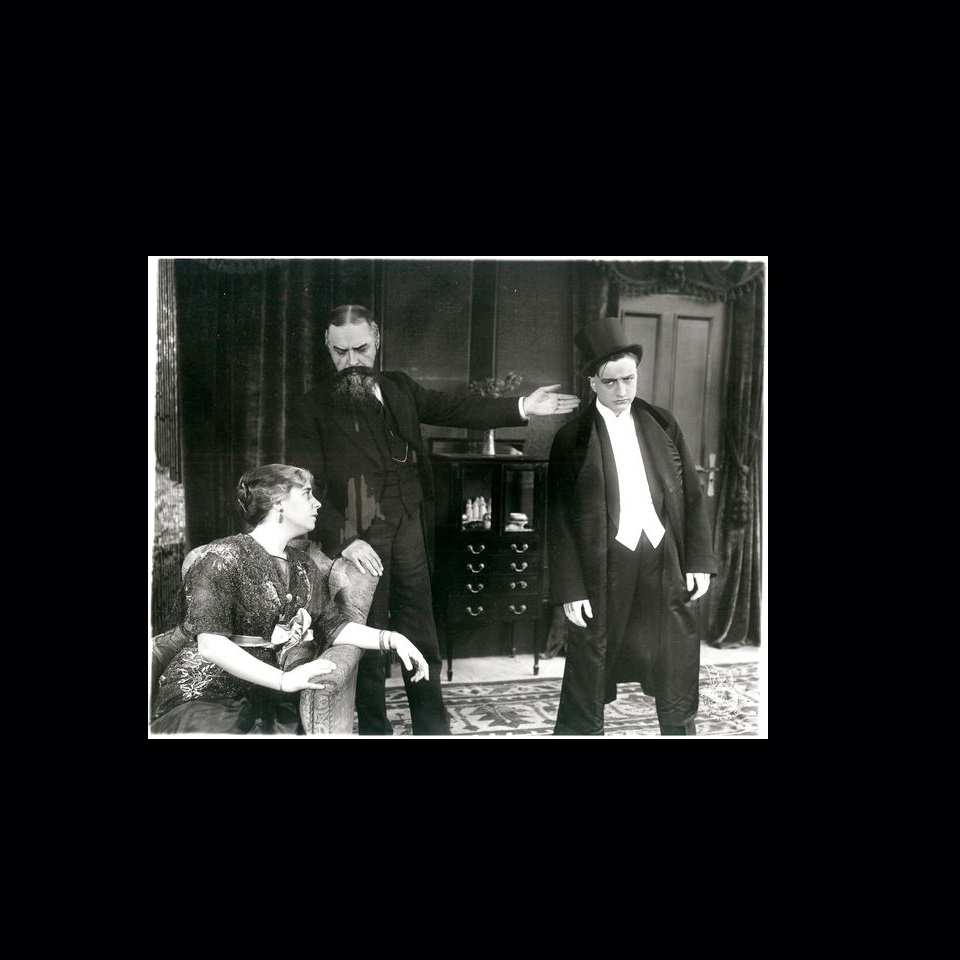
The film's exploration of social class and the struggles of the artist also finds resonance with later works like Martin Eden, though that film, a sound picture, offers a more verbose and cynical take on artistic ambition. In the silent era, the visual language had to carry the full weight of such critiques. 'For sin Dreng' achieves this through its stark contrasts: the opulent home of the wealthy patron versus the humble abode of the sculptor, the gleaming marble of the acclaimed sculpture versus the rough-hewn tools of its true creator. These visual metaphors are powerful, conveying societal inequalities without a single intertitle dedicated to exposition.
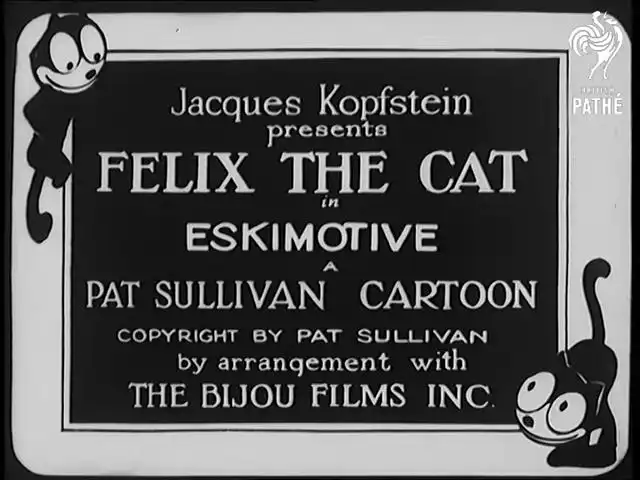
The slow, creeping dread as the truth threatens to unravel Jens’s life is reminiscent of the psychological tension in films like The Target or The Masked Motive, where secrets and past actions inevitably surface to demand reckoning. However, in 'For sin Dreng', the motive is not greed or malice, but a desperate, albeit misguided, paternal love, which adds a layer of tragic complexity. The audience is torn between condemning Jens's actions and empathizing with his plight, a testament to the film's nuanced characterization.
The narrative builds inexorably towards its climax, a masterful exercise in tension. A former associate, perhaps a relative of the deceased artist (a role that could easily fall to Stella Lind, whose presence often imbued silent films with an intriguing blend of innocence and suspicion), begins to harbor suspicions. A misplaced detail, a forgotten signature, or a chance encounter could be the catalyst that shatters Jens’s carefully constructed facade. The film excels in portraying this mounting pressure, often through close-ups on Lund’s tormented face or Thomsen’s increasingly worried expressions. The audience is left to wonder: will Jens confess, or will he be exposed? What will be the ultimate cost of his deception, not just to his reputation, but to his soul and, crucially, to his family?
The resolution, typical of the era's melodramas, leans towards moral clarity, yet eschews simplistic happy endings. Jens, confronted by the inescapable truth, makes a choice that, while devastating to his public persona, ultimately redeems his integrity in the eyes of his family. He loses his fame and fortune, but regains his peace and, more importantly, the unwavering respect and love of Maria and Karl. The final scenes, though perhaps devoid of grand pronouncements, speak volumes through the silent embrace, the knowing glances, and the quiet dignity of a family reunited in truth. The sacrifice, initially one of moral rectitude for material gain, transforms into a sacrifice of material gain for moral rectitude, completing a poignant, circular journey.
The contributions of supporting players like Arne Weel as the young Karl, though often limited by the conventions of child roles in silent cinema, are vital. His initial fragility and subsequent blossoming provide the emotional justification for Jens's actions, making his eventual well-being a powerful counterpoint to his father's suffering. The dynamic between these characters is the engine of the film's emotional resonance.
'For sin Dreng' stands as a testament to the enduring power of silent cinema to explore complex human emotions and ethical dilemmas. Its narrative, while rooted in the melodramatic conventions of its time, transcends them through the sheer force of its performances, the meticulousness of its direction, and the universal appeal of its central theme. It invites us to ponder the depths of parental love, the price of ambition, and the inescapable weight of conscience. It is a film that, even a century later, continues to provoke thought and stir the soul, proving that true artistry needs no words to speak volumes.
The film's impact lies not just in its dramatic narrative, but in its subtle exploration of the artist's struggle. It asks profound questions about originality, authenticity, and the societal value placed on creative output. Is a masterpiece less valid if its true creator remains unknown? Does the intent behind an act of deception mitigate its moral culpability? These are questions that resonate far beyond the confines of the silent screen, making 'For sin Dreng' a work of enduring relevance. It reminds us that sometimes, the greatest sacrifices are made not with grand gestures, but with the quiet, internal surrender of one's deepest values, all in the name of love. Its legacy is one of poignant reflection, a silent elegy to the lengths a parent will go, for their son.
IMDb —
1932
Community
Log in to comment.