Summary
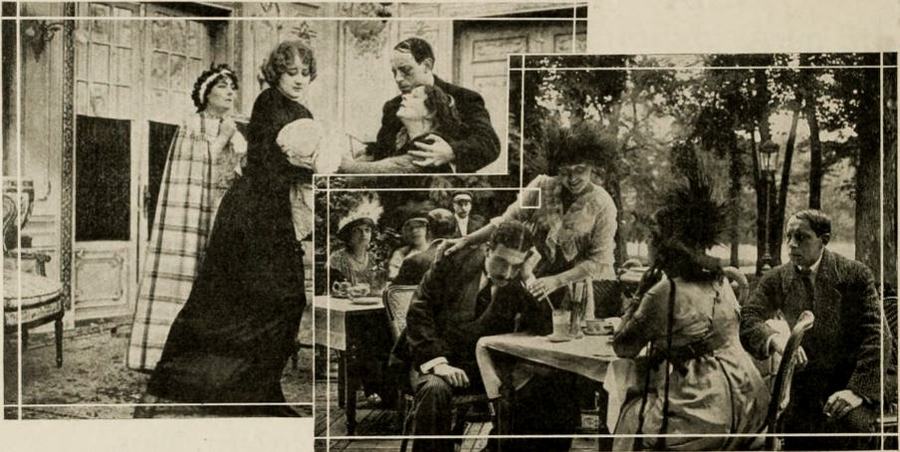
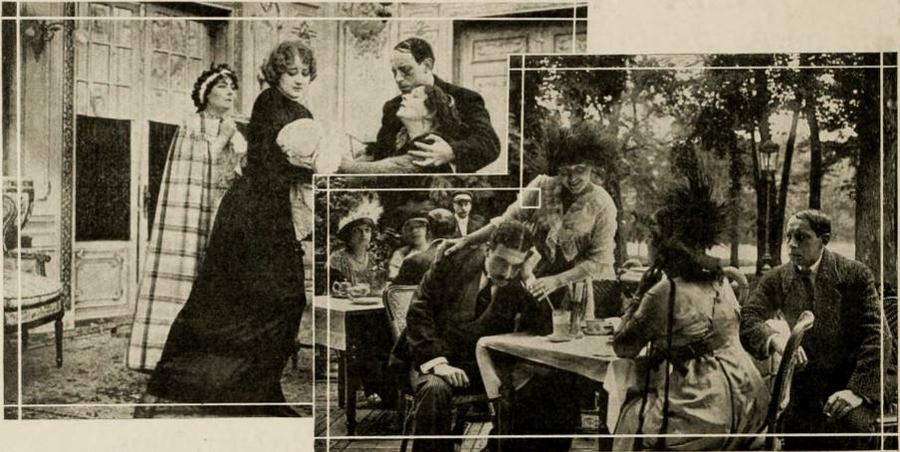
In a Parisian mansion gilded to the rafters, Sophie glides through silk-draped corridors while Marie Jean, her maid, polishes the same marble with bare, reddened knuckles; their hearts, however, beat in uncanny synchrony. A double wedding—one veil of Chantilly lace, one of plain muslin—ushers both women into mirrored fates: Sophie yoked to the aristocratic ennui of Count René, Marie Jean to Bertrand’s calloused-idealism. Enter Dr. Renault, a conversational chameleon whose smile is a scalpel; he covets Sophie the way a collector covets a missing stamp, and he engineers René’s death in a candle-lit ballroom duel that feels less like violence than choreography. Meanwhile Bertrand, seduced by absinthe and the easy nihilism of a bohemian pimp, gambles away rent and dignity until his infant’s cry becomes an accusation. The babies—one frail as rice-paper, one rosy as cider—are swapped in the fog of grief: Renault spirits Marie Jean’s daughter to Sophie’s aching arms, claiming resurrection. The real corpse, Sophie’s own child, lies anonymous beneath wet cemetery soil. Philip, the secretary who once catalogued Sophie’s dowry receipts, returns wielding dog-eared ledgers and a heart still smoldering after years of self-exile; he stalks Renault through gaslit alleyways, unearthing death certificates like love letters. Bertrand, sobered by the echo of his wife’s sobs, joins the hunt, two class-straddling bloodhounds piecing together a mosaic of forged signatures and lullabies. When the final mask falls—a silk domino lifted in a Belle Époque theatre—guilt ricochets upward, and the two women reclaim not only the living child but a sisterhood reforged by secrets and fire.
Synopsis
Two girls in entirely different stations in life are very fond of each other. Sophie, the daughter of rich parents, and Marie Jean, her maid. Both are engaged to be married, Sophie to Count Rene and Marie Jean to Bertrand, a workman. Philip, the secretary to Sophie's father, is in love with Sophie, but dares not tell her of it. Finally the two girls are married the same day and are very happy. Count Rene, however, falls under the spell of Dr. Renault, whom he thinks a very good friend of his. In reality, Renault is in love with Sophie and is planning to have Rene put out of the way so that he can press his suit. He invites Rene to a dance and there has him meet a duelist who insults him. Rene to vindicate his honor meets the duelist and is killed. Bertrand, Marie Jean's husband, has also fallen into evil ways and is led to drink by a friend. In course of time a child is born to both the girls. Sophie's daughter is very sickly and the doctor advises that the child be sent to the country to be nursed by an old lady, but the child dies. Doctor Renault sees an opportunity to get into Sophie's good graces and when Marie Jean becomes poverty stricken, owing to Bertrand's actions, he advises that her child be sent to the care of some institution. On the way there he contrives to steal the child from its guardian. He takes it to Sophie and tells of the care he has taken of her child in order to restore it to health. Sophie, not knowing that her child had died, believes him and is very grateful. Philip, the secretary, who had been in love with Sophie before her marriage, hears of the death of Count Rene and returns to Paris to see if he can be of any aid to Sophie. When he hears of the loss of Marie Jean's baby he decides to help her recover it. While on the search he finds the death record of Sophie's daughter. This arouses his suspicions of Doctor Renault and he has the doctor watched. The shock of the loss of their child and the realization of the trouble he has caused forces Bertrand into a different mode of life. He swears never to touch another drop of liquor and gives every assistance to Philip in his quest. They are finally successful in running down several clues, and as a result of their efforts the lives of the two girls take a turn that assures happiness.
Review Excerpt
"
A Parisian House of Cards Built on Other People’s Children
If you splice Nell of the Circus’ high-wire sentiment with the moral rot of The Avenging Conscience, you begin to approximate the volatile tonal cocktail that is The Masked Motive. The film arrives like a hand-tinted postcard whose scarlet brushstrokes flake under scrutiny: a bourgeois fairy tale that knows its own stink. Director—name sadly lost to nitrate decay—constructs a diorama of parallel sorrows, letting chandeliers and gutters ..."