DbcultAccessing Vault...
Cult Review
Senior Film Conservator
In the rarefied realm of silent film comedies, 'For the Love of Mike' (1922) occupies a distinctive niche, deftly balancing humor and pathos in its portrayal of a young prizefighter's existential crisis. The film's narrative, expertly crafted by writers George Marion Jr., H.C. Witwer, and Darryl F. Zanuck, revolves around Mike, a talented but superstitious pugilist, whose aversion to participating in his 13th bout threatens to derail his burgeoning career.
Upon the return of Gladys and Sadie from their European sojourn, they become embroiled in Mike's dilemma, with Gladys assuming the role of de facto therapist in an effort to alleviate his irrational fears. As she navigates the complexities of Mike's psyche, the film skillfully excavates the tensions between reason and superstition, ultimately yielding a nuanced exploration of the human condition.
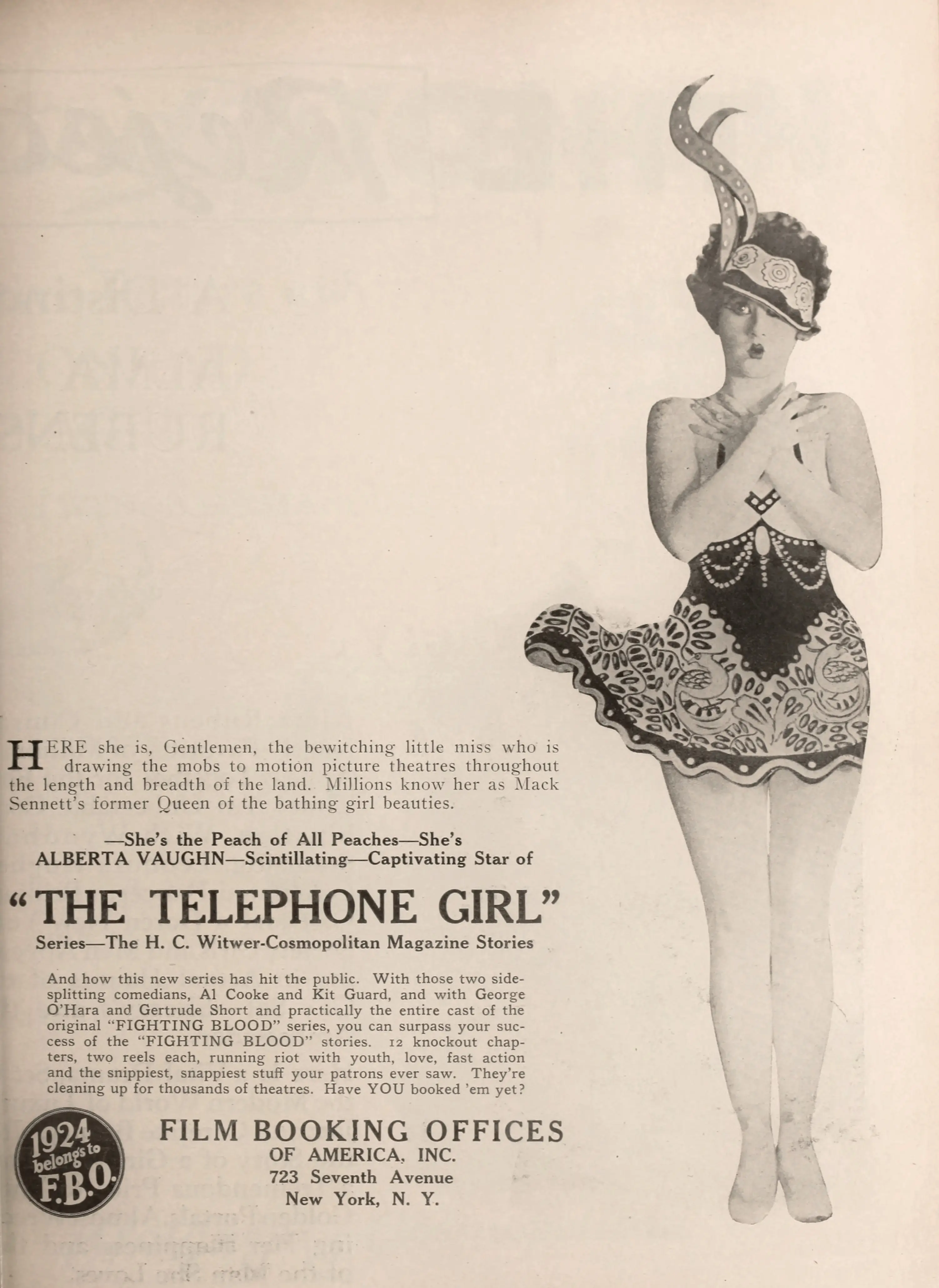
The performances of the cast, including Eric St. Clair, Al Cooke, Alberta Vaughn, Kit Guard, Gertrude Short, and Ford Sterling, lend a remarkable degree of authenticity to the film's diegetic world. Their portrayals, imbued with a keen sense of comedic timing and dramatic depth, serve to underscore the narrative's thematic preoccupations, effectively humanizing Mike's plight and investing the audience in his ultimate triumph.
In its thoughtful deconstruction of superstition and the psychology of fear, 'For the Love of Mike' invites comparison with other notable silent films, such as 'Love's Redemption' (1921) and 'The Sign of the Rose', which similarly explore the intricacies of human emotion and the vicissitudes of fate. Moreover, the film's use of comedic tropes and situational irony recalls the works of contemporaries like 'Dracula's Death' and 'The Matrimaniac', demonstrating a keen awareness of the cinematic traditions within which it operates.
One of the most striking aspects of 'For the Love of Mike' is its thoughtful engagement with the notion of superstition as a form of psychological affliction. In an era where the boundaries between rationality and superstition were increasingly being contested, the film offers a fascinating case study of the ways in which irrational fears can both debilitate and ultimately liberate individuals.
From a technical perspective, the film's cinematography and editing exhibit a high degree of proficiency, with a keen attention to visual composition and narrative pacing. The direction, while not particularly innovative, demonstrates a sure-handedness in its handling of the source material, effectively coaxing strong performances from the cast and leveraging the mise-en-scène to reinforce the narrative's thematic concerns.
In conclusion, 'For the Love of Mike' stands as a testament to the enduring appeal of silent film comedies, offering a richly textured and humorously engaging exploration of the human condition. While it may not necessarily rank among the most celebrated films of its era, it remains a delightful and thought-provoking diversion, well worth the attention of cinephiles and scholars alike.
Ultimately, the film's success can be attributed to its ability to balance humor and pathos in a way that feels both authentic and engaging. As a cinematic artifact, 'For the Love of Mike' provides a captivating glimpse into the world of silent film comedy, one that continues to entertain and enlighten audiences to this day.
In terms of its cultural significance, 'For the Love of Mike' offers a fascinating window into the social and historical context in which it was produced. The film's portrayal of a young prizefighter's struggles with superstition serves as a powerful metaphor for the anxieties and fears of the post-war era, providing a unique perspective on the cultural zeitgeist of the time.
The film's use of comedic tropes and situational irony also serves to underscore its thematic preoccupations, effectively humanizing Mike's plight and investing the audience in his ultimate triumph. As a result, 'For the Love of Mike' remains a delightful and thought-provoking diversion, well worth the attention of cinephiles and scholars alike.
In the final analysis, 'For the Love of Mike' is a cinematic gem that continues to entertain and enlighten audiences to this day. Its thoughtful deconstruction of superstition and the psychology of fear, combined with its richly textured and humorously engaging narrative, make it a must-see for anyone interested in the art of silent film comedy.

IMDb 5.9
1934
Community
Log in to comment.