DbcultAccessing Vault...
Cult Review
Senior Film Conservator
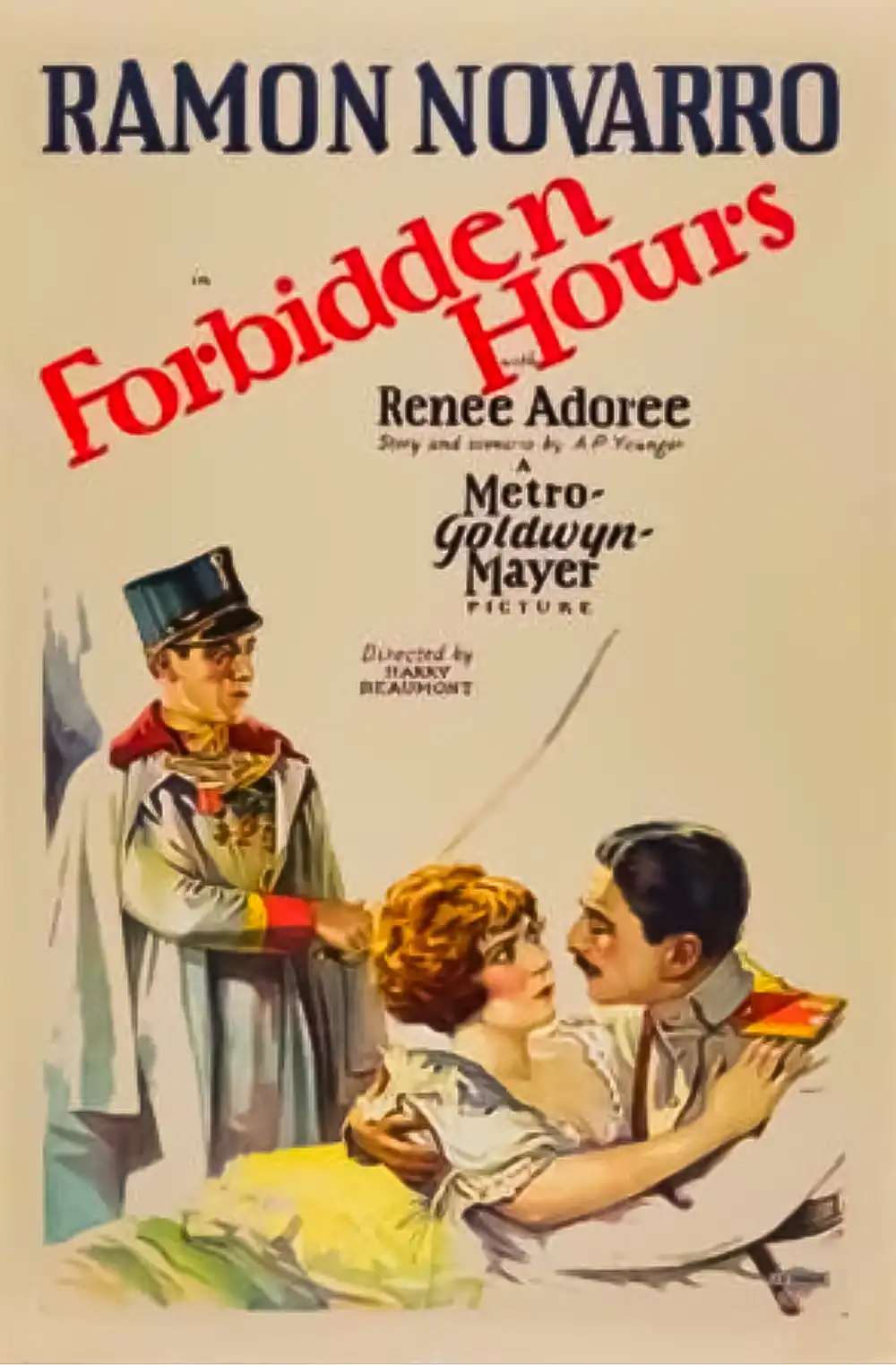
MGM’s 1928 silent feature, Forbidden Hours, lands squarely in the melodramatic tradition of its era: a dashing prince, a forbidden love, and the crushing weight of royal duty. Is it worth watching today? For dedicated silent film enthusiasts, particularly those interested in the twilight years of the silent era and the transition to sound, it offers genuine historical and performative interest. Fans of Ramon Novarro and Renée Adorée will find moments to appreciate their undeniable screen presence. However, for general audiences accustomed to modern narrative rhythms and character depth, its predictable plot and often ponderous pacing will likely prove a significant hurdle. Those seeking a fast-paced, emotionally complex drama should probably look elsewhere.
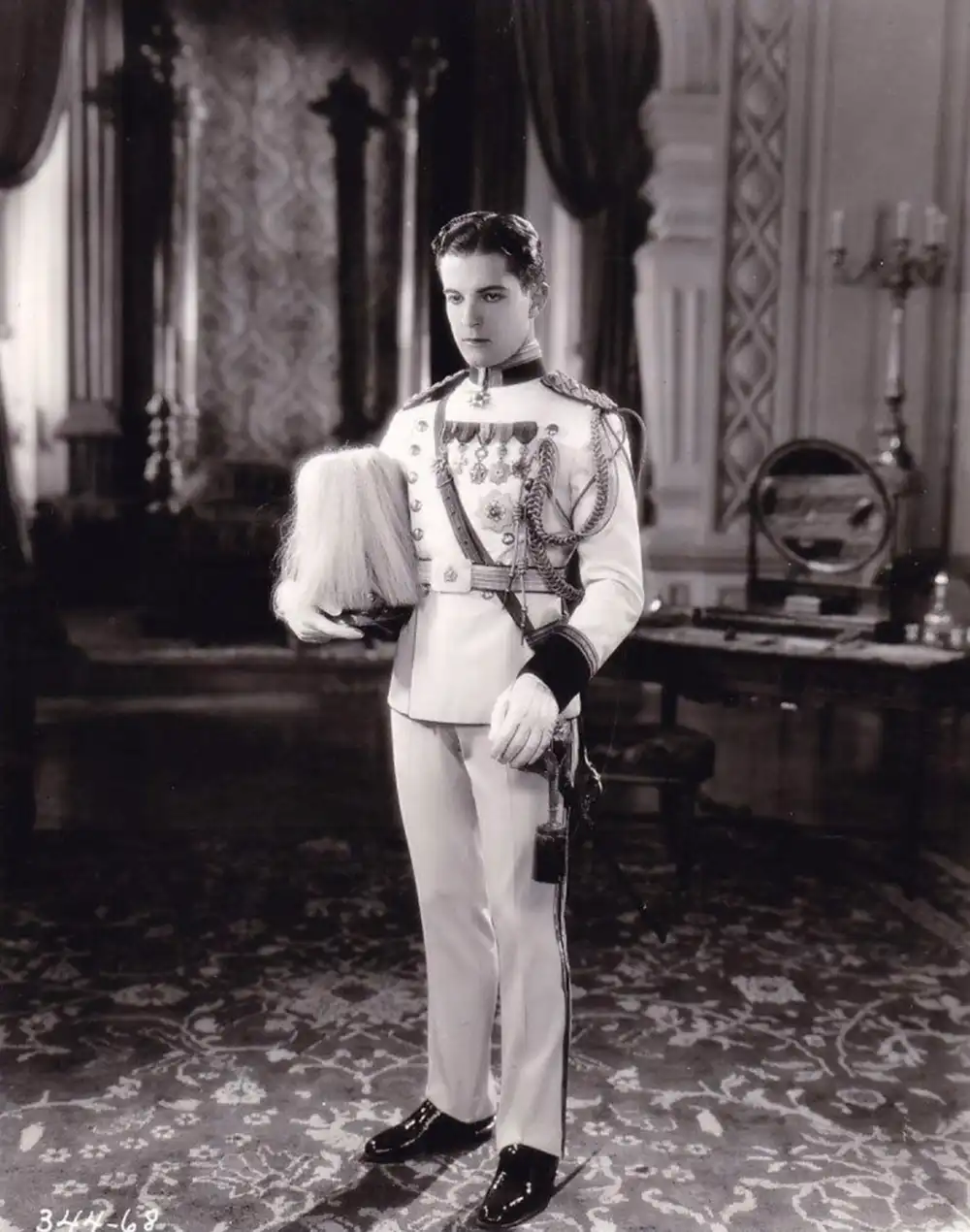
At the center of Forbidden Hours is Ramon Novarro as Prince Michael IV. Novarro, a major star at the time, carries the film with a certain regal charisma. He excels in conveying the internal conflict of a man torn between obligation and passion, often through subtle shifts in his posture or the expressive sadness in his eyes. There’s a particular scene early on where he’s being fitted for his royal garments, and his discomfort isn’t just physical; it's a palpable visual metaphor for the metaphorical straightjacket of his position. He often looks genuinely burdened, adjusting his crown or uniform collar with a weary resignation that speaks volumes without a single intertitle.
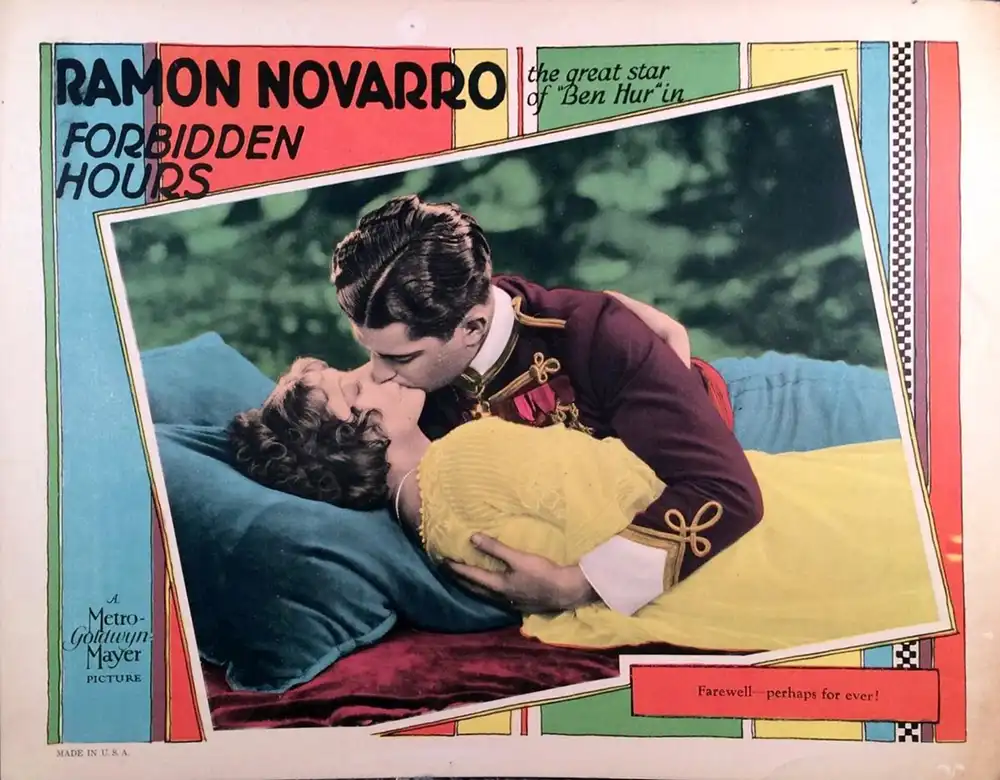
Renée Adorée, as the peasant girl Marie de Flor, brings a necessary vitality to her role. She’s spirited and beautiful, providing a striking contrast to the stuffy palace environment. Her scenes with Novarro possess a believable, if occasionally saccharine, chemistry. Adorée’s performance manages to imbue Marie with a sense of defiance and independence that elevates her beyond a mere damsel in distress. She’s not just waiting to be rescued; she’s actively seeking her own path, even if it’s fraught with danger.
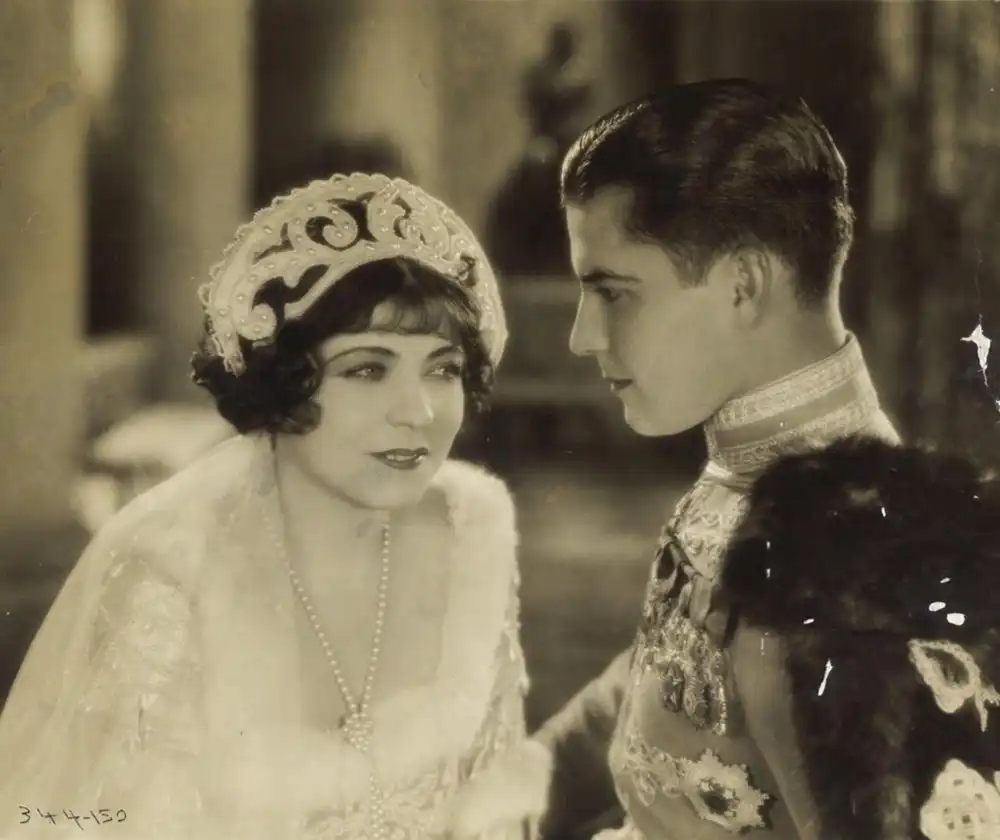
The supporting cast, however, often veers into broad caricature. Dorothy Cumming as Queen Alexia, Michael’s intended bride, is suitably icy and aristocratic, but without much nuance. Roy D'Arcy, playing the scheming Lord Chief Justice, is a quintessential silent film villain, all sneers and furtive glances. His performance, while effective for the period, occasionally feels over-the-top, with his menacing expressions held just a beat too long, pushing him into cartoonish territory rather than truly sinister. It’s a performance designed to elicit boos, and it succeeds, but it doesn't offer much in the way of depth.
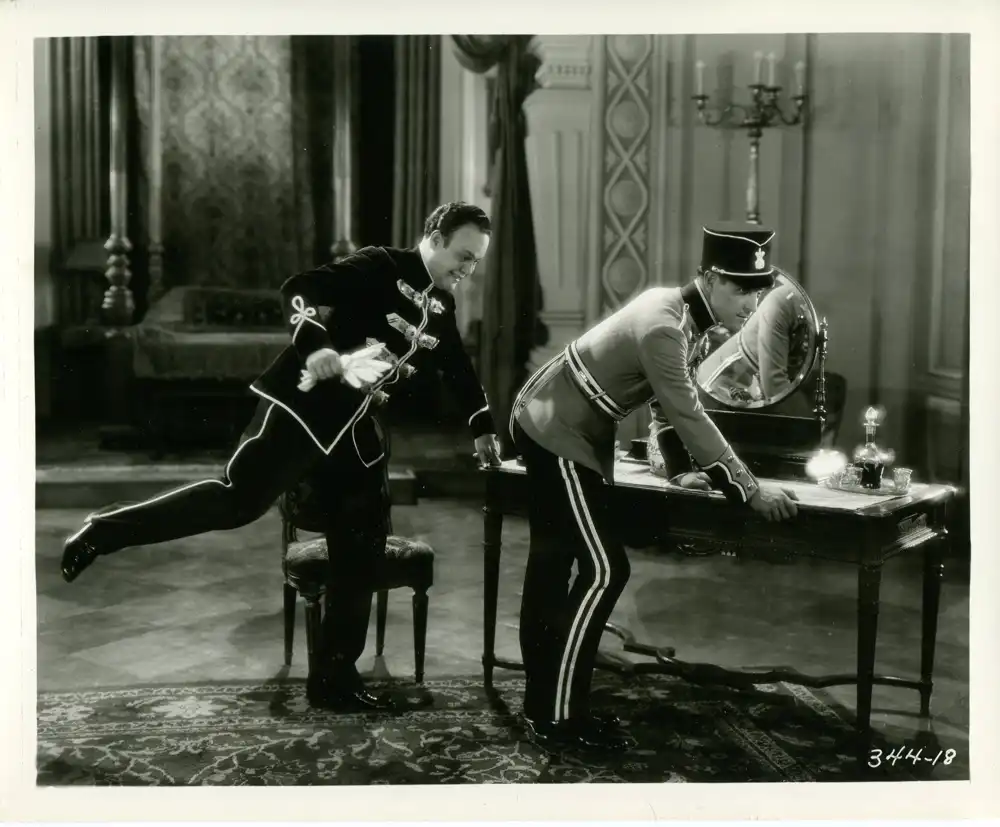
The film's pacing is, perhaps, its most significant challenge for contemporary viewers. The early sequences establishing the court and Michael’s predicament feel drawn out, relying on lengthy reaction shots and repetitive visual cues to convey the prince’s unhappiness. While this was common in silent cinema, here it often feels like the narrative engine stalls. The romance, when it finally takes center stage, injects some much-needed energy. The scenes of Michael and Marie’s secret meetings are often beautifully shot, utilizing natural light and secluded garden settings to emphasize their clandestine world.
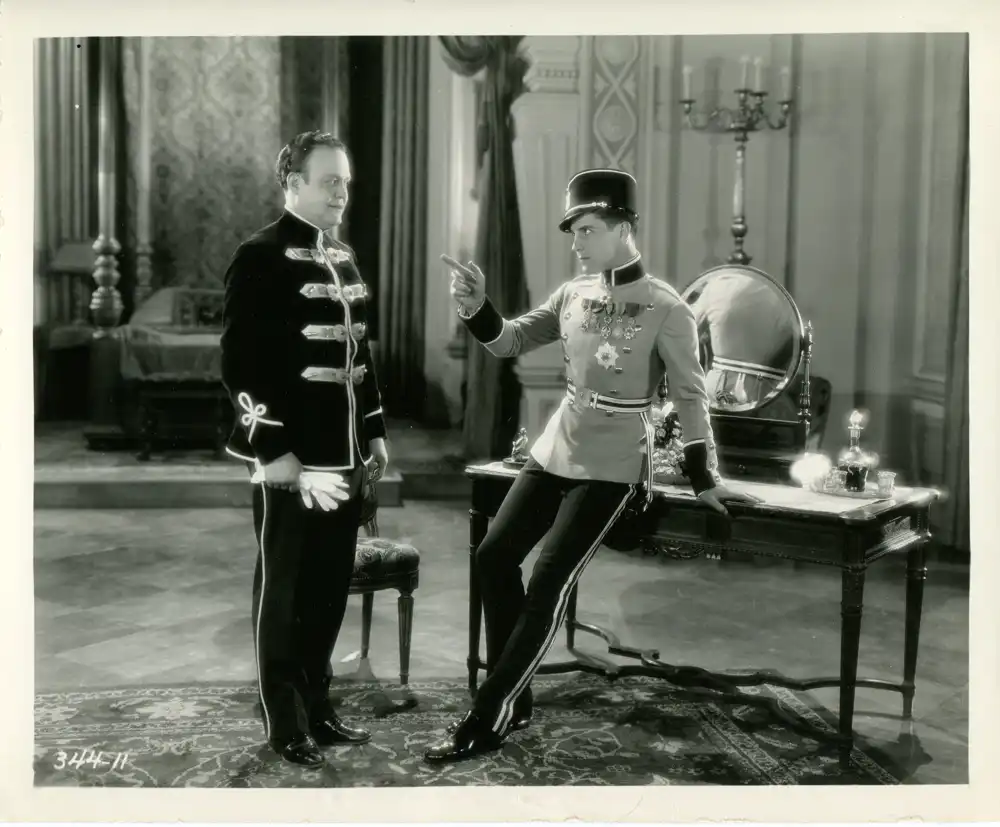
Visually, Forbidden Hours showcases MGM’s considerable production values. The sets for the fictional kingdom of Balanca are lavish, featuring grand ballrooms and ornate royal chambers. The contrast between these opulent, often dimly lit palace interiors and the surprisingly bright, almost pastoral scenes depicting Marie's village life is stark and effective. The cinematography, particularly in the romantic interludes, employs soft focus and artful compositions to enhance the romantic mood. There's a recurring visual motif of gates and archways, constantly framing characters and emphasizing the barriers between social classes and the constraints on Michael's freedom. The editing, for the most part, is conventional, though there are moments, particularly during the more dramatic confrontations, where quick cuts attempt to build tension, with varying degrees of success.
One particularly effective sequence involves Michael's desperate attempt to retrieve a crucial letter from Marie's home while the palace guards are searching for him. The tension here is genuinely palpable, relying on sharp editing and Novarro's frantic, yet controlled, movements. It’s a masterclass in silent suspense, demonstrating how much can be conveyed through action and expression alone. On the other hand, a lengthy sequence involving a ceremonial hunt, while visually impressive in its scale, feels largely superfluous to the central narrative, adding little beyond demonstrating the kingdom's grandeur and further padding the runtime.
The intertitles, as is common for the period, range from functional exposition to poetic declarations of love. They serve their purpose, but occasionally feel a little heavy-handed, spelling out emotions that Novarro or Adorée are already perfectly conveying through their performances. The film’s tonal consistency is generally maintained, leaning heavily into romantic melodrama, but there are moments where the sheer predictability of the plot can make it feel like a series of expected plot points rather than an unfolding, organic story.
Ultimately, Forbidden Hours is a film that functions best as a historical artifact and a showcase for its stars. It’s a well-produced melodrama from a specific period, demonstrating the strengths and limitations of silent Hollywood. While it doesn't break new ground in terms of narrative or character complexity, it offers a charming, if somewhat slow, romantic drama that will appeal to silent film aficionados. It’s a testament to Novarro’s enduring appeal and Adorée's spirited performance that the film remains watchable, despite its structural flaws. For those willing to adjust their expectations to the pace of silent cinema, there are genuine pleasures to be found in its classic tale of love against all odds. Casual viewers, however, might find its charms too subtle and its runtime too demanding.
IMDb 5.6
1933
Community
Log in to comment.