DbcultAccessing Vault...
5.8/10
Senior Film Conservator
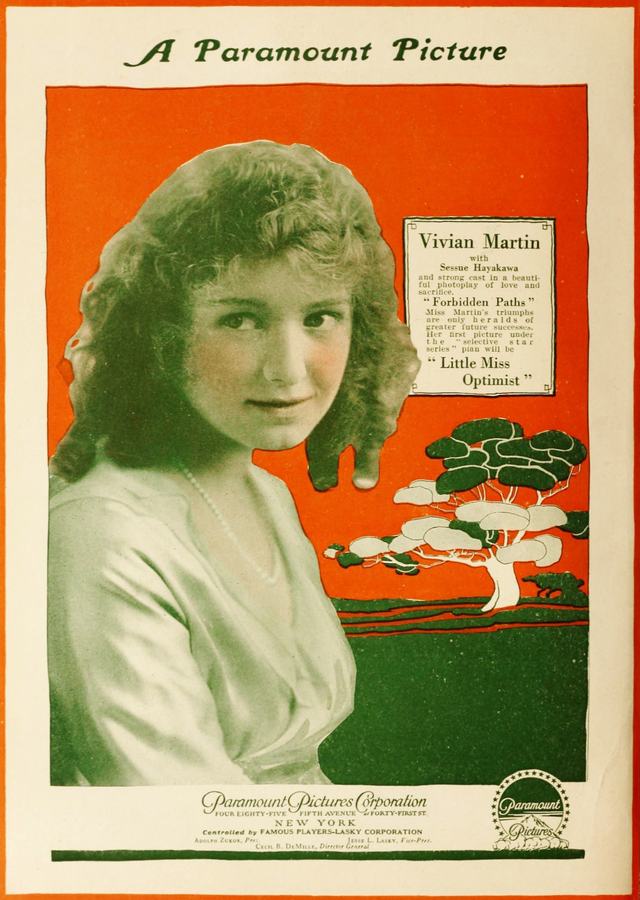
A definitive 5.8/10 rating for a film that redefined the boundaries of cult cinema. Forbidden Paths remains a cornerstone of transgressive art.
In the annals of silent cinema, few films dared to tread the path of social commentary with the quiet audaciousness of Forbidden Paths. Released in 1917, during an era of profound global upheaval and shifting cultural paradigms, this compelling drama stands as a testament to the power of film to explore the human heart’s most delicate and dangerous desires. At its core lies a narrative of profound emotional depth: the burgeoning, yet tragically constrained, affection between a Japanese man and the daughter of his American employer. This seemingly straightforward premise belies a rich tapestry of societal critiques, cultural friction, and individual yearning, making it a pivotal piece in understanding early 20th-century American perceptions of race and romance.
The film’s magnetic force emanates largely from the unparalleled screen presence of Sessue Hayakawa, who portrays Kito, the Japanese protagonist. Hayakawa, a superstar of his time, possessed an extraordinary ability to convey complex inner turmoil and dignified restraint through subtle gestures and piercing gazes. His performance in Forbidden Paths is nothing short of mesmerizing. Kito is not a caricature but a man of intellect and deep feeling, thrust into a societal structure that struggles to accommodate his identity beyond a prescribed role. Hayakawa imbues Kito with an almost palpable sense of quiet longing and an unyielding moral compass, navigating a world that simultaneously exoticizes and ostracizes him. His portrayal elevates the character beyond the confines of a mere romantic lead, transforming him into a symbol of the struggle for acceptance and understanding across cultural divides. This nuanced performance undoubtedly contributed to his remarkable success in an industry often prone to simplistic portrayals of non-white characters, setting him apart from many of his contemporaries. One might draw parallels to his earlier work in The Tigress or The Devil's Double, where he also often played characters of intense internal conflict, but here, the cross-cultural element adds an entirely new layer of societal pressure.
Opposite Hayakawa is Vivian Martin as the American daughter, a character whose innocence and burgeoning independence form the other crucial pillar of the narrative. Martin brings a refreshing vulnerability to her role, depicting a young woman who, initially perhaps naive to the societal strictures around her, gradually awakens to the profound nature of her feelings for Kito. Her character's journey is one of quiet defiance, as she grapples with familial expectations and the invisible, yet formidable, walls of prejudice. The chemistry between Martin and Hayakawa is subtle but undeniable, conveyed through stolen glances, hesitant touches, and the unspoken language of shared understanding. It's a delicate dance that underscores the inherent tragedy of their situation. Martin's portrayal avoids melodrama, opting instead for a portrayal rooted in genuine human emotion, making her character's internal conflict deeply relatable. Her performance echoes the spirit of independent women seen in films like Merely Mary Ann or even The Wild Girl, where female protagonists often challenged established norms, albeit in different contexts.
The intricate emotional landscape of Forbidden Paths is meticulously crafted by its writing team: Eve Unsell, Leighton Osmun, and Beatrice DeMille. Their screenplay navigates the treacherous waters of inter-racial romance with a degree of sensitivity that was remarkably progressive for its era. Rather than resorting to simplistic tropes, the writers delve into the psychological nuances of their characters, allowing their motivations and struggles to unfold organically. The conflict isn't merely external; it's deeply internalized by Kito and the daughter, reflected in their hesitant gestures and profound silences. The narrative avoids easy answers, instead opting for a portrayal of love that is both beautiful and inherently fraught with peril. The pacing, typical of silent films, allows for a deliberate build-up of tension and emotional resonance, giving ample space for the actors to convey their characters' inner worlds without dialogue.
While a specific director's credit for Forbidden Paths isn't readily available within the provided information, the film's visual storytelling speaks volumes. Silent cinema relied heavily on evocative cinematography and carefully composed tableaux to communicate narrative and emotion. The visual language of Forbidden Paths is adept at highlighting the cultural chasm between the characters and their surroundings. Shots are often framed to emphasize isolation or the clandestine nature of their affection. The use of lighting, sets, and costumes undoubtedly played a crucial role in establishing the mood and reinforcing the thematic elements, creating a world where love blossoms precariously amidst rigid social structures. The uncredited directorial vision, working in concert with the powerful screenplay, ensured that the film's message was delivered with impactful clarity.
The very title, Forbidden Paths, encapsulates the film's central conflict. This was a love story that dared to challenge the deeply ingrained racial and social prejudices of early 20th-century America. At a time when anti-miscegenation laws were prevalent and xenophobia was a palpable force, a romance between a Japanese man and a white American woman was considered highly transgressive, if not outright scandalous. The film courageously brings these societal anxieties to the forefront, not through overt polemic, but through the deeply personal struggles of its characters. It forces the audience to confront the arbitrary nature of such 'forbidden' boundaries, questioning who defines them and what human cost they exact. The film doesn't shy away from the pain and sacrifice inherent in such a relationship, making its emotional impact all the more profound.
“Forbidden Paths” serves as a vital historical document, offering a glimpse into the societal anxieties and moral complexities of its time, while simultaneously crafting a timeless tale of love’s defiance.
Comparisons to other films of the era are inevitable, particularly Madame Butterfly (1915), another significant portrayal of East-West romance. However, where Madame Butterfly often leaned into more overtly tragic and operatic conventions, Forbidden Paths feels perhaps more grounded in a realistic struggle against everyday prejudice, even if its ultimate resolution might still conform to certain expectations of the time. It avoids the more sensationalized elements, opting for a quieter, more introspective examination of love's challenges. The film also stands distinct from other Hayakawa vehicles like Less Than the Dust, which, while exploring different themes, often highlighted his ability to portray characters of profound honor and dignity, qualities that are central to Kito's appeal in Forbidden Paths.
More than a century after its release, Forbidden Paths remains remarkably relevant. Its exploration of identity, cultural acceptance, and the courage to love beyond societal boundaries resonates deeply in our contemporary globalized world. The film serves as a potent reminder of the historical struggles faced by marginalized communities and the persistent human desire for connection and understanding. It encourages viewers to reflect on how far society has come, and perhaps more importantly, how far we still need to go in dismantling the 'forbidden paths' that continue to divide us.
The performances by Sessue Hayakawa and Vivian Martin are indelible, their on-screen chemistry a testament to the universal language of emotion. The thoughtful screenplay by Eve Unsell, Leighton Osmun, and Beatrice DeMille ensures that the narrative feels both epic in its societal scope and intimate in its personal tragedy. For cinephiles and cultural historians alike, Forbidden Paths is not merely a relic of the past but a vibrant, emotionally charged work that continues to provoke thought and stir the heart. It’s a compelling argument for the enduring power of silent film to tackle complex social issues with grace and profound human insight, solidifying its place as an essential viewing experience for anyone interested in the foundational narratives of cinematic artistry and societal evolution.
In an era that often reduced complex cultural interactions to simplistic caricatures, Forbidden Paths carved out a space for a more empathetic, albeit ultimately melancholic, understanding of love across the divide. It is a film that, despite its age, speaks volumes to the timeless human experience of yearning for acceptance and battling against the currents of prejudice. Its quiet power lies in its ability to humanize a narrative that society at large desperately sought to demonize, making it an invaluable piece of cinematic history that demands continued recognition and appreciation.
IMDb —
1916
Community
Log in to comment.