DbcultAccessing Vault...
5.5/10
Senior Film Conservator
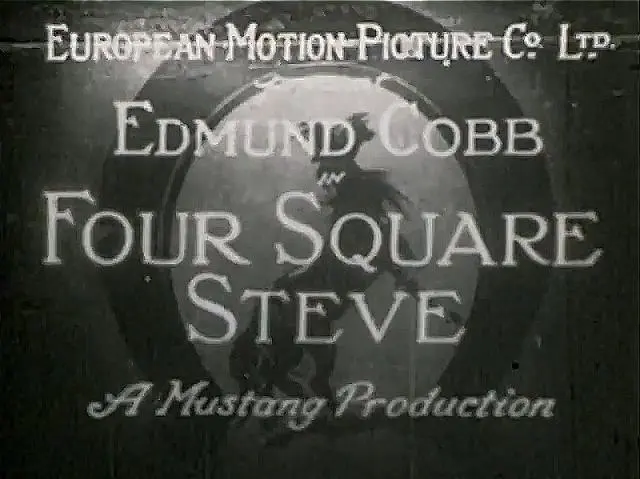
A definitive 5.5/10 rating for a film that redefined the boundaries of cult cinema. Four Square Steve remains a cornerstone of transgressive art.
Is this film worth watching today? Short answer: Yes, but only if you are a dedicated student of silent-era Westerns or a Fay Wray completionist. For the casual viewer, the pacing and simplistic morality may feel more like a museum exhibit than a gripping narrative.
This film is for historians of the 'Mustang' series and those who appreciate the raw, unpolished energy of 1920s B-Westerns. It is NOT for anyone seeking psychological depth, modern pacing, or a plot that subverts the 'damsel in distress' trope.
1) This film works because of the palpable screen presence of a young Fay Wray, who manages to inject genuine terror into a role that is written as a mere plot device.
2) This film fails because the narrative relies on a 'dyed-in-the-wool' villain who lacks even a shred of complexity, making the central conflict feel like a foregone conclusion.
3) You should watch it if you want to see the foundational building blocks of the Western genre before they were refined by the likes of John Ford or Anthony Mann.
Four Square Steve is a film that operates on the currency of the archetype. Edmund Cobb plays Steve with a stoicism that is almost tectonic. He doesn't move so much as he looms. In 1926, this was the gold standard for heroics—a man who was 'four-square,' meaning honest, reliable, and unshakeable. Unlike the more nuanced portrayals we see in later silents like The Border Legion, Cobb’s Steve is a finished product from the first frame. He has no arc; he only has a mission.
The villainy here is equally static. The antagonist doesn't just make 'rude advances'; he embodies a localized apocalypse for Milly. There is a specific moment when the villain corners Milly in the shack where the cinematography actually aids the storytelling. The use of shadows, though rudimentary compared to the German Expressionism of Whispering Shadows, creates a claustrophobic atmosphere that makes the eventual rescue feel earned. It works. But it’s flawed.
While most audiences associate Fay Wray with the giant ape that would define her career a few years later, her work here in Four Square Steve shows the groundwork of her appeal. She possesses a 'silent' vocabulary of movement that conveys more than the title cards ever could. When she finds herself trapped in the deserted shack, her performance isn't just about the scream; it's about the frantic, bird-like movements of a woman who knows the frontier offers no safety net.
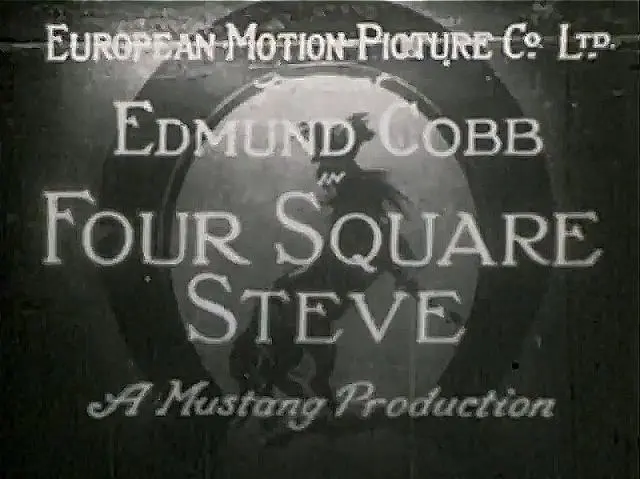
Compare her performance here to her work in Her Honor, the Governor, and you see a performer who was rapidly outgrowing the 'damsel' archetype. In this film, she is the emotional anchor. Without her, the movie would be a dry exercise in horse riding and fistfights. She gives the audience a reason to care about the ranch, the job, and the rescue. It is a performance of necessity.
The pacing of the final act is where director (and writer) Cecil Burtis Hill shows his hand. The discovery of the note is a trope as old as the hills, but the way Hill cuts between Steve’s frantic ride and Milly’s struggle in the shack creates a primitive form of suspense. It’s not as sophisticated as the cross-cutting in Tennessee's Pardner, but it serves the purpose. The horse-riding sequences are filmed with a raw, handheld energy that suggests the camera crew was just as much at risk as the actors.
One surprising observation: the film spends an unusual amount of time on the 'job' Steve gets at the ranch. Usually, these films skip the labor to get to the gunfights. Here, we see a glimpse of the mundane ranch life, which makes the intrusion of the villain feel like a violation of a hard-earned peace. It’s a subtle touch in a movie that otherwise lacks subtlety.
If you are looking for a masterpiece of silent cinema, you won't find it here. Four Square Steve is a 'programmer'—a film meant to fill seats in a double feature. However, it is worth watching to see the evolution of the Western hero. Steve is the prototype for the 'strong, silent type' that would eventually become a cliché. Seeing it in its original, unironic form is enlightening.
Furthermore, the film serves as a fascinating contrast to the more urban-focused dramas of the era, like Black Friday. While the cities were being portrayed as centers of moral decay, the Western shack in this film is portrayed as a site of primal struggle. The simplicity is the point.
Pros:
The chemistry between Cobb and Wray feels authentic. The landscape is used effectively to highlight isolation. The film doesn't overstay its welcome, moving at a brisk pace that modern blockbusters could learn from.
Cons:
The plot is entirely predictable. The 'note' plot device is lazy writing even by 1926 standards. The secondary characters are largely forgettable and serve only to move Steve from Point A to Point B.
Four Square Steve is a blue-collar Western. It doesn't have the grand ambitions of a sprawling epic, but it executes its simple premise with a rugged efficiency. Edmund Cobb is a sturdy lead, and Fay Wray is, as always, a light in the dark. It’s a film that reminds us that before the Western became a myth, it was a series of simple stories about good men, bad men, and the dusty miles between them. It isn't essential viewing, but for the right audience, it’s a rewarding trip back to a simpler time in cinema. It’s honest. It’s rough. It’s four-square.
IMDb 6.2
1932
Community
Log in to comment.