DbcultAccessing Vault...
6/10
Senior Film Conservator
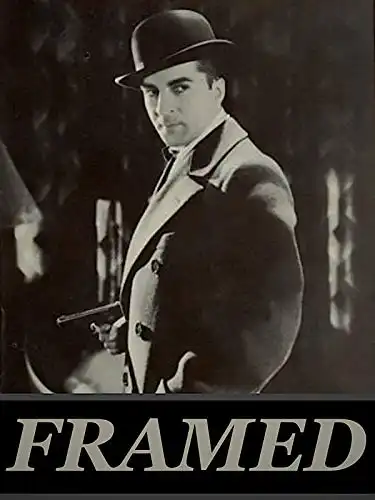
A definitive 6/10 rating for a film that redefined the boundaries of cult cinema. Framed remains a cornerstone of transgressive art.
So, "Framed" from 1930. Is this something you need to rush out and watch today? Probably not, unless you’re really into seeing how talkies stumbled along in their infancy. It’s a niche pick, for sure. If you're a pre-Code devotee or someone who gets a kick out of early cinematic attempts at crime dramas, then yes, dive in. Anyone else expecting modern pacing or subtle performances will likely find it a bit of a slog. It’s a very particular flavor.
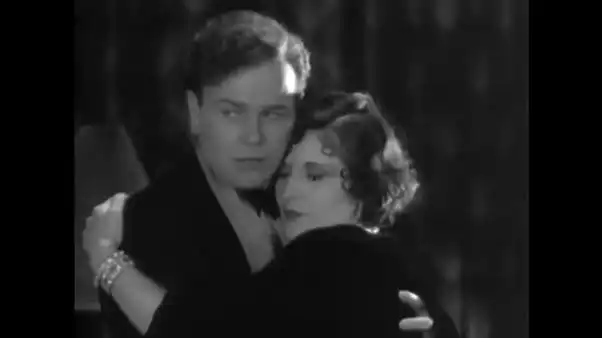
The whole thing kicks off with a pretty simple, stark premise: a woman, played by Evelyn Brent, is out for blood. Her father’s dead, and she blames an inspector for it. We’re talking Ukraziya levels of determined vengeance, just way, way earlier. This isn’t some grand, complicated plot. It’s a straight line from grievance to payback, and that directness has a certain charm.
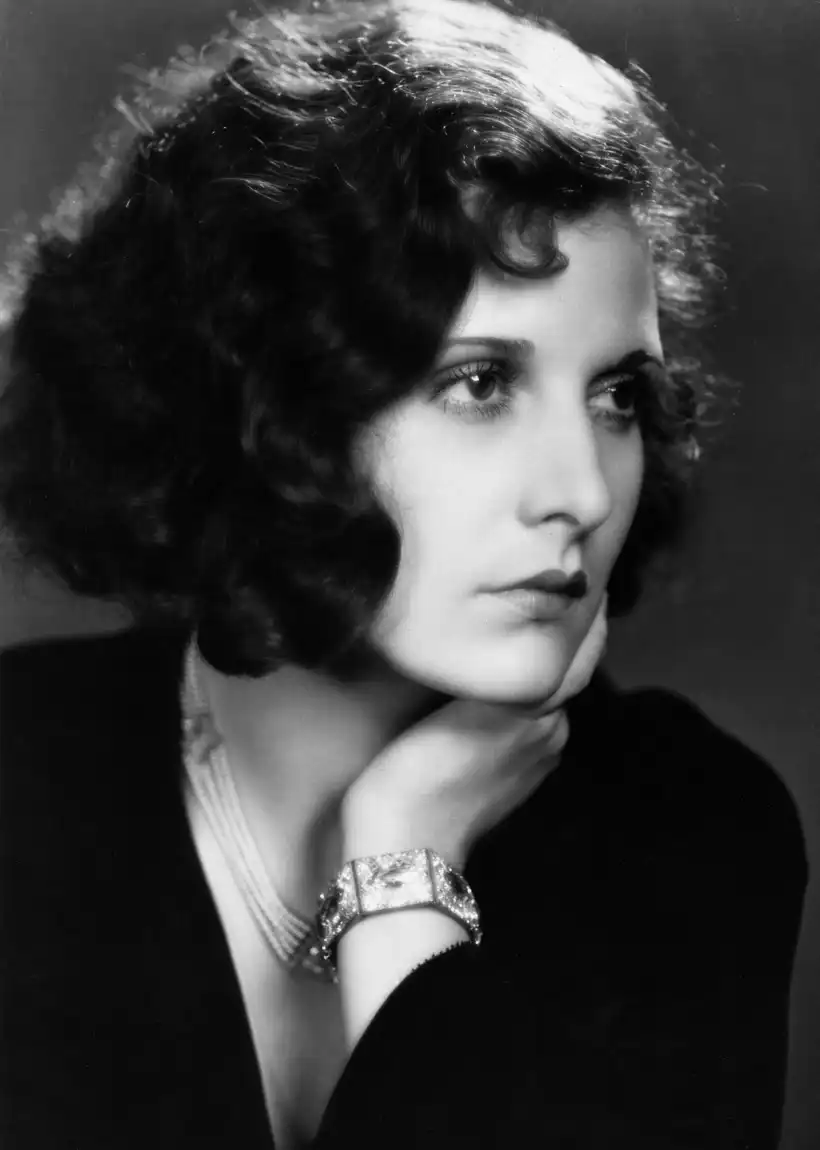
Evelyn Brent, as the wronged daughter, really carries the picture. She’s got this intense stare, you know? Like, when she vows to make the inspector "pay," it’s not just words. Her eyes just burn with it. There’s a scene early on where she’s just listening to someone talk about her father, and the camera just holds on her face. You can see the anger just building. It’s effective, even with the limited tools of the era.
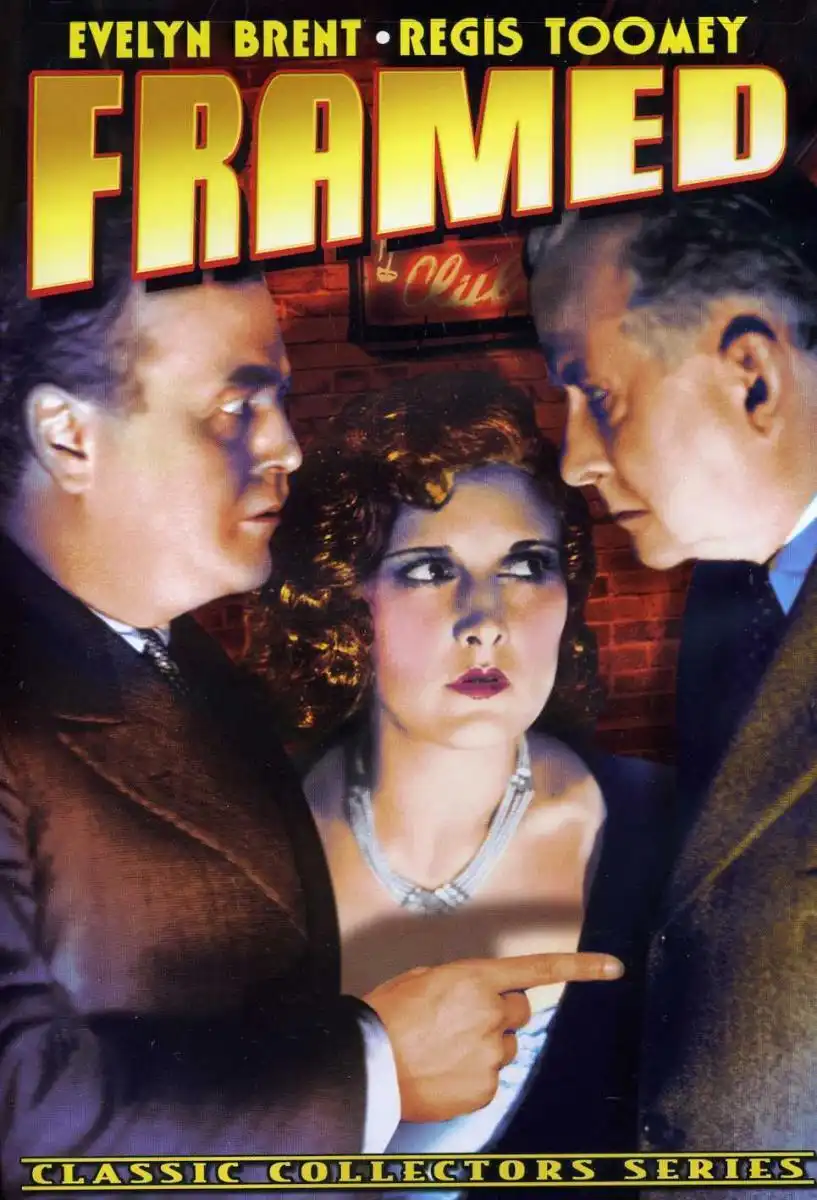
The inspector, he’s not exactly a monster. More like a guy who made a call, and it went wrong. This makes Brent’s quest feel a little… unbalanced, maybe? Like, is he truly evil enough for all this? The movie doesn't really try to convince you he's a villain, just that he's her villain. It’s all about her perspective.
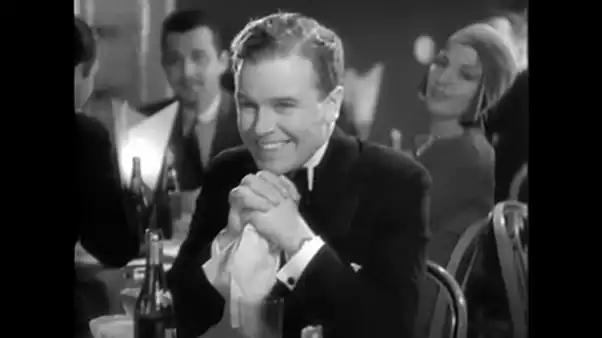
Pacing is definitely a thing here. Some scenes feel like they go on a beat too long, especially during dialogue exchanges. There’s this almost stagey quality to how people talk, like they’re waiting for their cue. But then, other moments zip by, leaving you to piece together what just happened. The movie doesn't always hold your hand. 🎬
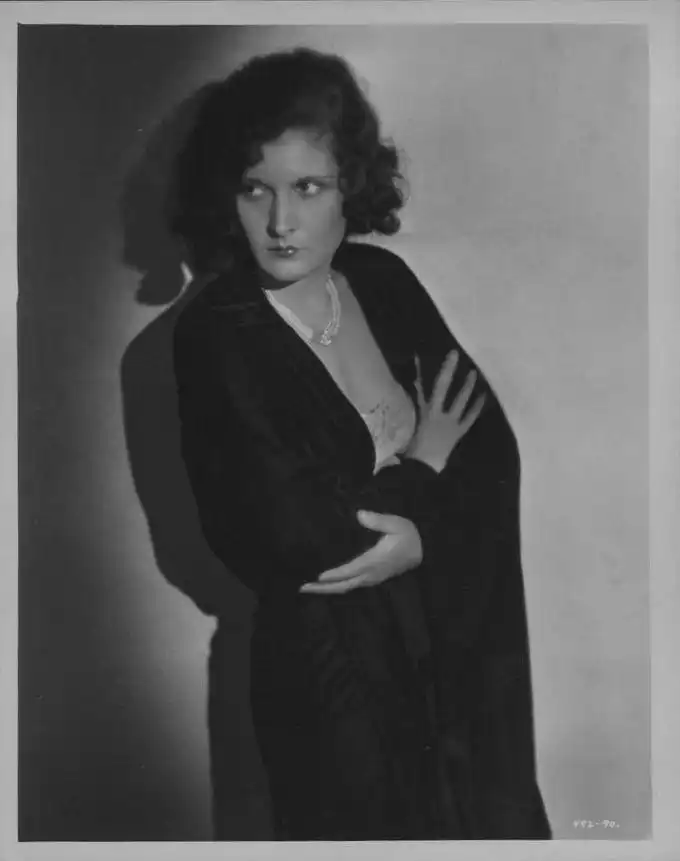
One detail that stuck with me: the way they used shadows. Very stark. Like, when someone’s in a doorway, their silhouette is just this big, dark blob. It adds a moody atmosphere, even if it feels a little accidental sometimes. Reminds you this was made when they were still figuring out all this lighting stuff.
There's a scene where she tries to frame the inspector. The plan itself is a little clunky, honestly. You can almost see the gears turning, trying to make it all fit. It feels less like a smooth criminal operation and more like a desperate, amateur attempt. Which, I guess, makes sense for her character. She’s driven by emotion, not master planning.
William Holden has a tiny part in this, if it's even the William Holden. Likely not, given the timeframe and his usual emergence. He's just another face in the crowd, no big dramatic moments for him. The Latest from Paris, for example, had a much more memorable ensemble, even if that was also an early talkie. Here, it's really Brent's show.
The sound quality, bless its heart. It’s often a bit muffled, crackly. You really have to lean in to catch some of the lines. Sometimes the background noise, or lack thereof, creates this oddly quiet space that's more distracting than dramatic. Like, where are all the other people in this city? Are they just… gone?
The whole revenge plot builds to a kind of predictable climax. But even then, there’s a moment of hesitation from Brent that feels very human. Like, "Okay, I got what I wanted, now what?" It's not a grand, satisfying evil laugh. More like a quiet, hollow realization. That's where the film actually lands its best punch.
It’s a little piece of history, sure, rough around the edges, but it's got this surprising emotional core that really holds up, all thanks to Brent. 🎞️
IMDb 5.8
1932
Community
Log in to comment.