DbcultAccessing Vault...
7/10
Senior Film Conservator
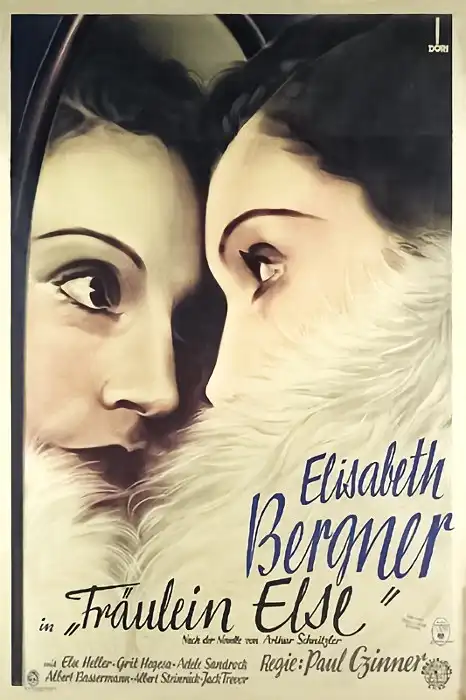
A definitive 7/10 rating for a film that redefined the boundaries of cult cinema. Fräulein Else remains a cornerstone of transgressive art.
So, Fräulein Else. This one’s from 1929, so yeah, it’s a silent film. Is it worth tracking down today? Look, if you’re usually watching action flicks or anything with rapid-fire dialogue, probably not your jam. But if you appreciate a *really* focused character study, especially from that era, and you're ready to sink into someone else’s intense, unraveling mind for an hour and a half, then absolutely. It's not an easy watch, though.
The whole thing kicks off with Else, a young woman enjoying a rather swanky holiday in the Alps. Everything seems just fine, a bit dreamy even. Then a telegram arrives, and poof, the dream evaporates.
Her father, a lawyer, has apparently embezzled funds, and the family is facing total ruin. Like, complete disgrace. To fix it, Else has to ask a rich, older acquaintance, Herr von Dorsday, for a large sum of money.
Dorsday, played by Albert Bassermann, isn't some cartoon villain. He's smooth, charming even, but with this unsettling glint in his eye. His counter-offer to Else is the gut punch: he’ll lend the money, but he wants to see her... well, *all* of her. Naked. Just for five minutes, he says. 😬
Elisabeth Bergner as Else? Wow. She *is* this movie. Her performance is just incredible. Every flicker of doubt, every surge of panic, every internal debate is right there on her face. You can almost hear the frantic arguments happening inside her head.
There's this scene right after she reads the telegram, where she walks through the hotel lobby. The camera lingers on her, and you can just *feel* the weight of the world descending. Everyone else is laughing, dancing, enjoying themselves, and she’s just moving through it all like a ghost already.
The director, Paul Czinner, uses these incredible close-ups on Bergner. They’re not just pretty shots; they’re necessary. You need to be right there with her, to witness the micro-expressions, the subtle shifts in her posture. It's like a masterclass in silent film acting.
Dorsday's request is delivered with such a calm, almost polite menace. He doesn't raise his voice. He just states his terms, and it’s **chilling**. You want to scream at him through the screen.
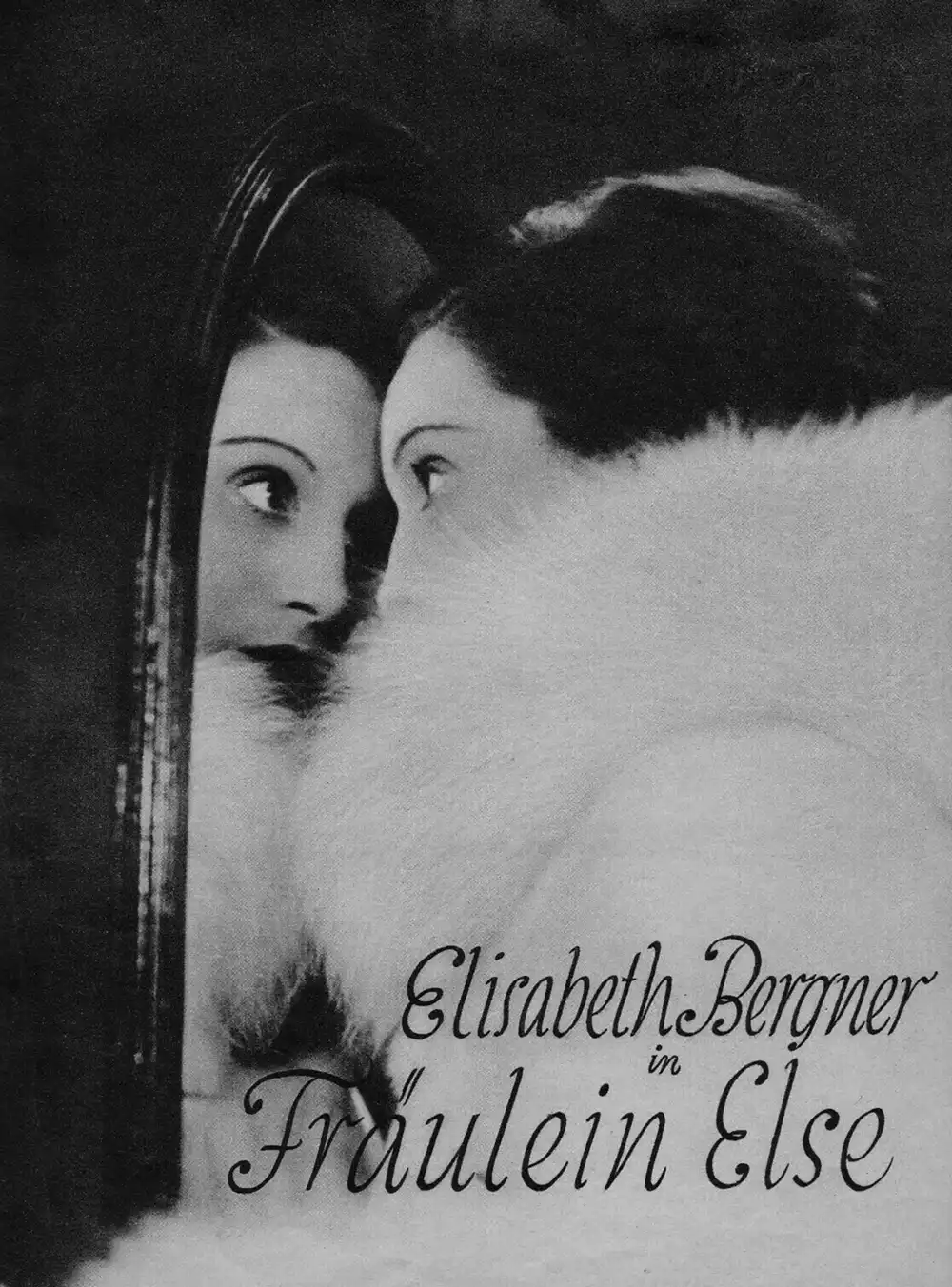
Else’s internal struggle becomes almost physical. She paces, she covers her face, she stares blankly into the distance. It’s exhausting to watch her wrestle with this impossible choice. Save her family’s honor, or lose her own?
The film keeps cutting to these fleeting, almost surreal sequences where Else imagines the scenario. Like, a quick flash of her on the beach, totally exposed, with the judgmental eyes of the hotel guests on her. It's chaotic and disorienting, perfectly showing her mental state fracturing.
You notice little things in the background, too. The opulence of the hotel, the grand chandeliers, the perfectly manicured guests. It all feels so far removed from the dirtiness of her situation. The contrast is really striking. One moment, she’s looking out at the beautiful mountain view, the next she’s staring at her own reflection, seeing something entirely different.
Her internal monologues, given through intertitles, are surprisingly sharp and often quite bitter. They're not just exposition; they’re raw thoughts, almost like a diary being read aloud. "How can he ask such a thing?" and "My life is over," stuff like that. Simple, but effective.
The pacing is pretty deliberate. Some might call it slow, but I think it builds the tension beautifully. You need that time to really sit with Else's torment. A few moments might feel a *tiny* bit stretched, but then Bergner does something with her eyes, and you're hooked again.
There's a scene where she's lying in bed, just trying to sleep, and her mind won't shut off. The camera circles her, almost like *she's* trapped in a cage. It’s a powerful visual without being heavy-handed.
The movie doesn't offer easy answers. It's not about some grand solution. It's about a young woman pushed to her absolute limit, making a choice that feels both inevitable and devastating. The ending is quiet, but it leaves you with a profound sense of sadness. It just *hangs* there. 💔
Ultimately, Fräulein Else is a testament to the power of silent film acting and storytelling. It doesn't rely on big spectacle; it relies entirely on the emotional landscape of one person. If you're willing to engage with that, it's a truly memorable experience. Otherwise, yeah, it might just feel like a really old movie.
IMDb —
1922
Community
Log in to comment.