DbcultAccessing Vault...
5.3/10
Senior Film Conservator
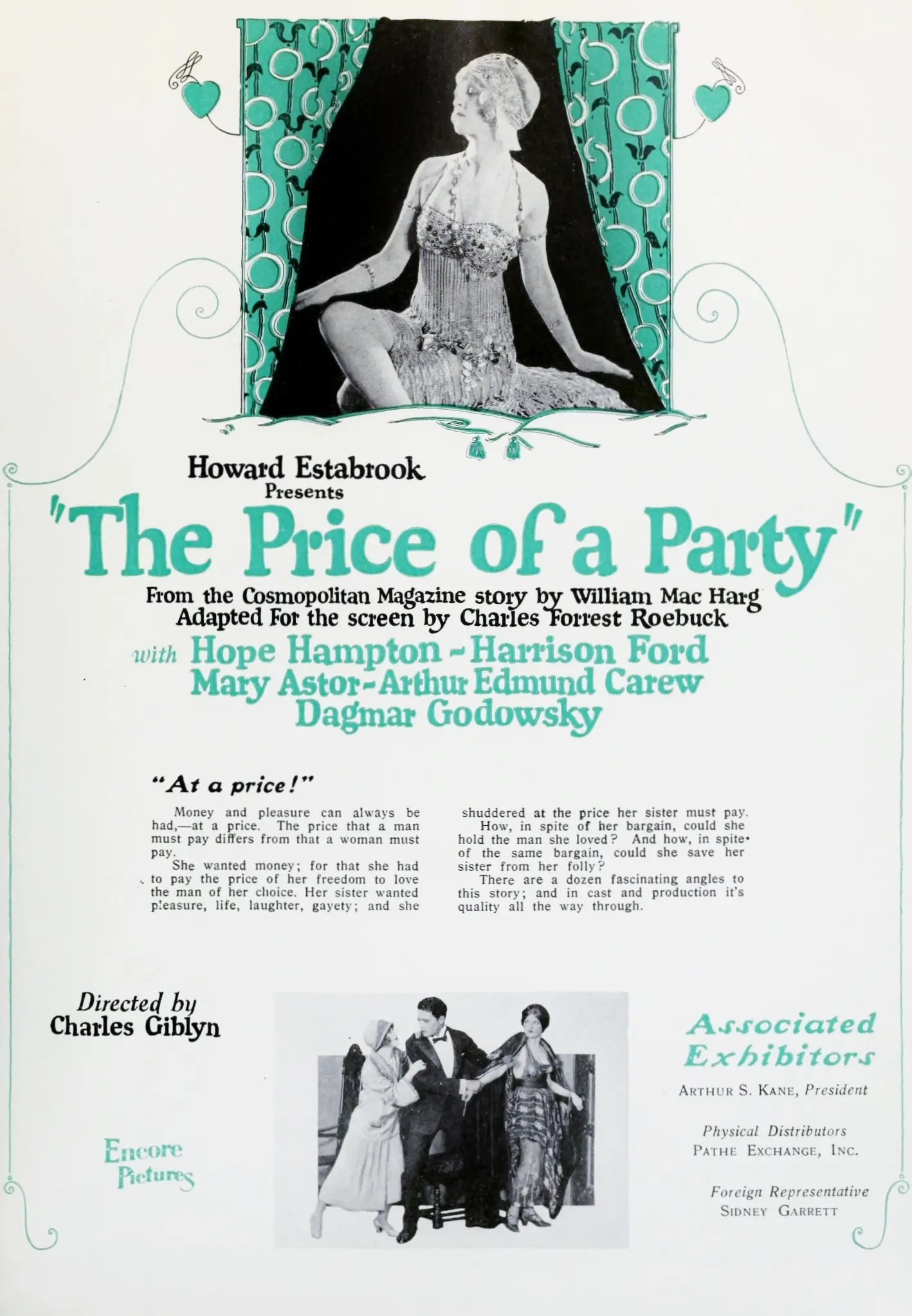
A definitive 5.3/10 rating for a film that redefined the boundaries of cult cinema. The Price of a Party remains a cornerstone of transgressive art.
In the feverish atmosphere of the early 1920s, American cinema was undergoing a profound metamorphosis, transitioning from the simplistic moral plays of the previous decade into something more cynical, textured, and visually evocative. The Price of a Party stands as a quintessential artifact of this era—a film that masquerades as a social melodrama while secretly dissecting the corrosive influence of capital on the human psyche. Directed with a keen eye for architectural claustrophobia, the film navigates the jagged intersections of Wall Street ambition and the smoky allure of the cabaret circuit.
The narrative engine is fueled by the unscrupulous Kenneth Bellwood, portrayed with a chilling, calculated reserve that mirrors the corporate sharks of the modern era. Unlike the mustache-twirling villains of The Evil Thereof, Bellwood operates within the legitimate frameworks of high finance, using his social standing as a shield for his predatory instincts. His plan to sabotage Robert Casson is not merely a business move; it is an exercise in total domination. By weaponizing Grace Barrows’ poverty, Bellwood highlights the transactional nature of the Jazz Age, where even affection is a commodity to be brokered.
Grace, played with a haunting vulnerability by Hope Hampton, represents the moral fulcrum of the story. Her desperation is palpable, driven not by greed but by the biological imperative of saving her mother. This creates a fascinating tension; we watch her perform a role within a role. She is a dancer performing for an audience, but she is also a conspirator performing for Casson. This layered deception evokes the thematic complexity found in The Misleading Lady, though here the stakes feel significantly more dire and less whimsical.
The cinematography utilizes sharp contrasts—the bright, artificial lights of the cabaret versus the deep, ink-black shadows of Bellwood’s private sanctum. These visual cues serve as a silent commentary on the dualities of New York life. While The Girl of My Dreams might lean into the pastoral and the idyllic, The Price of a Party revels in the subterranean grit of the metropolis. The interiors are opulent yet suffocating, suggesting that wealth provides no refuge from the moral rot that accompanies it.
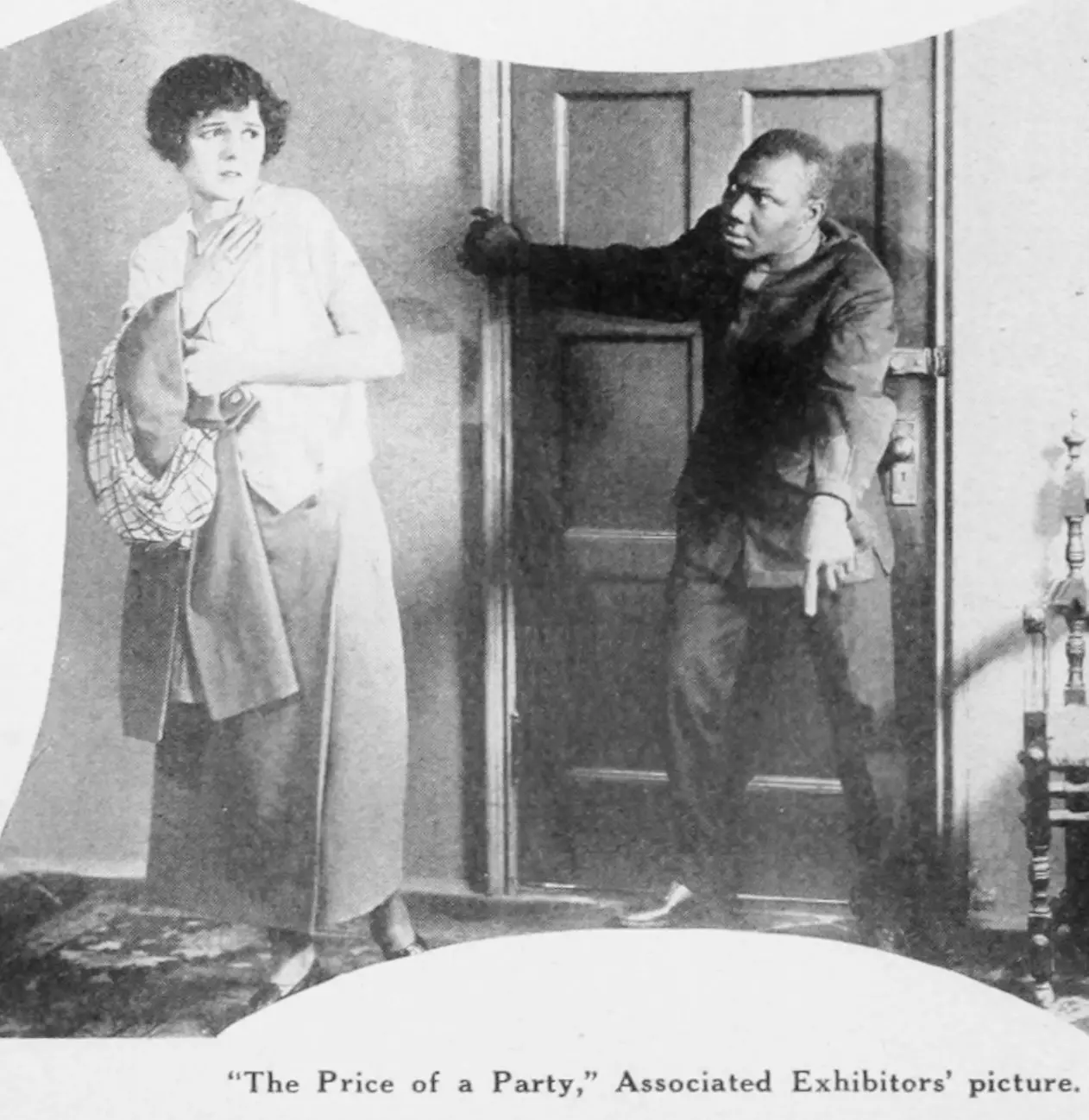
"The film's true power lies in its refusal to offer easy absolution. Every character is complicit in the machinery of the 'party,' and the price mentioned in the title is paid in the currency of innocence lost and lives shattered."
The introduction of Alice, Grace’s younger sister, serves as the narrative’s emotional catalyst. Mary Astor’s performance captures a fragile luminosity that stands in stark opposition to the weary world-weariness of the city’s inhabitants. Her descent into Bellwood’s orbit is portrayed not as a sudden fall, but as a gradual erosion of boundaries. This trope of the endangered innocent was a staple of the time, seen in various forms in The Border Legion, yet here it feels more intimate and personal.
When Alice is framed for the murder of Bellwood, the film pivots into a proto-noir territory. The tension becomes unbearable as the audience knows the truth, yet the social machinery seems poised to crush the most innocent participant. It is a cynical reflection on justice, suggesting that without the intervention of a guilty conscience—in this case, the tragic Evelyn Dolores—the truth would remain buried under the weight of Bellwood’s influence.
To understand the impact of this film, one must look at its contemporaries. While The Birth of a Nation focused on grand historical (and deeply problematic) myth-making, The Price of a Party is concerned with the micro-politics of the urban individual. It shares a certain DNA with Her Reckoning in its treatment of female agency and the limited options available to women in a patriarchal economic system. The character of Evelyn Dolores, the discarded mistress, is a haunting precursor to the 'femme fatale,' though her motivations are rooted in heartbreak rather than malice.
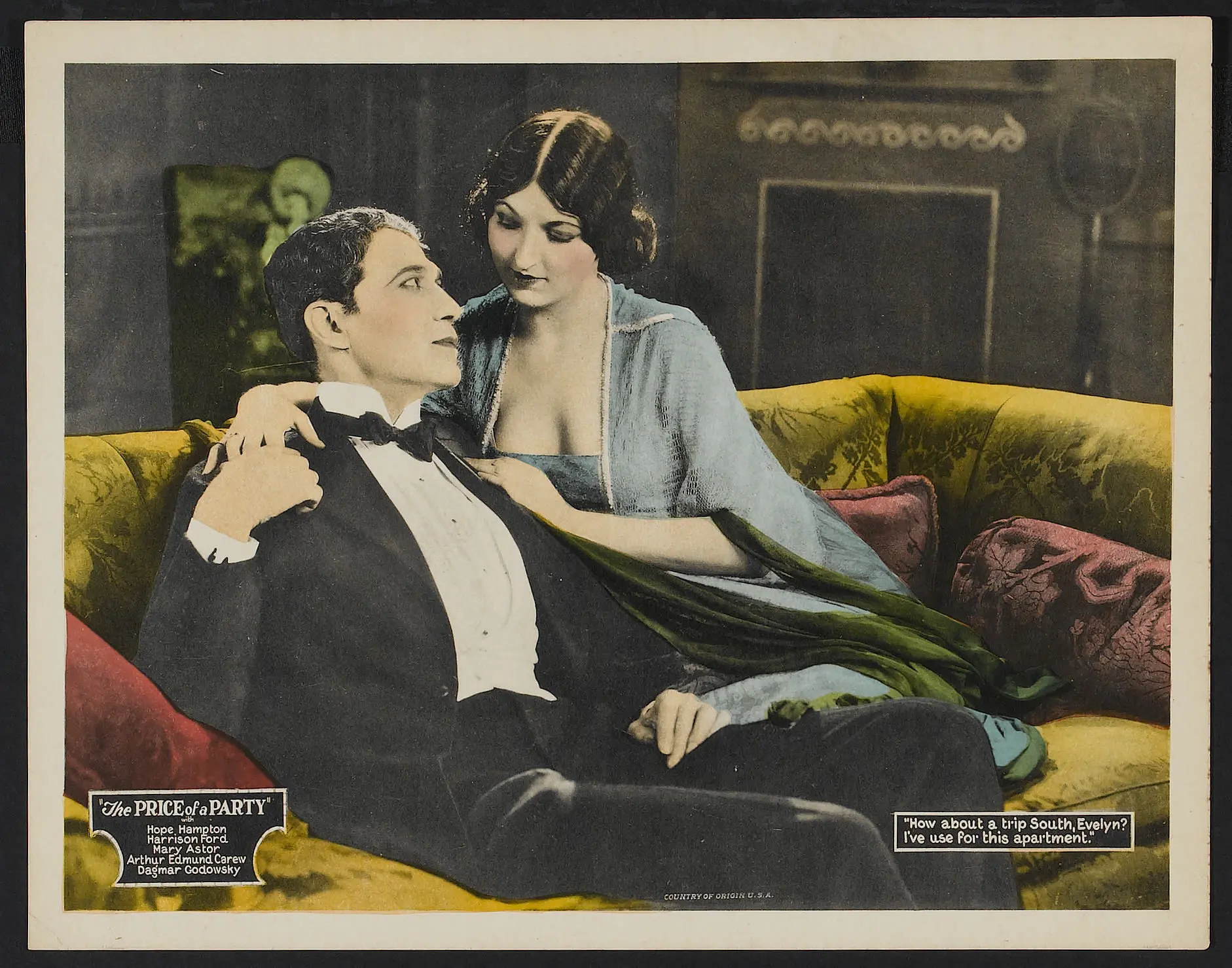
The film also mirrors the psychological depth found in The Wolf Man (1923), where the struggle between one's social face and their primal instincts takes center stage. Bellwood is, in many ways, a beast in a tuxedo, preying on the weak while maintaining a veneer of respectability. This duality was a recurring theme in 1924, reflecting a society that was rapidly changing and struggling to reconcile its traditional values with the hedonism of the roaring twenties.
The resolution of the film—Robert’s forgiveness of Grace and Alice’s return to the safety of home—might seem like a standard 'happy ending' at first glance. However, the shadow of Evelyn’s suicide and Bellwood’s violent end lingers. The 'party' has ended, but the cleanup is messy and the hangover is permanent. The film suggests that while individuals might find a path back to morality, the system that allowed Bellwood to thrive remains intact. This is a much darker conclusion than one might find in something like The Man from Mexico or the fashion-centric Lombardi, Ltd..
Technically, the film is a marvel of pacing. The transition from the boardroom to the cabaret to the courtroom feels fluid, avoiding the staginess that plagued many silent productions. The use of intertitles is sparse but effective, allowing the actors' faces to carry the emotional weight. In an era where Chains of Evidence was setting the standard for the legal thriller, The Price of a Party added a layer of psychological complexity that was rare for its time.
While it may not have the surrealist leanings of The Volcano or the international flair of Revelj, The Price of a Party is a vital piece of the silent cinema puzzle. It captures a specific moment in American history when the allure of the city was at its peak, and the dangers were equally magnified. It eschews the slapstick comedy of A Studio Rube or the genre-bending of Black and Tan Mix Up in favor of a grounded, gritty exploration of human frailty.
For the modern viewer, the film serves as a reminder that the themes of corporate greed, social manipulation, and the quest for redemption are timeless. Hope Hampton’s performance remains a standout, providing a nuanced look at a woman caught between her conscience and her survival. It is a film that demands to be viewed not just as a historical curiosity, but as a living, breathing piece of drama that still resonates a century later.
Review by the Cinephile Collective | Published 2024

IMDb 7.3
1932
Community
Log in to comment.