DbcultAccessing Vault...
Cult Review
Senior Film Conservator
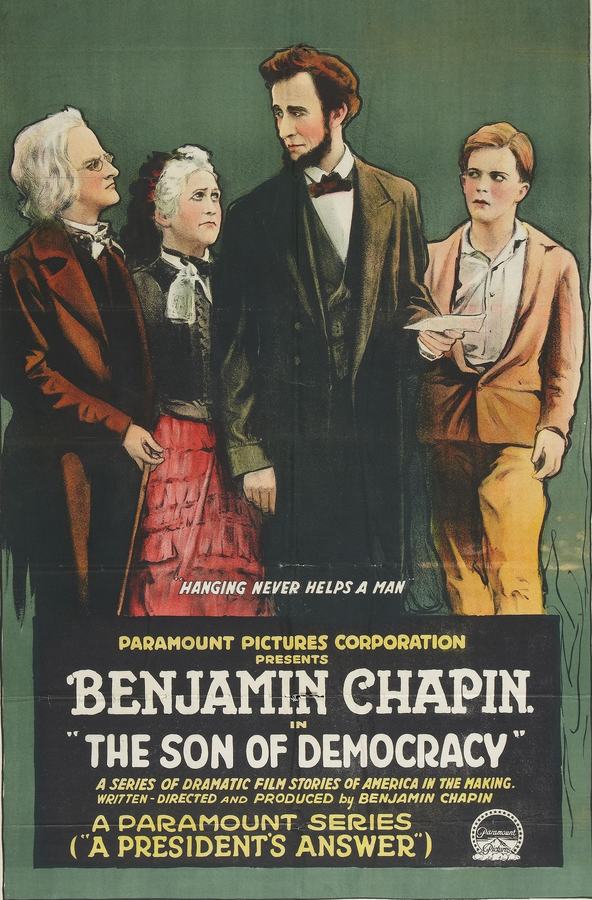
To witness Benjamin Chapin in The Son of Democracy is to observe a strange, almost spiritual synthesis between actor and historical ghost. By 1917, the American public had already canonized Abraham Lincoln, yet Chapin’s obsession with the man—a fixation that spanned decades of stage performances—brought a lived-in, weary authenticity to the screen that few contemporaries could match. Unlike the theatrical grandiosity seen in The Life and Death of King Richard III, where the performance often feels tethered to the proscenium arch, Chapin utilizes the intimacy of the camera to explore the interiority of the 16th President. This film series, often consolidated into features, represents a pivotal moment where cinema moved beyond mere spectacle to attempt a psychological profile of an American deity.
The production design manages to avoid the sterile artifice common in early period pieces. There is a tactile grit to the log cabins and the muddy thoroughfares of New Salem. The cinematography, while constrained by the technical limitations of the era, employs a chiaroscuro effect that mirrors the internal conflict of a man caught between his humble rustic provenance and the soaring demands of his intellect. It lacks the operatic scale of Judith of Bethulia, yet it gains a profound sense of place that feels uniquely American, eschewing D.W. Griffith’s penchant for the gargantuan in favor of something more somber and reflective.
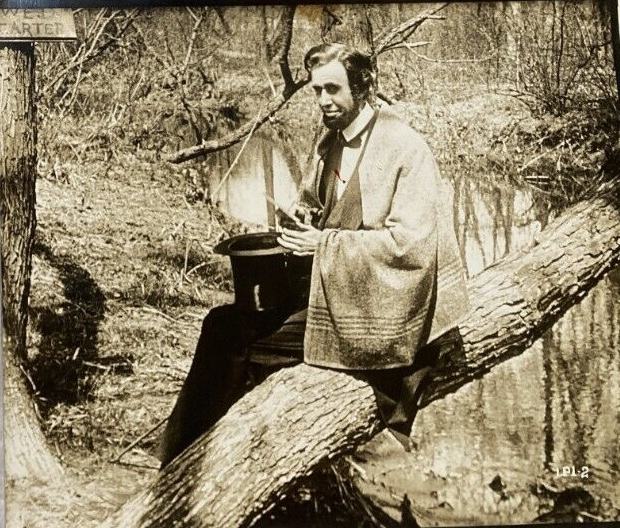
The structure of the film is episodic, a collection of formative moments that Chapin meticulously curated to illustrate the 'making of a man.' We see the influence of Nancy Hanks Lincoln and the intellectual hunger that drove a boy to read by the flickering embers of a dying fire. Joseph Monahan’s portrayal of the younger Lincoln provides a necessary bridge, showing the raw materials of character before they were hardened by the fires of political necessity. This developmental focus sets it apart from more sensationalist fare like The Mark of Cain, which relied on more traditional melodramatic tropes of the period.
"Chapin does not merely play Lincoln; he inhabits the very silence of the man, finding the gravity in the spaces between the spoken words."
In terms of pacing, The Son of Democracy demands a patient viewer. It does not possess the frantic energy of The Shooting of Dan McGrew or the pulp sensibilities of The Footsteps of Capt. Kidd. Instead, it lingers on the mundane—the sharpening of an axe, the slow walk across a field, the quiet contemplation of a law book. These moments are the film’s heartbeat. They argue that greatness is not achieved in a singular burst of glory, but through the cumulative weight of daily integrity. This thematic depth elevates the work above contemporaneous social dramas like The Men She Married or the light-hearted deception of My Lady Incog..
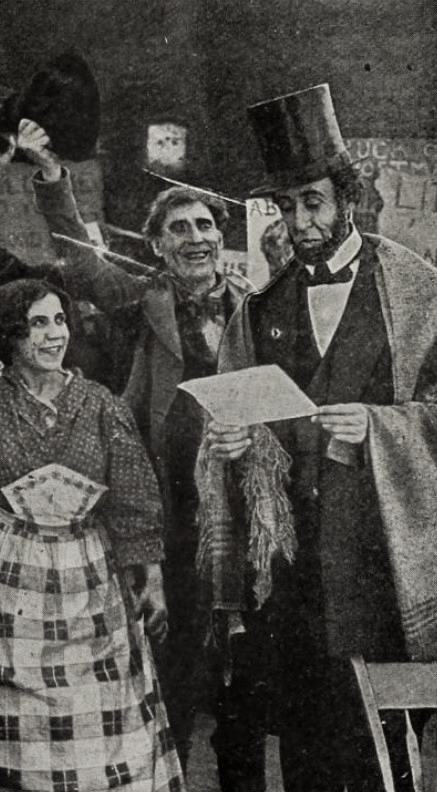
Technically, the film is a fascinating specimen of late 1910s craftsmanship. The use of natural light is particularly striking. In many scenes, the sunlight filters through the canopy of the forest with a divine quality, suggesting a manifest destiny that is personal rather than political. The editing, supervised by Chapin himself, is deliberate. It lacks the experimental jarring found in Zatansteins Bande, opting instead for a fluid, reverent transition between scenes that feels almost like turning the pages of a well-worn biography.
Comparing this to the gritty urban realism of The Rogues of London or the Australian bushranger grit of Frank Gardiner, the King of the Road highlights the specific 'Americanness' of Chapin’s aesthetic. There is a pastoral idealism here that is occasionally interrupted by the harsh realities of death and loss, yet the film never descends into the nihilism that would define later cinematic movements. It remains steadfast in its belief in the perfectibility of the human spirit.
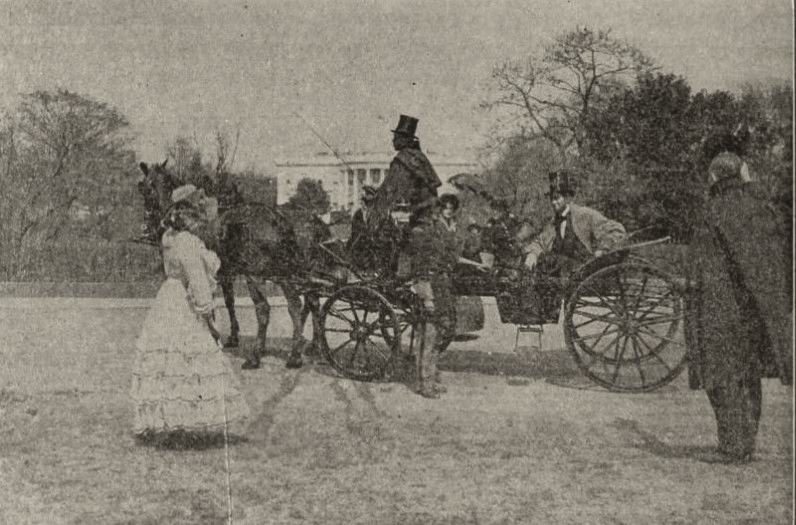
While Chapin is the undisputed gravitational center of the film, the supporting cast provides essential texture. Madelyn Clare offers a performance of quiet strength, avoiding the overwrought histrionics that sometimes marred films like Infatuation or the stylized despair of The Goddess. The chemistry between the players feels rooted in a shared understanding of the material's weight. Even in the smaller roles, such as those that might appear in a more whimsical production like Kitty MacKay, there is a sense of somber purpose.
John Stafford and Charles Jackson round out the ensemble, providing the social backdrop against which Lincoln’s burgeoning intellect is measured. Their interactions serve to ground the film, preventing it from becoming a mere lecture on morality. We see Lincoln not just as a monument, but as a neighbor, a son, and a struggling professional. This humanization is what makes the eventual transition to the presidency so impactful; we have seen the splinters in his hands before we see the weight on his shoulders.
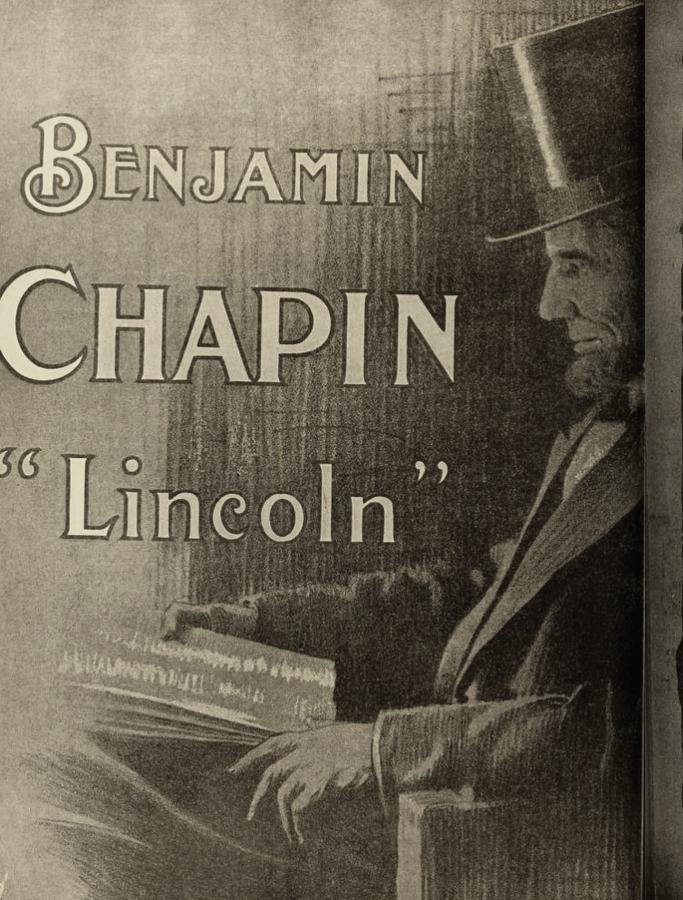
To understand The Son of Democracy, one must look at the landscape of 1917 cinema. It was a year of transition. The medium was moving away from the short, punchy narratives of the early nickelodeon era and toward the feature-length epic. While films like A Crooked Romance or the rough-and-tumble storytelling of The Luck of Roaring Camp satisfied the public's hunger for entertainment, Chapin was aiming for something more enduring. He was crafting a visual legacy for a man he believed embodied the very soul of the nation.
The film’s refusal to engage in the cynical deconstruction common in modern biopics is perhaps its greatest strength and its most significant barrier to contemporary audiences. It is unashamedly earnest. In an era where we often look for the 'dark side' of our heroes, Chapin’s Lincoln is a beacon of unwavering light. This does not mean the film is without conflict, but rather that the conflict is always framed as a test of character—a trial to be overcome through the application of reason and empathy.
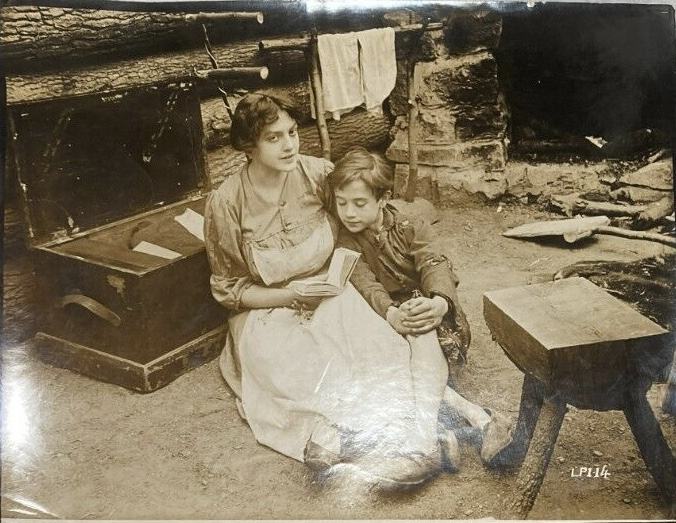
Ultimately, The Son of Democracy stands as a monument of the silent era. It is a work of immense dedication, born from one man’s singular vision and his uncanny physical and emotional resemblance to his subject. While it may lack the technical polish of the late silent period’s masterpieces, it possesses a raw, emotive power that remains undimmed by the passage of a century. It is a vital piece of cinematic history, offering a window into how a nation viewed its greatest leader during another time of global upheaval.
For the modern cinephile, the film offers more than just historical interest; it is a masterclass in how to build a character through silence and stillness. Benjamin Chapin understood that Lincoln was a man of the earth and of the book, and by capturing both, he created a portrait that is as sturdy and enduring as the log cabins of the Kentucky frontier. It remains a definitive entry in the sub-genre of the American biopic, a flickering, monochrome testament to the power of democratic ideals and the individuals who uphold them at great personal cost.
IMDb 6.8
1931
Community
Log in to comment.