DbcultAccessing Vault...
7.6/10
Senior Film Conservator
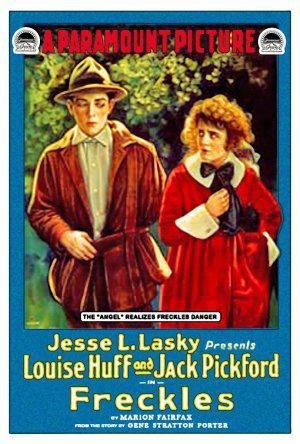
A definitive 7.6/10 rating for a film that redefined the boundaries of cult cinema. Freckles remains a cornerstone of transgressive art.
In the annals of early cinema, few narratives capture the raw, untamed spirit of resilience quite like the 1917 adaptation of Gene Stratton-Porter's beloved novel, Freckles. This silent film, a poignant melodrama, unfurls a tapestry woven with threads of hardship, burgeoning romance, and an almost mythical intervention of fate. It stands as a testament to the era's storytelling prowess, leveraging visual poetry and emotive performances to transcend the limitations of spoken dialogue. The film doesn't merely recount a plot; it invites the viewer into a deeply felt emotional landscape, where the struggles of its titular character resonate with a universal yearning for acceptance and belonging. The enduring appeal of Freckles lies not just in its dramatic arc, but in its ability to articulate profound human experiences through the nuanced expressions and grand gestures characteristic of silent-era acting. It's a journey into a world where morality plays out on a grand scale, where the purity of heart confronts the harsh realities of societal prejudice and personal insecurity.
Jack Pickford, in the demanding role of Freckles, delivers a performance that is nothing short of captivating. His portrayal of the one-armed orphan, ostracized and ridiculed in the bleak confines of the orphanage, is imbued with a palpable vulnerability yet underpinned by an unyielding inner strength. Pickford masterfully conveys the boy's deep-seated yearning for dignity and purpose, his expressive eyes and body language speaking volumes where words are absent. The narrative's initial scenes, depicting Freckles' flight from the cruelty of his peers, are particularly impactful, establishing a profound empathy for his plight. This isn't merely a depiction of physical struggle; it's an exploration of the psychological scars inflicted by constant marginalization. Freckles' decision to escape is not born of petulance but of a desperate need for self-preservation and the pursuit of a life where his worth is not dictated by his perceived deficiencies. His journey into the unknown, a perilous venture for any child, let alone one with a physical handicap, underscores a fierce independence that defines his character. Pickford's performance here sets the emotional bedrock for the entire film, making Freckles not just a character to pity, but one to admire and champion.
The arduous trek through the wilderness brings Freckles into the orbit of John McLean, the discerning and gruff yet ultimately benevolent lumber-camp boss. Hobart Bosworth's portrayal of McLean adds a layer of paternal gravitas to the story, embodying the archetypal mentor figure who sees beyond superficial appearances. McLean's decision to entrust Freckles with the vital duty of watching over Limberlost, a precious timber swamp, is a pivotal turning point. It's a gesture of profound faith, a recognition of Freckles' inherent 'spunk' and reliability, offering him not just employment but a sense of belonging and responsibility he has never known. The Limberlost swamp itself becomes more than a mere setting; it transforms into a character, a symbol of wild beauty and potential danger, reflecting the tumultuous journey of Freckles' own soul. Its valuable timber represents the worth Freckles must protect, mirroring his own burgeoning self-worth. This segment of the film beautifully illustrates the transformative power of trust and the profound impact a single act of kindness can have on a life previously devoid of such grace. It's a narrative device that, while common in stories of the era, is executed with a refreshing sincerity, reminiscent of the earnest character development seen in films like Jess, where natural settings often serve as backdrops for spiritual growth.
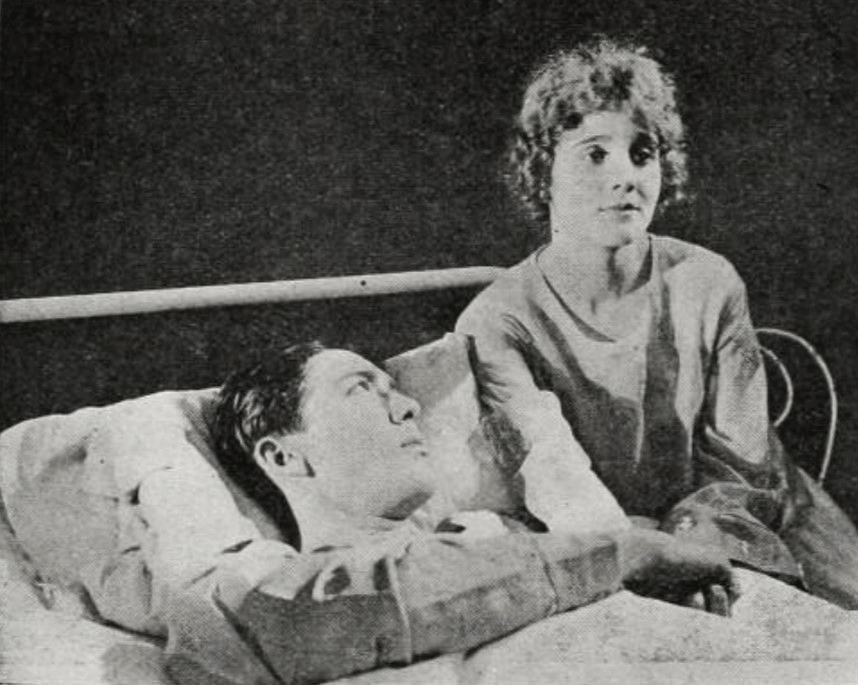
The introduction of Angel, played with delicate charm by Louise Huff, injects a vital romantic element into Freckles' isolated existence. Angel, spending her summer with the enthusiastic naturalist, the Bird Woman, represents a world of refinement, education, and social ease that is utterly foreign to Freckles. Their burgeoning affection is depicted with a tender innocence characteristic of silent film romances, relying heavily on lingering glances and subtle gestures. However, this nascent love is immediately complicated by Freckles' deep-seated insecurities regarding his social standing. His conviction that Angel's feelings for him stem from pity, rather than genuine adoration, highlights a central theme of the film: the pervasive and often crippling burden of class consciousness. This internal conflict, more than any external antagonist, threatens to derail their happiness. Freckles, having lived a life defined by his perceived lack, struggles to comprehend that he could be worthy of such pure affection from someone of Angel's background. This thematic exploration of social barriers and self-worth is handled with a sensitivity that elevates Freckles beyond simple melodrama, touching upon universal anxieties about belonging and acceptance. It's a struggle that resonates with similar class-driven narratives of the period, though perhaps less overtly critical than The Fall of the Romanoffs, which explored societal stratification on a grander, more political scale. Here, the focus remains intensely personal, a battle within Freckles' own heart.
The film's dramatic pinnacle arrives with breathtaking suddenness when a colossal tree, a titan of the Limberlost, topples, placing Angel in mortal peril. Freckles' immediate, unhesitating act of self-sacrifice—throwing himself into the path of the falling timber to shield her—is a powerful visual metaphor for his profound love and courage. The image of the tree crashing across his chest, leaving him near death, is designed to elicit maximum emotional response, a hallmark of silent era storytelling. This scene is a masterclass in visual tension, relying on rapid editing and the actors' raw emotional display to convey the gravity of the situation. As Freckles lies critically injured, his will to live dwindles, not from the physical pain, but from the crushing weight of his belief that he is fundamentally unworthy of Angel's love. This self-defeating internal monologue, communicated through intertitles and Pickford's tortured expressions, makes his eventual rescue all the more impactful. The impending tragedy, however, is averted by a classic deus ex machina: the death of his English grandfather and the subsequent inheritance. While some modern viewers might find this plot device overly convenient, it was a common and often accepted narrative resolution in early 20th-century melodrama, serving to underscore themes of destiny and poetic justice. It provides the necessary narrative shift to resolve Freckles' internal conflict, allowing external circumstances to align with his true worth.
The solicitors, through diligent detective work, finally trace the long-lost heir to Freckles' hospital bedside. The news of his sudden inheritance, a substantial portion of his grandfather's estate, is conveyed to Angel, who then rushes to deliver the life-altering tidings to the dying boy. The moment of revelation, where Angel imparts the news, is depicted with a profound emotional weight. It's not the money itself that saves Freckles, but the realization that this newfound wealth elevates him to Angel's social stratum, dissolving the internal barrier that had convinced him of his unworthiness. This external validation, though perhaps a less nuanced resolution than a purely internal epiphany, serves its purpose within the conventions of the genre. His dwindling life force, tethered to his despair, is miraculously rekindled by the promise of social equality and the legitimization of his love. The film culminates in a deeply satisfying, albeit overtly romanticized, conclusion: Freckles and Angel, now on an equal footing, face a happy life together. It’s a triumphant affirmation of love conquering perceived obstacles, a narrative arc designed to leave audiences with a sense of hope and vindication for the underdog. The ending, while saccharine to contemporary tastes, perfectly encapsulates the sentimental idealism prevalent in silent films of the era, offering a comforting resolution to societal anxieties.
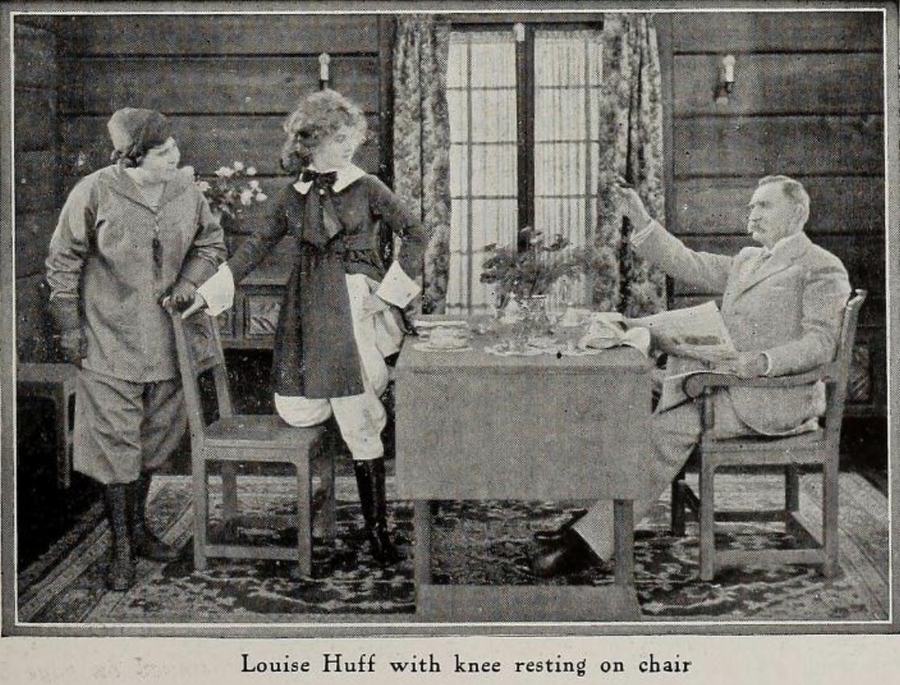
From a technical perspective, Freckles showcases the evolving artistry of silent filmmaking. The direction, while adhering to the dramatic conventions of the time, effectively uses visual storytelling to convey emotion and narrative progression. Cinematography captures the rustic beauty of the Limberlost, contrasting it with the starkness of the orphanage and the sterility of the hospital. The use of intertitles is judicious, providing essential dialogue and internal monologues without overwhelming the visual narrative. The pacing, though deliberate by today's standards, allows for a full immersion into the characters' emotional states. The film's reliance on exaggerated facial expressions and gestures, typical of the era, is skillfully employed by the cast, particularly Pickford, to communicate complex feelings. The film's power lies in its ability to tap into universal themes: the struggle for identity, the search for love, and the desire for acceptance. These are timeless motifs that resonate across generations, making Freckles more than just a historical artifact. It’s a compelling human drama that, despite its melodramatic flourishes, speaks to the core of the human condition. Its directness and sincerity offer a refreshing counterpoint to the often cynical narratives of modern cinema. The film's aesthetic, while simple, is effective in drawing the audience into Freckles' world, making his triumphs and tribulations feel deeply personal.
As an adaptation of a popular novel, Freckles exemplifies a common practice in early Hollywood: bringing beloved literary works to the screen. Gene Stratton-Porter's novels, known for their strong moral compass and appreciation of nature, found a natural home in the silent film medium, where visual grandeur could complement their descriptive prose. The film stands alongside other character-driven dramas of its era, such as The Soul of Broadway or The Stain, in its focus on individual struggle against societal or personal adversity. What distinguishes Freckles is its particular blend of rugged individualism, romantic idealism, and a strong undercurrent of social commentary regarding class and disability. It's a film that, while perhaps not revolutionary in its cinematic techniques, is deeply effective in its emotional delivery. It serves as a valuable historical document, offering insight into the cultural values and narrative preferences of the early 20th century. Moreover, it highlights Jack Pickford's often-underappreciated talent, demonstrating his capacity to carry a film with profound emotional depth. His performance alone is reason enough to seek out this cinematic gem, offering a window into the nuanced art of silent film acting. The enduring power of such films lies in their ability to strip away complex dialogue and special effects, forcing the viewer to engage with the raw, fundamental elements of human drama. Freckles achieves this with remarkable grace, creating a narrative that feels both deeply personal and universally resonant, a testament to the timeless appeal of a good story told well. The simplicity of its moral message, coupled with the dramatic sweep of its plot, ensures its place as a quintessential example of silent film melodrama that continues to charm and move audiences who discover it.
The thematic resonance of Freckles extends beyond its immediate plot. It's a story that subtly, yet powerfully, addresses the societal perceptions of disability and the inherent biases against those from less fortunate backgrounds. Freckles' one-armed condition is not merely a physical detail; it's a constant symbol of his perceived 'otherness,' amplifying his sense of isolation and inadequacy. The film challenges the audience to look beyond such superficialities, mirroring McLean's initial acceptance. Furthermore, the role of nature, particularly the Limberlost swamp, is intrinsically linked to Freckles' journey of self-discovery. It is in this wild, untamed environment that he finds purpose, develops courage, and ultimately encounters love. The swamp, with its inherent dangers and profound beauty, acts as a microcosm for life itself, a place where character is forged through trial and where a deep connection to the earth can provide solace and strength. The film's romantic elements, while central, are always tethered to this larger exploration of self-worth and societal integration. Angel's unwavering belief in Freckles, even when he doubts himself, serves as a crucial external validation that eventually allows him to accept his own value. This interplay between external circumstances and internal transformation is what gives Freckles its enduring emotional weight, presenting a narrative that, despite its vintage, speaks to contemporary struggles of identity and belonging. The film effectively uses the silent medium to amplify these internal struggles, relying on the audience's imagination to fill in the unspoken dialogue, making the emotional impact all the more potent and personal. It's a journey not just of a boy, but of an archetype, the underdog who against all odds, finds his place in the world.
In conclusion, Freckles is far more than a simple silent film; it is a meticulously crafted melodrama that, despite its age, retains a remarkable capacity to move and inspire. Jack Pickford's central performance is a tour de force, embodying the spirit of a character who refuses to be defined by his limitations. The film's narrative, while leaning into the dramatic conventions of its time, skillfully weaves together themes of resilience, love, class struggle, and the redemptive power of nature. The visual storytelling, characteristic of the silent era, is both artful and effective, drawing the viewer into Freckles' world with compelling imagery and heartfelt performances. While the resolution might strike some as overly convenient, it nevertheless provides a profoundly satisfying emotional catharsis, reinforcing the film's message that true worth is ultimately recognized, and love can indeed conquer all perceived boundaries. For those interested in the evolution of cinema, the rich tapestry of silent film, or simply a timeless story of triumph over adversity, Freckles offers a rewarding and deeply touching experience. It serves as a powerful reminder of the foundational artistry of early filmmaking and the enduring human desire for connection and acceptance. A true silent classic, its heartbeat resonates long after the final frame.
IMDb —
1922
Community
Log in to comment.