DbcultAccessing Vault...
Cult Review
Senior Film Conservator
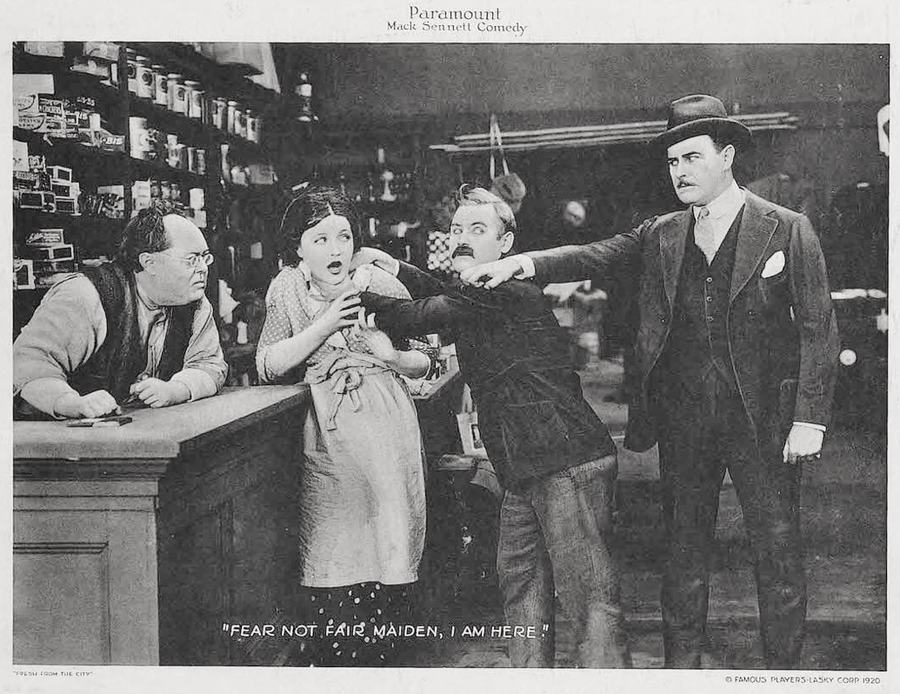
The camera opens on a clapboard eatery sagging under debt the way a drunkard sags under conscience. Rainwater drips through the awning, spelling Morse code for broke. Into this sepia-toned purgatory swaggers Bert Roach’s city slicker, a man whose grin arrives five seconds before the rest of him. He is every flapper-era promise condensed: skyscraper ambition, silk-thread ethics, and a laugh that jingles like nickels in a tin cup. Ford Sterling’s paterfamilias, aproned and walrus-mustached, believes land can be alchemized into fortune; his daughter—Kathryn McGuire with eyes wide enough to hold two futures—believes maybe love can be, too. Both will be proved catastrophically half-right.
What follows is less a plot than a confidence trick stitched in celluloid. The city beau bails out the mortgage, installs a cabaret that converts sawdust floors into shimmying terrazzo, and pockets the gratitude of an entire postcode. The diner’s neon now blinks palimpsest: same boards, new glow. But capital, like gin, dissolves scruples; the old man hatches a petroleum mirage, dousing mud with kerosene so the surface shimmers black-market rainbow. The con is vintage Americana: get-rich quick, get-ruin quicker. When Roach’s character rigs a fake gusher—oil geysering like Vesuvius on payday—Sterling swallows the bait, buys back his own hollow earth, and bankrupts himself so thoroughly the ledger ink itself feels personal.
Director (name withheld in vintage records) stages this swindle with a carnivalesque eye: every frame tilts five degrees off plumb, as though the world itself leaned toward larceny. Notice the repeated motif of reflection: puddles, mirrored plate-glass behind the bar, even the polished lid of the coffee urn. Each surface promises depth yet yields only surface—an elegant visual thesis on speculative capitalism. The cabaret scenes explode with syncopated montage—knees, trumpets, fringed skirts—cut so rapidly you can almost hear the Charleston the orchestra refuses to play.
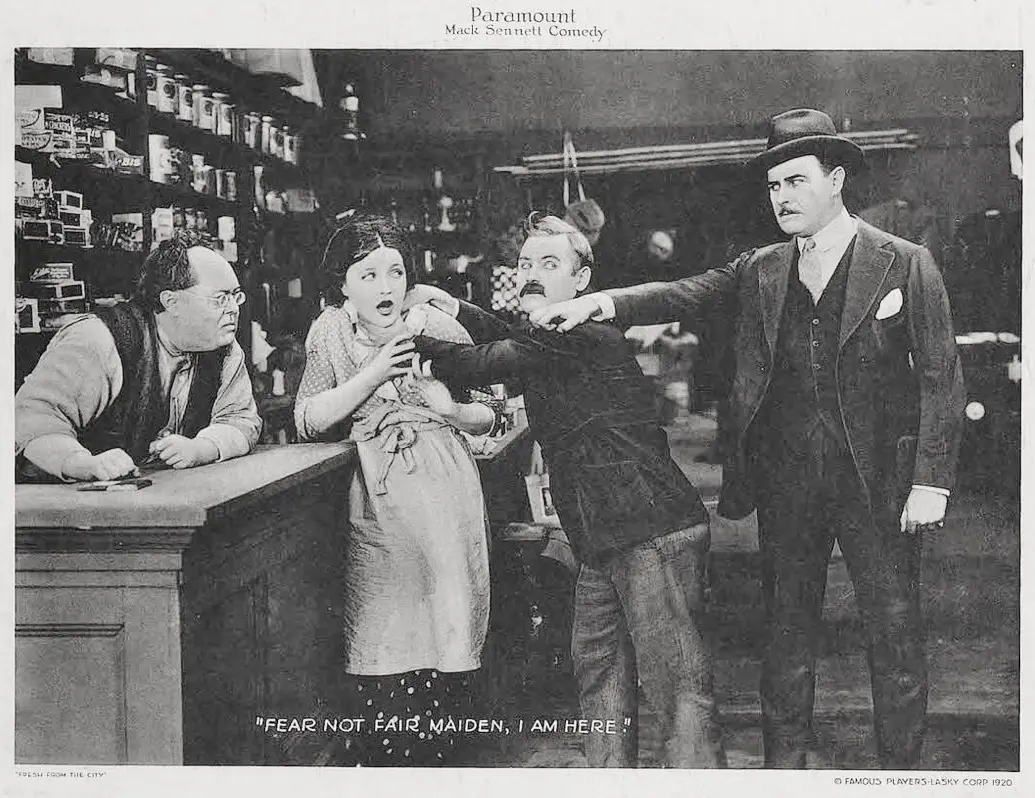
Silent cinema usually begs pianists to supply emotion; here the images supply their own kettledrum heartbeat.
Performances oscillate between custard-pie broad and scalpel-sharp. Sterling, a veteran of Mack Sennett mayhem, knows how to arch one brow like a question mark that suspects you’re lying. Roach plays the city fox with matinee-idol teeth, but watch the micro-moment when his pupils dilate—he smells blood, or rather oil. Kathryn McGuire flits between ingenue and reluctant accomplice; her final glance at the ruined diner is silent-era shorthand for what have we sold? Even Teddy the Dog earns a close-up, sniffing the kerosene puddle with more common sense than any two-legger in the room.
Comparative contextualists will spot DNA shared with Blind Man’s Luck’s shell-game optimism and the rural-urban tension that fuels The Scarecrow. Yet Fresh from the City predates the full flowering of those tropes, operating in a liminal 1923 space where jazz-age cynicism has not yet eclipsed barn-yard innocence. The tonal alloy feels singular: think Thomas Graals bästa barn’s marital satire distilled through the petroleum fever of Vive la France!, but carbonated with slapstick fizz.
Cinematographer (uncredited) favors low-key lighting that carves pockets of noir out of rural daylight. Shadows pool under chairs like unpaid bills; highlights ricochet off the brass cash register, a shrine to the Almighty Dollar. The fake-gusher sequence—achieved with pressure hoses and lampblack—must have sent 1923 audiences shrieking; today it plays as proto-environmental horror, a reminder that the easiest way to manufacture destiny is to poison your own backyard.
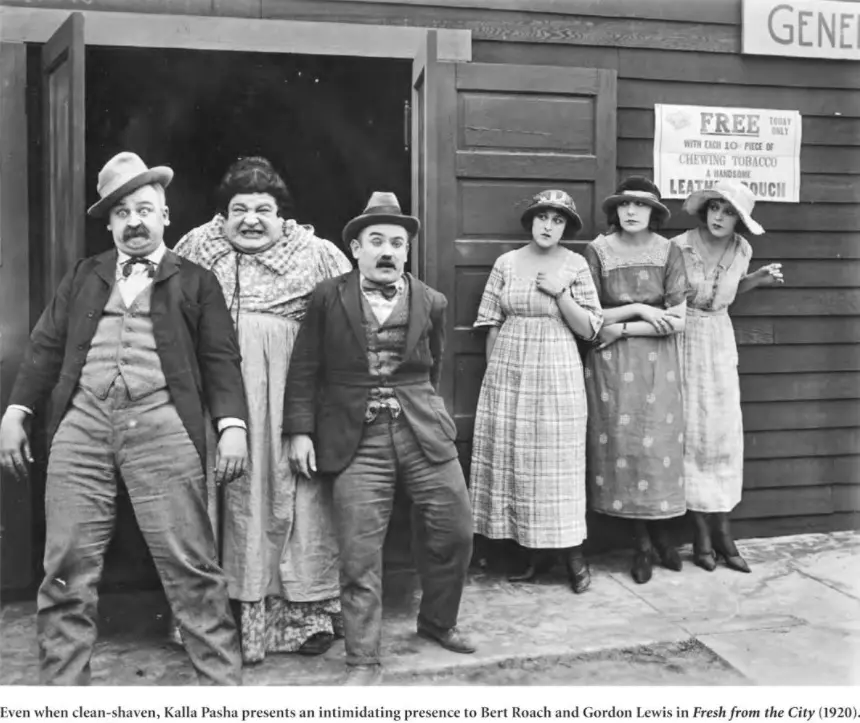
Rhythmically, the film is a three-movement jazz suite: 1) courtship syncopation, 2) prosperity crescendo, 3) comeuppance dirge. Each transition marked by visual leitmotifs: the cabaret’s beaded curtain, the diner’s squealing screen-door, the final padlock clanking shut. The montage grammar anticipates Soviet kineticism—oil cans, dollar bills, deed papers flung at the lens like shrapnel—yet the tempo stays light, almost Charleston, so the moral gut-punch lands harder.
Intertitles crackle with flapper-era argot: "He’s got more curves than a mountain road and fewer scruples than a raccoon in a corn crib." Language itself performs sleight-of-hand, turning mortgage into mirth, kerosene into kraken. Note the absence of moralistic sermon—no crime does not pay placard. The film trusts the audience to taste the ash beneath the laughter, a courtesy modern reboots rarely afford.
McGuire’s heroine is less pawn than pivot. She catalyzes rescue, witnesses betrayal, and ultimately withholds absolution—her silence in the final shot louder than any judge’s gavel. Prevost and Fox, playing cabaret sirens, weaponize charisma for coins; their chorines hustle patriarchs with the same entrepreneurial vim as the oil-grifters, reminding us that Roaring-Twenties feminism often dressed as opportunism long before it donned a ballot.
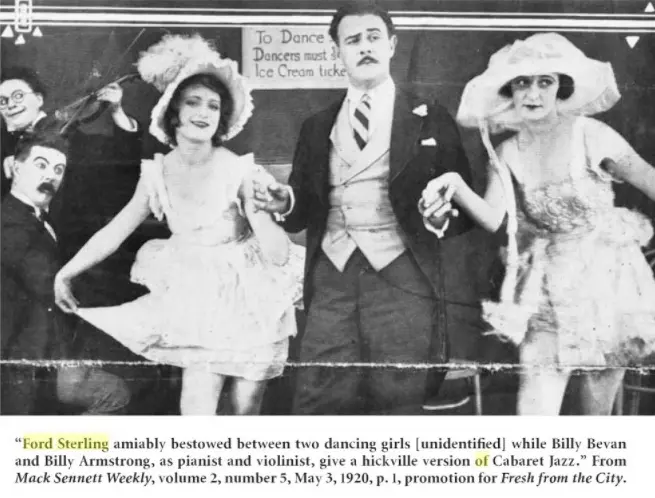
Meanwhile, the masculine axis—Sterling’s paternal greed vs. Roach’s metropolitan cunning—maps cleanly onto the era’s urban/rural culture war. Yet both men kneel at the same altar: speculation. Their duel is less good-vs-evil than fast-vs-slow grift, a prescient parable for crypto-bros fleecing boomers with imaginary coins instead of imaginary oil.
Though relegated to footnote status, Fresh from the City prefigures the land-rush cynicism of Die Silhouette des Teufels and the nouveau-riche burlesque of The Fatal Wallop. Its DNA even resurfaces in 1980s Reagan-era cinema: the same gushers of black gold, the same mortgage-burning jubilee, the same hangover of hubris. Criterion-worthy? Perhaps not—too much slapstick butter on the economic bread. Yet the film’s willingness to let greed taste like popcorn rather than poison makes it a bracing palette cleanser beside dour morality tales.
Restorationists take note: only two 35mm prints survive—one in the BFI vaults, another in a private Rochester archive. Both suffer from nitrate creep along the edges, causing the cabaret lights to bleed like auroras. A 4K scan could resurrect the kerosene shimmer, the velvet bruise of Sterling’s waistcoat, the champagne fizz of McGuire’s eyes. Until then, we stream murky DVD rips and squint at history through petroleum murk.
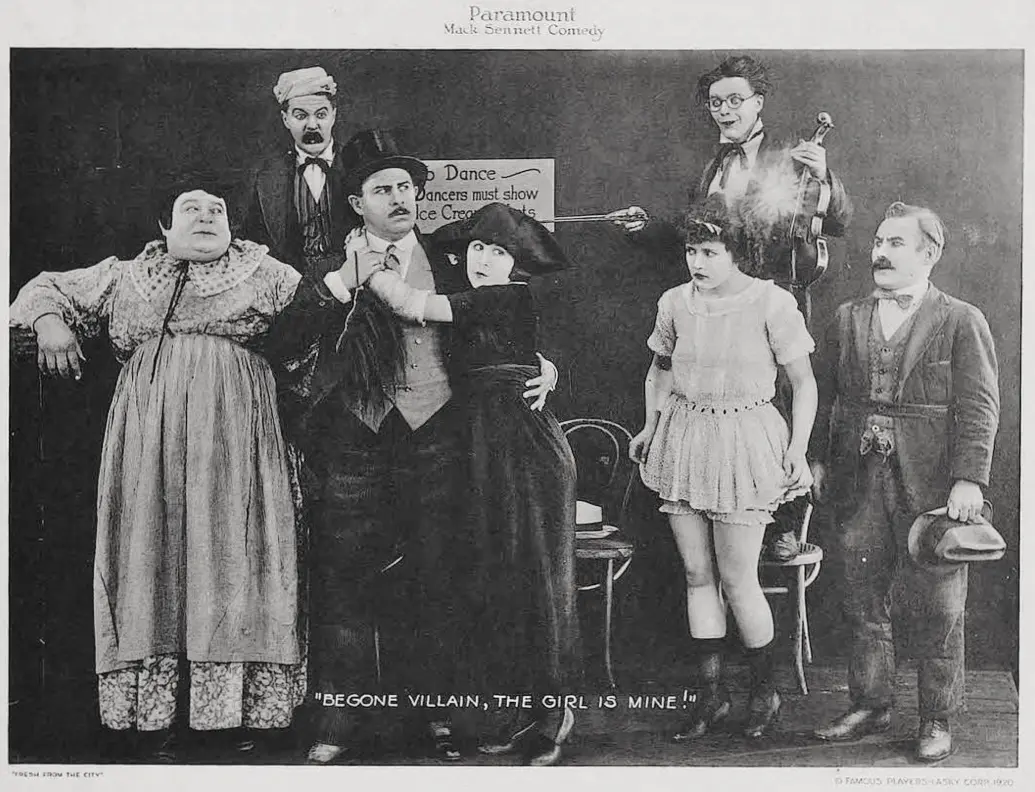
Does the picture transcend curio status? Absolutely—if you crave silent cinema that bites rather than lulls, that laughs at debt the way hyenas laugh at bones. Its 63-minute sprint feels longer than many three-hour prestige sagas because every frame juggles two currencies: mirth and mortality. You exit reeking of kerosene and jazz, convinced the American dream was always a Ponzi scheme with better lighting.
Watch it for: the fake-gusher set-piece, McGuire’s eyes shifting from trust to ledger, Sterling’s walrus mustache drooping like a busted share price.
Skip if: you need sympathetic characters hugging out growth arcs—here growth is measured in acreage scammed.

IMDb —
1928
Community
Log in to comment.