DbcultAccessing Vault...
Cult Review
Senior Film Conservator
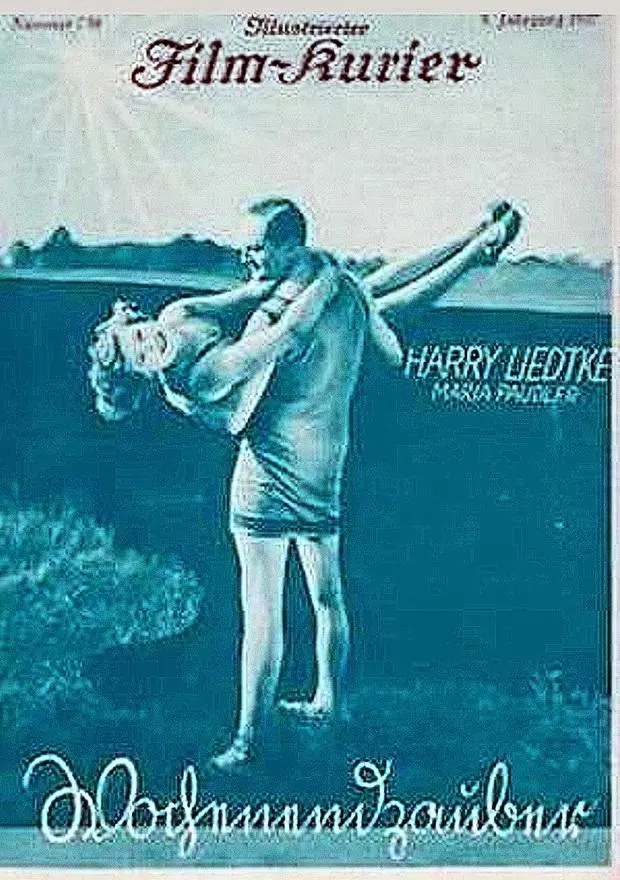
Is Wochenendzauber worth watching today? Short answer: Yes, but only if you have the stomach for a cynical deconstruction of social climbing. This film is for the cinephile who enjoys seeing the masks of high society ripped away; it is certainly not for anyone seeking a feel-good escapist romp through old Berlin.
This 1927 silent drama, directed by Rudolf Walther-Fein and written by Franz Rauch, captures a very specific anxiety of its era. It isn't just a movie; it is a warning. It explores the terrifying speed at which a man can go from the center of the universe to a total non-entity. In the context of 1920s German cinema, which often leaned into the fantastic or the criminal, like Söhne der Nacht, 1. Teil: Die Verbrecher-GmbH, Wochenendzauber feels uncomfortably grounded in the reality of human greed.
1) This film works because it utilizes its ensemble cast to create a suffocating atmosphere of superficiality that feels incredibly modern.
2) This film fails because the final act attempts to inject a sense of moral redemption that the previous seventy minutes of cynicism haven't earned.
3) You should watch it if you want to see a masterclass in how silent film acting can convey the transition from smug entitlement to hollow-eyed despair.
The title itself, which translates to 'Weekend Magic,' is the film’s first great irony. There is no magic here, only the illusion provided by currency. Heinz Sattorius, played with a perfect blend of charm and vacuity by Olaf Storm, is a man who believes he is loved for his wit and presence. The opening sequences are a blur of high-end dining and flirtatious glances. The pacing here is frantic, mirroring the heartbeat of a man who cannot afford to stop and think.
The cinematography during these party scenes is intentionally overwhelming. The camera lingers on the overflowing wine and the jewelry of the women, such as those played by Lissy Arna and Ita Rina. It creates a sensory overload that makes the subsequent silence even more deafening. When the uncle finally cuts the funds, the film undergoes a tonal shift that is almost violent. The 'magic' doesn't just fade; it snaps. One moment, Heinz is the host of the century; the next, he is standing in a room that feels five times larger because it is empty.
The strength of Wochenendzauber lies in its ensemble. Unlike the more focused biographical narratives of the time, such as Bismarck, this film relies on a chorus of characters to illustrate its point. Hermann Picha and Sophie Pagay provide the necessary groundedness, but it is the 'friends' who steal the show. Their performances are choreographed to show a collective shift in body language. When Heinz is rich, they lean in. When he is broke, they physically recoil as if poverty were a contagious disease.
Iwa Wanja and Maria Paudler represent the different facets of the women in Heinz’s life—those who are complicit in the game and those who are perhaps just as trapped by the system as he is. There is a specific scene in a dimly lit restaurant where Heinz attempts to borrow money from a man who, only the night before, had called him a brother. The way the man looks through Heinz, as if he were a pane of glass, is one of the most chilling moments in silent cinema. It works. But it’s flawed. The film’s insistence on a moralistic ending feels like a concession to the censors of the time.
Rudolf Walther-Fein was not a director known for the avant-garde flourishes of Murnau or Lang, but here he shows a sophisticated understanding of space. The way he uses the architecture of Heinz’s apartment to tell the story is brilliant. At the start, the apartment is a playground. By the midpoint, it is a museum of his failures. The lighting becomes harsher, casting long, un-expressionistic shadows that feel more like the bars of a cage than a stylistic choice.
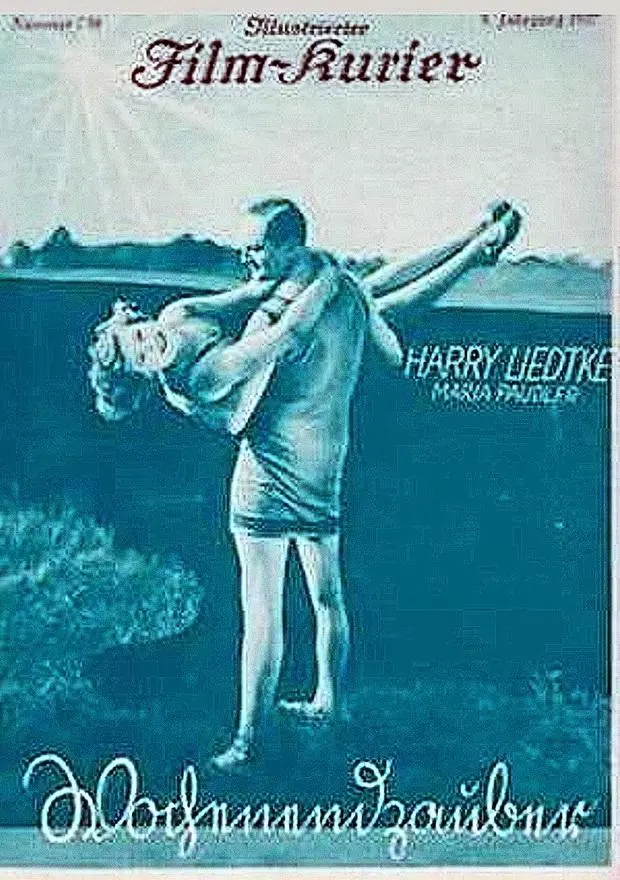
Compare this to the more poetic approach found in French shorts of the same year, like La p'tite Lili. While the French were experimenting with the lyricism of the image, Walther-Fein was interested in the sociology of the image. He wants you to see the cost of the champagne. He wants you to feel the weight of the bill that Heinz cannot pay. It is a cold, calculated look at the death of a socialite.
If you are looking for a historical document that explains the social volatility of pre-depression Germany, then yes, this is essential viewing. It provides a window into a world where status was everything because everything else—the economy, the government, the social fabric—was crumbling. It is a film about the fear of falling. While it lacks the technical wizardry of some of its contemporaries, its emotional core is surprisingly resilient.
However, if you struggle with the slower pacing of late-20s silent dramas, you might find the middle section repetitive. The film hammers its point home with the subtlety of a sledgehammer. We get it: his friends are bad. We get it: money is fleeting. Yet, there is a grit to the performances that keeps you engaged. It’s a bitter pill, but one that is worth swallowing for the sake of cinematic literacy.
Pros:
The film offers a devastatingly accurate portrayal of 'fair-weather' friendship. The costume design is impeccable, serving as a visual shorthand for character evolution. The ensemble cast features some of the era's most reliable character actors, providing a rich tapestry of 1920s archetypes.
Cons:
The pacing in the second act drags as the film repeats its central thesis. Some of the intertitles are overly didactic, leaving little room for the audience to interpret the subtext. The 'Uncle' character remains a distant plot device rather than a fully realized human being.
To truly appreciate Wochenendzauber, one must understand the hyperinflation and subsequent 'Golden Twenties' in Germany. This was a time of extreme wealth disparity. Heinz isn't just a playboy; he is a symptom of a broken economy. When we look at other films of the period, like the gritty realism of Söhne der Nacht, we see a recurring theme: the desperation to belong to a class that is actively dying. Heinz is trying to buy his way into an aristocracy that no longer exists, using money he didn't earn.
The film’s focus on the 'weekend' is also telling. In an industrial society, the weekend is the only time the worker is 'free.' But for Heinz, his whole life is a weekend. He has no labor to ground him. When the money stops, he has no skills, no purpose, and no foundation. He is a ghost in a tuxedo. This observation is perhaps the film's most brutal insight. It suggests that without capital, the modern man is nothing.
Wochenendzauber is a fascinating, if occasionally heavy-handed, relic of a bygone era. It lacks the visual poetry of the greatest silent films, but it compensates with a raw, cynical energy that feels remarkably ahead of its time. It’s a film that looks you in the eye and tells you that your friends don't like you—they like your tab at the bar. It is uncomfortable, judgmental, and entirely necessary. It’s a cold shower of a movie that reminds us that 'magic' is usually just a line of credit.
IMDb —
1921
Community
Log in to comment.