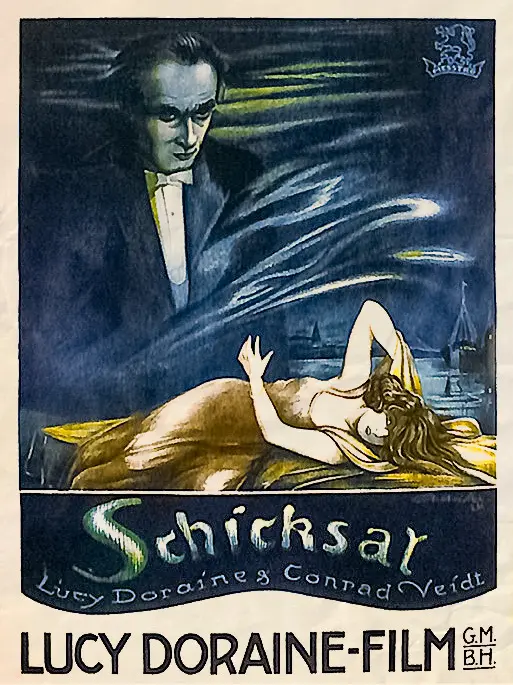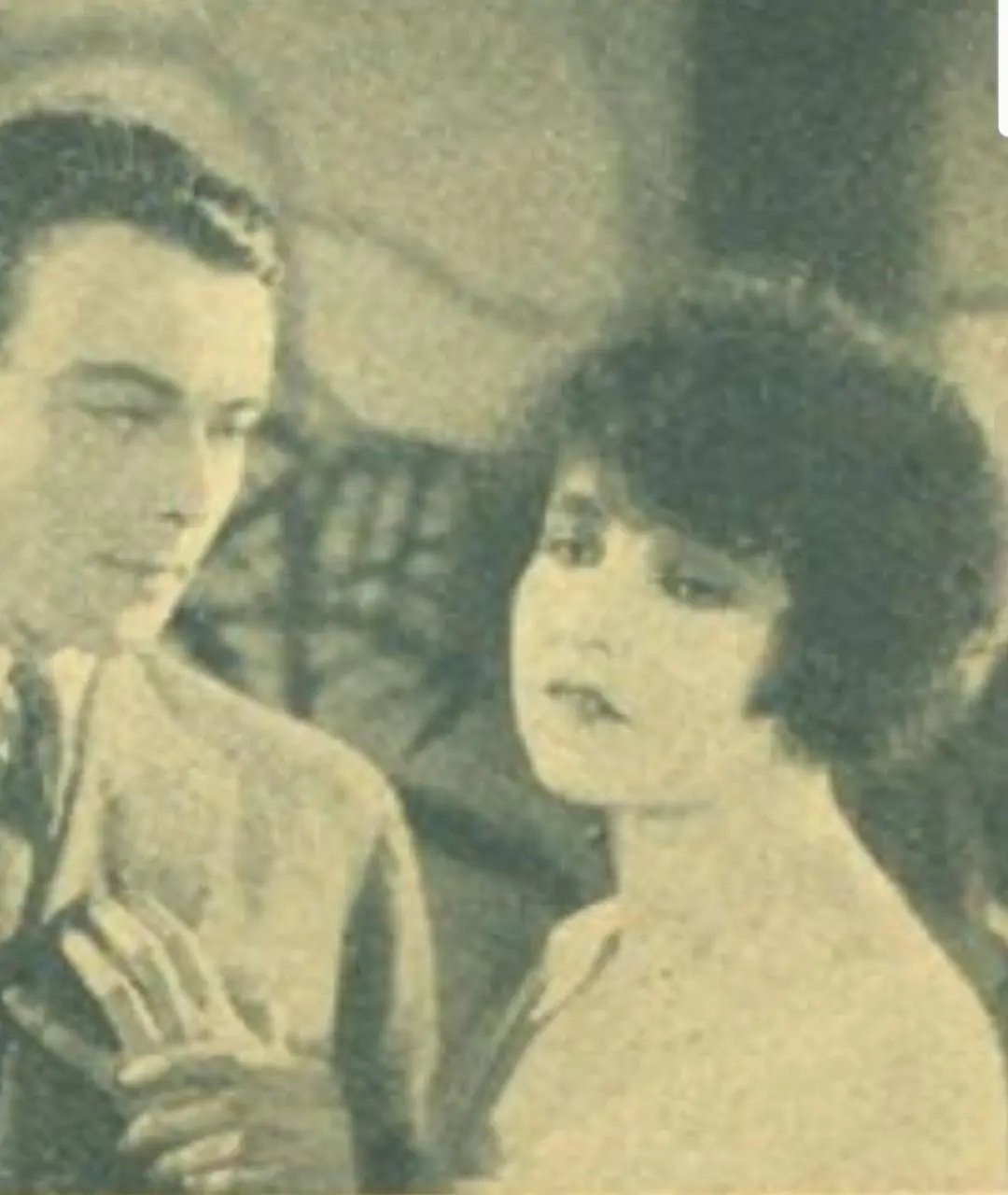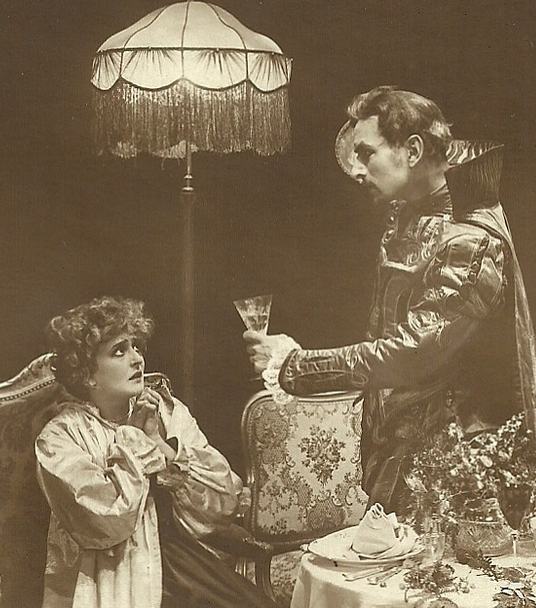
Mia Hauer's father is fatally injured in a mining accident. The boss of the mine takes care of Mia.
Germany
Spoiler-rich excavation below; enter the mine at your own peril. There is a moment—roughly two-thirds through Die Silhouette des Teufels—when Mia, framed against a nocturnal window, lifts her left hand as though testing the weight of moonlight on her wedding band. The gesture lasts perhaps three seconds, yet the all...
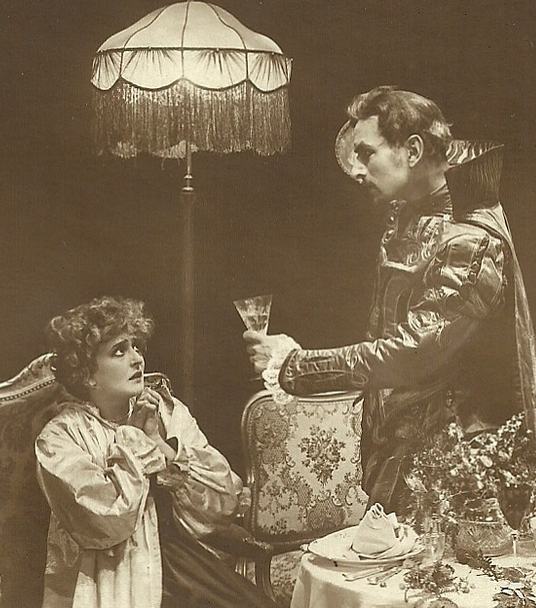
still_frame

Comparing the cinematic DNA and archive impact of two defining moments in cult history.
Felix Basch
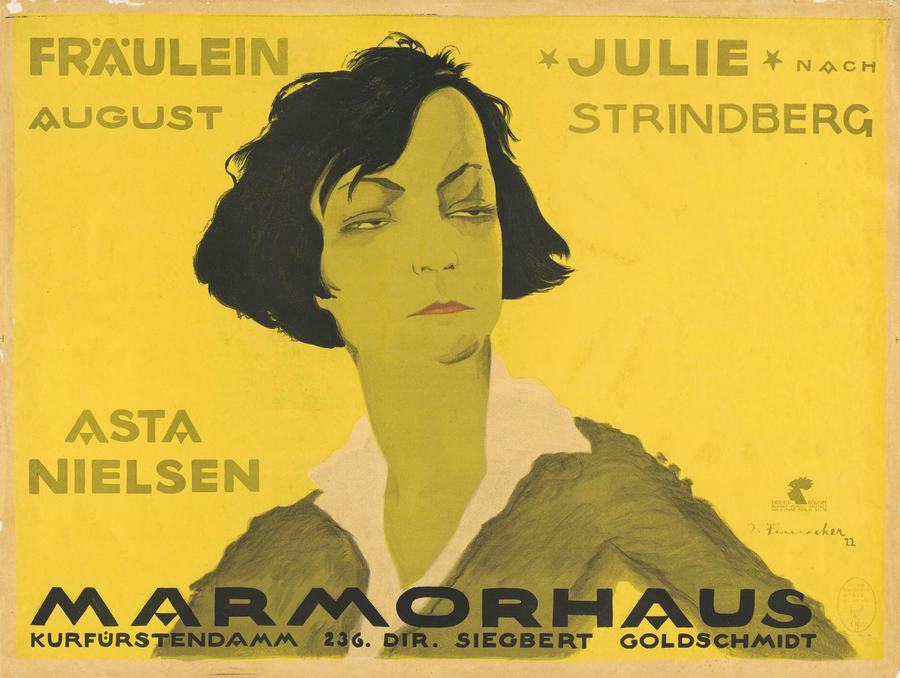
Felix Basch
Community
Log in to comment.
" Spoiler-rich excavation below; enter the mine at your own peril. There is a moment—roughly two-thirds through Die Silhouette des Teufels—when Mia, framed against a nocturnal window, lifts her left hand as though testing the weight of moonlight on her wedding band. The gesture lasts perhaps three seconds, yet the alloy of resignation and insurgency flickering across Mia May’s face compresses the entire narrative into a single tremor. Directors Hans Werker and Willy Rathschlag orchestrate this ..."

Deep dive into the cult classic
Discover similar cinematic experiences
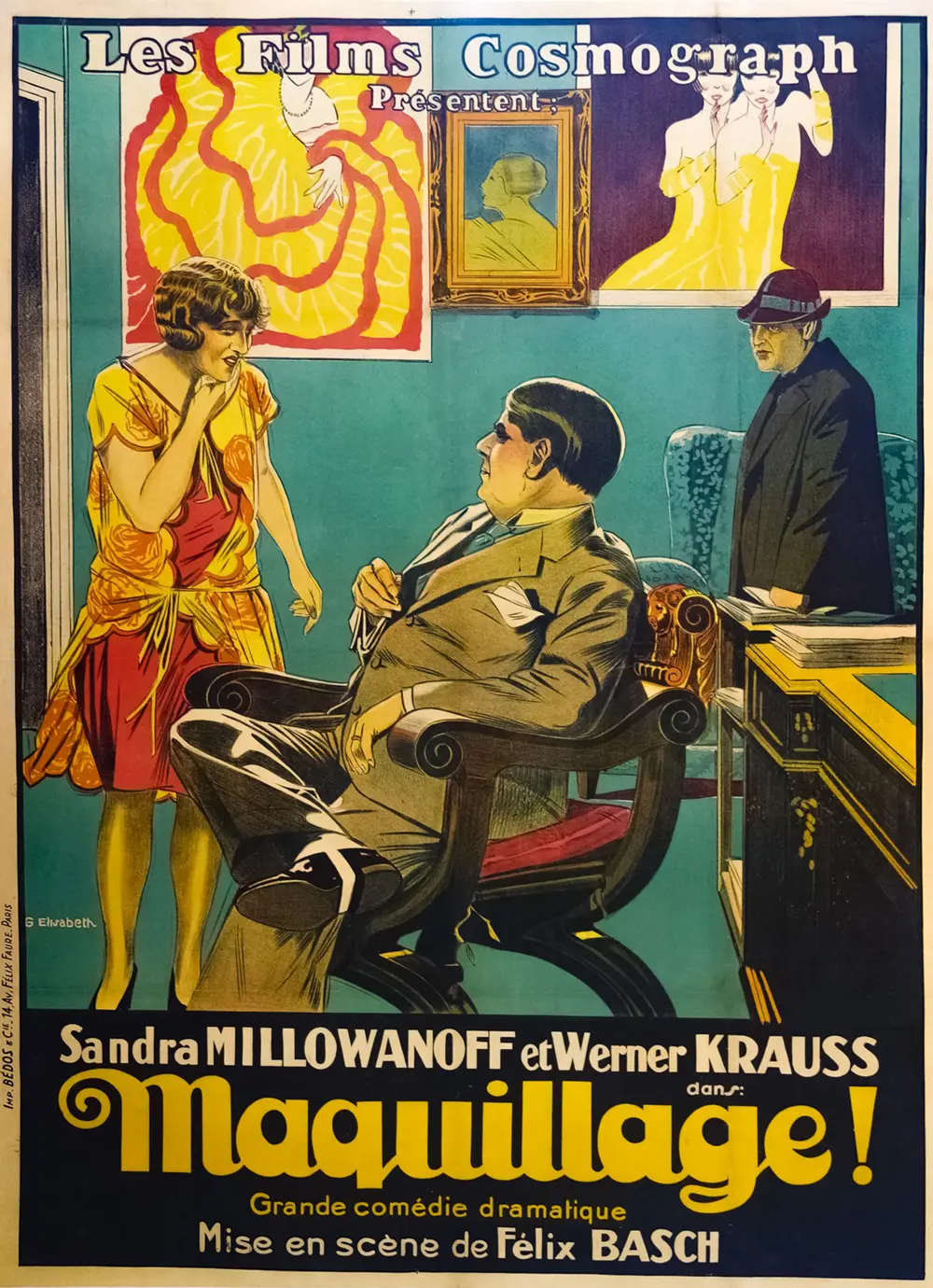
A Directorial Spotlight on Felix Basch