DbcultAccessing Vault...
Cult Review
Senior Film Conservator
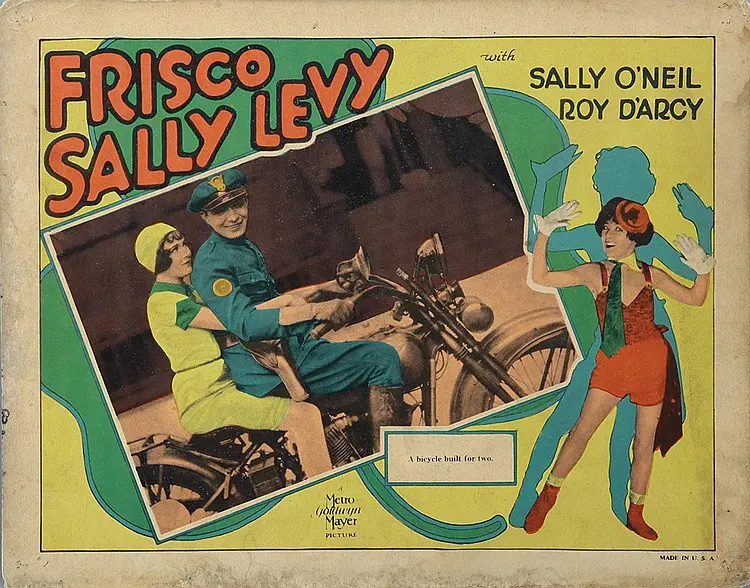
Short answer: Yes, but only if you have an appetite for the specific, high-energy archetypes of 1920s ethnic comedies. Frisco Sally Levy is a vibrant, if occasionally clunky, artifact of the 'melting pot' era that offers more than just broad stereotypes. It is for viewers who enjoy silent-era social dynamics and character-driven humor; it is definitely not for those who demand modern pacing or an absence of period-typical cultural caricatures.
This film works because it captures a genuine, albeit exaggerated, sense of the immigrant experience in San Francisco through the chemistry of its leads. This film fails because the transition from lighthearted domestic squabbling to a more serious crime subplot feels jarring and unearned. You should watch it if you want to see Sally O'Neil at the height of her silent-era charisma or if you are tracking the evolution of Jewish and Irish representation in Hollywood.
Frisco Sally Levy is worth watching for its historical value and the magnetic performance of Sally O'Neil. It provides a rare window into the 'Abie’s Irish Rose' style of storytelling that dominated the decade. While some of the humor is dated, the central conflict of choosing between a 'proper' match and a 'true' match remains relatable. It is a sharp, brief look at a San Francisco that no longer exists.
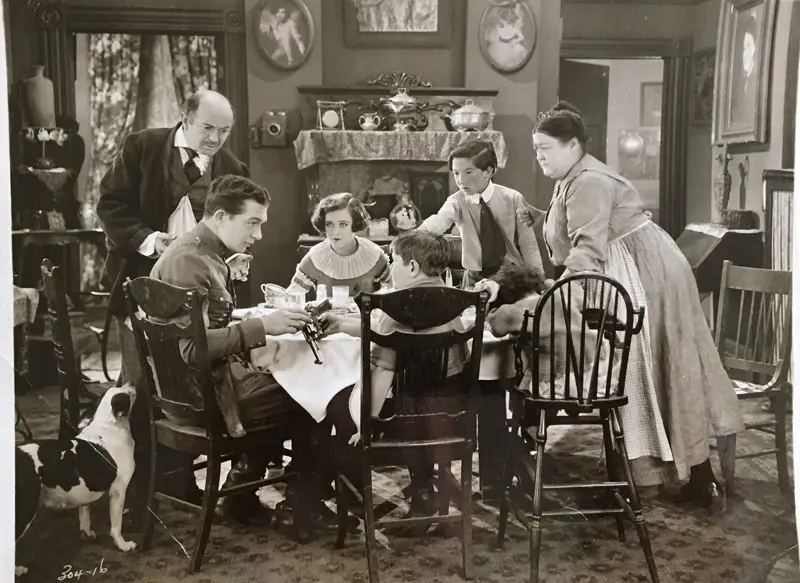
The heart of this film isn't the romance, but the dinner table. Tenen Holtz and Kate Price play the parents with a level of frantic energy that defines the silent comedy genre. Holtz, as the Orthodox father, and Price, as the Irish mother, represent a clash of civilizations within a single living room. Their bickering isn't just for laughs; it reflects the actual demographic shifts happening in American cities at the time.
In one specific scene, the father’s desperate attempt to maintain religious decorum while the mother injects her own lively, chaotic traditions creates a palpable tension. It’s not subtle. It’s loud, even without sound. This film leans into the 'clash' tropes seen in other era-specific works like The Chorus Girl's Romance, but it adds a layer of San Francisco grit that feels unique.
The writing team, including Alfred A. Cohn and Joseph Farnham, clearly understood the market for these stories. They weren't aiming for high art; they were aiming for recognition. Audiences in 1927 would have seen their own neighbors in the Lapidowitz family. This groundedness keeps the film from floating away into pure slapstick.
Sally O'Neil is the engine that drives this movie. She doesn't just play Sally Lapidowitz; she inhabits the 'New Woman' of the twenties. She is caught between the Old World expectations of her father and the modern, fast-paced life represented by her motorcycle-cop boyfriend. O'Neil’s facial expressions are remarkably modern, avoiding the over-the-top pantomime that plagued many of her contemporaries.
When she interacts with Patrick Sweeney, played with a stoic charm by Charles Delaney, there is a sense of genuine stakes. You want them to work because they represent the future. Compare this to O'Neil's other roles in films like Extravagance, and you see a performer who was rapidly refining her craft. She handles the comedic beats with the same ease as the later, more dramatic moments.
One standout moment involves Sally trying to mediate a fight between her father and Patrick. She uses her physicality to block the frame, literally standing as the barrier between the past and her chosen future. It’s a simple piece of blocking, but it’s effective. It tells the story better than any intertitle could.
Roy D'Arcy plays Stuart Gold with a sneer that you can practically feel through the screen. He is the quintessential 'fancy' boy, the kind of character designed to be hated by the working-class audience of 1927. His manipulation of Sally’s father is the film’s most cynical and interesting element. He uses shared heritage as a weapon, a tactic that still feels relevant in modern discussions of identity politics.
The suspicion Patrick feels toward Gold isn't just jealousy; it's a professional intuition. The film shifts gears when Gold’s true nature is revealed. Suddenly, we aren't in a comedy about a mixed-marriage household anymore; we are in a crime thriller. This shift is where the film stumbles. The transition is abrupt. One moment we are laughing at a dog—the delightful Cameo the Dog—and the next, we are dealing with genuine criminal stakes.
However, D'Arcy’s performance is so consistently oily that he bridges the gap. He is a predator in a silk tie. Unlike the more nuanced characters in Glass Houses, Gold is a one-dimensional villain, but he serves his purpose. He is the catalyst that forces the Lapidowitz family to finally unite against an external threat rather than fighting each other.
The cinematography in Frisco Sally Levy is functional but lacks the experimental flair of the late silent era's masterpieces. It relies on medium shots and standard editing patterns. However, the location shooting (or at least the convincing sets) of San Francisco adds an atmospheric layer that keeps the eye busy. The film moves quickly—a necessity for a story that relies on high-energy conflict.
The pacing is brisk until the final act. The resolution feels a bit rushed, as if the writers realized they had too many subplots to tie up in the final ten minutes. We see a similar pacing issue in My Official Wife, where the climax feels like a race against the reel length. Despite this, the film never drags. It’s punchy. It gets in, makes its point, and gets out.
One surprising observation: the use of Cameo the Dog isn't just a gimmick. The dog actually serves as a silent observer of the family's chaos, often getting the 'last word' in a scene through a well-timed reaction shot. It’s a small detail, but it shows a level of thought went into the visual comedy beyond just the human actors.
Frisco Sally Levy is not a profound cinematic experience, but it is an incredibly effective one. It works. But it’s flawed. The film succeeds because it leans into the messy, loud, and vibrant reality of 1920s urban life. It doesn't try to be a polite drawing-room drama; it’s a street-level story with heart and a bit of a mean streak.
While it may not have the lasting legacy of some other films from 1927, it remains a vital piece of the puzzle for anyone studying the history of American identity on screen. It’s a loud, proud, and occasionally ridiculous look at what happens when two cultures are forced to share a kitchen and a daughter’s future. If you can look past the dust of the last century, you'll find a story that still has a surprising amount of spark.
"A loud, proud, and occasionally ridiculous look at the American melting pot that still manages to charm through its sheer kinetic energy."
IMDb —
1912
Community
Log in to comment.