DbcultAccessing Vault...
6.4/10
Senior Film Conservator
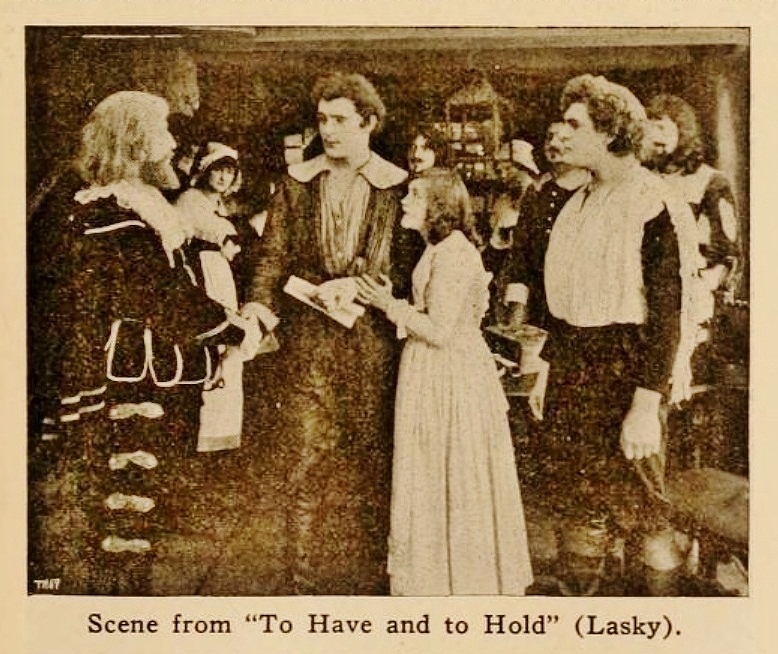
A definitive 6.4/10 rating for a film that redefined the boundaries of cult cinema. To Have and to Hold remains a cornerstone of transgressive art.
Stepping back into the early 20th century, the golden age of silent cinema, one encounters a cinematic landscape brimming with grand narratives and visual spectacle. Amidst this vibrant tapestry, To Have and to Hold, a 1922 adaptation of Mary Johnston’s celebrated historical novel, emerges as a compelling artifact, a testament to the enduring power of classic storytelling. This film, directed by George Melford and brought to life by the stellar performances of Wallace Reid and Camille Astor, plunges its audience into a tumultuous tale of defiance, romance, and relentless pursuit, set against the breathtaking backdrop of Jacobean England and the untamed American colonies. It’s a narrative that, even today, resonates with themes of liberty, identity, and the indomitable human spirit.
At the heart of this sprawling drama is Lady Jocelyn, portrayed with captivating grace and fiery resolve by Camille Astor. A favored ward within the intricate web of King James's court, Jocelyn’s privileged position is abruptly threatened by a decree of forced marriage to Lord Carnal, a man whose very name conjures images of depravity and whose character embodies a chilling blend of ambition and cruelty. This isn't merely a matter of an undesirable match; it's an existential threat to her autonomy, a complete effacement of her will. The film masterfully conveys the suffocating pressure of societal expectations and the patriarchal structures of the era, making Jocelyn's desperate flight not just an act of rebellion, but a profound assertion of selfhood. Her escape, a clandestine departure from the gilded cage of court life, is depicted with a sense of urgent peril, a dramatic pivot that sets the stage for the sweeping adventures to come. It’s a narrative device that immediately draws parallels with other tales of daring escapes and new beginnings, though few capture the sheer audacity of a woman charting her own course across an ocean into the unknown.
Jocelyn’s journey to the American colonies is more than a geographical shift; it’s a symbolic passage from the rigid strictures of the Old World to the raw freedom of the New. Here, amidst the rugged beauty of the colonial landscape, she encounters Captain Ralph Percy, brought to life with charismatic vigor by the legendary Wallace Reid. Percy is the quintessential heroic figure of the era: honorable, resourceful, and possessing an innate sense of justice. Their courtship, though swift, is portrayed with a genuine warmth that transcends the silent film medium, establishing a bond forged not just by circumstance but by mutual respect and burgeoning affection. Their marriage, a union of two independent spirits, represents the promise of a life unburdened by the past. However, the tranquility is fleeting. Lord Carnal, played with chilling effectiveness by Raymond Hatton, is not one to relinquish his claims easily. His relentless pursuit across the Atlantic transforms him from a mere antagonist into a looming, almost mythical force of malevolence, a dark shadow that refuses to dissipate. This relentless, almost obsessive pursuit adds a layer of psychological tension that elevates the narrative beyond a simple adventure story, making Carnal a truly memorable villain, reminiscent in his single-mindedness of formidable cinematic adversaries throughout history.
The narrative reaches its dramatic zenith with an unforeseen shipwreck, an event that casts Jocelyn, Percy, and their relentless pursuer, Carnal, together onto the stark isolation of a desert island. This twist of fate is a masterstroke of plot construction, forcing these opposing forces into an inescapable proximity, stripping away the veneers of civilization and social standing. The arrival of a band of pirates further escalates the stakes, introducing a primal struggle for survival. It is here that Captain Percy, with quick thinking and a daring spirit, concocts a brilliant ruse, convincing the marauders that he is, in fact, a notorious pirate chief himself. Wallace Reid’s portrayal during this segment is particularly compelling, showcasing a blend of bravado and shrewdness that makes his deception utterly believable to the audience, if not to all characters. This precarious illusion, however, is destined for collapse. Lord Carnal, fueled by malice and a desire for revenge, seizes an opportune moment to reveal Percy's true identity to the pirates, shattering the fragile peace and plunging the protagonists into dire peril. This act of betrayal underscores Carnal's inherent villainy and sets the stage for a climactic struggle where courage, cunning, and love are tested against overwhelming odds. The tension built in this segment is palpable, a testament to the film's ability to craft suspense through visual narrative.
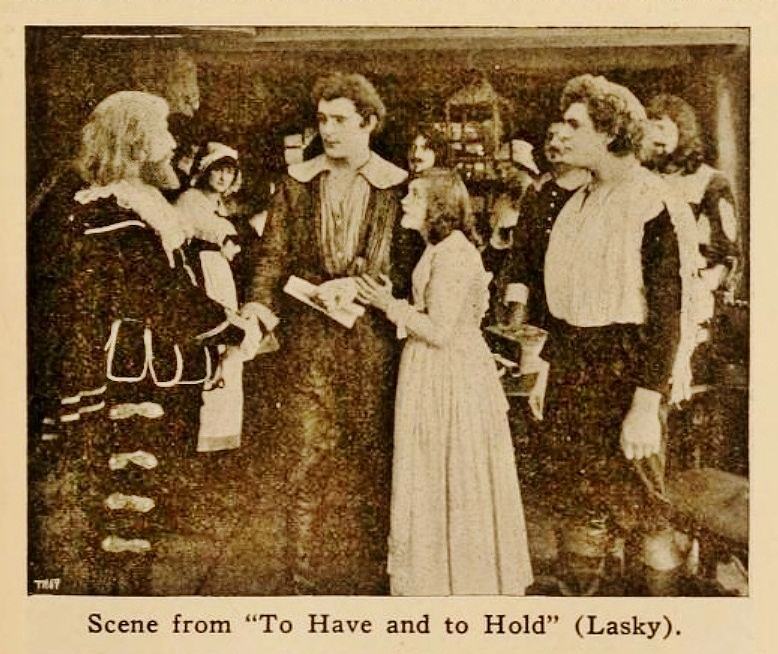
The success of To Have and to Hold owes immensely to its exceptional cast. Wallace Reid, a veritable superstar of the silent era, brings an undeniable charisma and heroic presence to Captain Ralph Percy. His nuanced expressions and commanding physicality convey Percy’s integrity, his passion for Jocelyn, and his unwavering courage in the face of adversity. Reid’s ability to communicate complex emotions without dialogue was unparalleled, making him a perfect fit for this swashbuckling role. His performance here solidifies his status as one of cinema’s early leading men, embodying a blend of rugged individualism and romantic idealism that captivated audiences. One might even draw a parallel between his adventurous spirit and the daring roles seen in films like A Gentleman of Leisure, though Reid’s intensity here feels particularly profound.
Camille Astor, as Lady Jocelyn, delivers a performance of remarkable depth and resilience. She portrays Jocelyn not merely as a damsel in distress, but as a woman of formidable spirit, capable of making her own choices and standing firm against tyranny. Astor’s expressive face and elegant bearing perfectly capture Jocelyn’s transformation from a court favorite to a self-reliant pioneer, a heroine whose strength is both internal and external. Her chemistry with Reid is palpable, lending authenticity to their whirlwind romance and making their struggle for survival all the more poignant. Raymond Hatton, as Lord Carnal, is equally compelling in his villainy. He imbues Carnal with a chilling blend of aristocratic arrogance and seething malice, making him a truly formidable and detestable antagonist. His portrayal of relentless obsession is a masterclass in silent film acting, where every gesture and facial contortion speaks volumes. The supporting cast, including Mae Murray, Tom Forman, James Neill, Robert N. Bradbury, Lucien Littlefield, and Bob Fleming, each contribute to the rich tapestry of the film, enhancing the atmosphere and lending credibility to the varied settings, from the grandeur of the court to the rustic charm of the colonies and the grim reality of the pirate ship.
The narrative’s robust framework is a testament to the source material by Mary Johnston, brilliantly adapted for the screen by Margaret Turnbull. Johnston’s novel was celebrated for its historical detail and compelling characterizations, and Turnbull’s screenplay manages to distill the essence of this epic tale into a visually dynamic format. The challenge of adapting a sprawling historical romance for the silent screen lies in conveying complex motivations and intricate plot points without the benefit of spoken dialogue. Turnbull’s work, alongside the director's vision, achieves this with remarkable clarity, utilizing intertitles judiciously and allowing the actors’ performances and the visual storytelling to carry the emotional weight. The narrative flow is fluid, building suspense incrementally and delivering dramatic payoffs with satisfying impact. This meticulous attention to narrative structure is a hallmark of strong early cinema, much like the careful construction of a film such as The Golem, where visual storytelling and thematic depth are paramount.
Beyond the captivating performances, To Have and to Hold is a visual feast, demonstrating the impressive production values of the era. The sets, costumes, and location shooting contribute significantly to the film’s immersive quality. From the elaborate interiors of King James’s court to the rugged authenticity of the colonial settlements and the stark, windswept beauty of the desert island, every frame is meticulously crafted to transport the audience into the film’s historical setting. The cinematography, though lacking the sophisticated camera movements of later eras, effectively captures the grandeur of the landscapes and the intimacy of the character interactions. The use of light and shadow, a crucial element in silent film aesthetics, is employed to heighten dramatic tension and underscore emotional states, particularly in scenes involving Lord Carnal. The film’s visual language speaks volumes, compensating for the absence of sound with rich detail and evocative imagery.
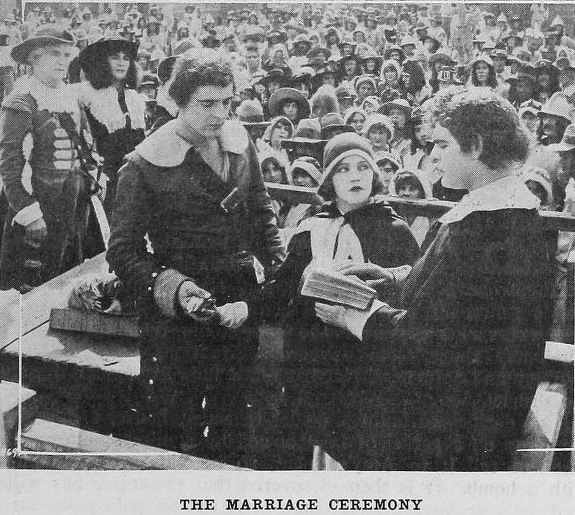
The thematic undercurrents of the film are equally compelling. At its core, To Have and to Hold is a powerful exploration of freedom versus constraint, and the lengths to which individuals will go to preserve their autonomy. Lady Jocelyn's flight is a literal and metaphorical journey towards self-determination, a theme that resonates deeply in a society grappling with evolving roles for women. The contrast between the rigid class structures of England and the more fluid, meritocratic potential of the colonies provides a compelling backdrop for this struggle. Furthermore, the film delves into the complexities of love and loyalty, testing the bonds between Jocelyn and Percy against external threats and internal doubts. The idea of identity – both assumed and true – is also central, especially in Percy’s audacious masquerade as a pirate chief. These universal themes ensure the film’s relevance, allowing it to transcend its historical setting and speak to contemporary audiences about timeless human experiences.
In an age dominated by sound and digital spectacle, films like To Have and to Hold serve as vital reminders of cinema’s foundational artistry. It is more than just a historical curiosity; it is a vibrant piece of storytelling that exemplifies the unique strengths of the silent era. The film’s ability to conjure grand adventure, passionate romance, and palpable suspense through visual means alone is a testament to the ingenuity of early filmmakers and the profound expressive power of the human face and body. For cinephiles and historians alike, it offers a window into the popular entertainment of the 1920s, showcasing the kinds of narratives that captivated audiences and the stars who became household names without uttering a single word. Its blend of historical drama, high-stakes adventure, and romantic idealism makes it a compelling watch, even for those unaccustomed to the rhythms of silent cinema.
Comparing it with other silent era productions, one can appreciate its commitment to grand storytelling. While not as overtly experimental as some European films of the period or as focused on social commentary as others, To Have and to Hold stands out for its sheer entertainment value and its robust narrative drive. It shares a certain epic scope with films like Napoleon in its ambition to portray grand historical canvases, albeit on a more personal scale. Furthermore, the film’s exploration of morality and the consequences of deception, particularly through Lord Carnal's actions, echoes the dramatic tension found in films such as Price of Treachery; Or, The Lighthouse Keeper's Daughter, where character flaws drive the plot towards inevitable conflict. It is a film that, despite its age, continues to offer a rich and rewarding viewing experience, a true classic that holds its own within the pantheon of early American cinema.
In conclusion, To Have and to Hold is a film that deserves to be rediscovered and celebrated. It’s a beautifully crafted adventure, a passionate romance, and a compelling study of human resilience. Its stars shine brightly, its story captivates, and its visual artistry endures. It’s a testament to the power of cinema to transport us to other times and places, allowing us to witness extraordinary tales of love, courage, and the unwavering pursuit of freedom.
IMDb —
1927
Community
Log in to comment.