DbcultAccessing Vault...
6.7/10
Senior Film Conservator
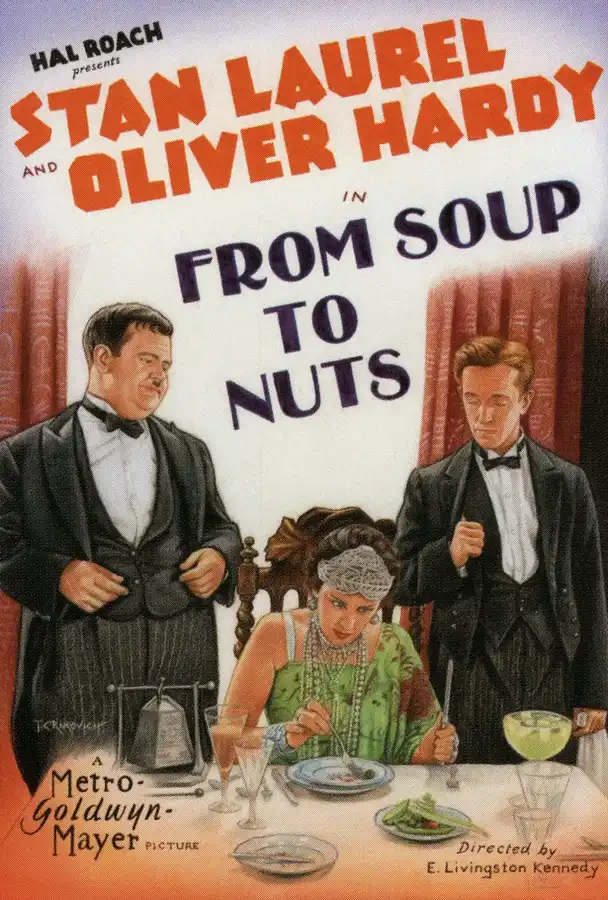
A definitive 6.7/10 rating for a film that redefined the boundaries of cult cinema. From Soup to Nuts remains a cornerstone of transgressive art.
If you want to understand why Laurel and Hardy remain the gold standard for cinematic duos, From Soup to Nuts is an essential watch. It is not just a collection of falls; it is a meticulously paced demolition of upper-class pretension. It’s for anyone who enjoys watching the 'best-laid plans' of the wealthy get steamrolled by pure, well-meaning incompetence. If you have no patience for the slower rhythms of silent-era slapstick, the 20-minute runtime might feel longer than it is, but for everyone else, this is a lean, mean comedy machine.
The film works because of the contrast between the Culpeppers' desperate desire for dignity and the boys' total lack of it. Anita Garvin, playing Mrs. Culpepper, is the secret weapon here. She doesn’t just play the 'straight man'; she embodies the mounting horror of a hostess watching her life’s work vanish. A particularly sharp detail is her tiara, which refuses to stay level. Every time she tries to look regal, the jewelry slips down over her eyes, forcing her to shove it back up with increasing violence. It’s a small, physical manifestation of her crumbling social status that feels much more human than a standard caricature.
Then there is Oliver Hardy’s 'Ollie.' In this short, his performance is centered on the illusion of competence. He adjusts his tie, brushes off his lapels, and gives Stan orders with the air of a man who has worked at the Ritz his entire life. The comedy doesn't come from him being a buffoon; it comes from his absolute conviction that he is doing a great job right up until the moment he trips over a dog. Unlike some other shorts from the same era, such as Is Marriage the Bunk?, which rely on broader situational tropes, the humor here is rooted deeply in these specific character flaws.
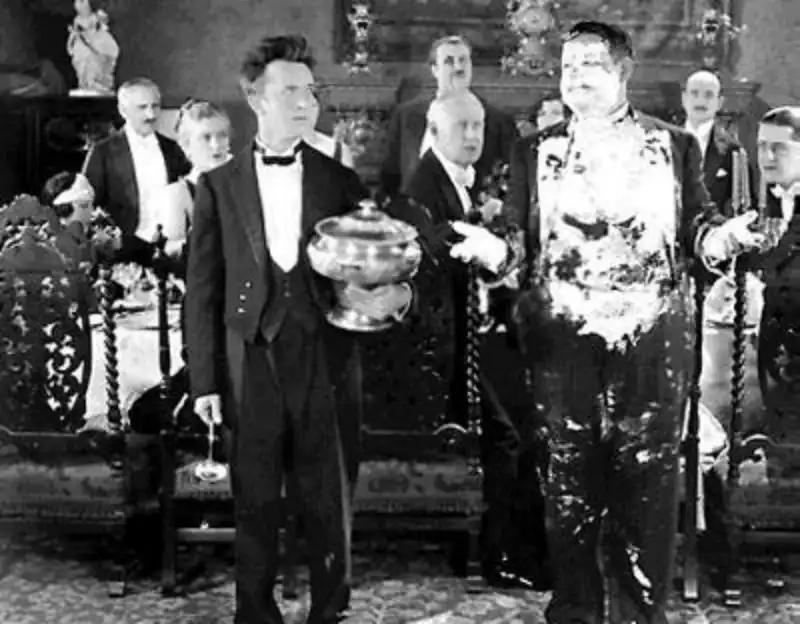
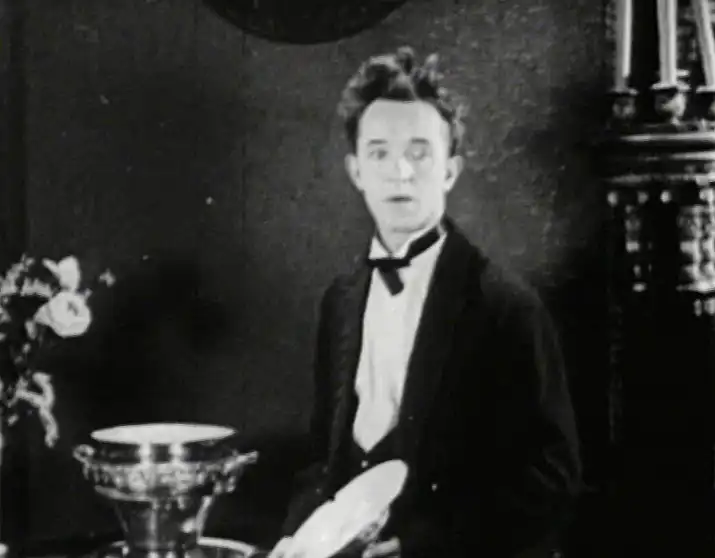
The lighting is the standard, flat high-key look common to Hal Roach productions of the late 20s, which actually helps the comedy. You can see every bead of sweat on Stan’s forehead and every twitch of Ollie’s mustache. The set design is intentionally cramped—a dining room that feels just a little too small for the number of people in it—which heightens the tension every time the boys enter with a tray of food.
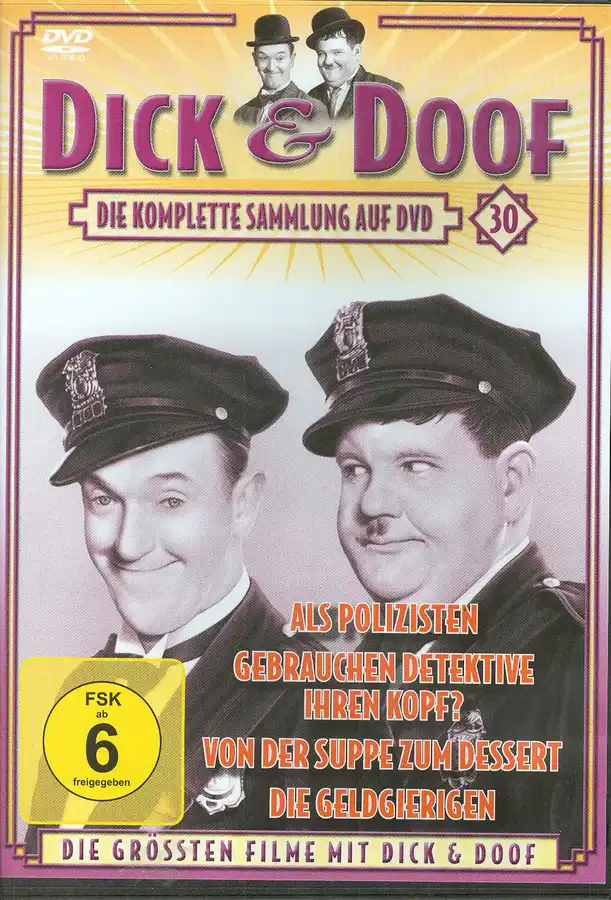
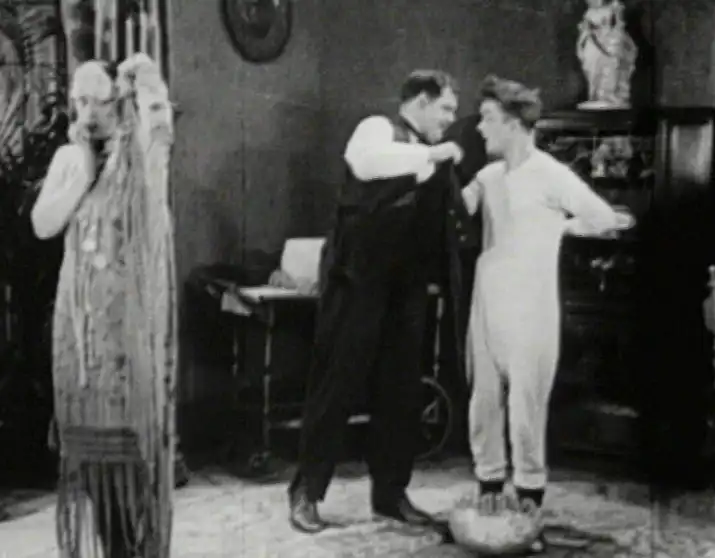
The centerpiece of the film is the 'undressed' salad gag. It’s a joke that only works because of Stan Laurel’s specific brand of blank-slate innocence. When told to serve the salad 'undressed,' he doesn't do it to be a rebel; he does it because he genuinely believes that’s what high society demands. The sight of Stan walking into a formal dinner party in his underwear, carrying a bowl of lettuce with a look of extreme professional focus, is one of the funniest images in silent cinema. The reaction of the guests isn't a chorus of screams; it’s a stunned, awkward silence that feels painfully real.
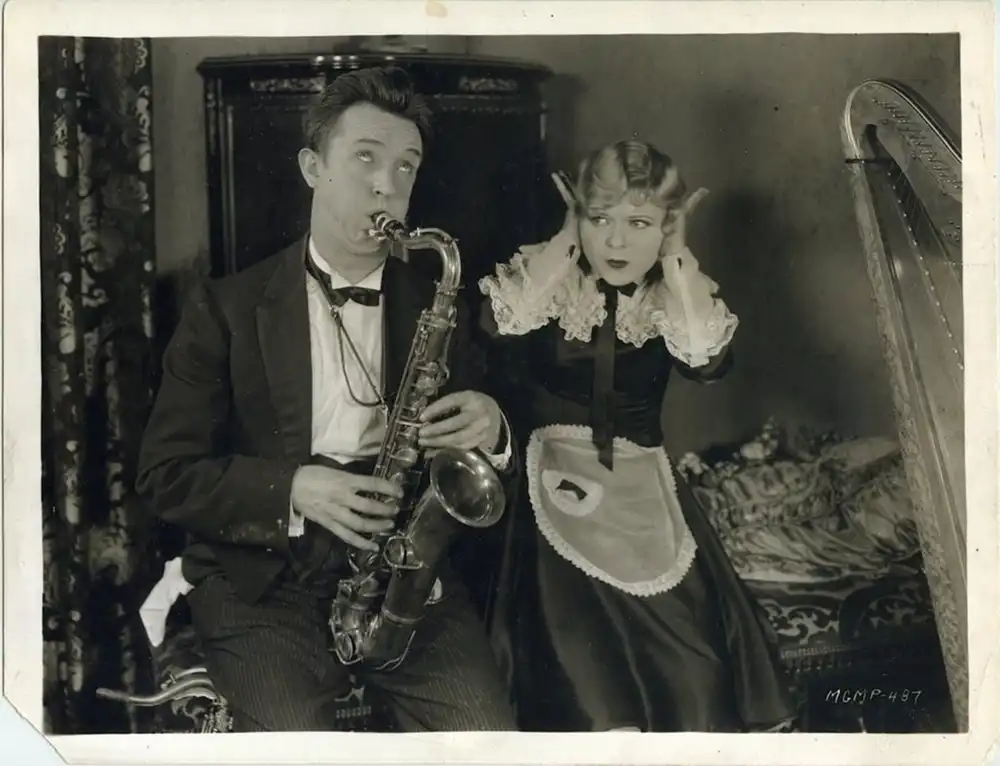
The film’s rhythm is dictated by the swinging kitchen door. It acts as a metronome for the chaos. Every time it opens, something worse happens. The inclusion of Buddy the Dog adds a layer of unpredictability. In one specific moment, Buddy causes a trip that leads to a cake being flattened, and the timing of the fall is so precise it makes modern CGI-enhanced stunts look sluggish. The physical coordination required to have Stan fall into a giant cake while maintaining the 'flow' of the scene is a testament to the duo’s background in vaudeville.
However, the film does have a few moments where the pacing stutters. The initial setup with the agency takes a bit too long to get moving, and some of the reaction shots from the peripheral dinner guests are held for a beat or two past their expiration date. These are minor gripes in a film that otherwise moves with the speed of a freight train toward its inevitable, messy conclusion.
From Soup to Nuts succeeds because it understands that destruction is funnier when it happens to people who take themselves too seriously. It avoids the trap of being a 'message' movie; it doesn't care about the class struggle beyond how many soup bowls can be spilled on a tuxedo. It’s a precise, physical, and deeply cynical look at the fragility of social standing. If you want to see two masters at the height of their silent-era powers, this is the place to start. It’s short, it’s chaotic, and it’s still remarkably fresh nearly a century later.
IMDb 6.5
1934
Community
Log in to comment.