DbcultAccessing Vault...
6.2/10
Senior Film Conservator
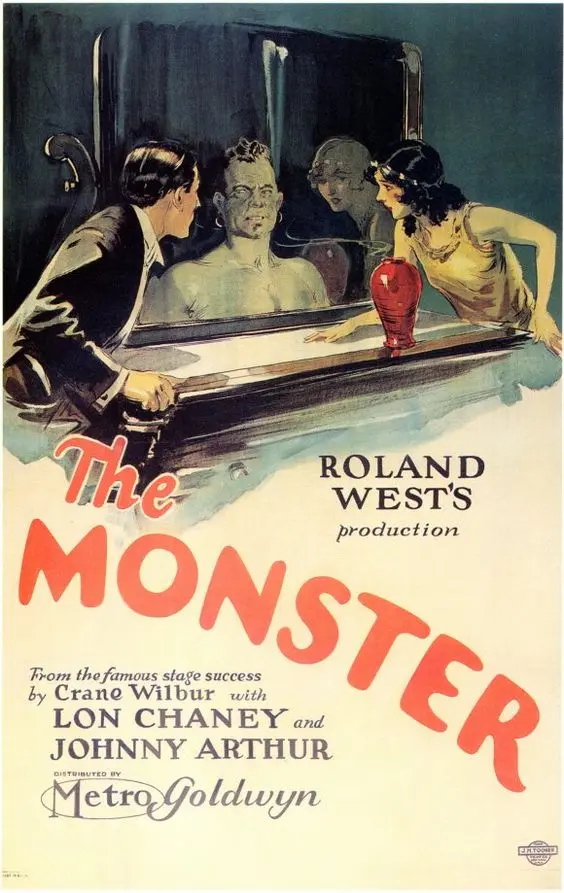
A definitive 6.2/10 rating for a film that redefined the boundaries of cult cinema. The Monster remains a cornerstone of transgressive art.
The year 1925 stood at a precipice in cinematic history, a moment where the visual language of the silent era reached a zenith of expressionistic power. Amidst this fertile ground, Roland West’s The Monster emerged not merely as a horror film, but as a bizarre, genre-bending experiment that defied the rigid categorizations of its time. While many audiences of the mid-twenties were flocking to see the lighthearted escapades of Miss Crusoe or the high-stakes drama of The Yellow Traffic, West was busy crafting a nightmare that felt distinctly modern, yet steeped in the ancient traditions of the Grand Guignol.
One cannot discuss this film without immediately confronting the presence of Lon Chaney. Known as the "Man of a Thousand Faces," Chaney’s legacy is often tethered to the grotesque deformities of the Hunchback or the Phantom. However, in The Monster, Chaney performs a far more unsettling sleight of hand. As Dr. Ziska, he presents a visage that is terrifyingly human. There are no heavy latex appliances or distorted limbs here; instead, Chaney relies on a predatory stillness, a gaze that seems to dissect the other characters on screen with the same cold precision he applies to his surgical instruments. This performance is a masterclass in restraint, proving that Chaney didn’t need a mask to evoke a sense of the uncanny. His Ziska is the progenitor of the modern slasher and the clinical madman, a figure who operates with a chilling logic that makes the supernatural elements of the plot feel grounded in a visceral, physical reality.
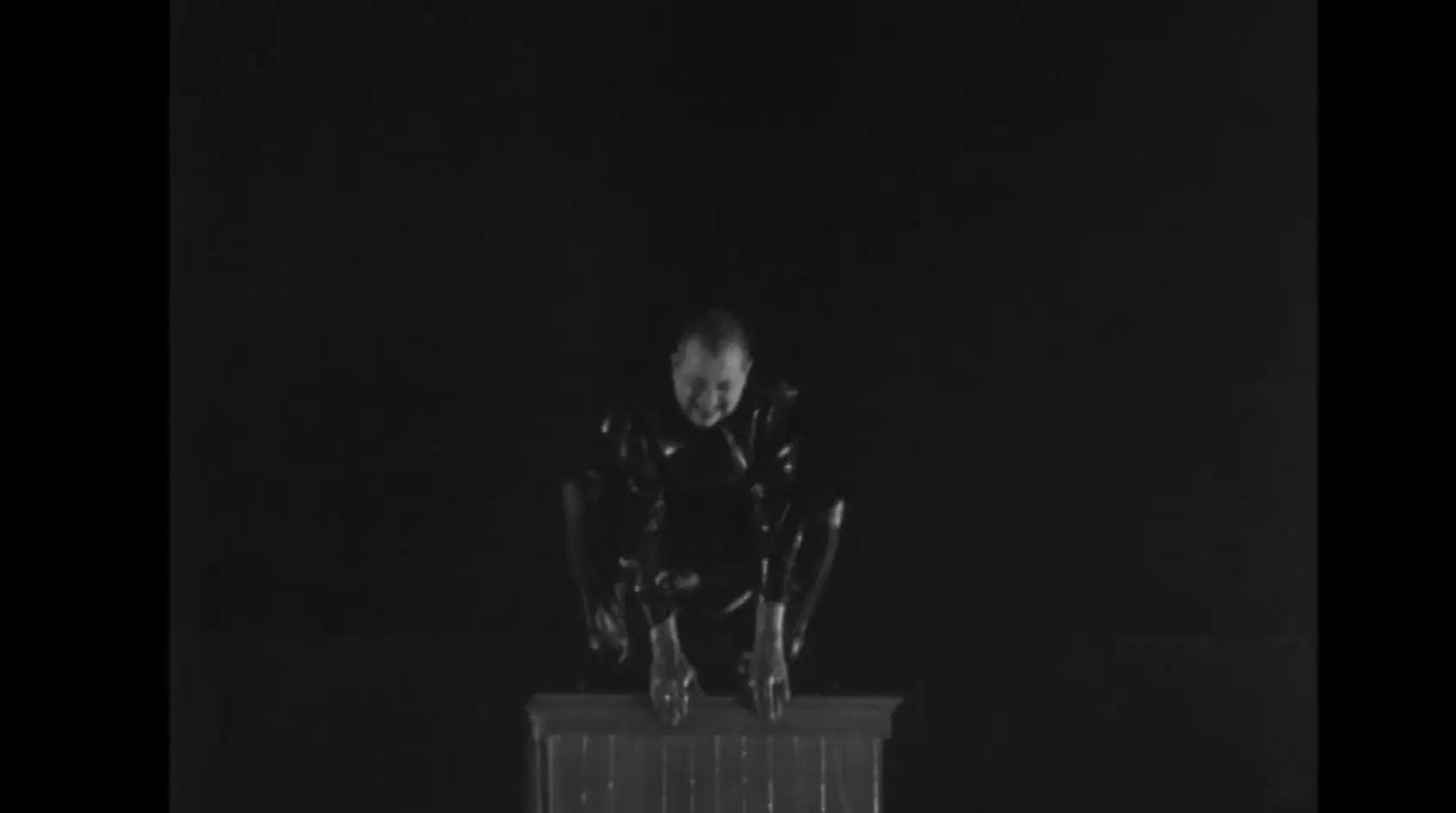
When compared to the more traditional heroics found in films like The Lone Star Ranger, Chaney’s antagonist offers a complex, morally bankrupt center of gravity that pulls the entire narrative into his orbit. He is the architect of the film's dread, and every frame he occupies vibrates with a localized tension that few actors of the era could replicate.
Roland West, a director whose fascination with the shadows of the human psyche would later lead him to the seminal The Bat (1926), transforms the sanitarium into a character of its own. The set design is a marvel of silent era craftsmanship. The corridors are long, oppressive, and filled with the kind of architectural anomalies that suggest a mind untethered from sanity. The use of lighting—or more accurately, the absence of it—creates a chiaroscuro effect that rivals the best of German Expressionism. Unlike the documentary-style realism of The Battle of the Ancre and the Advance of the Tanks, West’s world is entirely constructed to elicit a psychological response. The shadows don't just hide monsters; they *are* the monsters.
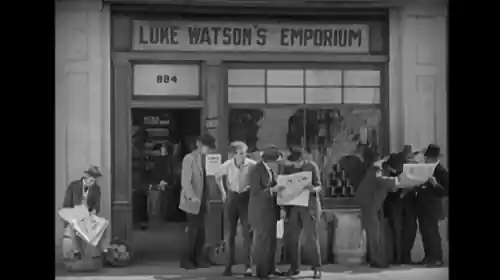
The technical prowess on display here is staggering. The way the camera lingers on the mechanical traps—the rigged road that captures unsuspecting motorists—demonstrates a fascination with the intersection of technology and terror. This was a time when the world was rapidly industrializing, and The Monster taps into that collective anxiety. The sanitarium is a factory of death, a place where the human body is treated as mere raw material for Ziska’s deranged experiments.
Perhaps the most jarring element for a modern viewer is the inclusion of Johnny Arthur as Johnny Goodlow. Arthur brings a frantic, almost vaudevillian energy to the role of the amateur detective. He is the antithesis of the stoic leading men seen in Mutiny or the gritty survivors of Dangerous Days. Goodlow is a man out of his depth, a clerk who would be more comfortable filing papers than facing a surgical blade. While some critics argue that the comedic interludes undermine the horror, I contend that they enhance it through the power of contrast. The absurdity of Goodlow’s bumbling investigation makes the clinical coldness of Dr. Ziska feel even more lethal. It is the juxtaposition of the ridiculous and the sublime horror that gives the film its unique, slightly off-kilter flavor.
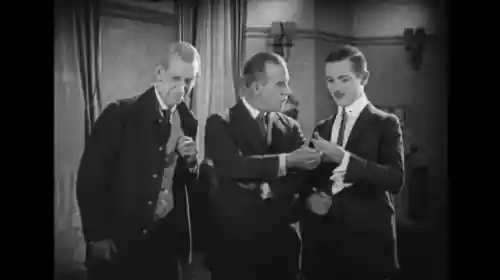
This tonal shift was common in the 'Old Dark House' genre, but West handles it with a sophistication that prevents the film from devolving into pure slapstick. Even in the height of a comedic sequence, the threat remains palpable. The film doesn't ask us to laugh *at* the horror, but to find the humor in our own ineptitude when faced with the incomprehensible.
Viewing The Monster through a contemporary lens allows us to appreciate its role as a precursor to the sci-fi horror boom of the 1930s. The themes of reanimation and the ethical boundaries of science would later be perfected in Universal’s Frankenstein, but the seeds were sown here in the damp basements of Dr. Ziska’s asylum. The film grapples with the fear of the 'other' and the loss of bodily autonomy, themes that were also being explored in more dramatic contexts like Foolish Lives or the poignant The Inner Voice.
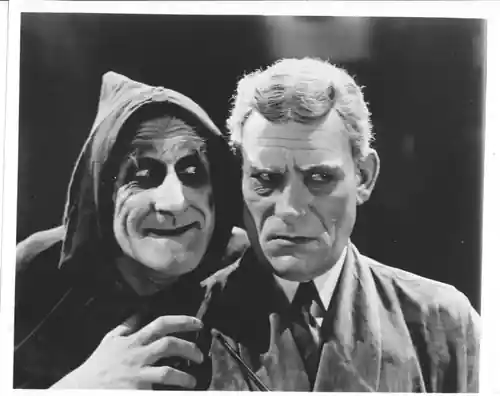
The screenplay, a collaborative effort by a staggering five writers including C. Gardner Sullivan and Willard Mack, manages to weave a narrative that is surprisingly tight despite its disparate influences. It lacks the sprawling, epic feel of Australia's Own or the historical weight of Lest We Forget, but it makes up for it with a concentrated, localized terror. It is a chamber piece, a claustrophobic dance between three primary forces: the victim, the fool, and the monster.
The absence of dialogue in The Monster forces the audience to pay closer attention to the visual cues. The way Hallam Cooley and Gertrude Olmstead react to the burgeoning threat is told through subtle shifts in posture and frantic eye movements. This is a film that understands the power of the close-up. When West cuts to a tight shot of Chaney’s face, we aren't just seeing an actor; we are witnessing the manifestation of a soul that has long since abandoned its humanity. This visual storytelling is far more evocative than the melodramatic title cards found in The Flower Girl or the lyrical pacing of A napraforgós hölgy.
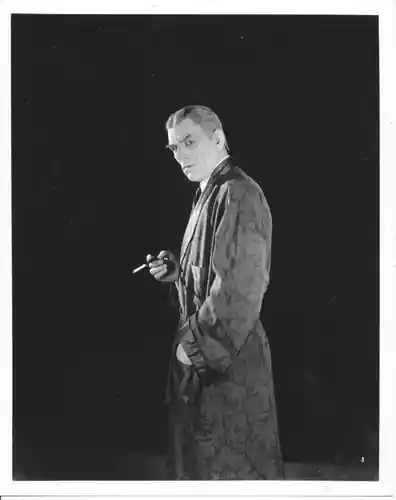
The cinematography by Hal Mohr is nothing short of revolutionary. He captures the textures of the sanitarium—the cold stone, the gleaming metal, the wisps of fog—with a clarity that makes the environment feel tactile. There is a sequence involving a mirror that is particularly noteworthy, utilizing reflections to suggest the fractured nature of the characters' reality. It’s a technique that echoes the psychological depth found in The Jungle Child, but repurposed for the thrill of the macabre.
In the grand pantheon of Lon Chaney's filmography, The Monster is often unfairly relegated to the status of a footnote. This is a grave oversight. While it may not possess the tragic grandeur of his more famous works, it offers something arguably more interesting: a glimpse into the birth of the modern horror aesthetic. It is a film that refuses to play by the rules, blending comedy, suspense, and science fiction into a cocktail that is as intoxicating as it is unsettling. It lacks the straightforward morality of Two-Gun Betty, opting instead for a murky, ethically gray world where the hero is a coward and the villain is a man of science.
To watch The Monster today is to engage with a piece of living history. It is a reminder that horror has always been a medium for exploring our deepest anxieties about the body, the mind, and the dark corners of the world we inhabit. Roland West and Lon Chaney created a work that, nearly a century later, still has the power to unnerve, to surprise, and to delight. It is a testament to the enduring power of silent cinema and the timeless appeal of a well-told nightmare. As the final iris closes on Goodlow’s frantic face, we are left not with a sense of resolution, but with the lingering chill of Dr. Ziska’s surgical gaze—a reminder that some monsters don't need masks to hide their true nature.
For those seeking a departure from the typical silent melodrama, The Monster remains an essential viewing experience. It is a film that demands to be seen in the dark, where the shadows on the screen can bleed into the shadows of the room, and where Lon Chaney’s performance can truly take hold of the imagination.
IMDb 7.3
1924
Community
Log in to comment.