DbcultAccessing Vault...
5.6/10
Senior Film Conservator
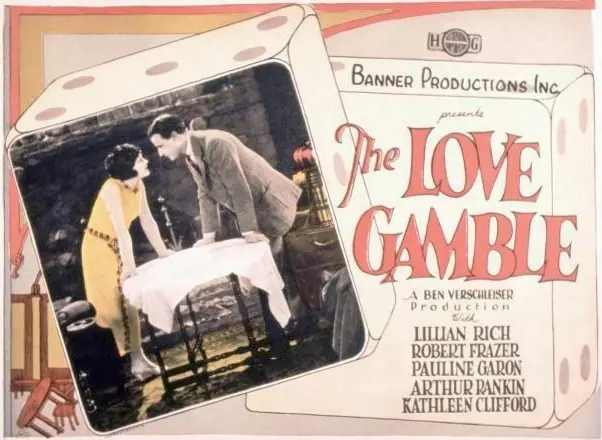
A definitive 5.6/10 rating for a film that redefined the boundaries of cult cinema. The Love Gamble remains a cornerstone of transgressive art.
In an era defined by grand gestures, expressive visages, and narratives spun without the aid of spoken dialogue, silent cinema frequently delivered sagas of profound emotional resonance. Among these, the 1925 feature The Love Gamble emerges as a particularly compelling artifact, showcasing the genre's capacity for intricate plotting and character development. Directed with a keen eye for dramatic tension and featuring a cast adept at conveying complex internal states through pantomime and subtle glances, this film, penned by the collaborative talents of Maysie Greig, Fanny Hatton, and Frederic Hatton, transcends mere entertainment to offer a window into the societal mores and romantic ideals of its time. It is a testament to the enduring power of visual storytelling, a craft that, when mastered, can communicate universal truths across generations and technological divides.
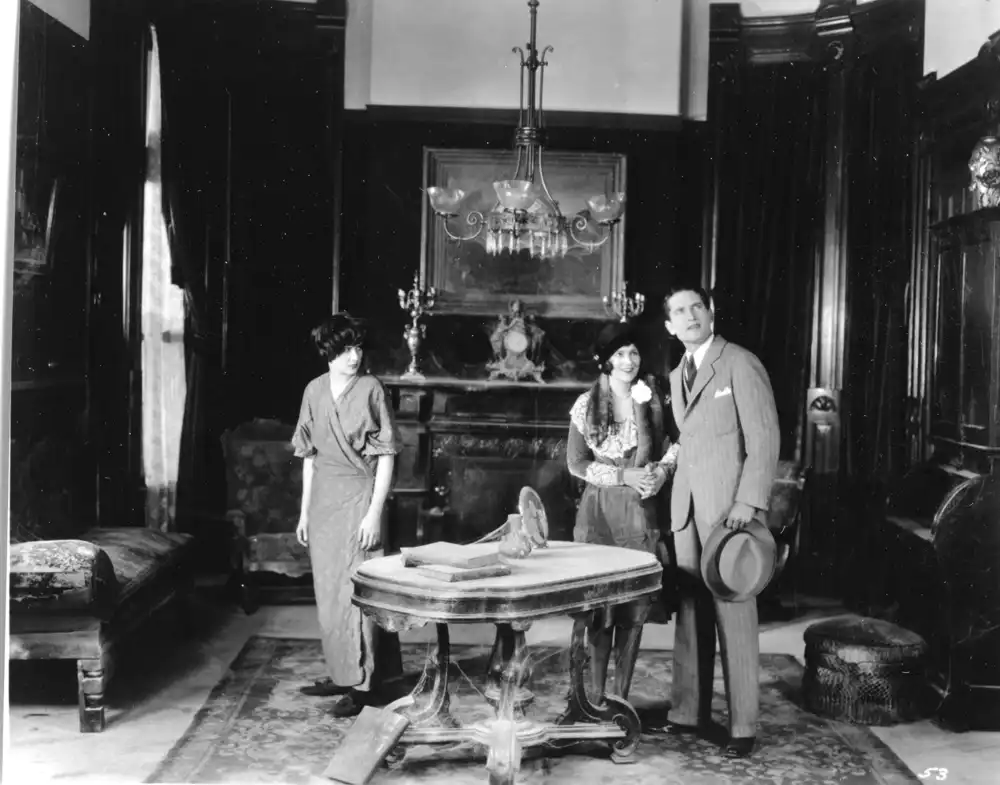
The narrative tapestry of The Love Gamble is woven with threads of burgeoning romance, forbidden desire, shocking crime, and a thrilling pursuit of justice. At its core lies Peggy Mason, portrayed with a compelling blend of vulnerability and resilience by Kathleen Clifford. Peggy is no mere damsel; as co-owner of a bustling coffee shop, she embodies a certain independence, a spirit of self-reliance that was increasingly celebrated in the flapper era. Her world, however, is irrevocably altered by the arrival of Douglas Wyman, essayed by Robert Frazer with a portrayal that balances aristocratic charm with an underlying current of melancholy. Their initial connection is palpable, a spark that ignites a passionate affair, seemingly destined for conventional bliss. But fate, as it often does in these cinematic morality plays, holds a cruel twist.
The pivotal turning point arrives during a seemingly idyllic driving excursion to a secluded lodge in the hills. Here, amidst what should have been a romantic idyll, Peggy uncovers the devastating truth: Douglas is not a free man but unhappily bound in matrimony. Clifford’s performance in this scene is a masterclass in silent film acting, her face transforming from joyous anticipation to profound shock and betrayal, requiring no intertitles to convey the crushing weight of the revelation. Her immediate, visceral reaction—to flee the scene of this emotional ambush—underscores her character's inherent moral compass. This sudden departure, however, thrusts her into a different kind of peril, a violent storm that mirrors the tempest raging within her heart. It is here that an old suitor, a figure from her past, reappears to offer rescue, setting the stage for a convoluted romantic entanglement that will define the film's latter half. This unexpected re-entry of a past affection adds a layer of complexity, reminiscent of the intricate relationship dynamics explored in films like A Soul for Sale, where characters grapple with choices between comfort and true love.
The subsequent discovery of Douglas's wife's murder catapults the narrative into the realm of a gripping legal thriller. Douglas Wyman, already a man burdened by an illicit affair and a troubled marriage, becomes the prime suspect. His refusal to establish an alibi, driven by a noble yet ultimately self-destructive desire to protect Peggy's reputation from scandal, paints him into a corner. Frazer's portrayal here is particularly nuanced; his stoicism in the face of accusation, his silent suffering for Peggy's sake, speaks volumes. This self-sacrificial act, while admirable, pushes him closer to the gallows, creating an almost unbearable tension. The legal proceedings themselves, though presented through the lens of silent film conventions, manage to convey the gravity and theatricality of a high-stakes murder trial, a dramatic cornerstone often found in the cinema of this period, much like the courtroom tensions depicted in The Reckless Sex.
The climax of The Love Gamble is a masterclass in suspense. Peggy, unaware of the full extent of Douglas's plight until the very last moment, embarks on a frantic race against time. Her desperate dash to the courtroom, arriving precisely as the judge prepares to unseal the jury's verdict—a verdict widely expected to be 'guilty'—is a sequence brimming with palpable anxiety. This dramatic timing, a hallmark of early cinematic storytelling, is executed with precision, keeping the audience on the edge of their seats. Just as hope seems lost, a confession from the actual murderer materializes, shattering the illusion of Douglas's guilt and providing a stunning, last-minute reprieve. This deus ex machina, while a common trope, is deployed with such effectiveness that it feels earned, rather than contrived, a narrative salvation that reverberates with the emotional intensity built throughout the film. The sudden twist of fate and the dramatic reveal of the true culprit bear a thematic kinship with the unexpected turns in The Great Gamble, where fortunes and lives hang by a thread of unforeseen events.
With Douglas exonerated, the path seemingly clears for the two lovers. However, the intricacies of the human heart, and indeed, the conventions of dramatic narrative, dictate another layer of complexity. Peggy, having moved on in her period of despair and believing Douglas lost to her forever, has become engaged to her old suitor. This development presents a fresh emotional quandary, a new 'gamble' for all involved. Douglas's subsequent proposal to Peggy is met with refusal, a moment of profound heartbreak for him and a testament to Peggy's commitment to her new, albeit less passionate, engagement. It's a poignant exploration of loyalty and circumstance, where characters are forced to navigate the consequences of their choices and the unpredictable currents of life. The writers, Maysie Greig, Fanny Hatton, and Frederic Hatton, demonstrate a sophisticated understanding of romantic entanglements, avoiding simplistic resolutions in favor of a more nuanced emotional landscape.
The resolution, however, is not one of tragic sacrifice but of enlightened understanding. The old suitor, recognizing the undeniable, profound connection between Peggy and Douglas, performs an act of extraordinary generosity. He releases Peggy from her engagement, acknowledging that her heart truly belongs to Douglas. This moment, often understated in silent films, carries immense emotional weight, conveyed through subtle gestures and expressions rather than grand pronouncements. It is a quiet triumph of genuine love over obligation, a testament to the selfless nature of true affection. Peggy's subsequent turning to Douglas, culminating in their long-awaited embrace, provides a cathartic and deeply satisfying conclusion, leaving the audience with a sense of emotional fulfillment. The final embrace is not just a romantic closure but a symbol of overcoming adversity, of love enduring through scandal, injustice, and the vagaries of fate.
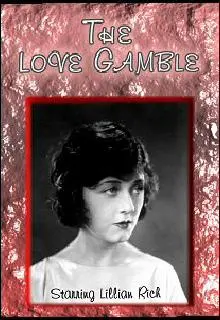
The success of The Love Gamble rests heavily on the shoulders of its principal actors. Kathleen Clifford imbues Peggy with a compelling blend of innocence and strength. Her facial expressions, her posture, and her every movement are meticulously crafted to convey Peggy's emotional journey, from the initial flush of love to the agony of betrayal, the terror of the storm, and finally, the quiet joy of reunion. Robert Frazer, as Douglas, complements her perfectly. His portrayal of a man trapped by circumstance and societal expectations, yet driven by a deep love, is remarkably restrained and powerful. The supporting cast, including Brooks Benedict, Bonnie Hill, and Joseph Hazelton, contribute effectively to the film's rich tapestry, each adding depth to the narrative without overshadowing the central drama. The subtle yet impactful performances of Lillian Rich and Arthur Rankin in their respective roles further solidify the emotional landscape of the film.
The direction, while perhaps not as overtly experimental as some contemporary works like Kino-Pravda No. 18, is nonetheless highly effective. The use of cinematography to establish mood and advance the plot is commendable. Shots of the stormy night, for instance, are not merely decorative but serve to externalize Peggy's internal turmoil. The courtroom scenes are masterfully staged, utilizing close-ups and dramatic angles to heighten the tension. The pacing, a critical element in silent film, is expertly managed, allowing moments of quiet intimacy to breathe before accelerating into thrilling dramatic sequences. The intertitles, sparse but impactful, provide necessary exposition without disrupting the visual flow, a balance that many silent films struggled to achieve. The collaborative writing team of Maysie Greig, Fanny Hatton, and Frederic Hatton deserves significant credit for crafting a story that, despite its melodramatic flourishes, remains grounded in believable human emotion and motivation. Their ability to construct a narrative with such intricate turns and a satisfying, albeit circuitous, resolution speaks to their skill in engaging a silent audience.
The Love Gamble stands as a compelling example of silent era filmmaking, demonstrating the genre's enduring capacity for emotional depth and narrative complexity. It is a film that, despite its age, continues to resonate with themes of love, betrayal, sacrifice, and redemption that are timeless. While it may not possess the avant-garde reputation of some of its contemporaries, its technical proficiency, strong performances, and engaging storyline cement its place as a significant, if sometimes overlooked, piece of cinematic history. The film serves as a powerful reminder of how much could be conveyed without a single spoken word, relying instead on the universal language of human expression and meticulously crafted visual storytelling.
Watching The Love Gamble today offers more than just historical curiosity; it provides a deeply immersive experience. It challenges modern audiences to engage with cinema on a purely visual and emotional level, stripping away the auditory crutches we have grown accustomed to. The film's ability to maintain high stakes and emotional investment without dialogue is a testament to the artistry of its creators and performers. It invites viewers to become active participants in the storytelling process, interpreting nuanced expressions and gestures to piece together the characters' inner worlds. This active engagement is a hallmark of truly great silent cinema, distinguishing it from more passive forms of entertainment. In an era when film was still discovering its voice, The Love Gamble spoke volumes, a narrative symphony played out in shadows and light, a poignant echo from a bygone cinematic age that continues to captivate those willing to listen with their eyes and their hearts.
IMDb —
1927
Community
Log in to comment.